
India News
Reliance Jio joins Airtel and VI, hikes prepaid plan tariffs by 20%: check new plans here
The new rates will be applicable from December 1 onwards. S per the company’s statement the new tariff plans are in line with its commitment to further strengthen a sustainable telecom

India’s largest telecom company Reliance Jio on November 28 announced a hike in its prepaid mobile tariff rates. The announcement came days after their market competitors Bharti Airtel and Vodafone Idea increased their tariff plans by 20-25% from November 25, and 26, respectively.
Following the footsteps of Airtel and Vi, Jio also increased their prepaid plan tariffs by 20%. The new rates will be applicable from December 1 onwards. S per the company’s statement the new tariff plans are in line with its commitment to further strengthen a sustainable telecom industry.
Jio New Plans:
The current plan of Rs 149 which provides unlimited Talktime and 1 GB per day data for 24 days, will cost Rs 179 from Dec 1, while the Rs 199 plan with 1.5 per data and unlimited Talktime, will be available at 239 from the next month. The Talktime plan of Rs 129 with 2 GB of data and unlimited calls will be available at Rs 155 from Dec 1 onwards.
The current three-month plan of Rs 555 which provides 1.5 GB per day data and unlimited calls for 84 days, will now be available at Rs 666 from the upcoming month, while the Rs 599 plan with 2 GB per day data and unlimited Talktime for 84 days will cost Rs 719 from next week.
JioPhone Plans
The Rs 75 plan will cost Rs 91 from the next month and will offer a validity of 28 days with the benefit of unlimited calls and 3 GB per month data.
Read Also: Amid new Covid variant Omicron, check out the new guidelines issued by THESE states
Here are all prepaid plans for Jio
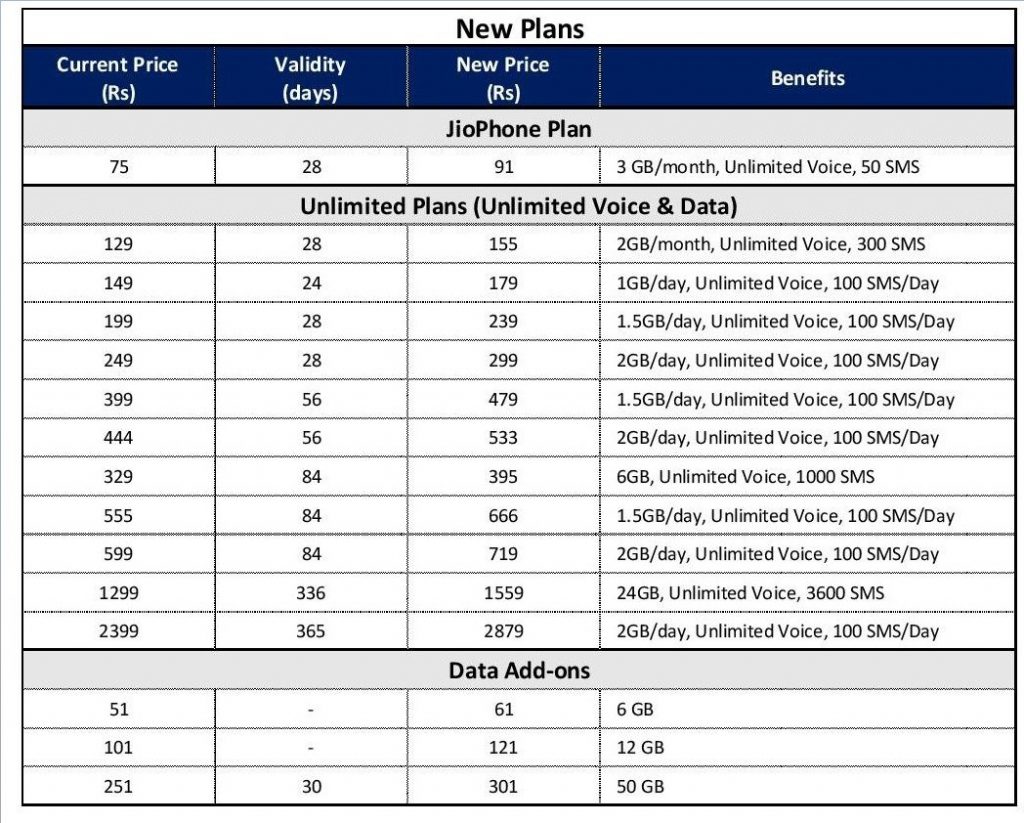
However, the telecom company is still claiming of providing the cheapest tariff plans among all telecom companies.
“In line with its commitment to further strengthen a sustainable telecom industry, where every Indian is empowered with a true digital life, Jio today announced its new unlimited plans. These plans will provide the best value in the industry. Upholding the Jio promise of providing the best-quality service at the lowest price globally, Jio customers will continue to be the biggest beneficiaries,’ Jio said in a statement.


India News
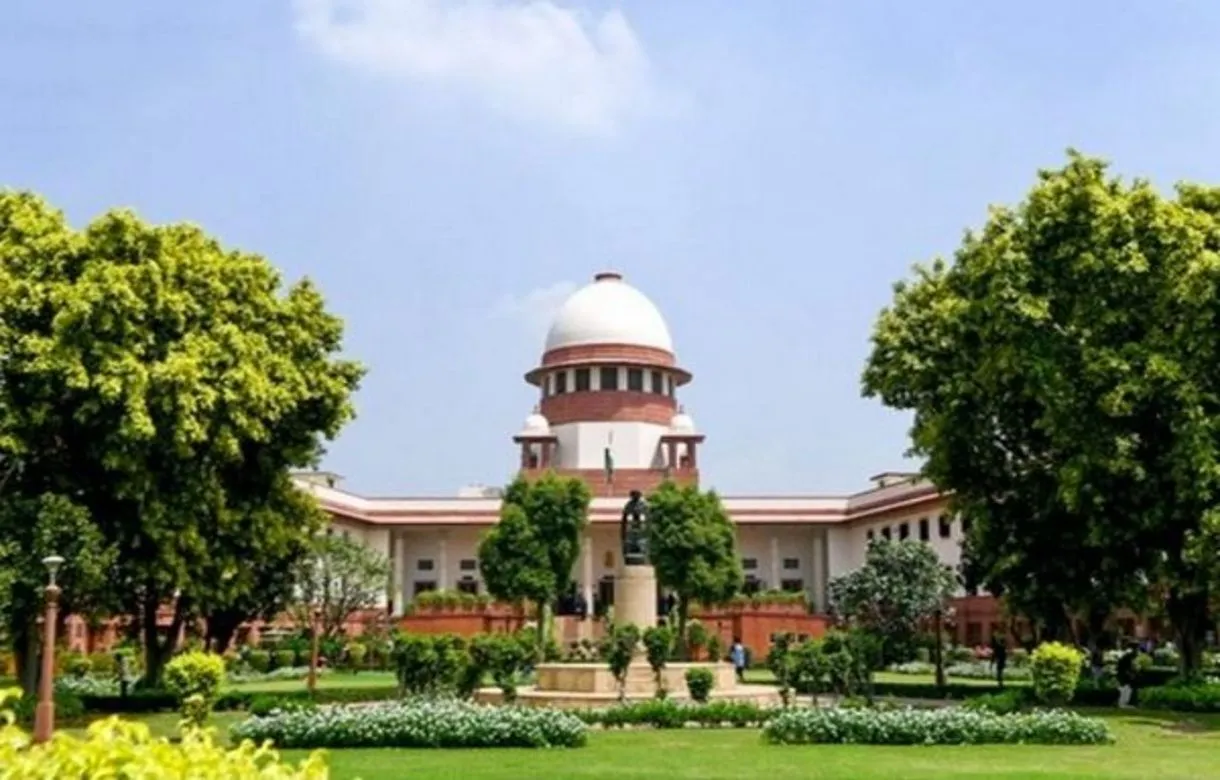
Supreme Court questions EC over missing records in Sringeri election dispute
The Supreme Court questioned the Election Commission over missing video footage of the 2023 counting in Karnataka’s Sringeri constituency. The case involves a revised result following a recount of postal ballots.

India News
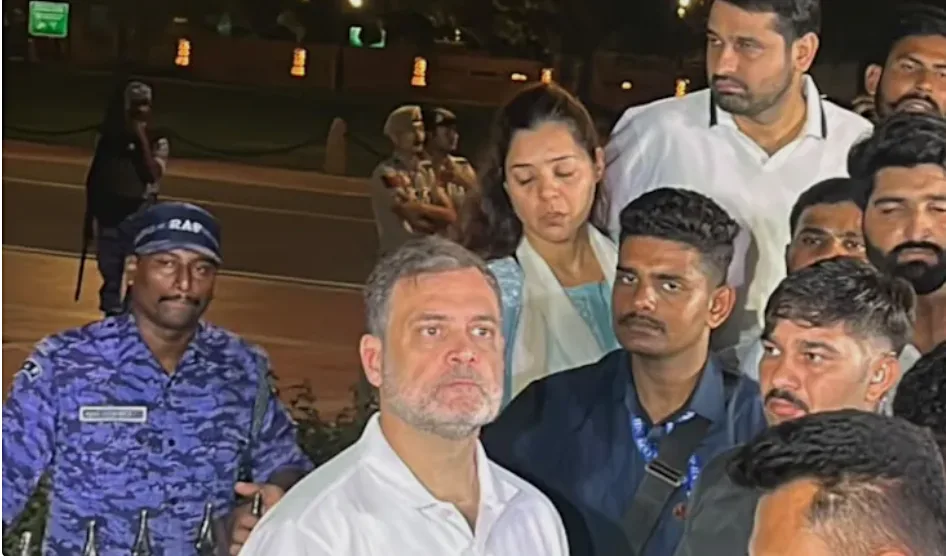
Rahul Gandhi joins India Gate protest by Ankita Bhandari’s parents
Rahul Gandhi joined the protest by Ankita Bhandari’s parents at India Gate in New Delhi on October 14. The demonstration has brought renewed attention to the 2022 murder case and the family’s concerns following Dushyant Gautam’s appointment as Sikkim Governor.
India News
Meerut murder: Muskaan Rastogi and Sahil Shukla get death sentence
A Meerut court has sentenced Muskaan Rastogi and Sahil Shukla to death in the blue drum murder case involving the killing of merchant navy officer Saurabh Rajput in March 2025.

CJP leaders Saurav Das, Ashutosh Ranka, Ajinkya Shinde sent to 5-day judicial custody

S Jaishankar says India is a natural option for Russia amid Europe tensions

PM Modi speaks to Mark Carney as India and Canada push to strengthen ties

Meerut murder: Muskaan Rastogi and Sahil Shukla get death sentence

Rahul Gandhi joins India Gate protest by Ankita Bhandari’s parents

Supreme Court questions EC over missing records in Sringeri election dispute
Rahul Gandhi joins India Gate protest by Ankita Bhandari’s parents
Meerut murder: Muskaan Rastogi and Sahil Shukla get death sentence
PM Modi speaks to Mark Carney as India and Canada push to strengthen ties
S Jaishankar says India is a natural option for Russia amid Europe tensions

Afghan Men Try To Hang With The Jet Engine Of The Aircraft in Kabul- Afghanistan News – Kabul News
Trending Top 10 News: 10000 Crore Fine on Flipkart, Apple to Launch Unique Feature, Hdfc Bank Job Ad

Trending Top 10 News: Nokia 6310, Apple sales, Bachpan ka Pyar Video Kid, Dainik Bhaskar IT Raid

Trending Top 10 News: Canada bans Indian flights, Rain in Delhi NCR, AIMIM Twitter hacked, Raj Kundra case

Trending Top 10 News: Shein India, Apple New Service, Pocket Oxygen, Oppo Launched New Phone
-
 India News20 hours ago
CJP leaders Saurav Das, Ashutosh Ranka, Ajinkya Shinde sent to 5-day judicial custody
-
 Latest world news20 hours ago
S Jaishankar says India is a natural option for Russia amid Europe tensions
-
 India News19 hours ago
PM Modi speaks to Mark Carney as India and Canada push to strengthen ties
-
 India News9 hours ago
Meerut murder: Muskaan Rastogi and Sahil Shukla get death sentence
-
 India News8 hours ago
Rahul Gandhi joins India Gate protest by Ankita Bhandari’s parents
-
 India News8 hours ago
Supreme Court questions EC over missing records in Sringeri election dispute
