English हिन्दी
Connect with us

India News

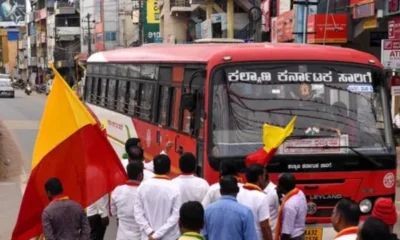
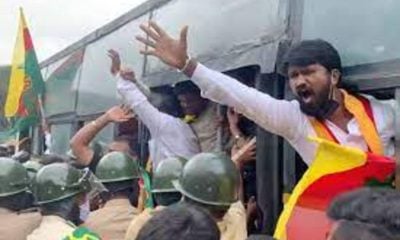
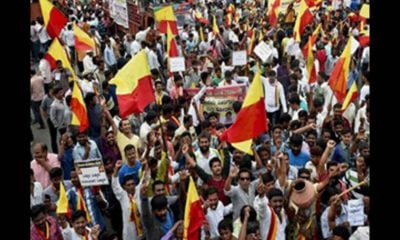
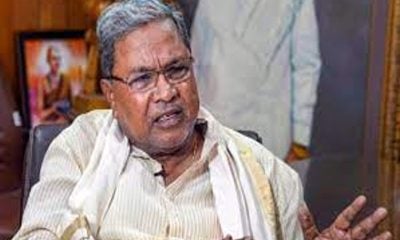
Karnataka bandh over Cauvery gets moral support as buses, schools operate normally

The Karnataka bandh over the Cauvery water release order has received mixed support, with transport bodies and schools staying operational while some farmers’ groups back the protest.

Published

on

Karnataka Band

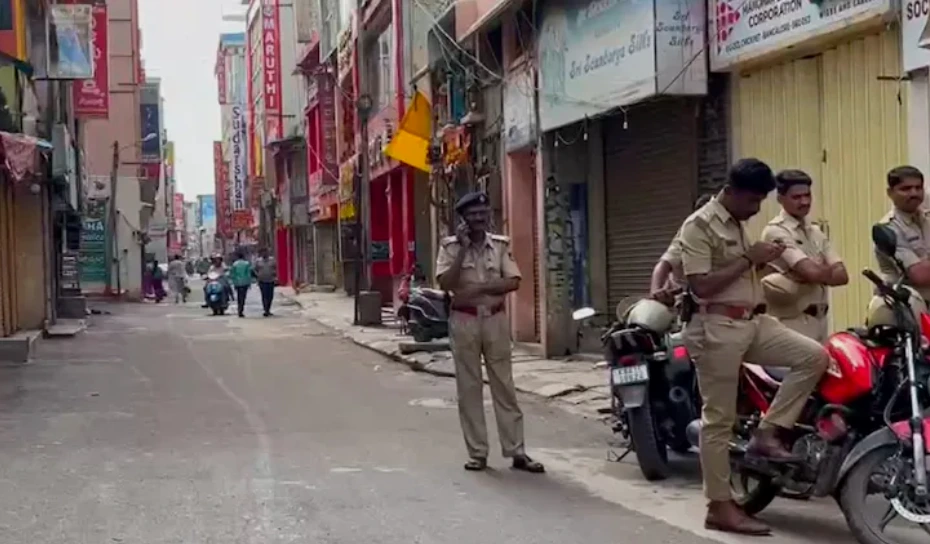
The call for a Karnataka bandh over the Cauvery water issue has received support from some farmer organisations, but several groups have chosen not to participate in a complete shutdown, allowing buses, schools and other services to function normally.

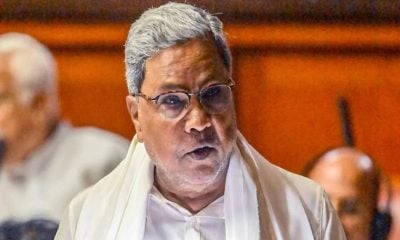
The Federation of Kannada organisations is divided over the bandh call against the Cauvery Water Management Authority (CWMA) order directing Karnataka to release 12,000 cusecs of Cauvery water to Tamil Nadu for 15 days.

Federation president Vatal Nagaraj has maintained his support for the bandh. However, several organisations associated with the federation have backed away from the shutdown while extending what they described as “moral support” to Nagaraj’s protest.

Praveen Shetty, who heads one faction of the Karnataka Rakshana Vedike, said his organisation supports Nagaraj’s struggle but is not in a position to support the bandh.

Transport services to operate normally

The Bangalore Metropolitan Transport Corporation (BMTC) and Karnataka State Road Transport Corporation (KSRTC) employees’ association have not extended support to the bandh, according to sources in the state transport department.

Private bus associations, transporters and autorickshaw associations have also distanced themselves from the shutdown.

Street vendors are expected to continue their usual operations. Government and private schools will also function normally, as the organisations involved have largely extended moral rather than direct support to the bandh.

Farmers’ groups back the bandh

The Raitha Hitarakshana Samithi and some other farmers’ organisations have extended their support to the bandh.

Sunanda of the Raitha Hitarakshana Samithi said the organisation supports the strike, arguing that Karnataka has been subjected to injustice over the Cauvery water issue.

Vatal Nagaraj and organisations supporting him are opposing the CWMA’s direction to release 12,000 cusecs of Cauvery water to Tamil Nadu for 15 days. The release began on Wednesday morning.

The Karnataka government has argued that the state’s situation does not favour releasing such a large quantity of water to Tamil Nadu, citing inadequate rainfall, particularly in the Cauvery region.

India News

3 dead, several trapped after six-storey building collapses in Delhi, rescue operations continue

Three people died and two were critically injured after a six-storey PG building collapsed in Delhi’s Satya Niketan. Several others are feared trapped.

Published

on

Three people have died and two others are critically injured after a six-storey building collapsed in Delhi’s Satya Niketan on Sunday afternoon. Several more people are feared trapped under the debris as rescue operations continue at the site.

Nine people have been rescued so far, while authorities are searching for others who may still be trapped. The building, which was being used as a 75-bed paying guest accommodation, collapsed at around 1:30 pm, according to officials.

Building was being used as a PG accommodation

According to police, the building was around 40 to 50 years old and consisted of a basement and five upper floors. It was being used as a paying guest accommodation, with repair work reportedly underway in the basement when the collapse occurred.

The building was located in Satya Niketan, near Delhi University’s South Campus, an area with a large student population.

An eyewitness said at least 50 students were believed to have been inside the building when it collapsed. A student at the scene also reported hearing cries for help from beneath the rubble.

Rescue operation underway

Teams from the Delhi Police, National Disaster Response Force, Delhi Fire Service and Delhi Disaster Management Authority have been deployed for the rescue operation.

At least 12 fire tenders have been sent to the spot. An excavator has also been deployed, while additional machinery is being brought in to remove concrete slabs and girders from the debris.

Locals were also seen helping with the initial search before rescue teams and machinery reached the site.

The adjacent building has been vacated as a precautionary measure, Delhi Chief Minister Rekha Gupta said. She added that rescue work was being carried out on a war footing and that authorities were coordinating efforts to assist those affected.

Government agencies coordinate rescue efforts

Delhi Lieutenant Governor Taranjit Singh Sandhu said concerned agencies, including the Delhi Police, Delhi Fire Service and DDMA, had been directed to work together to ensure swift rescue operations.

Local BJP MLA Anil Sharma, who was at the site, said some students were still believed to be trapped and that some were reportedly making calls from inside the collapsed structure.

AAP leader Saurabh Bharadwaj blamed alleged corruption for the incident and raised questions about building safety and inspections. His comments were political allegations and no official cause for the collapse has been established in the report.

Continue Reading

India News

PM Modi takes aim at critics with Dimagi Naxal remark at SRCC centenary address

PM Modi revived his dimagi Naxal remark at SRCC’s centenary celebrations and spoke about India’s development journey.

Published

on

PM Modi

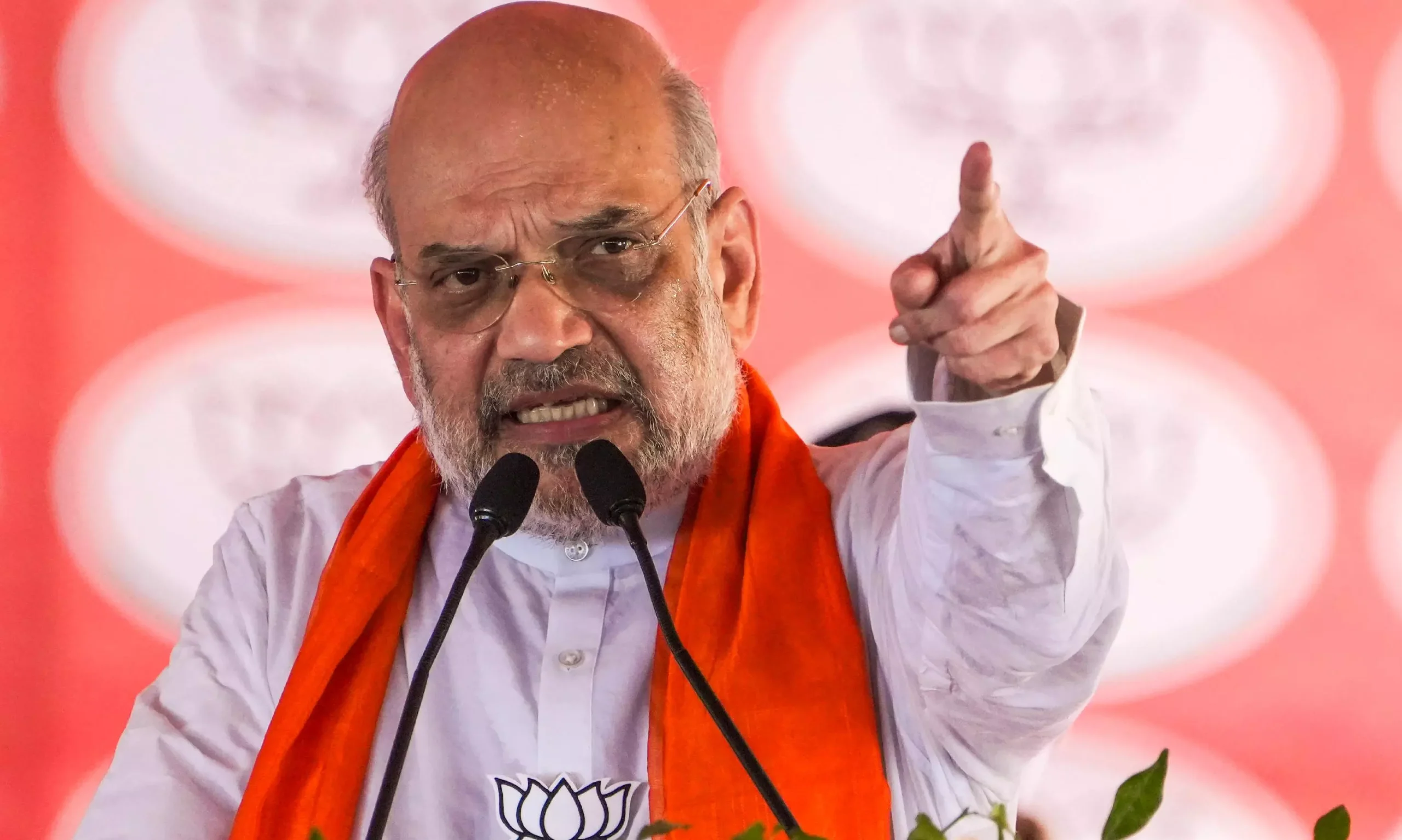
Prime Minister Narendra Modi revived his ‘dimagi Naxal’ remark while addressing the centenary celebrations of Shri Ram College of Commerce (SRCC) in Delhi on Saturday, using the term to criticise his opponents.

Speaking to students at the Delhi college, PM Modi described the phrase as a “homeopathic pill” and said it had prompted those he described as “dimagi Naxals” to come forward and reveal their views.

The prime minister also used his address to speak to Gen-Z about India’s development journey and asked students to consider the challenges the country had faced in the past.

PM Modi recalls past crises

During his speech, PM Modi referred to the 2013 Kedarnath disaster and the 2008 global financial crisis while criticising the handling of national emergencies by previous governments.

He said the government at the time of the Kedarnath disaster was shaken and questioned its ability to respond to the crisis.

Referring to the 2008 banking crisis, PM Modi alleged that the government of the time failed to effectively deal with the situation and claimed that India’s banking system was pushed close to collapse.

Prime minister lists challenges faced by his government

PM Modi also highlighted several major global crises that occurred during his government’s tenure.

He mentioned the COVID-19 pandemic, the Russia-Ukraine war, disruptions to global trade and supply chains, and the crisis in West Asia.

The prime minister said there had been concerns that India would struggle during these crises but argued that the country had continued to move forward.

PM Modi’s earlier SRCC visit

PM Modi had earlier visited SRCC in 2013, when he was the chief minister of Gujarat. His speech at the college received significant attention, particularly on social media, ahead of the 2014 Lok Sabha election.

His latest visit came during the college’s centenary celebrations, where his address focused on young people, India’s development ambitions and the challenges faced by the country.

Continue Reading

India News

India Metro Rail Network May Overtake US in 2 Years

India’s metro rail network has reached 1,170 km across 26 cities. Union minister Manohar Lal said the country could overtake the US in network length within two years.

Published

on

Manohar Lal Khattar

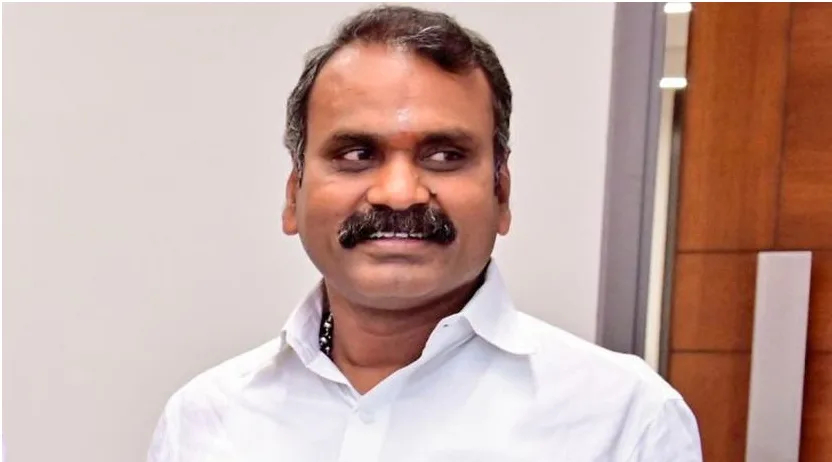
India is on track to become the country with the second-largest metro rail network in the world after China, with Union Minister Manohar Lal saying the country could overtake the United States within the next two years.

India’s metro rail network has now expanded to 1,170 km across 26 cities. The network is only 216 km shorter than the US metro rail network, which stands at 1,386 km, according to figures cited by the minister.

India’s metro network expands rapidly

Speaking after the inauguration of an extended metro service in Indore, Manohar Lal highlighted the pace at which metro connectivity has grown in India.

He said metro services were operational across just 245 km in five cities when Prime Minister Narendra Modi assumed office in 2014. The network has since expanded to 1,170 km across 26 cities.

The minister said India could overtake the US in terms of metro rail network length in the next two years and become the world’s second-largest country in this segment after China.

China currently has around 8,000 km of metro rail lines, according to the figures cited by the minister.

Indore metro extension inaugurated

The minister made the remarks after inaugurating an extended section of the Indore metro. The project was built at a cost of around Rs 2,850 crore.

The Indore metro was earlier operating commercially on a six-km stretch between Gandhi Nagar and Super Corridor-3 stations. Following the extension, the service will operate on a 17-km route between Gandhi Nagar and Malviya Nagar Chauraha.

Madhya Pradesh Chief Minister Mohan Yadav said the metro service would mark a new phase in Indore’s development. He also said the network would eventually be extended to Ujjain and other nearby areas.

India’s metro rail network: Key figures

  • India currently has 1,170 km of operational metro rail network.
  • Metro services are operational across 26 cities.
  • The US has around 1,386 km of metro rail network.
  • India is currently 216 km behind the US.
  • China has around 8,000 km of metro rail lines.
  • India’s operational network stood at 245 km across five cities in 2014.

Continue Reading

Trending

© Copyright 2022 APNLIVE.com