English हिन्दी
Connect with us

India News

PM Modi releases 109 climate-resilient seed varieties to boost farm yield, nutrition

The farmers said that these new varieties will be highly beneficial as they will help reduce their expenditure and also have a positive impact on the environment.

Published

on

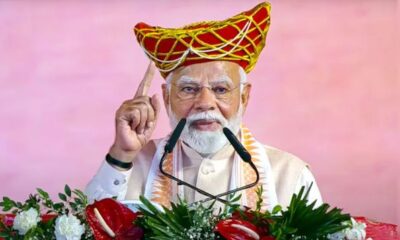
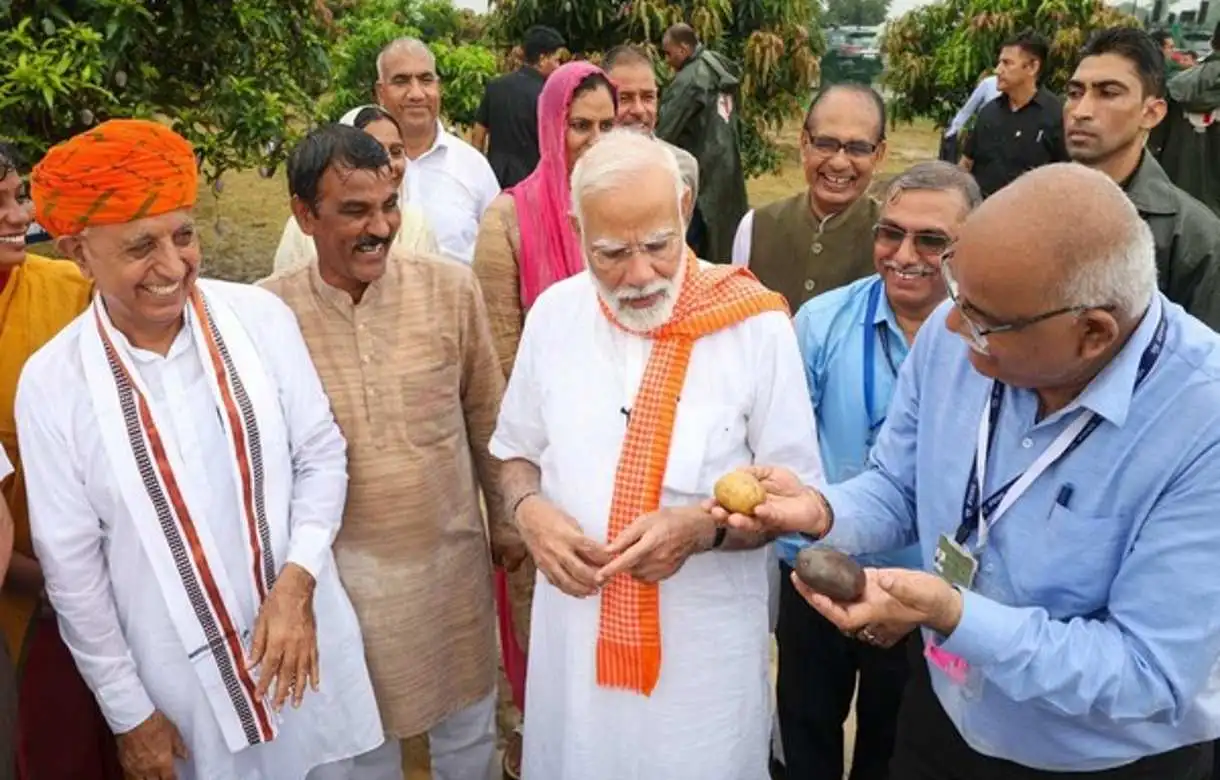
Prime Minister Narendra Modi released 109 high-yielding, climate-resilient, and biofortified varieties of crops on Sunday at the India Agricultural Research Institute in New Delhi.

The Prime Minister also interacted with the farmers and scientists on the occasion. Discussing the importance of these new crop varieties, PM Modi stressed on the significance of value addition in agriculture. The farmers said that these new varieties will be highly beneficial as they will help reduce their expenditure and also have a positive impact on the environment.
PM Modi discussed the importance of millets and underlined how people are moving towards nutritious food. He also talked about the benefits of natural farming and the increasing faith of common people towards organic farming, adding that people have started consuming and demanding organic foods. The farmers appreciated the efforts undertaken by the government to promote natural farming.

The farmers also lauded the role played by Krishi Vigyan Kendras (KVK) in creating awareness. Prime Minister suggested that KVKs should proactively inform farmers about the benefits of the new varieties being developed every month to enhance awareness about their benefits.

He also lauded the scientists for the development of these new crop varieties. The scientists informed that they have been working in line with the suggestion given by Prime Minister to bring unutilised crops into the mainstream.

The 109 varieties of 61 crops released by the Prime Minister included 34 field crops and 27 horticultural crops. Among the field crops, seeds of various cereals including millets, forage crops, oilseeds, pulses, sugarcane, cotton, fibre, and other potential crops were released.

Among the horticultural crops, different varieties of fruits, vegetable crops, plantation crops, tuber crops, spices, flowers, and medicinal crops were released.

India News

Delhi building collapse triggers protests, questions over student housing safety

The Satya Niketan building collapse near Delhi University’s South Campus has raised questions over PG safety and student accommodation.

Published

on

A building collapse in Delhi’s Satya Niketan area near Delhi University’s South Campus has renewed concerns over the safety of accommodation used by students. The building had reportedly been vacated nearly a year ago, but PG accommodation resumed at the property around two to three months before the collapse.

The incident has prompted questions about how the property was occupied again and whether adequate structural and safety checks were carried out before people were allowed to stay there. Delhi Police is registering a case in connection with the collapse and is looking for the property’s owner, identified as Anand Bansal.

Building had been vacated earlier

According to the information reported so far, the building in Satya Niketan had been vacated about a year before the collapse. However, PG accommodation reportedly restarted at the property two to three months ago.

The development has raised questions about the process through which the building was allowed to be occupied again and whether the necessary structural safety checks were conducted.

The Delhi Police has initiated action in connection with the incident and is looking for the property owner. Rescue and relief operations were launched after several people were feared trapped beneath the debris. Teams from the NDRF and Delhi Police reached the location following the collapse.

Student accommodation safety comes into focus

Satya Niketan and surrounding areas are home to a large number of Delhi University students. With university hostels offering limited accommodation, many students depend on private paying guest facilities or rented properties.

The cost and availability of such accommodation can be a significant concern for students, while the collapse has now brought the question of safety standards in private student housing back into focus.

The incident has also raised broader questions about the checks carried out on buildings being used as PG accommodation, particularly when a property has previously been vacated.

Student groups join rescue operations

Student organisations reached the site soon after news of the collapse emerged.

DUSU President Aryan Maan visited the location and took stock of the situation. He also spoke with Delhi Chief Minister Rekha Gupta and the Delhi Police Commissioner over the phone regarding the incident and rescue operation.

ABVP National General Secretary Virendra Solanki also reached the site with other workers. ABVP members assisted the NDRF and Delhi Police during the rescue operation.

The organisation also had representatives at Ram Manohar Lohia Hospital and AIIMS to assist those affected by the incident. ABVP had separately organised a protest outside the MCD office and demanded the resignation of the MCD Commissioner.

NSUI stages protest over safety concerns

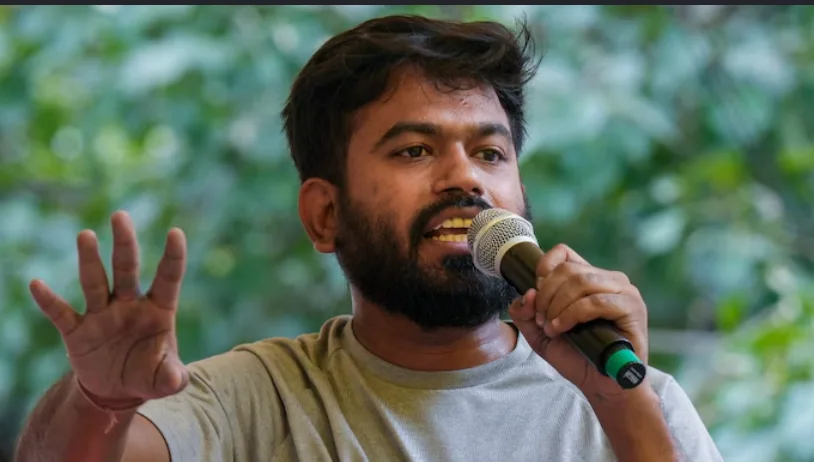
NSUI President Vinod Jakhar also visited the site and questioned the government over alleged lapses in safety standards.

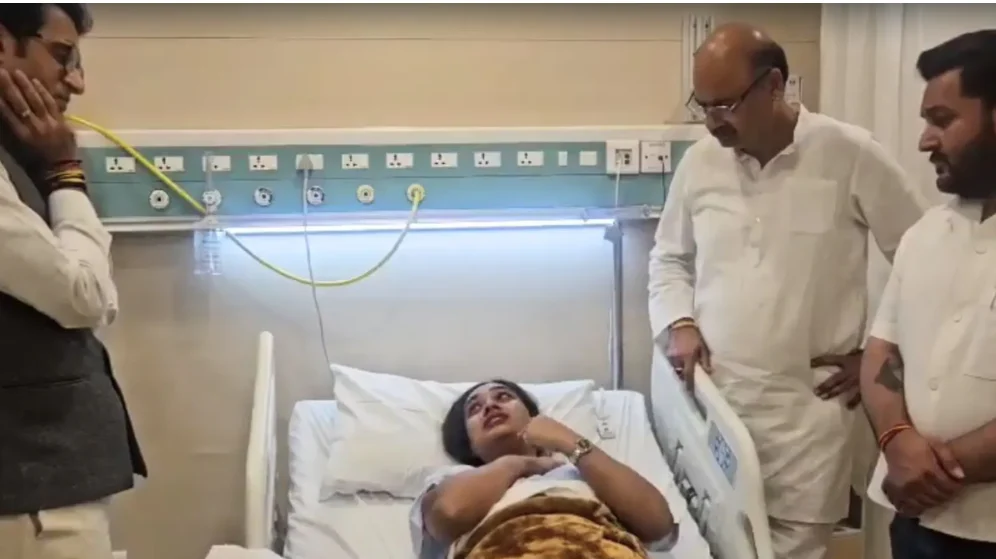
NSUI workers staged a protest at the location but were later removed by police. Members of the organisation also participated in rescue-related efforts, while Jakhar visited AIIMS to meet injured people.

The organisation’s election in-charge Akhilesh Yadav also questioned the government over the incident while stating that NSUI workers were working to assist those affected.

Satya Niketan collapse becomes DUSU election issue

The building collapse has occurred ahead of the Delhi University Students’ Union elections, adding another issue to the political contest between ABVP and NSUI.

Both student organisations have also released helpline numbers through their social media platforms and asked their workers to remain deployed at hospitals to assist students and families.

The Satya Niketan incident has therefore put two issues in focus: the safety and affordability of private accommodation for Delhi University students and accountability over buildings being used for such accommodation.

With DUSU elections approaching, student safety and housing conditions are also expected to remain part of the political discussion on the campus.

Continue Reading

India News

3 dead, several trapped after six-storey building collapses in Delhi, rescue operations continue

Three people died and two were critically injured after a six-storey PG building collapsed in Delhi’s Satya Niketan. Several others are feared trapped.

Published

on

Three people have died and two others are critically injured after a six-storey building collapsed in Delhi’s Satya Niketan on Sunday afternoon. Several more people are feared trapped under the debris as rescue operations continue at the site.

Nine people have been rescued so far, while authorities are searching for others who may still be trapped. The building, which was being used as a 75-bed paying guest accommodation, collapsed at around 1:30 pm, according to officials.

Building was being used as a PG accommodation

According to police, the building was around 40 to 50 years old and consisted of a basement and five upper floors. It was being used as a paying guest accommodation, with repair work reportedly underway in the basement when the collapse occurred.

The building was located in Satya Niketan, near Delhi University’s South Campus, an area with a large student population.

An eyewitness said at least 50 students were believed to have been inside the building when it collapsed. A student at the scene also reported hearing cries for help from beneath the rubble.

Rescue operation underway

Teams from the Delhi Police, National Disaster Response Force, Delhi Fire Service and Delhi Disaster Management Authority have been deployed for the rescue operation.

At least 12 fire tenders have been sent to the spot. An excavator has also been deployed, while additional machinery is being brought in to remove concrete slabs and girders from the debris.

Locals were also seen helping with the initial search before rescue teams and machinery reached the site.

The adjacent building has been vacated as a precautionary measure, Delhi Chief Minister Rekha Gupta said. She added that rescue work was being carried out on a war footing and that authorities were coordinating efforts to assist those affected.

Government agencies coordinate rescue efforts

Delhi Lieutenant Governor Taranjit Singh Sandhu said concerned agencies, including the Delhi Police, Delhi Fire Service and DDMA, had been directed to work together to ensure swift rescue operations.

Local BJP MLA Anil Sharma, who was at the site, said some students were still believed to be trapped and that some were reportedly making calls from inside the collapsed structure.

AAP leader Saurabh Bharadwaj blamed alleged corruption for the incident and raised questions about building safety and inspections. His comments were political allegations and no official cause for the collapse has been established in the report.

Continue Reading

India News

PM Modi takes aim at critics with Dimagi Naxal remark at SRCC centenary address

PM Modi revived his dimagi Naxal remark at SRCC’s centenary celebrations and spoke about India’s development journey.

Published

on

PM Modi

Prime Minister Narendra Modi revived his ‘dimagi Naxal’ remark while addressing the centenary celebrations of Shri Ram College of Commerce (SRCC) in Delhi on Saturday, using the term to criticise his opponents.

Speaking to students at the Delhi college, PM Modi described the phrase as a “homeopathic pill” and said it had prompted those he described as “dimagi Naxals” to come forward and reveal their views.

The prime minister also used his address to speak to Gen-Z about India’s development journey and asked students to consider the challenges the country had faced in the past.

PM Modi recalls past crises

During his speech, PM Modi referred to the 2013 Kedarnath disaster and the 2008 global financial crisis while criticising the handling of national emergencies by previous governments.

He said the government at the time of the Kedarnath disaster was shaken and questioned its ability to respond to the crisis.

Referring to the 2008 banking crisis, PM Modi alleged that the government of the time failed to effectively deal with the situation and claimed that India’s banking system was pushed close to collapse.

Prime minister lists challenges faced by his government

PM Modi also highlighted several major global crises that occurred during his government’s tenure.

He mentioned the COVID-19 pandemic, the Russia-Ukraine war, disruptions to global trade and supply chains, and the crisis in West Asia.

The prime minister said there had been concerns that India would struggle during these crises but argued that the country had continued to move forward.

PM Modi’s earlier SRCC visit

PM Modi had earlier visited SRCC in 2013, when he was the chief minister of Gujarat. His speech at the college received significant attention, particularly on social media, ahead of the 2014 Lok Sabha election.

His latest visit came during the college’s centenary celebrations, where his address focused on young people, India’s development ambitions and the challenges faced by the country.

Continue Reading

Trending

© Copyright 2022 APNLIVE.com