
India News
Modi govt’s flagship schemes flagging, says Parliamentary panel; Govt denies


Prime Minister Narendra Modi’s top six infrastructure projects are lagging seriously in implementation.
Parliament’s Standing Committee on Urban development said in its report that Modi government’s high profile flagship schemes, including the Smart Cities initiative, had spent just about a fifth of the total funds allocated for them: 21.6% out of Rs. 48,548.64 crore.
The report raises serious questions about “the on-the-ground implementation of Prime Minister Narendra Modi’s most high profile national programs”, said a Bloomberg report.
India’s ‘Smart Cities’ program, which Modi has championed, used just 1.8% of the funds released to it, the committee said, or just Rs.182.62 crore out of the allotted Rs. 10,084.20 crore. Other programs to build affordable housing, as well as sewage and drainage facilities, used less than 30% of the available funds, the report said.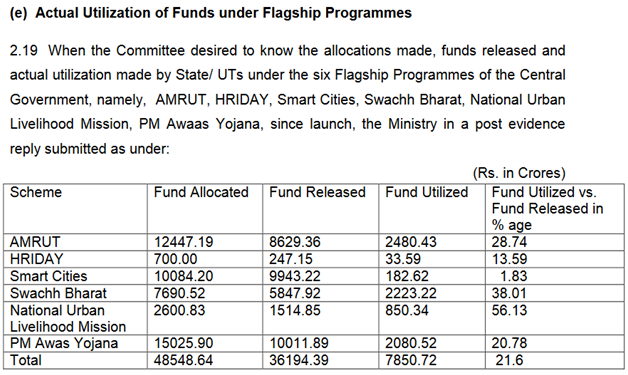
The central government releases funds to states to roll out the initiatives, but the committee said the ministry of housing and urban affairs had “not made realistic projections or proper planning.” Despite the ambitious-sounding goals of some of the programs, such as providing “housing for all”, or ending “open defecation” across India, they suffer from a lack of proper funding, as well as “slack implementation”, the committee said.
“They’re coming up with all these grand schemes,” Pinaki Misra, Biju Janta Dal MP was quoted by Bloomberg as saying. “Too much has been promised, by way of too many projects, with too many fancy acronyms, that haven’t really been thought through.”
The government rejected that view, said Bloomberg. The small spending amounts in the report don’t accurately reflect construction work being done, said Rajeev Jain, a spokesman for the housing and urban affairs ministry, according to the Bloomberg report.
Funds are only considered officially spent once all the work is completed and project managers have sent back utilization certificates proving they have spent the cash, Jain said, adding project managers have up to two years to do so, leading to delays.
Jain said it is not a barometer of the implementation of the project as “payment to a company that is implementing a project is only made when the work is completely over.”
Jain claimed projects worth more than half the allocated funds have been “completed or started,” according to Bloomberg.
Misra, who leads the urban affairs standing committee, said the ministry was “trotting out the usual excuses” by blaming bureaucratic delays in accounting for spent funds, Bloomberg report said. “It’s an age-old gambit when the center doesn’t want to release funds because they don’t have funds,” he said.
The parliamentary report warns that Modi’s well-meaning projects “will remain a distant dream” if they receive only meagre funds.






India News
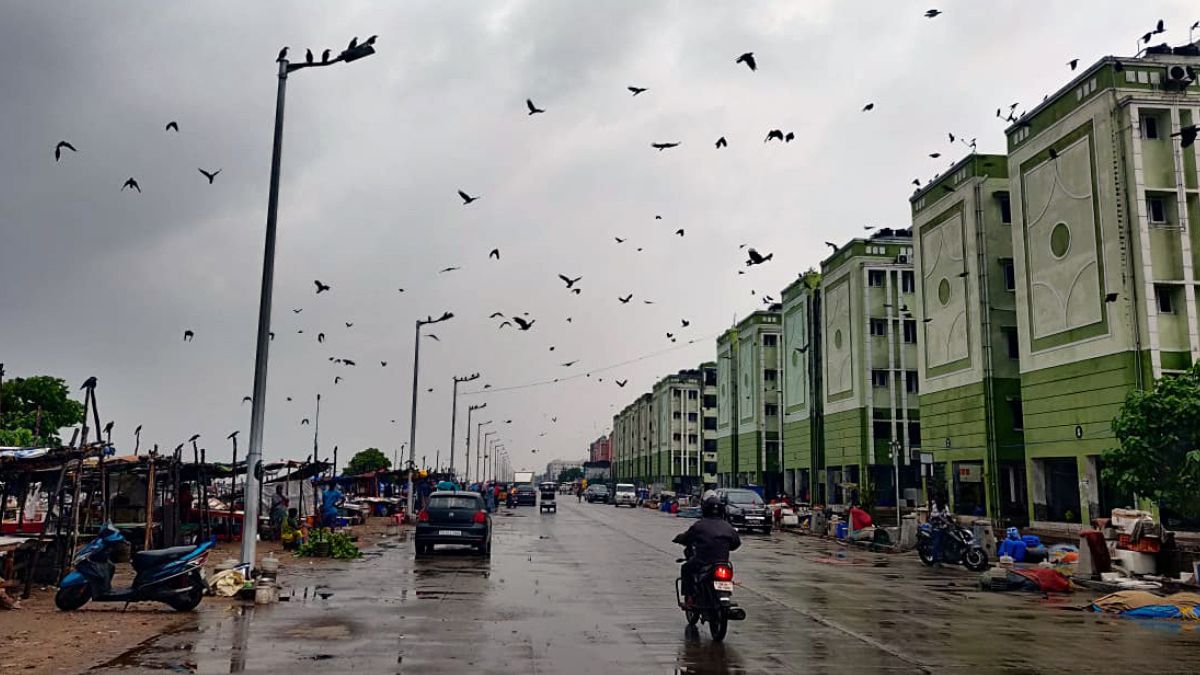
Late-March western disturbance brings 1,000-km rain band across India, Pakistan and Afghanistan
An unusual western disturbance has created a 1,000-km rain band, bringing widespread storms, rainfall and hail across parts of India and neighbouring countries.

India News
Mamata Banerjee slams poll body over officials’ transfer, calls move unprecedented
Mamata Banerjee has criticised the Election Commission for transferring senior officials ahead of West Bengal elections, alleging bias and procedural overreach.

India News
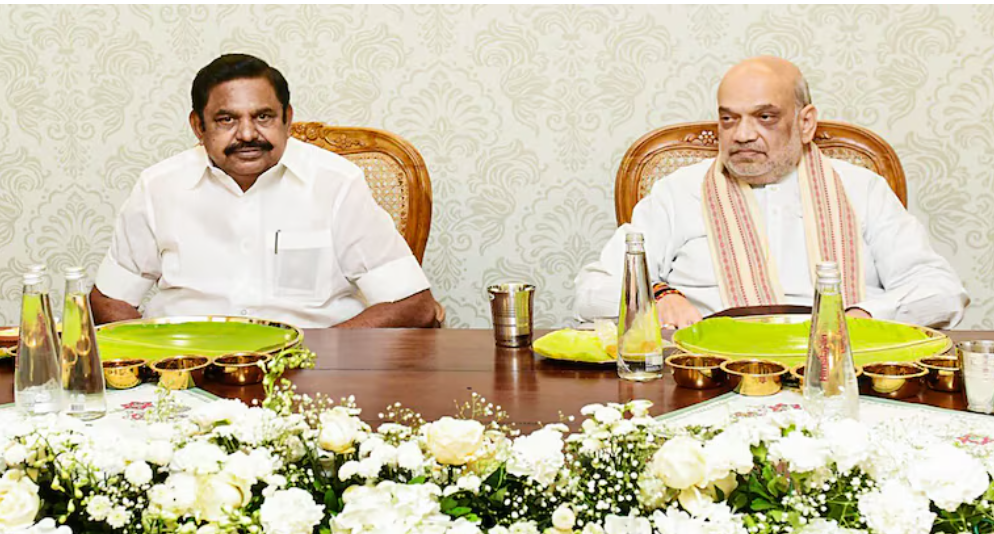
AIADMK-BJP seat-sharing talks to be finalised soon, says Edappadi K Palaniswami after Amit Shah meet
AIADMK chief Edappadi K Palaniswami says seat-sharing talks with BJP are in final stages and will conclude within days ahead of Tamil Nadu 2026 elections.

Mamata Banerjee slams poll body over officials’ transfer, calls move unprecedented

PM Modi speaks to Qatar, France, Jordan, Oman and Malaysia leaders on Middle East tensions

Oppo K14 5G launched in India with 7000mAh battery, starts at Rs 17,999

AIADMK-BJP seat-sharing talks to be finalised soon, says Edappadi K Palaniswami after Amit Shah meet

Late-March western disturbance brings 1,000-km rain band across India, Pakistan and Afghanistan

Eid Mubarak 2026 wishes and greetings highlight joy and togetherness

Bangladesh envoy meets S Jaishankar, Dhaka foreign minister may visit India in April
Late-March western disturbance brings 1,000-km rain band across India, Pakistan and Afghanistan
Oppo K14 5G launched in India with 7000mAh battery, starts at Rs 17,999
Mamata Banerjee slams poll body over officials’ transfer, calls move unprecedented

Afghan Men Try To Hang With The Jet Engine Of The Aircraft in Kabul- Afghanistan News – Kabul News
Trending Top 10 News: 10000 Crore Fine on Flipkart, Apple to Launch Unique Feature, Hdfc Bank Job Ad

Trending Top 10 News: Nokia 6310, Apple sales, Bachpan ka Pyar Video Kid, Dainik Bhaskar IT Raid

Trending Top 10 News: Canada bans Indian flights, Rain in Delhi NCR, AIMIM Twitter hacked, Raj Kundra case

Trending Top 10 News: Shein India, Apple New Service, Pocket Oxygen, Oppo Launched New Phone
-
 India News13 hours ago
Mamata Banerjee slams poll body over officials’ transfer, calls move unprecedented
-
 Latest world news14 hours ago
PM Modi speaks to Qatar, France, Jordan, Oman and Malaysia leaders on Middle East tensions
-
 Gadgets13 hours ago
Oppo K14 5G launched in India with 7000mAh battery, starts at Rs 17,999
-
 India News14 hours ago
AIADMK-BJP seat-sharing talks to be finalised soon, says Edappadi K Palaniswami after Amit Shah meet
-
 India News8 hours ago
Late-March western disturbance brings 1,000-km rain band across India, Pakistan and Afghanistan
-
 Latest world news3 hours ago
Bangladesh envoy meets S Jaishankar, Dhaka foreign minister may visit India in April
-
 Festivals3 hours ago
Eid Mubarak 2026 wishes and greetings highlight joy and togetherness
