
India News
Modi govt’s flagship schemes flagging, says Parliamentary panel; Govt denies


Prime Minister Narendra Modi’s top six infrastructure projects are lagging seriously in implementation.
Parliament’s Standing Committee on Urban development said in its report that Modi government’s high profile flagship schemes, including the Smart Cities initiative, had spent just about a fifth of the total funds allocated for them: 21.6% out of Rs. 48,548.64 crore.
The report raises serious questions about “the on-the-ground implementation of Prime Minister Narendra Modi’s most high profile national programs”, said a Bloomberg report.
India’s ‘Smart Cities’ program, which Modi has championed, used just 1.8% of the funds released to it, the committee said, or just Rs.182.62 crore out of the allotted Rs. 10,084.20 crore. Other programs to build affordable housing, as well as sewage and drainage facilities, used less than 30% of the available funds, the report said.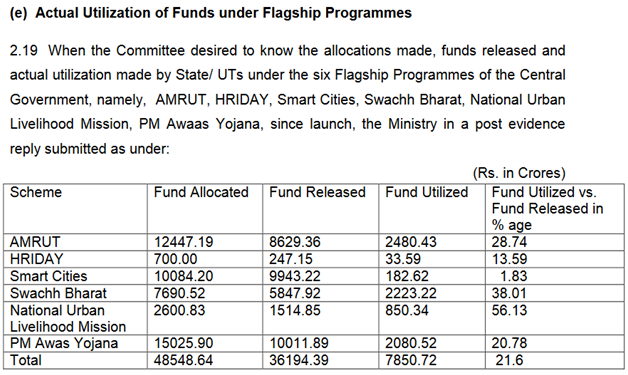
The central government releases funds to states to roll out the initiatives, but the committee said the ministry of housing and urban affairs had “not made realistic projections or proper planning.” Despite the ambitious-sounding goals of some of the programs, such as providing “housing for all”, or ending “open defecation” across India, they suffer from a lack of proper funding, as well as “slack implementation”, the committee said.
“They’re coming up with all these grand schemes,” Pinaki Misra, Biju Janta Dal MP was quoted by Bloomberg as saying. “Too much has been promised, by way of too many projects, with too many fancy acronyms, that haven’t really been thought through.”
The government rejected that view, said Bloomberg. The small spending amounts in the report don’t accurately reflect construction work being done, said Rajeev Jain, a spokesman for the housing and urban affairs ministry, according to the Bloomberg report.
Funds are only considered officially spent once all the work is completed and project managers have sent back utilization certificates proving they have spent the cash, Jain said, adding project managers have up to two years to do so, leading to delays.
Jain said it is not a barometer of the implementation of the project as “payment to a company that is implementing a project is only made when the work is completely over.”
Jain claimed projects worth more than half the allocated funds have been “completed or started,” according to Bloomberg.
Misra, who leads the urban affairs standing committee, said the ministry was “trotting out the usual excuses” by blaming bureaucratic delays in accounting for spent funds, Bloomberg report said. “It’s an age-old gambit when the center doesn’t want to release funds because they don’t have funds,” he said.
The parliamentary report warns that Modi’s well-meaning projects “will remain a distant dream” if they receive only meagre funds.








India News
Centre sends 3 letters to Punjab government after anti-drug activist’s killing
The Centre has sought reports from the Punjab government on three incidents linked to allegations surrounding drug-related activities, including the killing of anti-drug activist Parvinder Singh Jhota.

India News
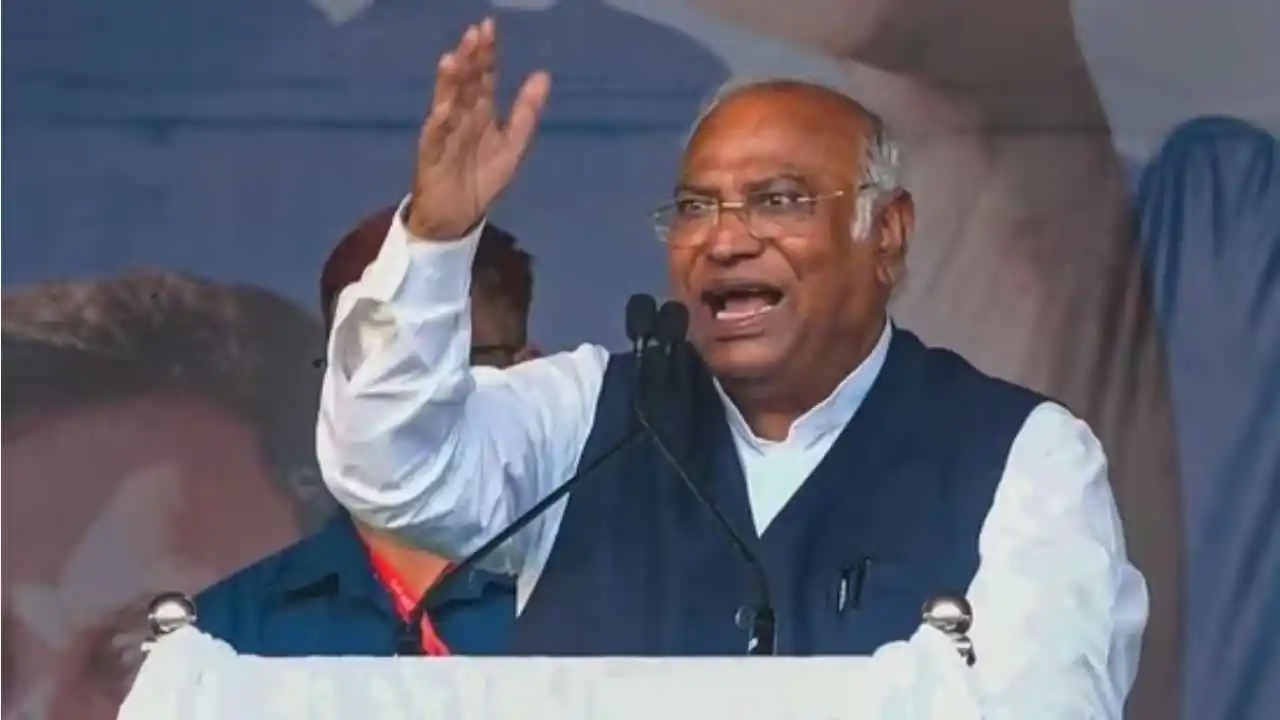
Mallikarjun Kharge seeks all-party meeting with PM Modi on delimitation
Congress president Mallikarjun Kharge has written to Prime Minister Narendra Modi for the fourth time, seeking an all-party meeting on delimitation. He also flagged the 64-day delay in proroguing Parliament’s Monsoon Session.
India News
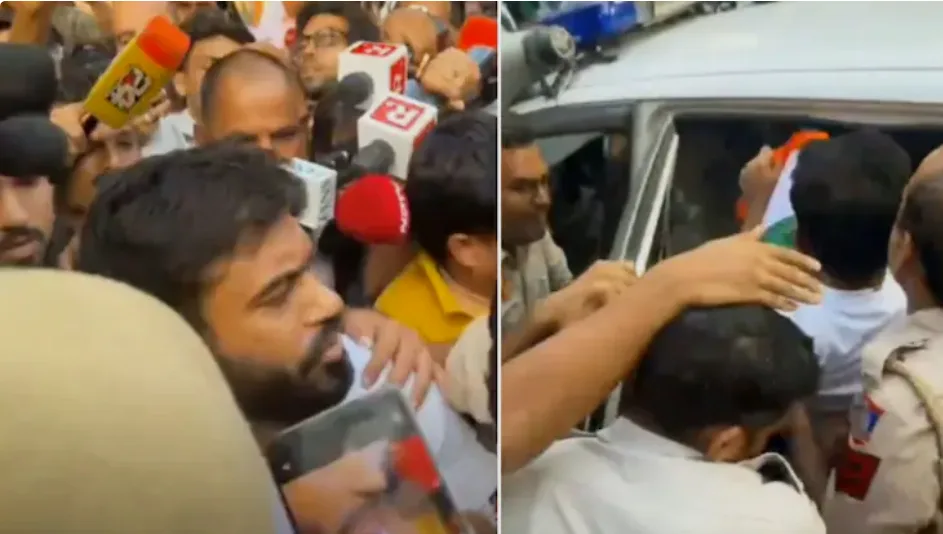
Abhijeet Dipke detained ahead of CJP’s national flag march in Delhi
Cockroach Janta Party founder Abhijeet Dipke was detained by Delhi Police on October 16, 2026, shortly before a planned national flag march. The proposed rally followed the judicial custody of two CJP members who had waved the Tricolour at Jantar Mantar.

Mallikarjun Kharge’s ‘Your Friends’ jab at Rahul Gandhi over congress exits

Magnitude 7 earthquake strikes Russia’s Kamchatka Peninsula

Delhi deploys 25,000 personnel, installs CCTV cameras ahead of CJP march

Abhijeet Dipke detained ahead of CJP’s national flag march in Delhi

Mallikarjun Kharge seeks all-party meeting with PM Modi on delimitation

Centre sends 3 letters to Punjab government after anti-drug activist’s killing
Mallikarjun Kharge seeks all-party meeting with PM Modi on delimitation
Abhijeet Dipke detained ahead of CJP’s national flag march in Delhi
Magnitude 7 earthquake strikes Russia’s Kamchatka Peninsula
Delhi deploys 25,000 personnel, installs CCTV cameras ahead of CJP march

Afghan Men Try To Hang With The Jet Engine Of The Aircraft in Kabul- Afghanistan News – Kabul News
Trending Top 10 News: 10000 Crore Fine on Flipkart, Apple to Launch Unique Feature, Hdfc Bank Job Ad

Trending Top 10 News: Nokia 6310, Apple sales, Bachpan ka Pyar Video Kid, Dainik Bhaskar IT Raid

Trending Top 10 News: Canada bans Indian flights, Rain in Delhi NCR, AIMIM Twitter hacked, Raj Kundra case

Trending Top 10 News: Shein India, Apple New Service, Pocket Oxygen, Oppo Launched New Phone
-
 India News12 hours ago
Mallikarjun Kharge’s ‘Your Friends’ jab at Rahul Gandhi over congress exits
-
 Latest world news12 hours ago
Magnitude 7 earthquake strikes Russia’s Kamchatka Peninsula
-
 India News12 hours ago
Delhi deploys 25,000 personnel, installs CCTV cameras ahead of CJP march
-
 India News3 hours ago
Abhijeet Dipke detained ahead of CJP’s national flag march in Delhi
-
 India News2 hours ago
Mallikarjun Kharge seeks all-party meeting with PM Modi on delimitation
-
 India News55 mins ago
Centre sends 3 letters to Punjab government after anti-drug activist’s killing
