English हिन्दी
Connect with us

India News

Nitin Gadkari flags Delhi air pollution, says two-day stay causes infection

Union minister Nitin Gadkari says spending two days in Delhi leads to infection, flags fossil fuel use as a major cause of pollution and calls for alternative energy solutions.


Published

on

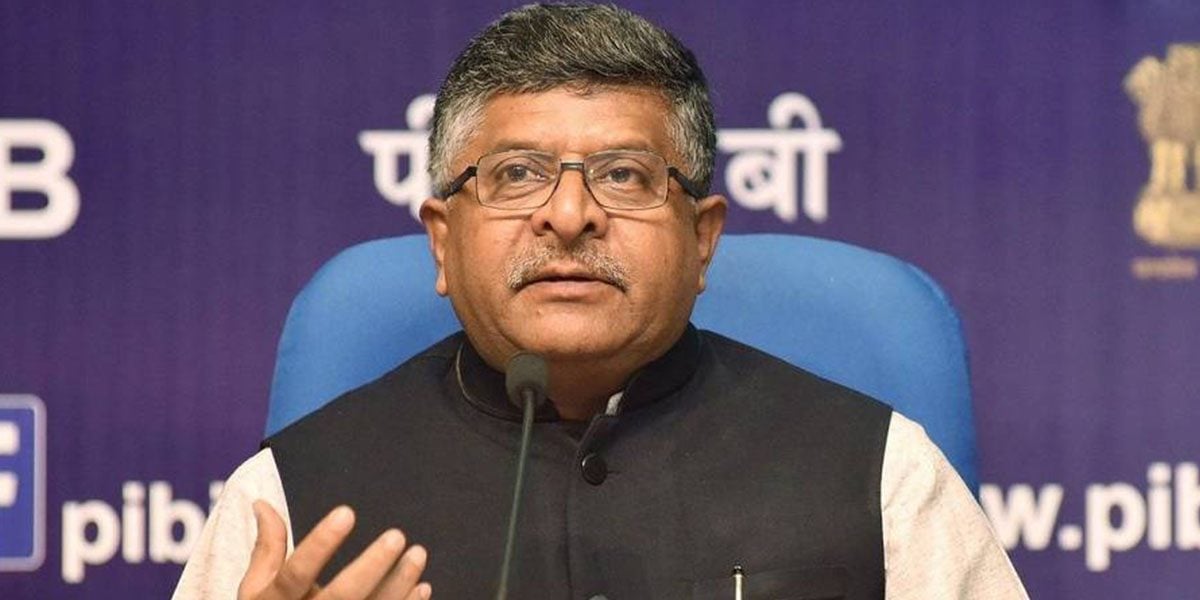
Union Minister Nitin Gadkari

Delhi’s worsening air quality has drawn sharp criticism from within the ruling BJP, with Union minister Nitin Gadkari saying that even a brief stay in the national capital affects his health.

Speaking at a public event in Delhi, Gadkari remarked that spending just two days in the city results in an infection, raising questions over why the capital continues to struggle with severe pollution levels. His comments come at a time when the Air Quality Index has remained in the ‘very poor’ and ‘severe’ categories for weeks.

The Union minister, who handles the road transport and highways portfolio, acknowledged that the transport sector plays a major role in pollution. He said around 40 per cent of pollution is linked to fossil fuel usage and pointed out that India spends nearly Rs 22 lakh crore on importing fossil fuels, which also contributes to environmental damage.

Gadkari pushes for alternative fuels and exports

Gadkari stressed that promoting alternative fuel and biofuel technologies should be seen as a form of true nationalism. He argued that reducing imports and increasing exports would strengthen the country economically while also addressing pollution. According to him, resistance to eco-friendly technologies remains a major hurdle despite their long-term benefits.

Remarks on communal issues and secularism

During the same address, Gadkari said it was incorrect to label every Muslim as a terrorist, emphasising that there are varying degrees of extremism. He cited former President A P J Abdul Kalam as a national icon and underlined the importance of education, especially among marginalised sections.

He further claimed that Hindu-Muslim tensions in the country are a result of vote bank politics pursued by the Congress. Defining secularism as “justice for all”, Gadkari said policies driven by electoral considerations had created divisions. He asserted that Indian culture is neither communal nor casteist and described Hindutva as tolerant and inclusive.

Reiterating views earlier expressed by former prime minister Atal Bihari Vajpayee, Gadkari said India was, is, and will remain a secular country, rooted in its cultural traditions that advocate welfare for all.

Political reactions over pollution issue

The BJP-led governments at the Centre and in Delhi have faced criticism over their handling of air pollution. Congress leader Imran Masood responded to Gadkari’s remarks by saying that the minister had at least acknowledged the seriousness of the problem. He added that pollution cannot be attributed only to vehicles, noting that similar vehicles operate outside Delhi as well.

India News

Over 2,000 trucks stranded on Manipur’s NH-2 as Kuki and Naga blockades continue

Rival blockades by Kuki and Naga groups have disrupted movement on Manipur’s NH-2, leaving thousands of trucks stranded and affecting essential supplies.

Published

on

Thousands of trucks remained stranded along National Highway-2 in Manipur as rival blockades and shutdowns by Kuki and Naga organisations continued, severely affecting the movement of essential supplies and passenger vehicles across the state.

The crisis follows tensions triggered by the May 13 ambush incident in the hill districts, which led to allegations of abduction and detention from both communities. The parallel protests have disrupted transport on NH-2, considered one of Manipur’s key lifelines connecting the state with Nagaland.

The United Naga Council announced an inter-district economic blockade in Naga-inhabited areas, claiming that several Naga civilians, including pastors, are still missing despite search operations and repeated appeals to authorities.

At the same time, Kuki Inpi Manipur extended its shutdown for another 48 hours, alleging that the government had failed to rescue missing Kuki persons reportedly taken hostage in Senapati district.

The prolonged blockade has caused major hardship for truck drivers and passengers stranded on the highway, with reports of shortages of food, drinking water and other essentials. Local residents, Assam Rifles personnel and transport unions have been assisting stranded travellers with relief materials.

Officials said security forces have intensified search and domination operations in vulnerable areas of Churachandpur and Kangpokpi districts following intelligence inputs regarding militant movement. Surveillance and combing operations have also been stepped up in sensitive hill regions to restore normalcy.

Authorities earlier stated that over 38 people were initially reported missing after the violence, though 32 individuals have since returned safely. Efforts are continuing to trace those who are still unaccounted for.

Continue Reading

India News

Border fencing: Bengal government clears land proposals to strengthen India-Bangladesh boundary

The new Bengal government has approved long-pending land proposals for border fencing and highway projects aimed at improving security and regional connectivity.

Published

on

The new government in West Bengal has approved several pending land proposals linked to border security and infrastructure development along the India-Bangladesh border. The decision comes weeks after the BJP-led administration under Chief Minister Suvendu Adhikari assumed office in the state.

According to reports, the state cabinet has decided to release more than 600 acres of land for fencing work across border districts. Officials said the move is aimed at strengthening security along the nearly 2,200-km India-Bangladesh border in West Bengal, where fencing work on several stretches had remained incomplete.

Sources said around 1,600 km of the border is already fenced, while work on the remaining stretches had faced delays over land acquisition and administrative clearances during the previous Trinamool Congress government led by Mamata Banerjee.

The state government has also reportedly approved the transfer of nearly 120 acres near the strategically important Siliguri Corridor, commonly known as the “Chicken’s Neck” area, to strengthen national security infrastructure in North Bengal.

Apart from border-related projects, the Bengal cabinet has cleared the handover of seven highway stretches to the National Highways Authority of India and the National Highways and Infrastructure Development Corporation Limited for development work. Officials said the projects had been pending for nearly a year due to the absence of formal approvals.

The highway projects are expected to improve connectivity across North Bengal and border districts including Malda, Murshidabad, Nadia and North 24 Parganas. The upgraded routes are also likely to strengthen links with Sikkim, Bhutan and Bangladesh.

The decision is expected to formally take effect after agreements are signed between the state government and the Border Security Force in the coming weeks.

Continue Reading

India News

GRAP-I pollution curbs imposed in Delhi-NCR as AQI turns poor

Delhi-NCR authorities have enforced GRAP Stage I anti-pollution restrictions after AQI levels deteriorated to the poor category amid unfavourable weather conditions.

Published

on

The Commission for Air Quality Management (CAQM) has enforced Stage I of the Graded Response Action Plan (GRAP) across Delhi-NCR after the region’s air quality slipped into the “poor” category. Authorities said unfavourable weather conditions were contributing to rising pollution levels in the national capital and surrounding areas.

According to CAQM, Delhi’s Air Quality Index (AQI) crossed the threshold that triggers GRAP-I restrictions, which are imposed when AQI levels remain between 201 and 300. Forecasts by the India Meteorological Department (IMD) and the Indian Institute of Tropical Meteorology (IITM) indicate that air quality may continue to remain in the poor category over the coming days.

The restrictions include stricter dust control measures at construction and demolition sites, intensified road cleaning, water sprinkling, and checks on polluting vehicles. Open burning of waste and the use of coal or wood in commercial eateries are also prohibited under the first stage of GRAP.

Officials said all agencies concerned across NCR have been directed to closely monitor the implementation of pollution-control measures to prevent further deterioration in air quality. The CAQM sub-committee will continue reviewing the situation based on weather forecasts and pollution trends.

GRAP is a set of emergency anti-pollution measures implemented in phases depending on AQI levels. Stage I is activated under the “poor” category, while stricter curbs are introduced as pollution levels worsen.

Continue Reading

Trending

© Copyright 2022 APNLIVE.com