
India News
Now self-styled godman Mahant Pratibhanand arrested for BSP leader’s murder

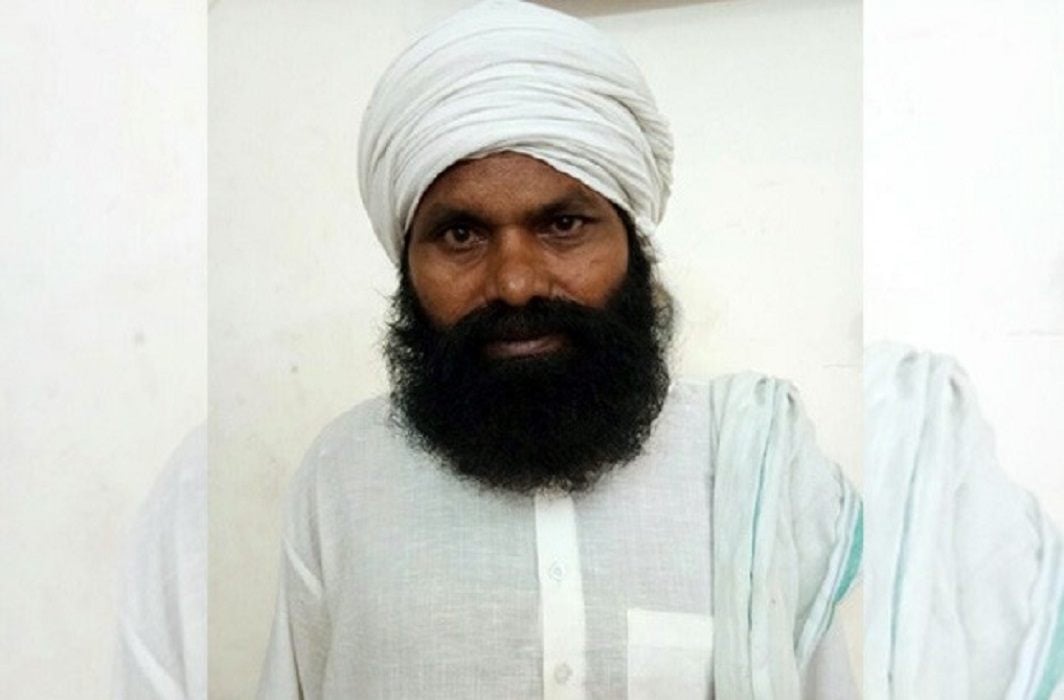
[vc_row][vc_column][vc_column_text]Pratibhanand, who carried a bounty of Rs 1 lakh, was on the run since BSP leader Deepak Bhardwaj’s murder in 2013
These are bad times for self-styled godmen. With Dera Sacha Sauda chief Gurmeet Ram Rahim Singh convicted for raping two of his female followers and Asaram Bapu on trial for rape cases, the latest godman to join the rogue’s gallery is the lesser known Mahant Pratibhanand.
On Friday night, the Ghaziabad police arrested the self-styled godman, also called Baba Pratibhanand by some, for his alleged role in the murder of BSP leader and businessman Deepak Bhardwaj.
“Pratibhanand was arrested from Ghaziabad junction by a police team. A pistol was found in his possession and he has been booked under provisions of the Arms Act. After getting information that he was roaming around Ghaziabad railway junction, we launched a manhunt with several teams and nabbed him,” said Akash Tomar, superintendent of police (city), Ghaziabad. Tomar added that the Delhi police – which had announced a bounty of Rs 1 lakh for information on Pratibhanand’s whereabouts – had been informed of the arrest and could take over his custody over the weekend after due legal processes are completed.
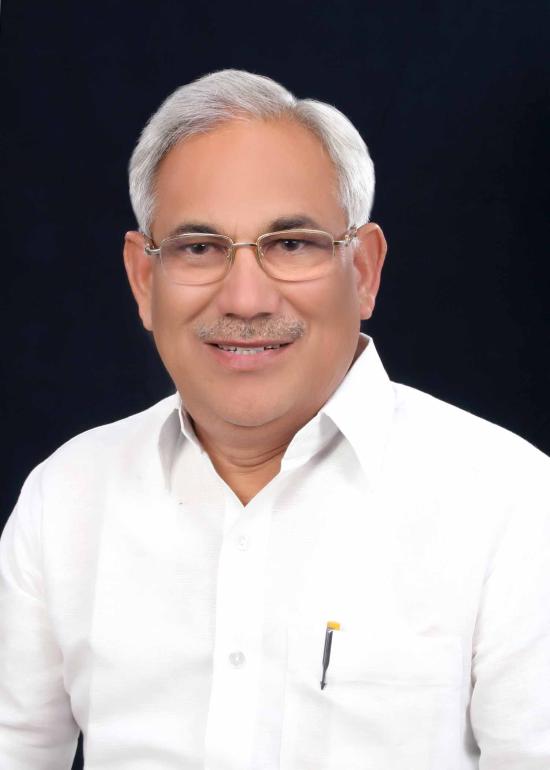
File photo of Deepak Bhardwaj
Bhardwaj, who had shot to fame in 2009 when he contested from the West Delhi Lok Sabha constituency as a BSP candidate and declared assets worth Rs 600 crore – the highest net worth of any candidate in the electoral fray that year – was murdered at his farm house near Vasant Kunj in New Delhi on March 26, 2013.
While the Delhi police, which was investigating the case, had established the motive behind the murder to be a property dispute between Bhardwaj and his younger son – Nitesh, who along with several of his accomplices had been arrested shortly after the incident, Pratibhanand had been absconding for the past four years.
It is learnt that in his confession before the Delhi police, Nitesh had claimed that it was Pratibhanand who had provided him with contacts for Purushottam Rana alias Monu and Sunil Mann, the two shooters who gunned down Bhardwaj at his farm house called Nitesh Kunj.
Police sources said that Pratibhanand, whose real name is Machendra Nath, had demanded Rs 5 crore from Nitesh to arrange the killing of Bhardwaj. A resident of Beed in Maharashtra, Pratibhanand allegedly nursed ambitions of setting up his own ashram in Haridwar in a bid to emphasise his stature as a godman and had hoped to use the money received from Nitesh for this purpose.[/vc_column_text][/vc_column][/vc_row]





India News
Delhi Police offers 11-person limit for CJP’s Connaught Place protest
Delhi Police has offered to facilitate a group of 11 people at Central Park in Connaught Place for the Cockroach Janata Party’s October 16 protest, while warning that violations of prohibitory orders could invite legal action.


India News
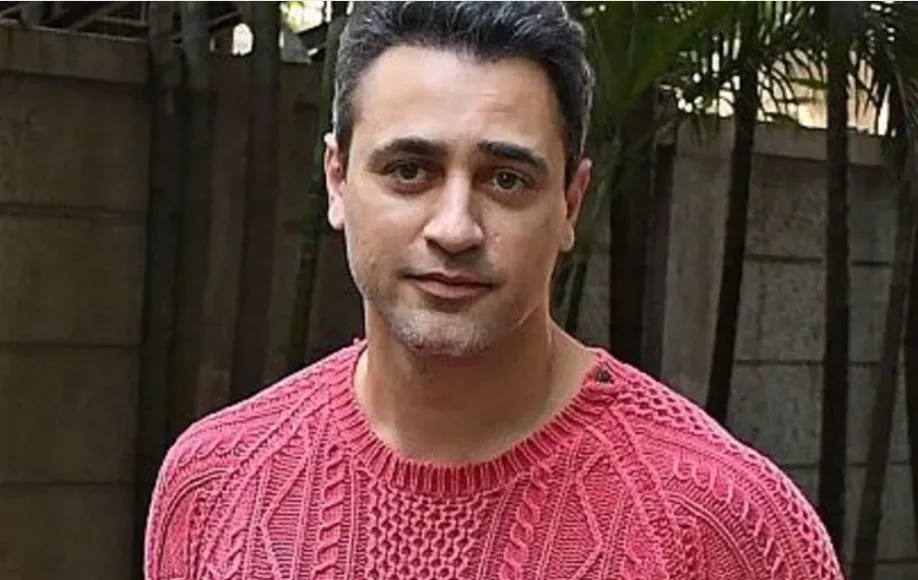
Actor Imran Khan asked to leave India after CJP protest
Actor Imran Khan has been asked to leave India by October 28, days after participating in a protest called by the Cockroach Janta Party (CJP) in Mumbai.
India News
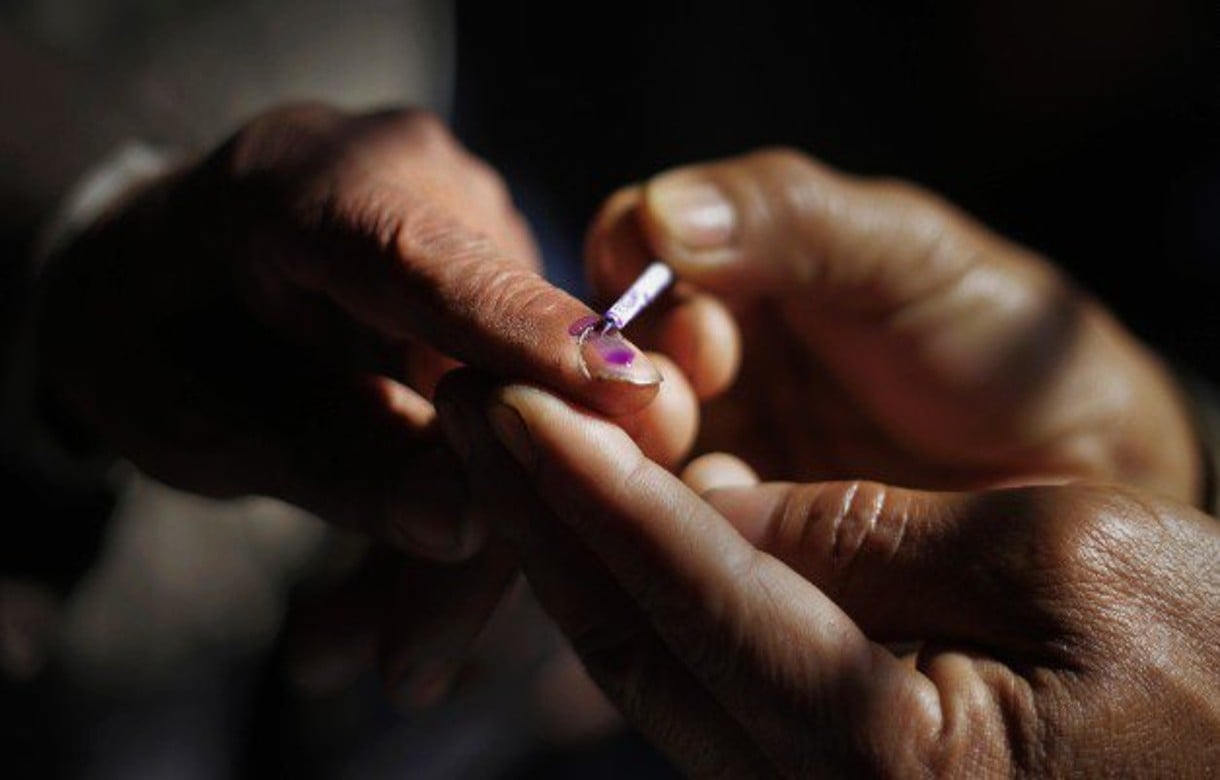
Election Commission orders voter roll revision in 17 states, UTs
The Election Commission has ordered a Special Summary Revision of electoral rolls in 17 states and Union Territories. Draft rolls are scheduled for November 12, with final rolls due on January 4, 2027.

Dhruv Rathee gets fresh summons in 2018 BJP IT cell video case

Nobody can browbeat judiciary, Chief Justice warns over Rahul Gandhi’s march

India-US trade deal first phase finalised, drafting underway

Election Commission orders voter roll revision in 17 states, UTs

Actor Imran Khan asked to leave India after CJP protest

Delhi Police offers 11-person limit for CJP’s Connaught Place protest
Actor Imran Khan asked to leave India after CJP protest
Election Commission orders voter roll revision in 17 states, UTs
India-US trade deal first phase finalised, drafting underway
Nobody can browbeat judiciary, Chief Justice warns over Rahul Gandhi’s march

Afghan Men Try To Hang With The Jet Engine Of The Aircraft in Kabul- Afghanistan News – Kabul News
Trending Top 10 News: 10000 Crore Fine on Flipkart, Apple to Launch Unique Feature, Hdfc Bank Job Ad

Trending Top 10 News: Nokia 6310, Apple sales, Bachpan ka Pyar Video Kid, Dainik Bhaskar IT Raid

Trending Top 10 News: Canada bans Indian flights, Rain in Delhi NCR, AIMIM Twitter hacked, Raj Kundra case

Trending Top 10 News: Shein India, Apple New Service, Pocket Oxygen, Oppo Launched New Phone
-
 India News20 hours ago
Dhruv Rathee gets fresh summons in 2018 BJP IT cell video case
-
 India News17 hours ago
Nobody can browbeat judiciary, Chief Justice warns over Rahul Gandhi’s march
-
 India News12 hours ago
India-US trade deal first phase finalised, drafting underway
-
 India News10 hours ago
Election Commission orders voter roll revision in 17 states, UTs
-
 India News10 hours ago
Actor Imran Khan asked to leave India after CJP protest
-
 India News8 hours ago
Delhi Police offers 11-person limit for CJP’s Connaught Place protest
