
India News
IPL 2021: Updated standings and qualifying scenarios for Mumbai Indians
Rururaj Gaikwad with 508 runs, hold the orange cap, while Harshal Patel of RCB, holds the purple cap with 26 wickets. The chances to qualify for playoffs are very thin for five-time champions and defending champions Mumbai Indians.

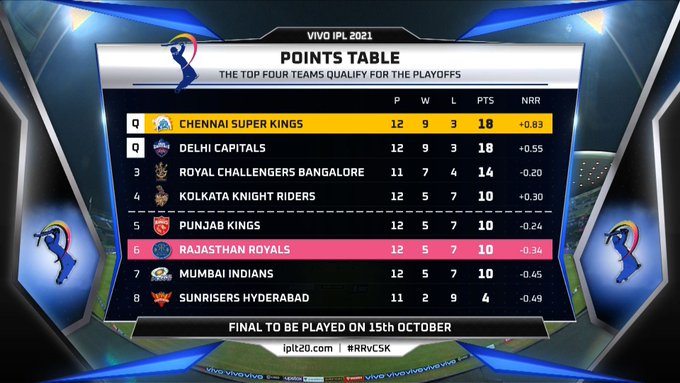
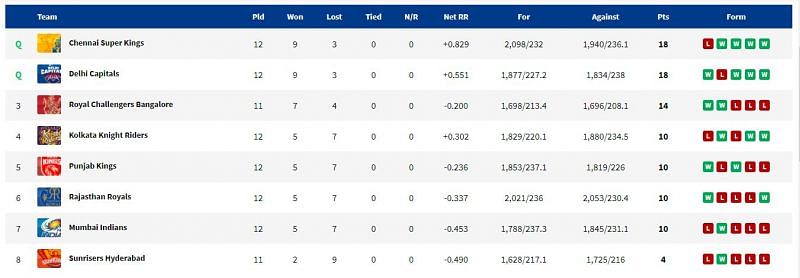
Things in IPL points table are becoming more interesting by each day passing. After Rajasthan royals defeated Chennai Super Kings on Saturday, RR, MI, KKR and PBKS all four teams have possibility to secure 4th and only remaining spot in playoffs. CSK and DC have already qualified, while RCB is also looking strong at third on the table.
IPL Points Table
IPL 2021 Orange Cap
Ruturaj Gaikwad’s century (101 off 60) against Rajasthan on Saturday made sure that he moves to the top of run charts. Gaikwad has the orange cap now, took over KL Rahul as no.1 on the charts. RR’s skipper Sanju Samson and DC’s Shikhar Dhawan are second and third, respectively. Gaikwad has scored 508 runs in 12 matches followed by Rahul’s 489 runs in 11 matches. If somehow, Punjab manages to reach in the playoffs, it’ll be difficult for Gaikwad to hold the position.
IPL 2021 Purple Cap
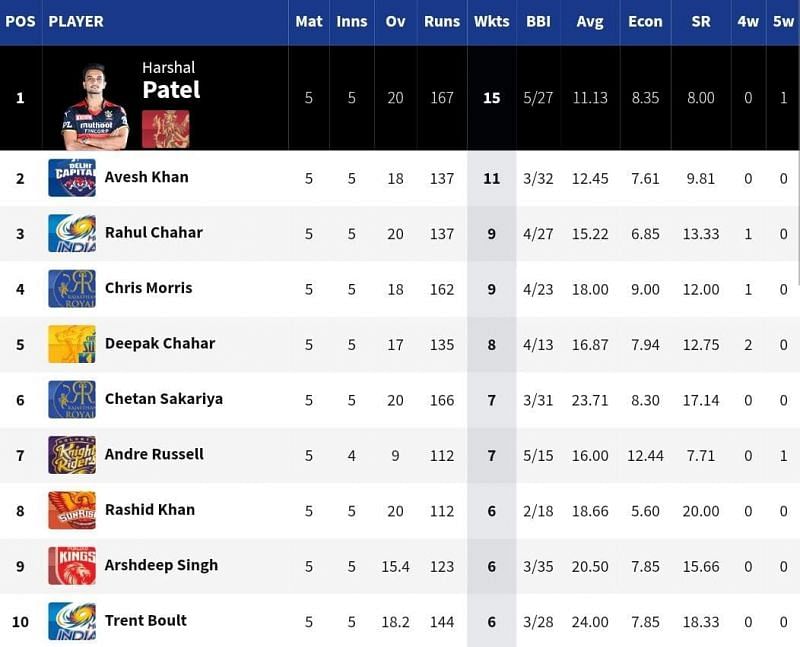
Ever since the start of IPL 2021, Harshal Patel of RCB has been ruling the charts of most wickets with 26 wickets in just 11 matches. His next best competitor is DC’s Avesh Khan who picked 3v wickets against Mumbai Indians on Saturday. MI’s Jasprit Bumrah is third in the list with 16 wickets on his name, followed by Arshdeep Singh at fourth on the charts.
Mumbai Indians chances to qualify for playoffs
There is nothing going right for defending champions in IPL 2021, as they are on the verge of getting out of the playoffs race. This will be a shame for Rohit and co., if they do not make it to the playoffs, regarding the fact that Mumbai Indians are the most successful team in the history of Indian Premier League. The current defending champions have lifted the IPL trophy on as many as five occasions – all under Rohit Sharma. Mumbai Indians have lost 4 of the 5 matches they have played in the UAE leg of IPL 2021.
Read Also: KKR vs SRH Preview: Kolkata look to stay in playoffs race as they face Hyderabad
Mumbai are currently 7th on the points table, and are on the brink of getting out of the playoffs race. In order to make it to top-4, MI have to win remaining two matches against Rajasthan and Hyderabad, that too with big margins, considering their low run-rate.








India News
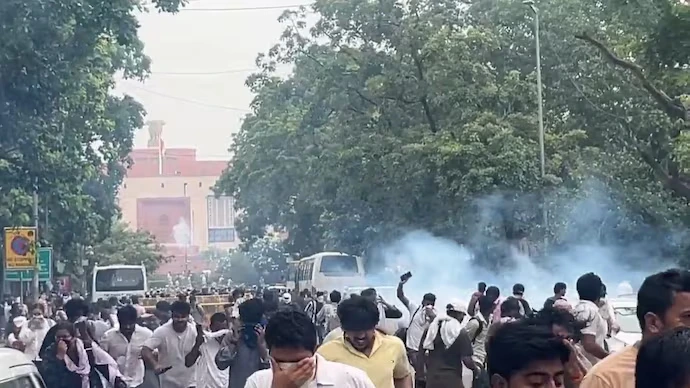
Delhi deploys 25,000 personnel, installs CCTV cameras ahead of CJP march
More than 25,000 police and paramilitary personnel have been deployed in Delhi ahead of the CJP’s planned protest march at Connaught Place. Authorities have also imposed restrictions and stepped up CCTV surveillance.

India News
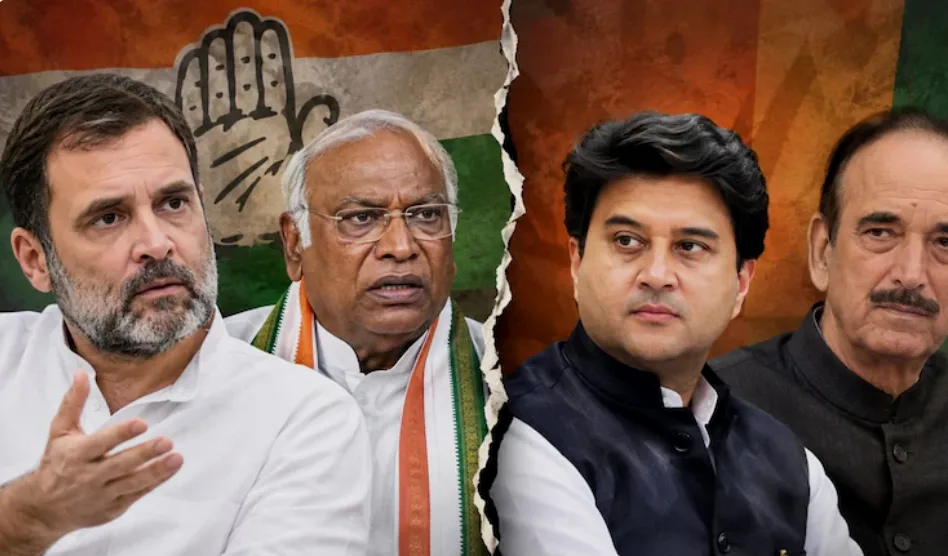
Mallikarjun Kharge’s ‘Your Friends’ jab at Rahul Gandhi over congress exits
Congress president Mallikarjun Kharge took a dig at Rahul Gandhi after the Leader of the Opposition reportedly described former party leaders Jyotiraditya Scindia and Ghulam Nabi Azad as among those who had left the Congress.
India News
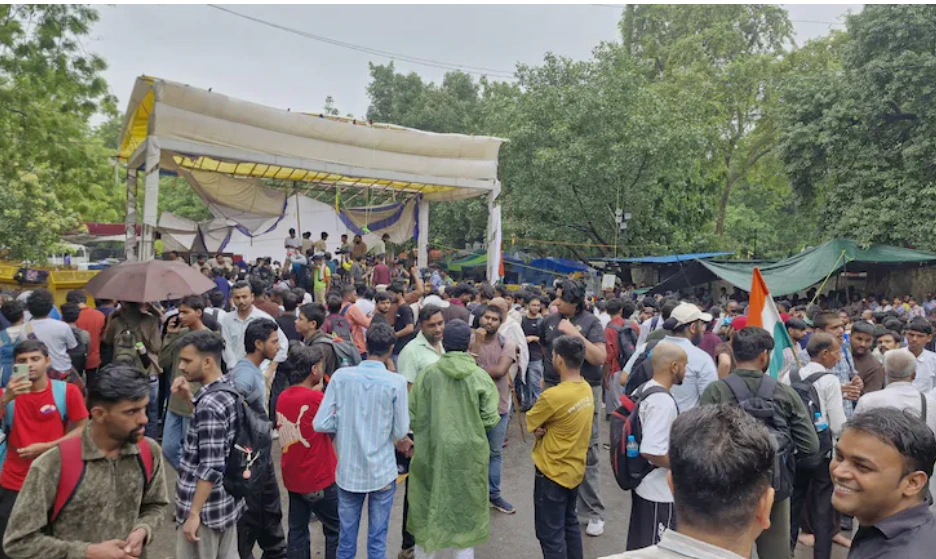
Delhi Police offers 11-person limit for CJP’s Connaught Place protest
Delhi Police has offered to facilitate a group of 11 people at Central Park in Connaught Place for the Cockroach Janata Party’s October 16 protest, while warning that violations of prohibitory orders could invite legal action.

India-US trade deal first phase finalised, drafting underway

Election Commission orders voter roll revision in 17 states, UTs

Delhi Police offers 11-person limit for CJP’s Connaught Place protest

Actor Imran Khan asked to leave India after CJP protest

Mallikarjun Kharge’s ‘Your Friends’ jab at Rahul Gandhi over congress exits

Magnitude 7 earthquake strikes Russia’s Kamchatka Peninsula

Delhi deploys 25,000 personnel, installs CCTV cameras ahead of CJP march
Mallikarjun Kharge’s ‘Your Friends’ jab at Rahul Gandhi over congress exits
Delhi Police offers 11-person limit for CJP’s Connaught Place protest
Actor Imran Khan asked to leave India after CJP protest

Afghan Men Try To Hang With The Jet Engine Of The Aircraft in Kabul- Afghanistan News – Kabul News
Trending Top 10 News: 10000 Crore Fine on Flipkart, Apple to Launch Unique Feature, Hdfc Bank Job Ad

Trending Top 10 News: Nokia 6310, Apple sales, Bachpan ka Pyar Video Kid, Dainik Bhaskar IT Raid

Trending Top 10 News: Canada bans Indian flights, Rain in Delhi NCR, AIMIM Twitter hacked, Raj Kundra case

Trending Top 10 News: Shein India, Apple New Service, Pocket Oxygen, Oppo Launched New Phone
-
 India News24 hours ago
India-US trade deal first phase finalised, drafting underway
-
 India News21 hours ago
Election Commission orders voter roll revision in 17 states, UTs
-
 India News20 hours ago
Delhi Police offers 11-person limit for CJP’s Connaught Place protest
-
 India News21 hours ago
Actor Imran Khan asked to leave India after CJP protest
-
 India News8 hours ago
Mallikarjun Kharge’s ‘Your Friends’ jab at Rahul Gandhi over congress exits
-
 India News8 hours ago
Delhi deploys 25,000 personnel, installs CCTV cameras ahead of CJP march
-
 Latest world news8 hours ago
Magnitude 7 earthquake strikes Russia’s Kamchatka Peninsula
