
India News
Palaniswami wins trust vote

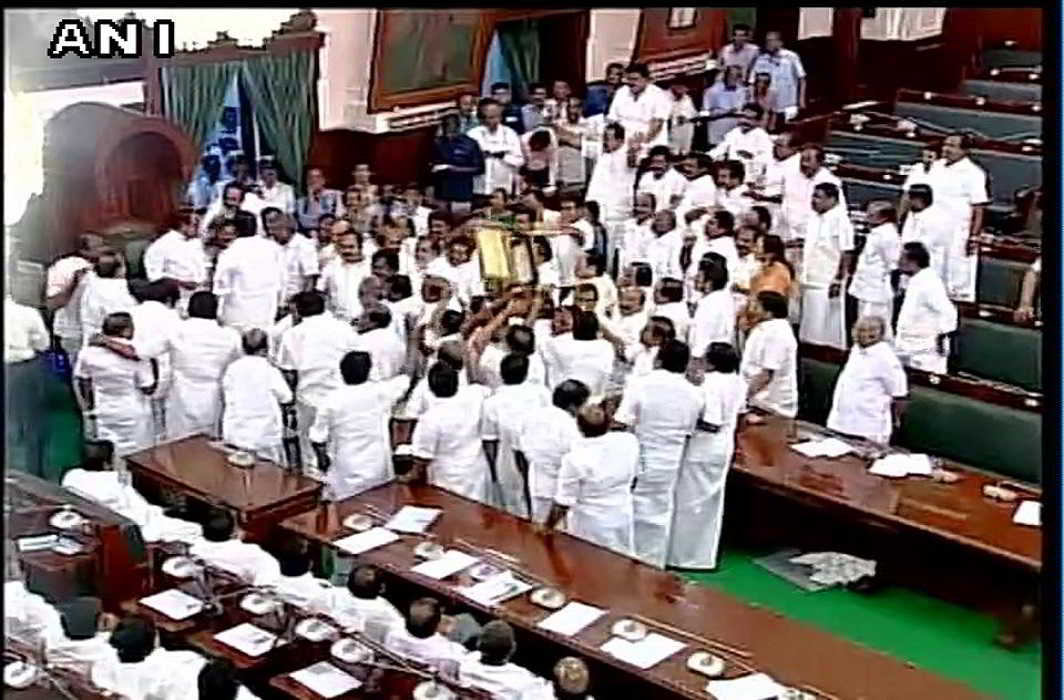
[vc_row][vc_column][vc_column_text]Stormy session sees two adjournments, Speaker roughed up by MLAs
By Sujit Bhar
Tamil Nadu Chief Minister Edappadi K Palaniswami on February 18 won his trust vote and secured his place as the topmost executive in the state.
In a hugely rumbustious and crazy session, adjourned twice with the Speaker manhandled and the opposing DMK, including its leader Stalin ousted, Palaniswami won with his 122 MLAs. Against him were the votes of 11 MLAs which O Panneerselvam could muster. The Congress, too, had walked out.
Tamil Nadu governor C Vidyasagar Rao had given Palaniswami, the newly-sworn chief minister, 15 days to prove his strength on the floor of the house. But 15 days is a long time, and millions can change hands in a jiffy, purchasing support from MLAs and breaking established formations.[/vc_column_text][vc_custom_heading text=”Clever path” font_container=”tag:p|font_size:20px|text_align:left” google_fonts=”font_family:Open%20Sans%3A300%2C300italic%2Cregular%2Citalic%2C600%2C600italic%2C700%2C700italic%2C800%2C800italic|font_style:700%20bold%20regular%3A700%3Anormal”][vc_column_text]Palaniswami thus chose the clever path: Have his floor test on Saturday itself. That would give interested parties less time to haggle and pay MLAs who were eager to make a quick buck on the side. And there surely were many of them.
This took the opposition—DMK—by surprise. They had announced their desire to vote against Palaniswami in the trust vote, and knowing their strength to be just 89 against Palaniswami’s 124, money was arranged. Here is where a third party came into the picture, probably one with an even larger power base around the country and zilch in Tamil Nadu. What they have is oodles of money and none of the ethical hang-ups that a regional party might have.
Hence the first attempt was to have a secret ballot. That would have enabled quick crossing of floor with promise of huge bounties awaiting outside.
House Speaker P Dhanapal said no. Then there was a clamour to postpone the trust vote. The Speaker said no.
That was when pandemonium broke out. Panneerselvam demanded that his MLAs should be allowed to go back to their constituencies, consult their electorate and return to vote. Guess what? This is solid logic. The people voted for one J Jayalalithaa and not for her accomplices in crime. People should decide.[/vc_column_text][vc_row_inner css=”.vc_custom_1487416902136{margin-bottom: 20px !important;background-color: #e0e0e0 !important;}”][vc_column_inner][vc_custom_heading text=”Who is P Dhanapal?” font_container=”tag:p|font_size:20px|text_align:left” google_fonts=”font_family:Open%20Sans%3A300%2C300italic%2Cregular%2Citalic%2C600%2C600italic%2C700%2C700italic%2C800%2C800italic|font_style:700%20bold%20regular%3A700%3Anormal”][vc_column_text]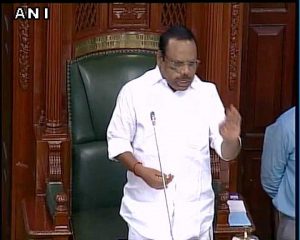 P Dhanapal, currently the Speaker of the Tamil Nadu Legislative Assembly, had been earlier elected to the Tamil Nadu assembly as an Anna Dravida Munnetra Kazhagam candidate from Sankagiri constituency in 1977, 1980 and 1984 and 2001. Then again, in 2011 and 2016, he won from Rasipuram and Avinashi constituencies, respectively.[/vc_column_text][/vc_column_inner][/vc_row_inner][vc_custom_heading text=”The catch” font_container=”tag:p|font_size:20px|text_align:left” google_fonts=”font_family:Open%20Sans%3A300%2C300italic%2Cregular%2Citalic%2C600%2C600italic%2C700%2C700italic%2C800%2C800italic|font_style:700%20bold%20regular%3A700%3Anormal”][vc_column_text]There was a catch, however. This interregnum can be efficiently used by those who want to bribe the MLAs into switching sides or abstaining. The Speaker said no.
In the ruckus, the Speaker’s shirt was torn—DMK leader Stalin said the speaker tore it himself—and the microphone and chair broke. The table was upturned.
A frustrated Speaker was supposed to have said: “Where do I complain about the harassment that I was subjected to in the house?”
So the assembly was adjourned twice, once at 1pm and the next at 3pm and 88 DDMK MLAs were thrown out of the house on grounds of discipline.
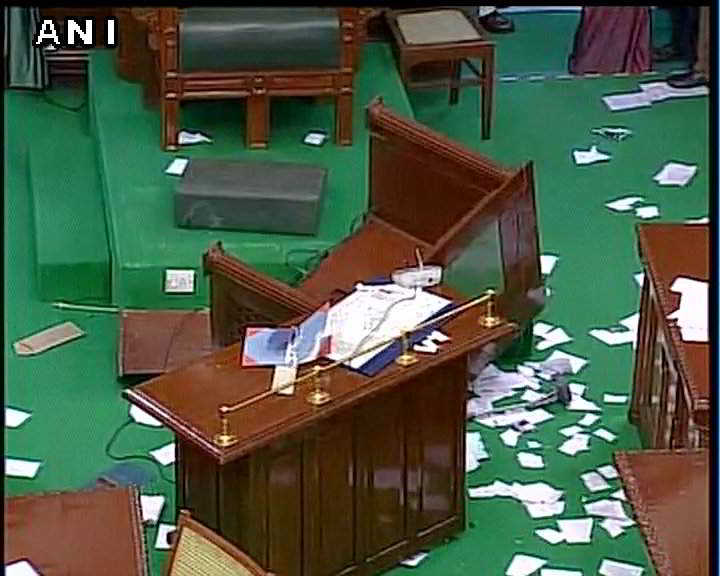
The scene in the House after it was adjourned for the day
[/vc_column_text][vc_custom_heading text=”Rumours ” font_container=”tag:p|font_size:20px|text_align:left” google_fonts=”font_family:Open%20Sans%3A300%2C300italic%2Cregular%2Citalic%2C600%2C600italic%2C700%2C700italic%2C800%2C800italic|font_style:700%20bold%20regular%3A700%3Anormal”][vc_column_text]In the morning it was rumoured that Palaniswami’s support base had dwindled further, to 116 (from the overnight 124) and it was clear which way the wind was blowing.
The media was kept out of the proceedings, with correspondents working only on leaked information. The media room audio and video feeds were cut and the chaos outside was a mirror to what was happening inside.
Leaked video footage soon emerged, showing more than one MLA sitting in the speaker’s chair in protest as marshals trooped in to herd the MLAs out.
When it became too much, the speaker ordered assembly police to evict all 88 DMK MLAs, bringing down the strength of the Assembly for the trust vote.
With nobody willing to listen and DMK MLAs not moving, the assembly was adjourned again till 3pm.
The final outcome was, somehow, expected, though.[/vc_column_text][/vc_column][/vc_row]









India News
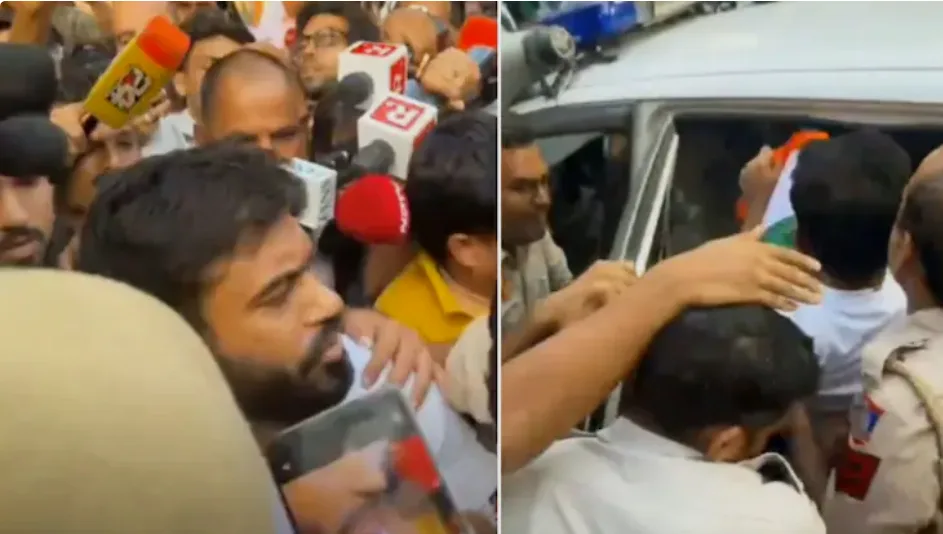
Abhijeet Dipke detained ahead of CJP’s national flag march in Delhi
Cockroach Janta Party founder Abhijeet Dipke was detained by Delhi Police on October 16, 2026, shortly before a planned national flag march. The proposed rally followed the judicial custody of two CJP members who had waved the Tricolour at Jantar Mantar.

India News
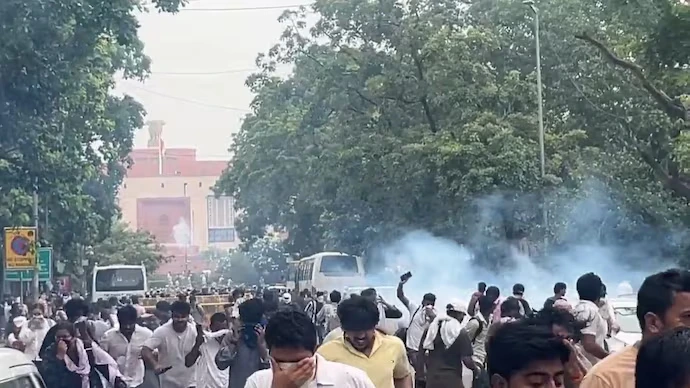
Delhi deploys 25,000 personnel, installs CCTV cameras ahead of CJP march
More than 25,000 police and paramilitary personnel have been deployed in Delhi ahead of the CJP’s planned protest march at Connaught Place. Authorities have also imposed restrictions and stepped up CCTV surveillance.
India News
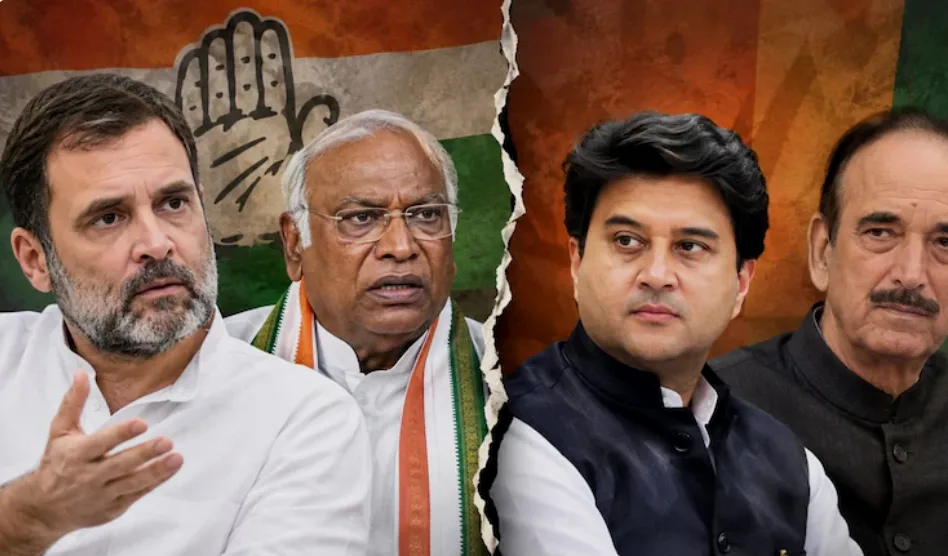
Mallikarjun Kharge’s ‘Your Friends’ jab at Rahul Gandhi over congress exits
Congress president Mallikarjun Kharge took a dig at Rahul Gandhi after the Leader of the Opposition reportedly described former party leaders Jyotiraditya Scindia and Ghulam Nabi Azad as among those who had left the Congress.

Election Commission orders voter roll revision in 17 states, UTs

Delhi Police offers 11-person limit for CJP’s Connaught Place protest

Actor Imran Khan asked to leave India after CJP protest

Magnitude 7 earthquake strikes Russia’s Kamchatka Peninsula

Mallikarjun Kharge’s ‘Your Friends’ jab at Rahul Gandhi over congress exits

Abhijeet Dipke detained ahead of CJP’s national flag march in Delhi
Magnitude 7 earthquake strikes Russia’s Kamchatka Peninsula

Delhi deploys 25,000 personnel, installs CCTV cameras ahead of CJP march
Mallikarjun Kharge’s ‘Your Friends’ jab at Rahul Gandhi over congress exits
Delhi Police offers 11-person limit for CJP’s Connaught Place protest

Afghan Men Try To Hang With The Jet Engine Of The Aircraft in Kabul- Afghanistan News – Kabul News
Trending Top 10 News: 10000 Crore Fine on Flipkart, Apple to Launch Unique Feature, Hdfc Bank Job Ad

Trending Top 10 News: Nokia 6310, Apple sales, Bachpan ka Pyar Video Kid, Dainik Bhaskar IT Raid

Trending Top 10 News: Canada bans Indian flights, Rain in Delhi NCR, AIMIM Twitter hacked, Raj Kundra case

Trending Top 10 News: Shein India, Apple New Service, Pocket Oxygen, Oppo Launched New Phone
-
 India News23 hours ago
Election Commission orders voter roll revision in 17 states, UTs
-
 India News21 hours ago
Delhi Police offers 11-person limit for CJP’s Connaught Place protest
-
 India News22 hours ago
Actor Imran Khan asked to leave India after CJP protest
-
 Latest world news9 hours ago
Magnitude 7 earthquake strikes Russia’s Kamchatka Peninsula
-
 India News9 hours ago
Mallikarjun Kharge’s ‘Your Friends’ jab at Rahul Gandhi over congress exits
-
 India News9 hours ago
Delhi deploys 25,000 personnel, installs CCTV cameras ahead of CJP march
-
 India News3 mins ago
Abhijeet Dipke detained ahead of CJP’s national flag march in Delhi
