
India News
Petition brings back to life Gandhi assassination controversy


[vc_row][vc_column][vc_column_text]Raising questions about the identity of Narayan Dattatraya Apte, who was hanged for Mahatma Gandhi’s assassination along with Nathuram Godse, a petition in the Supreme Court seeks reopening of the case, suggesting an international conspiracy and reviving the controversial fourth bullet theory.
The petition comes in apex court exactly 68 years after Godse and Apte were hanged on November 15, 1949. Earlier rejected by the Bombay High Court, the petition was admitted by the Supreme Court where its hearing started on Wednesday.
The petition suggests that there was probably a fourth bullet fired by someone other than Nathuram Godse and claims that Apte’s identity was mired in doubt.
Dr Pankaj Phadnis, the petitioner and founder of Abhinav Bharat, has a letter from former Defence Minister Manohar Parrikar to back his claims this time.
The Justice JL Kapur Commission of Inquiry, which was set up in 1966 to investigate the assassination, had in its report called Apte an Indian Air Force officer. However, Parrikar, who was then Defence Minister, said in his letter dated January 7, 2016 to Phadnis, “I have got the matter examined. I have been informed that the matter was referred to various agencies within the Air Force, MoD History Division as well as to AA at HCI, UK with the request to provide any information pertaining to Mr Narayan Dattatraya Apte.”
“All the agencies have confirmed that they have not found any records pertaining to Mr. Narayan Dattatraya Apte. History Division of MoD even liased with National Archives, Central Secretariat Library and consulted private papers of Mahatma Gandhi’s murder trial,” the letter said.
The letter also said that the Gazettes of India (Air Branch) for the year 1943-46 were also searched but no information related to him being an IAF officer could be found anywhere.
Phadnis has approached the apex court on the basis of this letter, contending that since Apte was not an IAF officer, “there is therefore reasonable ground to believe that Apte was an operative of British Force 136, which can be established only after further investigation.” His petition contends that there is a “foreign hand” in the entire assassination plot.
However, Tushar Arun Gandhi, the great-grandson of Mahatma Gandhi, has opposed the reopening of the case and also of the new bullet and theory floated by Phadnis. He, in an exclusive piece written for India Legal, calls the plea “frivolous” and its intention “malafide”. He says that the attempts are to “create doubts about the honesty of the original investigation” and to “float unsubstantiated theories”. He reaffirms that there were only three bullets fired by Godse that hit Gandhi on his chest. Tushar Gandhi also claims that he will “disprove all of Phadnis’ hypothetical allegations” if the court admits his plea, which the court has already done. Gandhi had also moved the Supreme Court against the reopening of the case.
Admitting the petition, the Supreme Court has appointed senior advocate Amarender Sharan as the amicus curiae to examine the petition filed by Phadnis and the documents furnished by him.
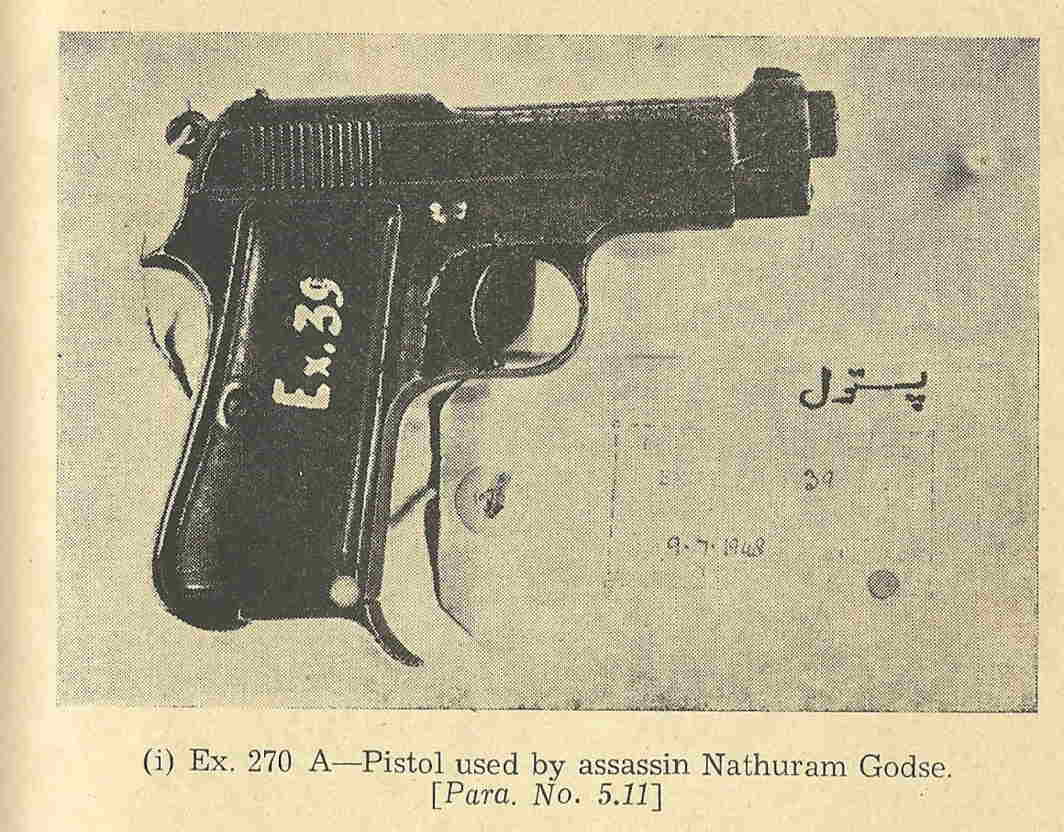
Dr. Phadnis said this case was one which concerned the truth behind the real hand or culprits who performed the act of Gandhi’s killing and also their hidden agenda of derailing the Gandhi-Jinnah People-to-People contact that the Mahatma had planned to embark upon.
This plan was derailed because of the assassination, the consequences of which are being felt even now, he has contended.[/vc_column_text][/vc_column][/vc_row]







India News
Delhi Police offers 11-person limit for CJP’s Connaught Place protest
Delhi Police has offered to facilitate a group of 11 people at Central Park in Connaught Place for the Cockroach Janata Party’s October 16 protest, while warning that violations of prohibitory orders could invite legal action.


India News
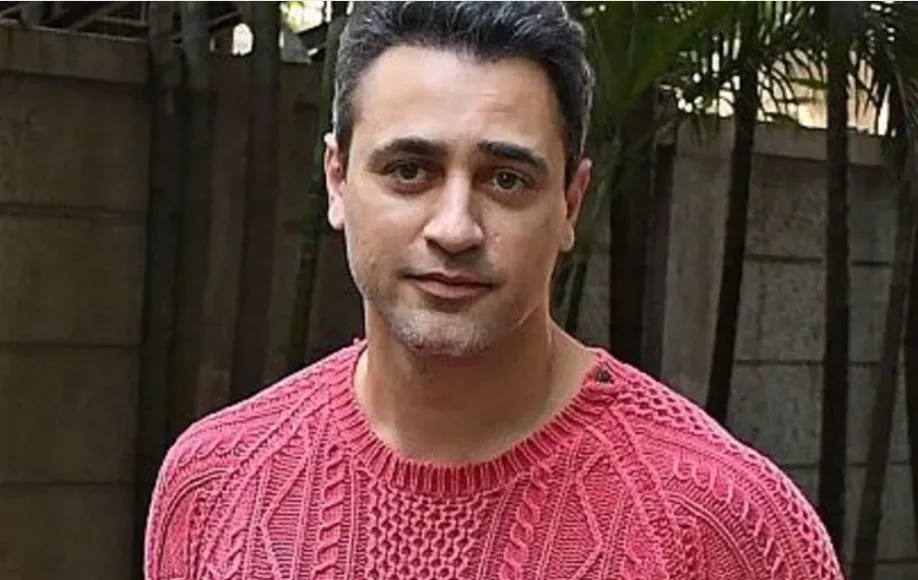
Actor Imran Khan asked to leave India after CJP protest
Actor Imran Khan has been asked to leave India by October 28, days after participating in a protest called by the Cockroach Janta Party (CJP) in Mumbai.
India News
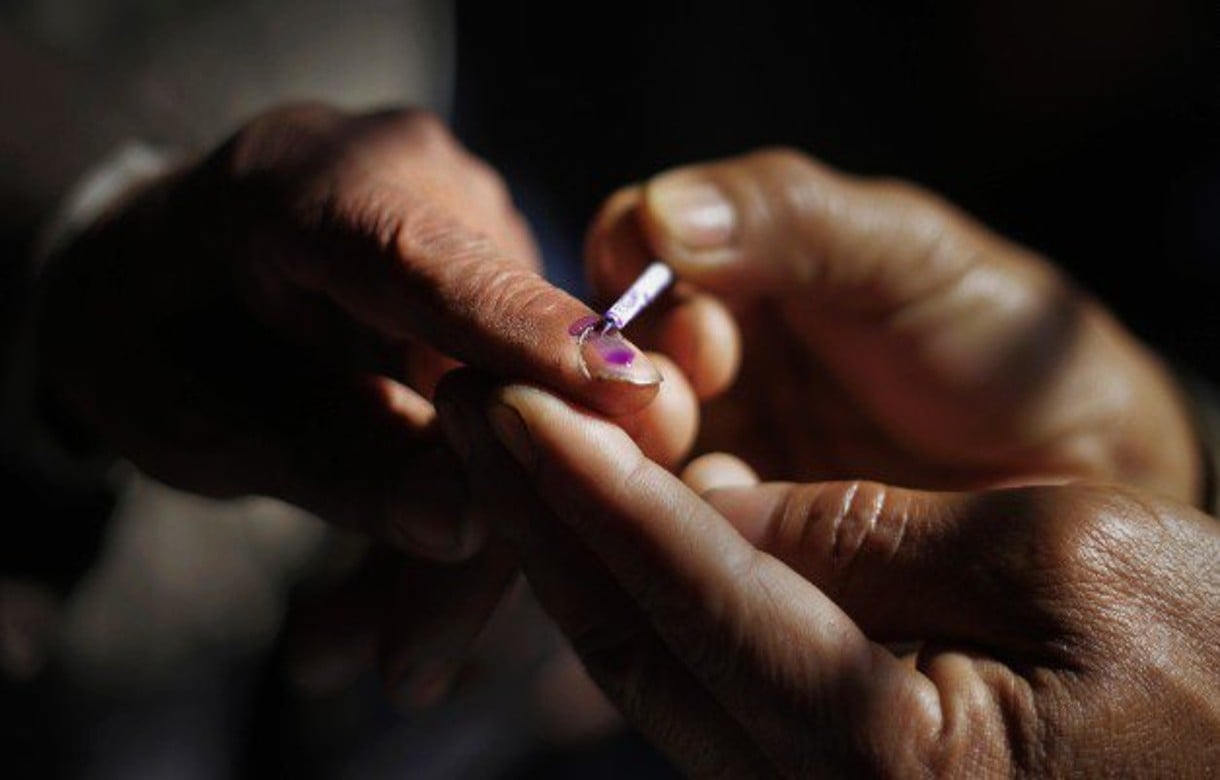
Election Commission orders voter roll revision in 17 states, UTs
The Election Commission has ordered a Special Summary Revision of electoral rolls in 17 states and Union Territories. Draft rolls are scheduled for November 12, with final rolls due on January 4, 2027.

Dhruv Rathee gets fresh summons in 2018 BJP IT cell video case

Nobody can browbeat judiciary, Chief Justice warns over Rahul Gandhi’s march

India-US trade deal first phase finalised, drafting underway

Election Commission orders voter roll revision in 17 states, UTs

Actor Imran Khan asked to leave India after CJP protest

Delhi Police offers 11-person limit for CJP’s Connaught Place protest
Actor Imran Khan asked to leave India after CJP protest
Election Commission orders voter roll revision in 17 states, UTs
India-US trade deal first phase finalised, drafting underway
Nobody can browbeat judiciary, Chief Justice warns over Rahul Gandhi’s march

Afghan Men Try To Hang With The Jet Engine Of The Aircraft in Kabul- Afghanistan News – Kabul News
Trending Top 10 News: 10000 Crore Fine on Flipkart, Apple to Launch Unique Feature, Hdfc Bank Job Ad

Trending Top 10 News: Nokia 6310, Apple sales, Bachpan ka Pyar Video Kid, Dainik Bhaskar IT Raid

Trending Top 10 News: Canada bans Indian flights, Rain in Delhi NCR, AIMIM Twitter hacked, Raj Kundra case

Trending Top 10 News: Shein India, Apple New Service, Pocket Oxygen, Oppo Launched New Phone
-
 India News20 hours ago
Dhruv Rathee gets fresh summons in 2018 BJP IT cell video case
-
 India News17 hours ago
Nobody can browbeat judiciary, Chief Justice warns over Rahul Gandhi’s march
-
 India News12 hours ago
India-US trade deal first phase finalised, drafting underway
-
 India News10 hours ago
Election Commission orders voter roll revision in 17 states, UTs
-
 India News10 hours ago
Actor Imran Khan asked to leave India after CJP protest
-
 India News8 hours ago
Delhi Police offers 11-person limit for CJP’s Connaught Place protest
