English हिन्दी
Connect with us

India News

Rahul Gandhi meets farmers over India-US trade deal, BJP calls it stage-managed

Rahul Gandhi met farmer leaders over concerns surrounding the India-US trade deal, drawing sharp criticism from BJP, which termed the interaction stage-managed.

Published

on

Rahul-Gandhi

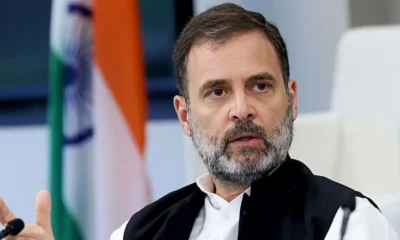
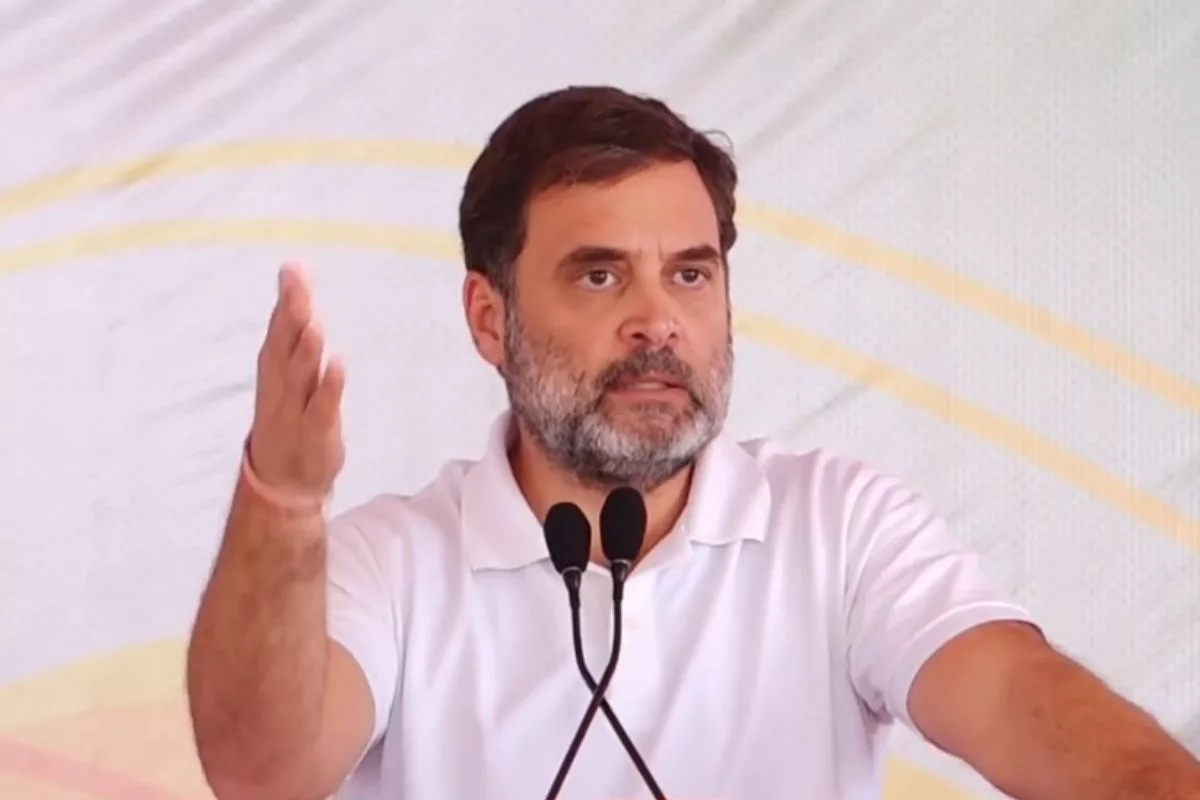
Congress leader Rahul Gandhi met representatives of several farmer organisations at his Parliament office to discuss concerns related to the proposed India-US trade framework. The meeting has triggered sharp political reactions, with the Bharatiya Janata Party (BJP) alleging that the interaction was “stage-managed”.

According to details shared, Gandhi — who is the Leader of Opposition in the Lok Sabha — held discussions with representatives of 17 major farmer unions from across the country. The farm leaders conveyed apprehensions that the trade agreement could adversely affect cultivators, particularly those growing corn, soyabean, cotton, fruits and nuts.

They urged the need for a nationwide movement to safeguard farmers’ rights and protect their incomes from any potential impact of the agreement.

BJP alleges ‘artificial narrative’

Responding to the development, Union Minister Piyush Goyal criticised the Congress leader, terming the meeting “artificial” and “baseless”. In a video post on X, Goyal alleged that Gandhi was attempting to mislead farmers.

“Mr Rahul Gandhi has once again rolled out a stage-managed, most artificial and fake narrative,” Goyal said. He further claimed that individuals posing as farmer leaders were aligned with the Congress party and were part of an orchestrated attempt to create confusion.

The minister added that the government had fully protected the interests of farmers in the India-US trade deal and accused the opposition of provoking sentiment against the country’s economic policies.

What the India-US trade framework proposes

The interim trade agreement between India and the United States focuses on lowering tariff barriers while balancing domestic agricultural sensitivities. As part of the arrangement, the US has agreed to reduce reciprocal tariffs on Indian goods — from levels as high as 50 per cent to 18 per cent — benefiting sectors such as textiles, leather, footwear and pharmaceuticals.

The government has maintained that between 90 and 95 per cent of Indian agricultural products remain outside the scope of the agreement, ensuring protection for farmers.

The political exchange reflects broader debate over the potential implications of the trade framework, particularly for the agriculture sector.


India News

Under fire for donation theft, Ram temple trust calls for applications for CEO post

Published

on

By

The Shri Ram Janmabhoomi Teerth Kshetra Trust has invited applications for the post of its first Chief Executive Officer (CEO) to strengthen the administration of the Ram Temple in Ayodhya.

The Trust has set a July 18, 4 pm deadline for applications. This is the first time the Trust is appointing a CEO to oversee the temple’s day-to-day functioning.

The decision was taken under the leadership of Trust Chairman Mahant Nritya Gopal Das. The selected CEO will work under Trust General Secretary Champat Rai and will be responsible for managing the temple’s daily operations, supervising administrative departments, coordinating with officials, ensuring smooth arrangements for devotees, and maintaining transparency in the temple’s functioning.

The Trust notification said candidates applying for the post should be between 50 and 70 years of age and must have at least three years of experience in a senior administrative or leadership position. Applicants should also be practising Hindus and devotees of Lord Ram. To ensure a fair selection process, the Trust has formed a three-member committee to examine applications and recommend suitable candidates for the final appointment.

The move comes after the Trust decided to further strengthen its administrative system as the number of visitors to the Ram Temple continues to increase. In recent months, the temple administration has also focused on improving financial monitoring and overall management, making the appointment of a professional CEO an important step.

The Ram Temple in Ayodhya has emerged as one of India’s most prominent pilgrimage destinations since its inauguration. Every day, thousands of devotees visit the temple, creating the need for a dedicated executive to manage operations efficiently and ensure better services for pilgrims.

The Trust believes that appointing its first CEO will improve coordination, accountability, and administrative efficiency while supporting the temple’s future expansion plans. After the application deadline on July 18, the selection committee will review all applications before making its recommendation. The final appointment will be made by the Shri Ram Janmabhoomi Teerth Kshetra Trust, marking a significant milestone in the professional management of the Ram Temple.

The Trust has been at the receiving end of the public backlash following the theft of money and articles donated to the temple. Investigations are underway to find the real culprits.

Continue Reading

India News

Sonam Wangchuk’s health declines during hunger strike, actor Omi Vaidya calls for more popular support

Published

on

By

Actor Omi Vaidya, best known for playing Chatur Ramalingam in 3 Idiots, has appealed to people to support climate activist Sonam Wangchuk, whose health has reportedly deteriorated during his indefinite hunger strike on the Cockroach Janta Patry dais at Jantar Mantar in New Delhi.

Sharing a video message on Instagram, Vaidya referred to Wangchuk as the “real-life Phunsukh Wangdu,” the character in 3 Idiots inspired by the Ladakh-based innovator. He urged people not to remain silent and said, “Don’t let Phunsukh Wangdu die.” Calling Wangchuk’s work an inspiration, the actor appealed for greater support as concerns over the activist’s health continue to grow.

Recent updates from Wangchuk’s supporters indicate that his health has significantly declined after fasting for over two weeks. His blood glucose level reportedly dropped to 67 mg/ dL, and he has lost over 8 kg since beginning the indefinite hunger strike. The protest is aimed at drawing attention to environmental protection and governance-related demands concerning Ladakh.

Sonam Wangchuk, an engineer, education reformer and Ramon Magsaysay Award winner, is widely recognised as the real-life inspiration behind Wangdu, the iconic character played by Aamir Khan in Rajkumar Hirani’s 2009 film 3 Idiots. Although Wangchuk has previously distanced himself from direct comparisons with the character, his work in education and sustainable development has often been linked to the film.

Vaidya’s appeal has added a film industry voice to the growing concern over Wangchuk’s health. As his hunger strike continues, supporters and public figures have called for immediate attention to his condition and renewed dialogue over the issues he has raised. The protest is underway demanding Education Minister Dharmendra Pradhan resign over the NEETUG fiasco.


Continue Reading

India News

Ladakh may get Article 371-like safeguards, autonomous councils

Published

on

By

Laddakh Violence

The Central government is said to be working on a proposal to grant Ladakh a special governance framework similar to Article 371 of the Constitution.

The move is aimed at addressing the long-standing demands of the people of Ladakh for greater autonomy, protection of local culture, and stronger local self-governance after the region became a Union Territory in 2019.

According to the proposal, Autonomous Hill Development Councils (AHDCs) will be established in all seven districts of Ladakh. At present, only Leh and Kargil have elected hill councils. The expansion of these councils is expected to ensure balanced development, improve local administration, and give residents of every district a greater role in decision-making.

The Centre is also planning to create a Union Territory-level elected body that will coordinate the functioning of all district councils. This institution is expected to have powers related to planning, development, finance, and administration, helping improve governance across Ladakh while maintaining coordination with the Union Territory administration.

Article 371 is a special provision in the Constitution that gives some states extra rights to protect their culture, local traditions, land, and ensure better administration based on their unique needs. While Ladakh is not expected to receive Article 371 in its existing form, the government is considering a customized framework with similar constitutional protections suited to the region’s geographical and social conditions.

The proposal comes after several rounds of discussions between the Centre, the Ladakh administration, and representatives of civil society. Local groups have been demanding constitutional safeguards to protect the region’s fragile environment, tribal identity, employment opportunities, and control over land resources.

If approved, the Ladakh Autonomous Hill Development Council Act will be amended, followed by the delimitation of constituencies before elections are held for the newly-created councils. The proposal is currently under consideration.

The initiative is expected to strengthen grassroots democracy, promote inclusive development, and provide Ladakh with greater administrative autonomy while remaining a Union Territory.

Continue Reading

Trending

© Copyright 2022 APNLIVE.com