
India News
Rahul Gandhi, Priyanka Gandhi hit the road, Rahul wrestled down by UP Police on march to Hathras
Policemen wrestled down Gandhi with other Congress workers before making the arrest while the Congress leader repeatedly asked the police to let him know what charge was he being detained under.


Former Congress president Rahul Gandhi was detained by the Uttar Pradesh Police on Thursday while he was marching towards Hathras with his sister Priyanka Gandhi Vadra to meet the family of the Dalit gangrape victim who passed away on Tuesday. Policemen wrestled down Gandhi with other Congress workers before making the arrest while the Congress leader repeatedly asked the police to let him know what charge was he being detained under, TV reports said.

Rahul Gandhi told TV crews surrounding him that he was pushed to the ground and lathi-charged. He said they started walking after their vehicle was stopped. Can a normal person not walk? Can only the prime minister walk in this country, he asked. The 2 Congress leaders were then taken back to Delhi by police.

Rahul Gandhi and Priyanka Gandhi Vadra were heading to Hathras when their convoy was stopped near Pari Chowk in Greater Noida.

Readers may be aware that the Hathras gangrape victim was surreptitiously cremated by UP Police in the middle of the night of September 29-30. This has created a nationwide outrage compounded by the brutal nature of the crime on September 14, when the 19-year-old woman was gang-raped by four upper caste men in her village.
Ahead of the Congress leaders’ visit, the UP administration had imposed Section 144 in the district and put up barricades at borders citing coronavirus concerns. After the convoy was stopped, the leaders started walking with scores of party workers.
Read Also: After Hathras, a 22-year-old woman raped and killed in UP’s Balrampur
Priyanka Gandhi told reporters that last time this year they were fighting for the daughter of Unnao and the situation in UP has not changed in a year.
Meanwhile, the National Human Rights Commission (NHRC) has issued notices to the Uttar Pradesh government and the state’s police chief in connection with the Hathras gang-rape. NHRC has taken suo motu cognisance of the gang rape, the rights panel said.










India News
Journalist files police complaint against Rahul Gandhi over push allegation
Journalist Richa Parashar has filed a criminal complaint against Rahul Gandhi and others, alleging that she was pushed while covering the Opposition’s march to the Supreme Court. The Congress has denied the allegation.

India News
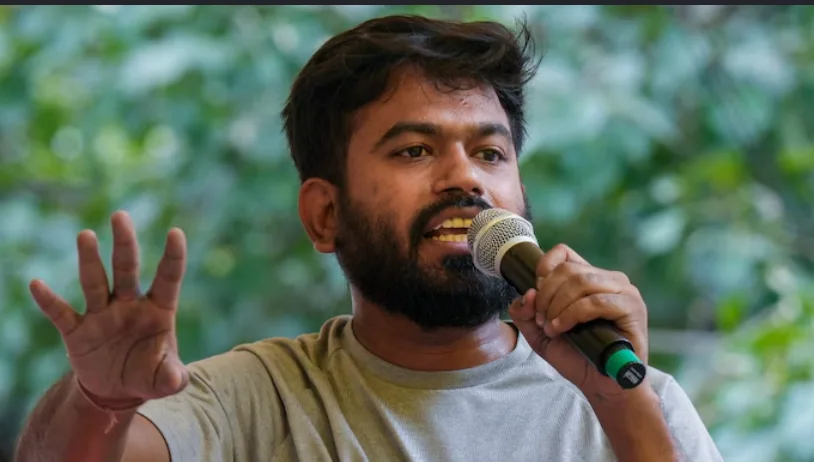
Delhi court orders release of CJP founder Abhijeet Dipke
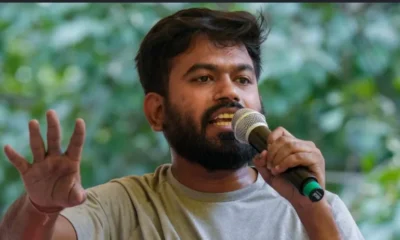
A Delhi court on Saturday ordered the conditional release of Cockroach Janta Party founder Abhijeet Dipke, who was detained and subsequently arrested ahead of a planned protest march at Connaught Place.
India News
Anirudh Ravichander to marry Kavya Maran in November, reception on November 21
Anirudh Ravichander and Kavya Maran are set to marry in November, with their Chennai wedding reception scheduled for November 21.


LK Advani, 98, hospitalised in Delhi with chest infection

Trump waives Russia-related sanctions, tariffs in relief for India

ED summons Pinarayi Vijayan in money laundering case

Anirudh Ravichander to marry Kavya Maran in November, reception on November 21

Delhi court orders release of CJP founder Abhijeet Dipke

Journalist files police complaint against Rahul Gandhi over push allegation
Delhi court orders release of CJP founder Abhijeet Dipke
Anirudh Ravichander to marry Kavya Maran in November, reception on November 21
ED summons Pinarayi Vijayan in money laundering case
LK Advani, 98, hospitalised in Delhi with chest infection

Afghan Men Try To Hang With The Jet Engine Of The Aircraft in Kabul- Afghanistan News – Kabul News
Trending Top 10 News: 10000 Crore Fine on Flipkart, Apple to Launch Unique Feature, Hdfc Bank Job Ad

Trending Top 10 News: Nokia 6310, Apple sales, Bachpan ka Pyar Video Kid, Dainik Bhaskar IT Raid

Trending Top 10 News: Canada bans Indian flights, Rain in Delhi NCR, AIMIM Twitter hacked, Raj Kundra case

Trending Top 10 News: Shein India, Apple New Service, Pocket Oxygen, Oppo Launched New Phone
-
 India News17 hours ago
LK Advani, 98, hospitalised in Delhi with chest infection
-
Latest world news17 hours ago
Trump waives Russia-related sanctions, tariffs in relief for India
-
 India News16 hours ago
ED summons Pinarayi Vijayan in money laundering case
-
 India News6 hours ago
Anirudh Ravichander to marry Kavya Maran in November, reception on November 21
-
 India News6 hours ago
Delhi court orders release of CJP founder Abhijeet Dipke
-
 India News4 hours ago
Journalist files police complaint against Rahul Gandhi over push allegation
