English हिन्दी
Connect with us

India News

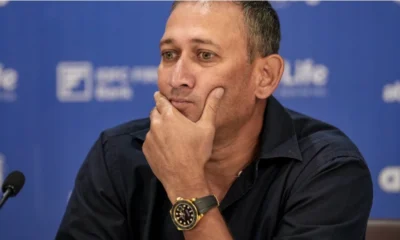
Shahid Afridi suggests Virat Kohli, Sourav Ganguly to talk face to face on captaincy controversy

Former Pakistan cricket team captain and legendary all-rounder Shahid Afridi suggested that Virat Kohli and BCCI president Sourav Ganguly should talk face to face on the ongoing ODI captaincy controversy

Published

on

Former Pakistan’s cricket team captain and legendary all-rounder Shahid Afridi suggested that Virat Kohli and BCCI president Sourav Ganguly should talk face to face on the ongoing ODI captaincy controversy.

Afridi said that the matter could have been handled in a better manner by the Board of Control for Cricket in India i.e., BCCI. The former Pak captain blamed the poor communication between the board and the Indian test captain Virat Kohli.

While talking to a Pakistani TV channel Sama TV, Afridi said that there would not have been any controversy if BCCI had communicated Virat Kohli in a better manner. He said that if any board or selection committee has any plan regarding a player, they must communicate to the player and then ask his opinion on that particular idea. But this was not the case between Kohli and the BCCI, said Shahid Afridi.

Notably, while announcing the test team for the South Africa tour, the BCCI sacked Virat Kohli from the ODI captaincy and appointed Rohit Sharma as the new white-ball captain to lead the Indian side. BCCI president Sourav Ganguly had said that the team was looking for separate captains for limited-overs cricket and test cricket, which is why the selectors decided to give Rohit Sharma the full responsibility of the white-ball cricket.

Earlier in November after the T20 World Cup, Virat Kohli stepped from the T20 captaincy and Rohit Sharma was named the new t20 captain. Kohli in his press release had clearly mentioned that he will continue to lead the team in Test and ODI format.

Read Also: LaLiga: Benzema brace hands Real Madrid victory over Athletic Bilbao, Los Blancos extends lead at top of the table

The Indian Test captain Virat Kohli during his press conference denied Ganguly’s claim to request him not to leave the T20 captaincy. The modern-great batsman said that he was not told by anyone to not leave the T20 captaincy. After this statement by Kohli, the captaincy controversy sparked even more and put the question on the stand of Sourav Ganguly and BCCI.

India News

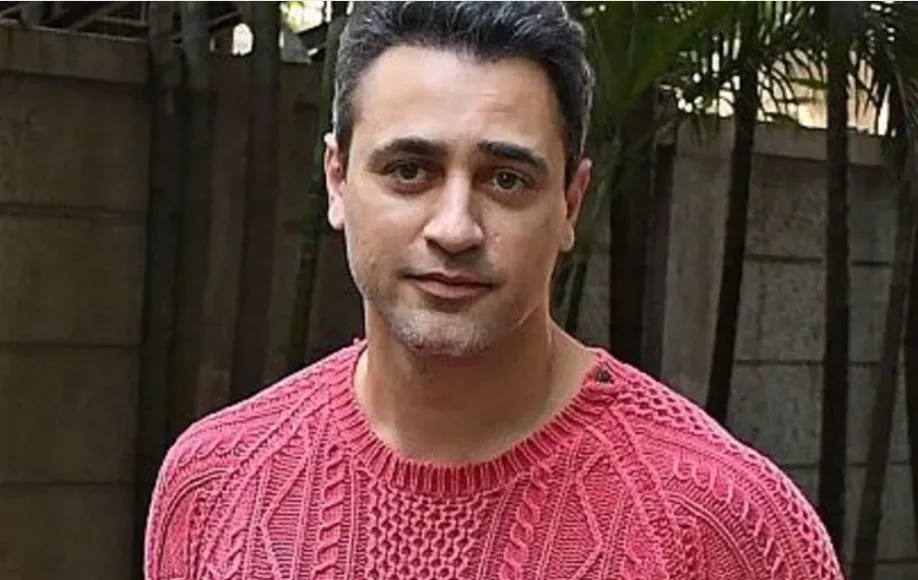
Actor Imran Khan asked to leave India after CJP protest

Actor Imran Khan has been asked to leave India by October 28, days after participating in a protest called by the Cockroach Janta Party (CJP) in Mumbai.

Published

on

Actor Imran Khan, nephew of Bollywood star Aamir Khan, has been asked to leave India by the Mumbai Police, days after participating in a protest organised by the Cockroach Janta Party (CJP) in Mumbai.

According to the notice, the actor has been given until October 28 to leave the country. The development follows his participation in the demonstration, which brought the actor into the spotlight over his involvement in a political protest.

Imran Khan is believed to hold US citizenship and an Overseas Citizen of India (OCI) card rather than full Indian citizenship, according to the report.

What led to the notice against Imran Khan?

The notice came days after Imran Khan joined a protest called by the CJP in Mumbai. The group, described as a satirical political organisation, had called for the demonstration.

The actor’s participation was followed by action from the authorities, with the Mumbai Police directing him to leave India by the specified deadline.

The notice does not, by itself, mean that the actor has already left the country or has been deported. October 28 is the deadline mentioned for his departure.

Imran Khan and his citizenship status

Imran Khan is known for his work in Hindi films, including Jaane Tu… Ya Jaane Na and Delhi Belly. He is also the nephew of actor Aamir Khan.

The report states that Imran Khan is believed to be a US citizen and hold an OCI card. OCI status does not confer Indian citizenship, although it provides eligible foreign citizens of Indian origin with specified privileges under Indian law.

The notice directing the actor to leave India follows his participation in the Mumbai protest. The reported development has brought attention to the intersection of immigration rules and the participation of foreign nationals in political demonstrations.

Continue Reading

India News

Election Commission orders voter roll revision in 17 states, UTs

The Election Commission has ordered a Special Summary Revision of electoral rolls in 17 states and Union Territories. Draft rolls are scheduled for November 12, with final rolls due on January 4, 2027.
Published

on

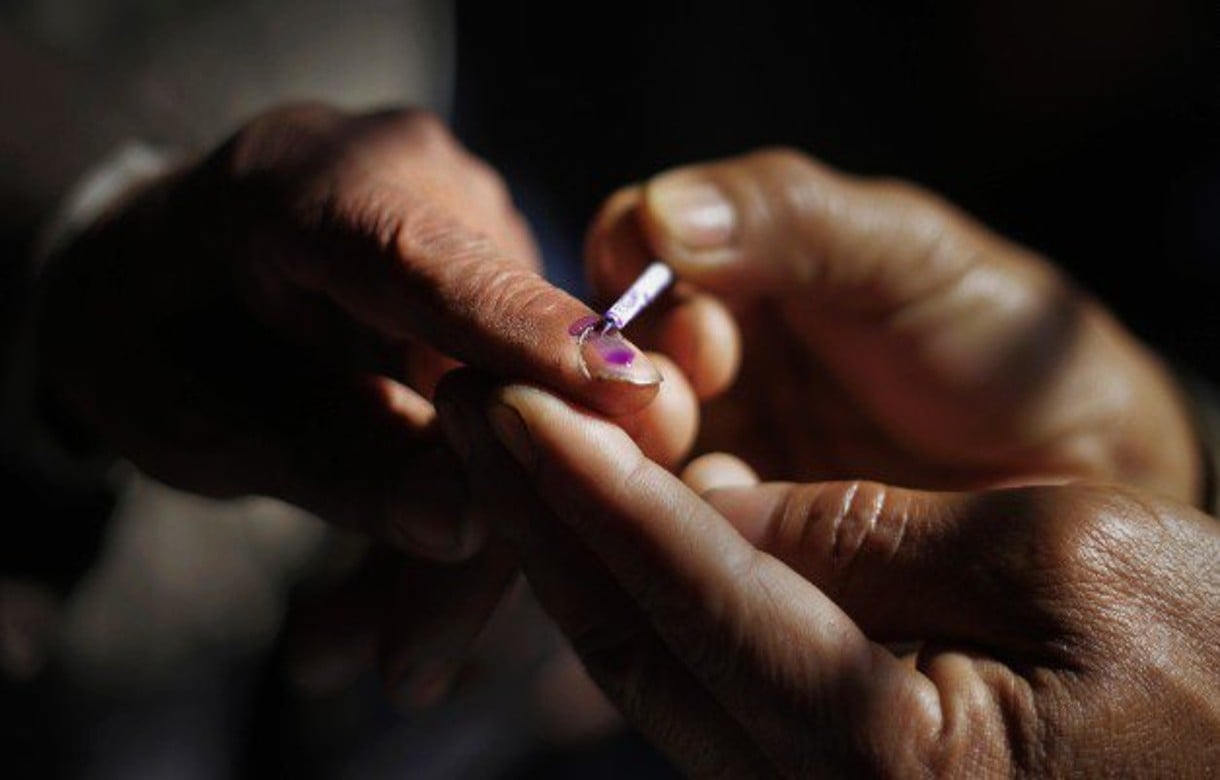
The Election Commission of India (ECI) has ordered a Special Summary Revision (SSR) of electoral rolls in 17 states and Union Territories, with the exercise aimed at facilitating voter registration and including eligible electors who may have been left out during the Special Intensive Revision (SIR).

The order was issued on Thursday, October 15, amid continuing political controversy over the SIR process and concerns raised by opposition parties regarding the exclusion of names from electoral rolls.

Under the announced schedule, January 1, 2027, will be the qualifying date for the revision. The draft electoral rolls are scheduled to be published on November 12, while the final rolls are due on January 4, 2027. Uttar Pradesh and Punjab, two states included in the exercise, are scheduled to go to the polls by February 2027.

Which states and Union Territories are covered?

The Special Summary Revision will cover the following 17 states and Union Territories:

  • Andaman and Nicobar Islands
  • Assam
  • Bihar
  • Chhattisgarh
  • Goa
  • Gujarat
  • Kerala
  • Lakshadweep
  • Madhya Pradesh
  • Manipur
  • Puducherry
  • Punjab
  • Rajasthan
  • Tamil Nadu
  • Uttar Pradesh
  • Uttarakhand
  • West Bengal

The Election Commission’s order follows earlier instructions issued to state election officials on September 29 to undertake a special drive to enrol eligible voters who had been left out, along with young and first-time electors.

Why has the Election Commission ordered the revision?

The announcement comes amid protests and political disagreements over the Special Intensive Revision of electoral rolls. Opposition parties have raised concerns about names being excluded during the exercise.

Another point of contention has been an additional declaration required from applicants submitting Form 6 for voter enrolment while the SIR was underway. The declaration required applicants to map their parents to the last SIR, which was conducted around 20 years ago.

The Election Commission had clarified on October 7 that the additional declaration applied only in states and Union Territories where the SIR was being conducted. It said the regular forms prescribed under the Registration of Electors Rules, 1960, would apply outside the SIR period.

The latest SSR order refers to applications for inclusion through Form 6 but does not mention the additional declaration.

What happens in states not covered by the current schedule?

The Election Commission has said that the schedule for the Special Summary Revision will be announced later in states and Union Territories where the SIR is ongoing or has recently been completed.

These include Andhra Pradesh, Arunachal Pradesh, Chandigarh, Dadra and Nagar Haveli, Daman and Diu, Haryana, Jharkhand, Karnataka, Maharashtra, Meghalaya, Mizoram, Nagaland, the National Capital Territory of Delhi, Odisha, Sikkim, Tripura and Telangana.

For Himachal Pradesh, Jammu and Kashmir, and Ladakh, where the SIR has not yet started, the schedule for electoral roll revision will be announced in due course, taking local weather conditions into account.

The Election Commission’s latest order sets out a separate timeline for the 17 states and Union Territories covered by the current SSR exercise, while leaving the schedules for the other regions to be announced later.

Continue Reading

India News

India-US trade deal first phase finalised, drafting underway

The first phase of the India-US trade agreement has been finalised and is undergoing legal drafting, Commerce Minister Piyush Goyal said. The deal is expected to be operationalised once India secures a competitive advantage over peer countries.
Published

on

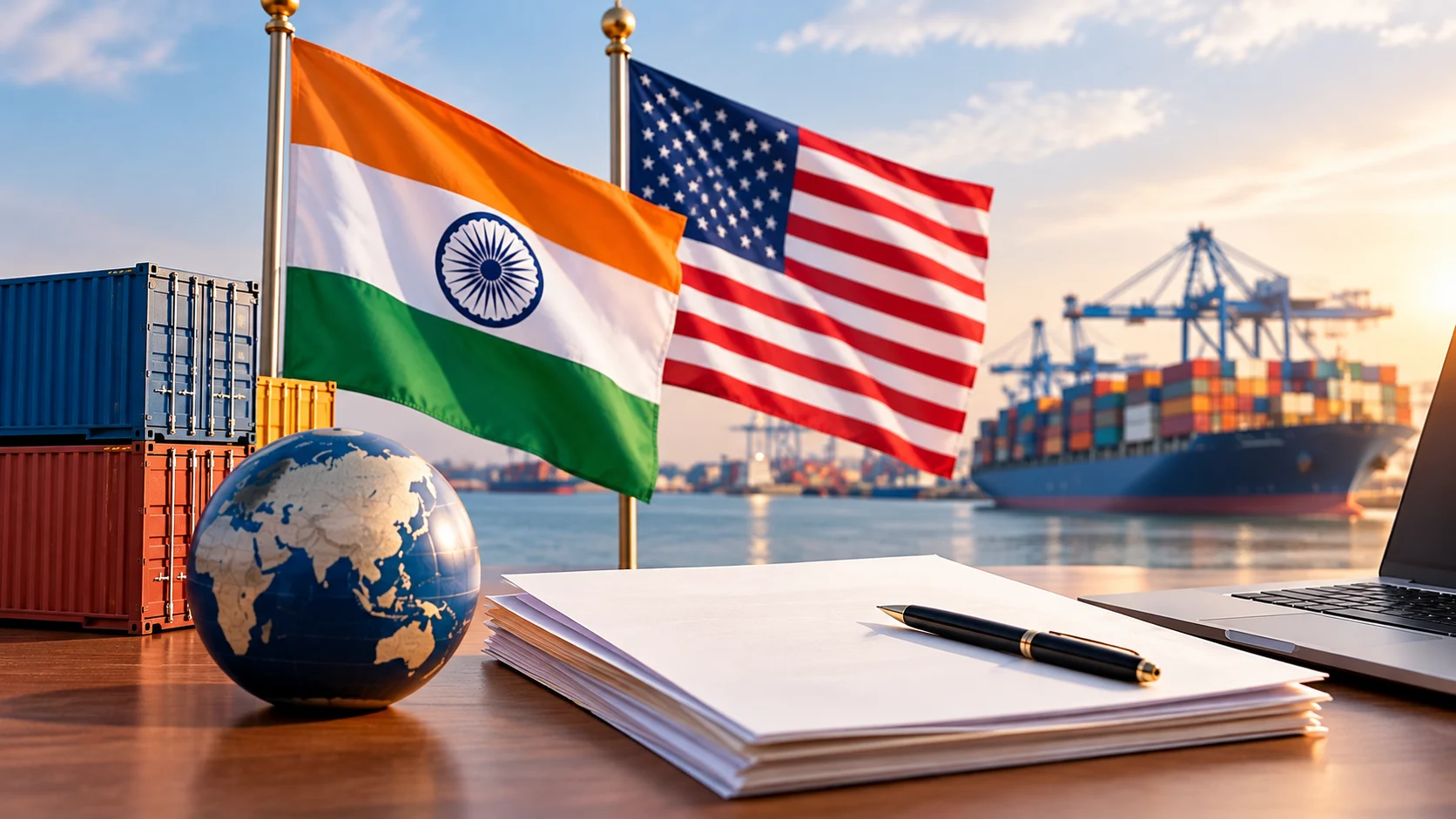
The first phase of the proposed India-US trade agreement has been finalised and is undergoing legal drafting, Commerce and Industry Minister Piyush Goyal said on Thursday. However, the agreement is yet to be fully finalised and implemented, with India seeking a competitive advantage over other countries before putting it into operation.

Speaking at the SRCC Centenary Conclave in New Delhi, Goyal said the first tranche of the bilateral agreement had been finalised and was going through the legal drafting process. He expressed hope that the process would be completed soon.

The minister said implementation would follow once India secured a comparable or competitive advantage over its peer countries in the American market.

India seeks an advantage over competing exporters

India wants its exporters to receive favourable market access and tariff terms compared with competitors. Goyal’s remarks indicate that the relative position of Indian goods in the US market remains an important consideration before the agreement becomes operational.

External Affairs Minister S Jaishankar also spoke about the negotiations at the Bloomberg New Economy Forum this week. He said the discussions were approaching a possible resolution but noted that India’s position relative to competing economies remained an issue.

Jaishankar said the outcome would depend partly on the terms negotiated between India and the United States and partly on how India fares against other competing economies.

Trade negotiations moving forward, says Commerce Secretary

Commerce Secretary Rajesh Agrawal said the negotiations were progressing in the right direction and that both countries hoped to conclude and sign the agreement at the earliest possible time.

He explained that the signing would depend on the formalisation of the broader tariff structure in the United States. Parallel work was also underway in Washington, including processes linked to Section 301.

Agrawal indicated that the two sides would move towards signing the agreement at a mutually agreed time after the relevant tariff framework was formalised.

Earlier this month, US Trade Representative Jamieson Greer said India and the United States were working to resolve outstanding issues, although an agreement was not imminent at that point.

India-US trade talks and bilateral relations

India and the United States have been negotiating the proposed bilateral trade pact since early 2025. The discussions aim to address tariff-related differences, reduce non-tariff barriers and improve market access between the two countries.

The negotiations have taken place against the backdrop of broader strains in bilateral relations, including disputes over tariffs and differences concerning other policy issues.

While the finalisation of the first tranche marks progress in the negotiations, the agreement still needs to move through the remaining legal and procedural steps before it can be signed and implemented.

The next steps will depend on the completion of legal drafting, the finalisation of the US tariff framework and the two countries’ agreement on the terms governing the pact.

Continue Reading

Trending

© Copyright 2022 APNLIVE.com