
India News
Sirsa shutdown as security forces ‘sanitise’ rapist godman Ram Rahim Singh’s Dera

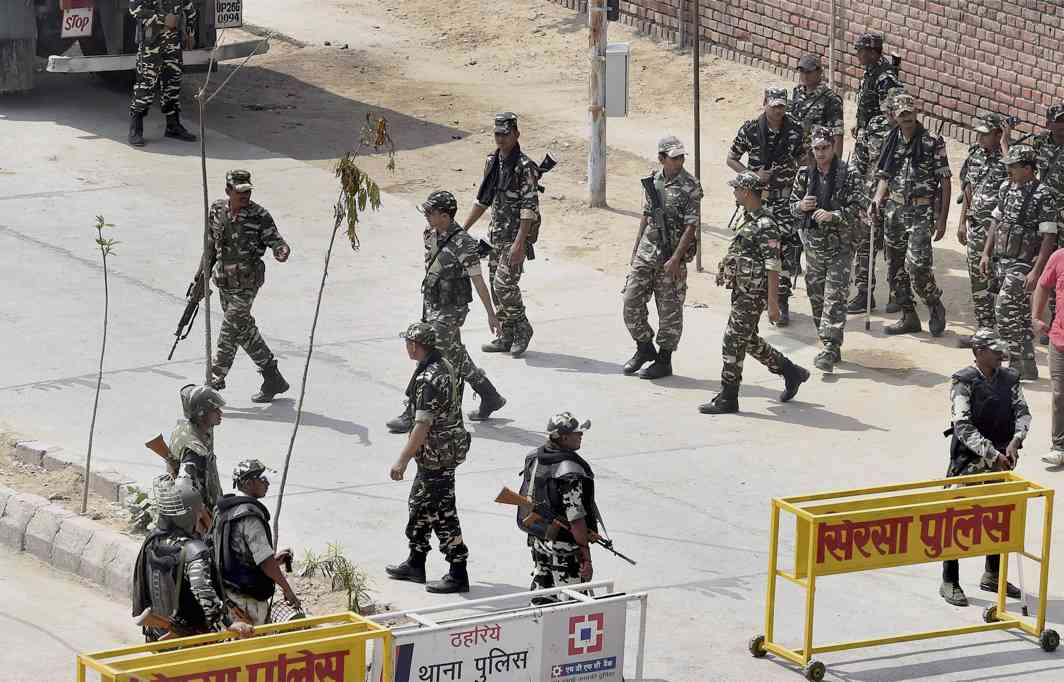
Police,41 companies of paramilitary forces led by retired sessions judge AKS Pawar in Sirsa to carry out probe ordered by Punjab and Haryana HC at Dera Sacha Sauda headquarters
A massive “sanitation exercise” is currently underway at convicted rapist Gurmeet Ram Rahim Singh’s Dera Sacha Sauda headquarters in Haryana’s Sirsa district. The search operations that were ordered by the Punjab and Haryana High Court are being overseen by retired District and Sessions Judge AKS Pawar, who was appointed as Court Commissioner for the probe on Tuesday
The entire sanitisation process will be videographed and is out of bounds for the media. Curfew remains enforced on the road leading to the Dera headquarters and no unauthorised person will be allowed to enter the Dera premises till the operation is completed.
Sources privy to the operation said that an undisclosed amount of cash, some weapons, computers, hard disks and various document ts have been seized from the Dera premises and details of these may be made public once the entire proceedings are completed.
However, there have also been startling revelations of a large number of skeletons being recovered from the Dera premises, which according to some Dera insiders who spoke on condition of anonymity, were of the corpses “donated to the hospital located inside the Dera headquarters for the purpose of research”. The forensic team from Roorkee is expected to arrive at the Dera premises later in the day to analyse these skeletons.
Deputy director (information), Satish Mehra informed that the next course of action with regard to the sanitization operation will be decided by Friday evening after meeting between administration officials and Court Commissioner Pawar.
A large number of vehicles, including police buses and paramilitary vehicles, Quick Reaction Team vehicles, bomb disposal squads and anti-sabotage team vehicles, carrying cops and paramilitary personnel along with a posse of administration officials drawn from various government departments are part of the mammoth exercise, sources said. Fire tenders, heavy earth moving machines and tractors have also been pressed into service for the sanitisation exercise.
“We have formed a strategy and are hopeful that the sanitisation process will be conducted in a smooth manner. The Dera management too has expressed willingness to cooperate with the local administration and police during investigation,” said Haryana’s Director General of Police (DGP) BS Sandhu in Chandigarh.

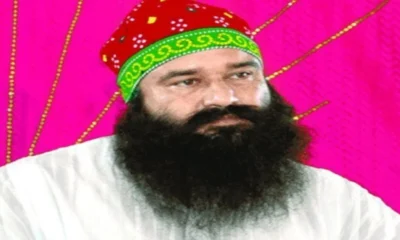
File photo of rapist godman Gurmeet Ram Rahim Singh
Vipassana Insan, who took over as the cult’s ‘chairperson’ after Dera chief Gurmeet Ram Rahim Singh was recently sentenced to a 20 year jail term for raping two of his followers, has appealed to the Dera followers to “maintain peace and calm”.
“Today (on Friday), the sanitisation process has begun. We have always followed the law. We will extend all cooperation in carrying out this exercise by the government and appeal to all to maintain peace and calm,” Vipassana Insan said in Sirsa.
Court Commissioner Pawar had arrived in Sirsa on Thursday to take stock of the preparedness for the sanitisation exercise. He had held long discussions with top officials of the civil and police administration and made it clear that no disruption should be allowed in the operation.
As many as 16 nakas have been set up near the Dera and a total of 41 companies of paramilitary forces have been deployed in the Sirsa district. Policemen of the bomb disposal squad and 40 commandos of the elite Special Weapons and Tactics team along with dog squads are also part of the sanitisation process. Among the central forces, CRPF, Sashastra Seema Bal, Rapid Action Force and BSF have been deployed in Sirsa.
Over the past three days, Dera followers have surrendered over 30 rifles, pistols, hundreds of live cartridges and several sharp-edged and modified weapons to the police after they were issued a 48-hour deadline to do so by the Sirsa police on Sunday.
The Punjab and Haryana High Court had earlier admitted a public interest litigation filed by Ravinder Dhull, a Panchkula resident, who had raised concerns over the law and order situation in Sirsa and stated that over 1.5 lakh people had entered the district despite prohibitory orders.
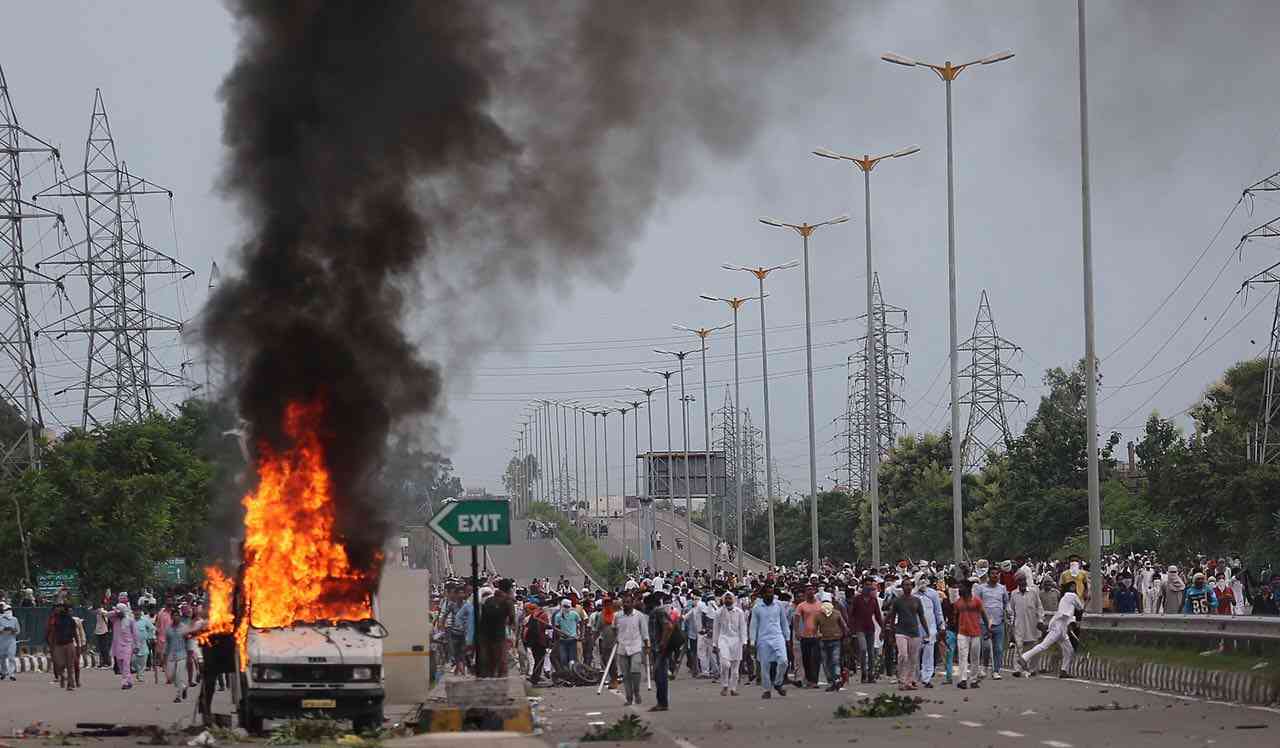
File photo of the August 25 riots by Dera followers in Sirsa
It may be recalled that Sirsa and Panchkula – where Gurmeet Ram Rahim Singh was convicted of rape by a special CBI court – had seen the maximum incidents of violence and arson by Dera followers on August 25 after the self-styled godman was held guilty of rape. The violence unleashed by the rapist godman’s followers had led to the death of over 35 people – all reported from Panchkula and Sirsa while damage to property worth crores of rupees was reported from neighbouring states of Punjab, Delhi and Rajasthan.
The Haryana government – which the Punjab and Haryana High Court had reprimanded for its “complete collusion” with the Dera violence – had on Friday filed a plea with the high court seeking “permission to sanitise the Dera headquarters under judicial supervision.”
A report of the whole sanitisation process will be submitted to the high court by the Court Commissioner, with a copy to be given to the state government.
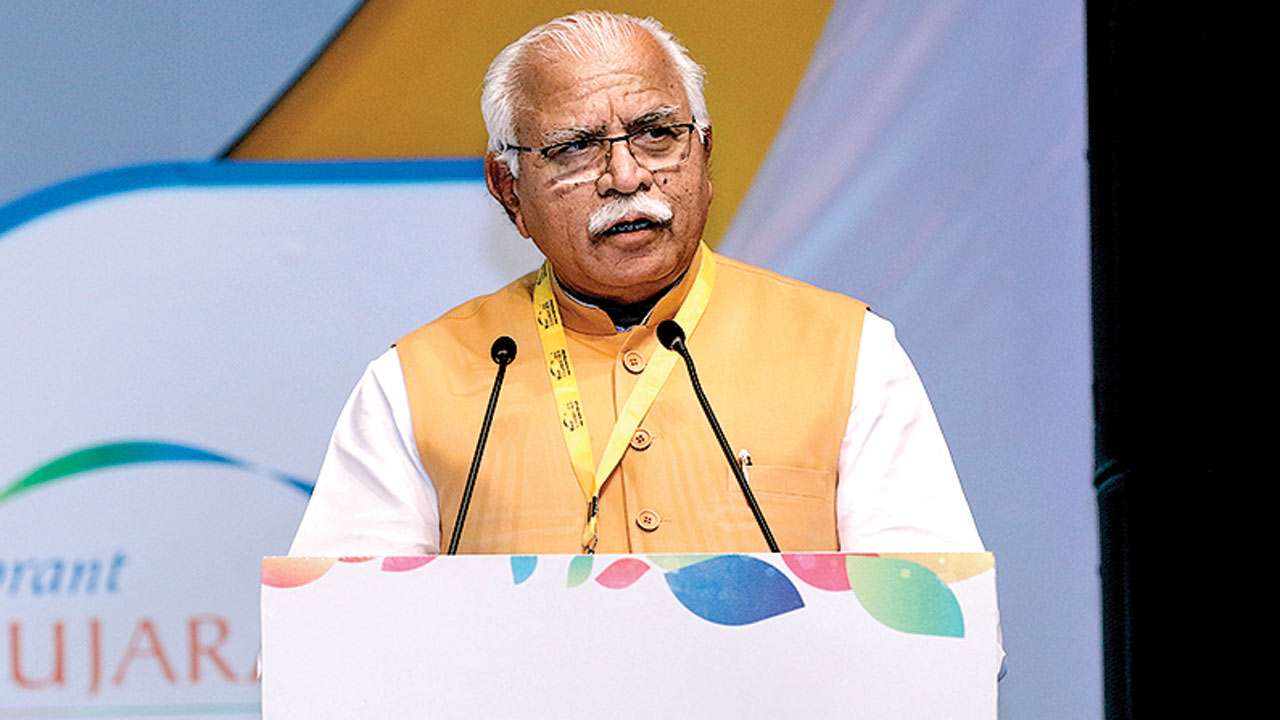
Haryana Chief Minister Manohar Lal Khattar had earlier said that some “objectionable” items were found during the sanitisation of the sect’s namcharcha ghars (congregation centres) from across the state and said that over 100 of these centres that are spread across Haryana have already been sanitised.







India News
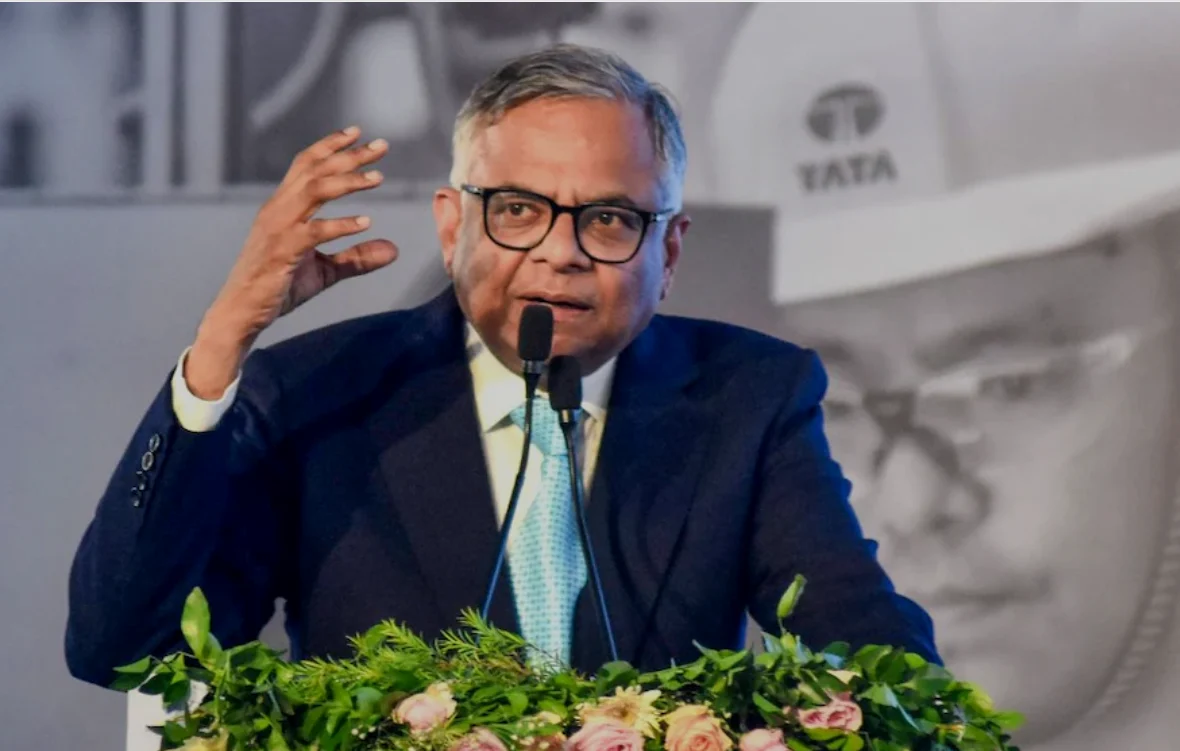
Noel Tata challenges N Chandrasekaran’s reappointment, flags TVS Motor link
Noel Tata has challenged N Chandrasekaran’s reappointment as Tata Sons executive chairman, alleging procedural lapses and seeking disclosures over reported TVS Motor dealings involving Hanno One Warehousing.

India News
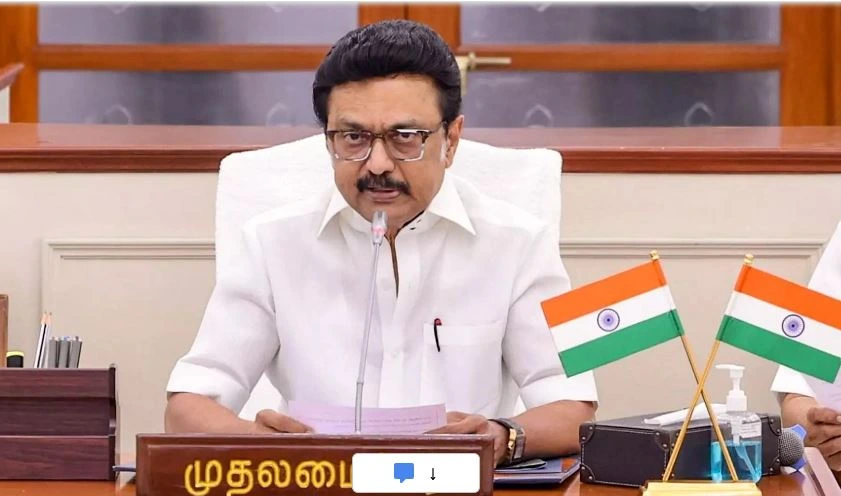
DMK ex-Minister arrested, TVK mocks Stalin with Bengal Monitor Lizard jab
Tamilaga Vettri Kazhagam’s IT wing attacked DMK chief MK Stalin after former minister Anbil Mahesh Poyyamozhi was arrested in an alleged Rs 100 crore corruption case involving approvals for private schools.
India News
Rahul Gandhi’s convoy cars collide with ambulance in UP, several injured
Several people were injured after five vehicles in Rahul Gandhi’s convoy collided with an ambulance on the Purvanchal Expressway in Uttar Pradesh. The Congress MP was safe.


Rahul Gandhi’s convoy cars collide with ambulance in UP, several injured

DMK ex-Minister arrested, TVK mocks Stalin with Bengal Monitor Lizard jab

Noel Tata challenges N Chandrasekaran’s reappointment, flags TVS Motor link

Abhishek Sharma smashes 113 off 38 balls as India beat New Zealand in 3rd ODI
Abhishek Sharma smashes 113 off 38 balls as India beat New Zealand in 3rd ODI
Noel Tata challenges N Chandrasekaran’s reappointment, flags TVS Motor link
DMK ex-Minister arrested, TVK mocks Stalin with Bengal Monitor Lizard jab
Rahul Gandhi’s convoy cars collide with ambulance in UP, several injured
Farooq Abdullah’s Kashmir remark wrong, says Ghulam Nabi Azad

Afghan Men Try To Hang With The Jet Engine Of The Aircraft in Kabul- Afghanistan News – Kabul News
Trending Top 10 News: 10000 Crore Fine on Flipkart, Apple to Launch Unique Feature, Hdfc Bank Job Ad

Trending Top 10 News: Nokia 6310, Apple sales, Bachpan ka Pyar Video Kid, Dainik Bhaskar IT Raid

Trending Top 10 News: Canada bans Indian flights, Rain in Delhi NCR, AIMIM Twitter hacked, Raj Kundra case

Trending Top 10 News: Shein India, Apple New Service, Pocket Oxygen, Oppo Launched New Phone
-
 India News24 hours ago
Rahul Gandhi’s convoy cars collide with ambulance in UP, several injured
-
 India News23 hours ago
DMK ex-Minister arrested, TVK mocks Stalin with Bengal Monitor Lizard jab
-
 India News9 hours ago
Noel Tata challenges N Chandrasekaran’s reappointment, flags TVS Motor link
-
 Cricket news3 hours ago
Abhishek Sharma smashes 113 off 38 balls as India beat New Zealand in 3rd ODI
