English हिन्दी
Connect with us

India News

Shashi Tharoor lists BRICS benefits after P Chidambaram questions gains

Shashi Tharoor highlighted BRICS’ diplomatic value and role for the Global South after P Chidambaram questioned the tangible benefits India has gained from recent summits.

Published

on

Shashi Tharoor

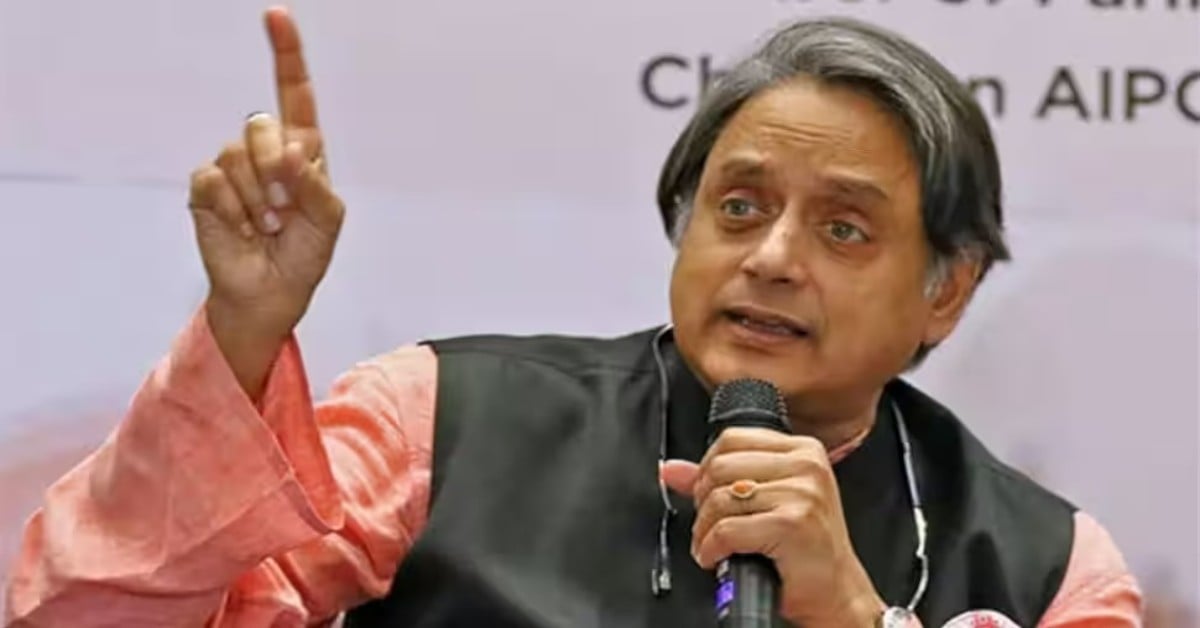
Congress MP Shashi Tharoor has highlighted the diplomatic and global significance of BRICS after senior party leader P Chidambaram questioned the tangible benefits India has received from recent meetings of the grouping.

Speaking ahead of the BRICS summit in Delhi, Tharoor described BRICS as an important platform for the Global South and said hosting the summit was a matter of prestige for India. He also acknowledged challenges within the grouping, including differences among member countries and India’s trade imbalance with BRICS nations.

What Shashi Tharoor said about BRICS benefits

Tharoor said BRICS provides an important platform for the Global South. He pointed out that the grouping has 11 countries representing a majority of the world’s population and 41% of global GDP.

According to Tharoor, the size and diversity of the grouping make it significant on the global stage. He said the platform should therefore be taken seriously by other countries.

He also highlighted the importance of India hosting the BRICS summit. Tharoor said the presence of several heads of state and government, along with observers attending at the presidential and prime ministerial level, was a matter of prestige for India.

He linked the summit to India’s diplomatic convening power, saying that its value extends beyond immediate outcomes.

Tharoor flags challenges for BRICS

While listing the benefits, Tharoor also acknowledged that BRICS faces several challenges.

One of the key issues, according to him, is the difficulty of reaching a common position on major international developments. He pointed to differences over the Iran war and the Russia-Ukraine conflict.

Tharoor noted that when BRICS foreign ministers met in New Delhi in May, the countries were unable to agree on a joint statement. India, as the chair, instead issued a chair’s declaration.

He said the ability of the grouping to reach consensus would remain an important challenge for diplomats.

India faces trade imbalance with BRICS countries

Tharoor also raised concerns about the economic side of BRICS.

He said trade among BRICS countries has been growing but argued that the trend has been disadvantageous for India. According to him, India’s exports to BRICS countries have declined while imports from those countries have increased.

This trade imbalance was presented as one of the practical concerns that India needs to consider while assessing its engagement with the grouping.

What P Chidambaram said about BRICS

Tharoor’s comments came a day after former Union minister and Congress leader P Chidambaram questioned the tangible benefits India has received from recent BRICS summits.

Chidambaram said he did not think the last two or three BRICS meetings had produced significant tangible benefits or results for India.

He also pointed out that India participates in several multilateral groupings, including BRICS, the Shanghai Cooperation Organisation, the G20 and the Quad, and questioned what concrete benefits the country had received from them.

The BJP criticised Chidambaram’s remarks and described him as part of the “naraaz phupha” group that, according to the party, could not accept India’s progress.

Why are BRICS benefits being debated?

The latest exchange highlights two sides of the BRICS debate.

Chidambaram has questioned whether the grouping has delivered enough concrete outcomes for India, while Tharoor has emphasised its diplomatic importance, its representation of the Global South and India’s ability to bring major countries together.

At the same time, Tharoor has acknowledged challenges related to consensus and India’s trade position within the grouping.

India News

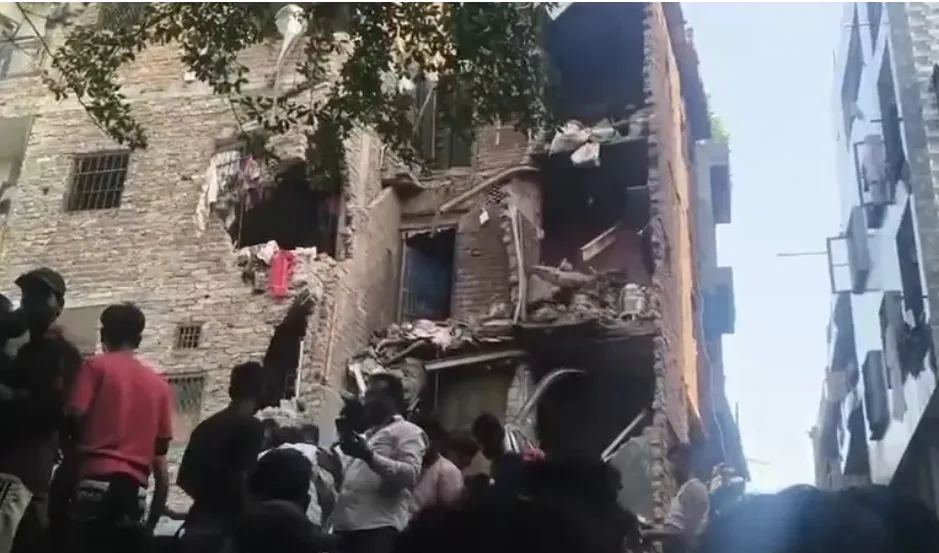
Delhi Building Collapse: Many trapped as 5-storey structure comes down

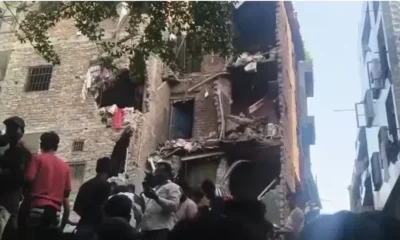
A building collapsed in Delhi’s Seemapuri area on Wednesday, with several people feared trapped under the debris. Rescue teams have reached the spot.
Published

on

A building collapsed in Delhi’s Seemapuri area on Wednesday, with several people feared to be trapped under the debris.

The incident took place in northeast Delhi, where emergency teams were rushed to the site after the collapse was reported.

Rescue operation underway

A search and rescue operation has been launched at the site as authorities work to determine whether people are trapped beneath the debris.

The Delhi Fire Service received information about the collapse at around 3:30 pm and sent fire tenders to the location. An official said some people might be trapped in the debris.

The incident has prompted an emergency response in the area, with rescue personnel working to locate anyone who may be trapped.

Collapse comes a month after Satya Niketan tragedy

The Seemapuri incident comes about a month after a building collapse in Delhi’s Satya Niketan area, where people were trapped after a multi-storey structure came down.

Further details about the Seemapuri collapse, including the number of people trapped and any casualties, are awaited as the rescue operation continues.

Continue Reading

India News

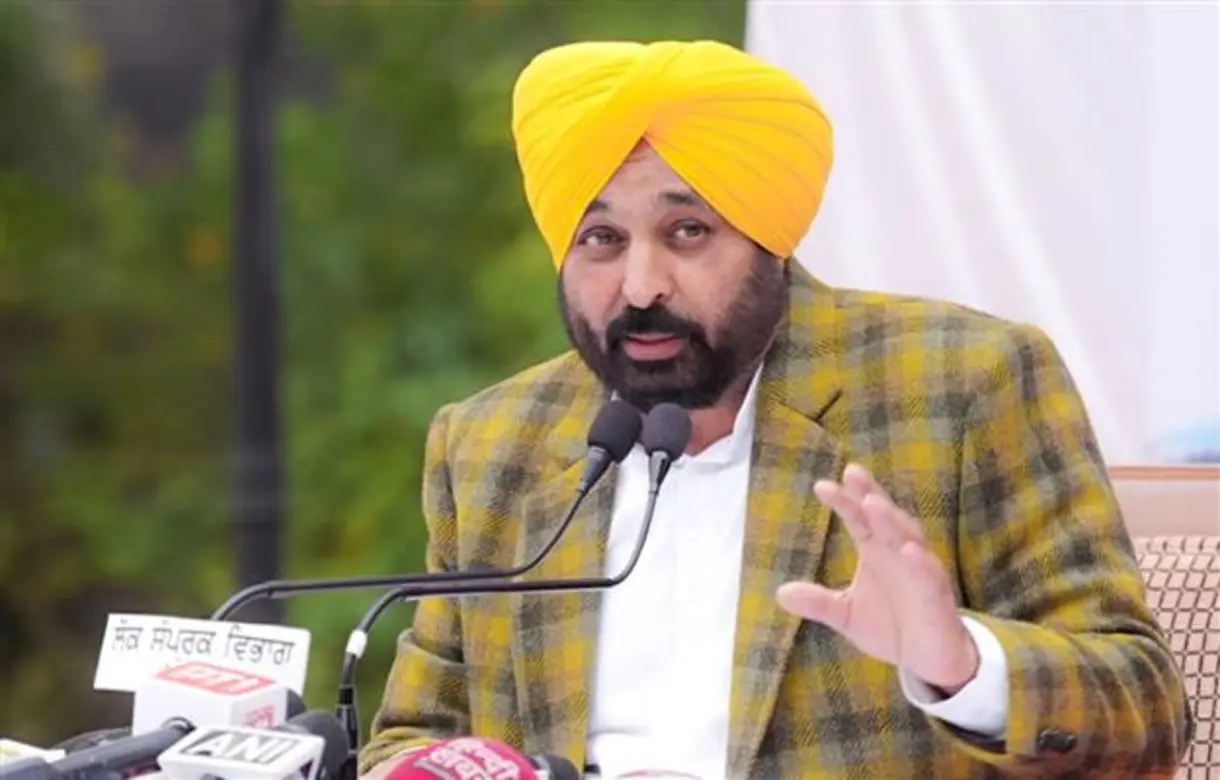
Bhagwant Mann hits back at BJP over CBI search in Sangrur

Bhagwant Mann hit out at the BJP over a CBI search in Sangrur, alleging political targeting and claiming the agency returned empty-handed after a nearly six-hour search.
Published

on

Punjab Chief Minister Bhagwant Mann has criticised the BJP over a CBI search at the residence of his officer on special duty (OSD) Rajbir Singh Ghuman in Sangrur, alleging that central agencies are being used against political opponents ahead of elections.

Mann said the CBI action was an indication that elections were approaching and accused the BJP of using agencies such as the CBI and Enforcement Directorate against Opposition leaders or their associates.

“The CBI raid shows that elections have arrived,” Mann said.

The Punjab Chief Minister cited cases involving Jharkhand Chief Minister Hemant Soren and leaders close to former West Bengal Chief Minister Mamata Banerjee while alleging that central agencies have been used ahead of elections. He also said Aam Aadmi Party leaders faced similar action before the Delhi Assembly elections.

Mann says CBI returned empty-handed

According to Mann, the CBI search at Gharachon village in Sangrur lasted nearly six hours.

The Chief Minister claimed that the agency “did not find anything” during the search and returned empty-handed. He alleged that the action was part of a BJP conspiracy to defame him and his government.

Mann also linked the CBI action to the BJP’s anti-drug campaign in Punjab and questioned the political impact of the campaign.

He alleged that the CBI action was politically motivated and intended to create a narrative against the AAP government ahead of upcoming elections.

CBI search at Mann aide’s house

Earlier, a CBI team searched the house of Mann’s OSD Rajbir Singh Ghuman in Gharachon village in Sangrur.

The search triggered a political confrontation involving the ruling AAP and Opposition parties. Representatives of Waris Punjab De and Akali Dal Punar Surjeet gathered in the village and welcomed the CBI team.

After the CBI vehicles left the area, people were seen beating dhols, performing bhangra and showering flower petals on the vehicles carrying the agency officials.

Sources cited in the report said the CBI was investigating allegations involving people accused of causing significant losses to Punjab and looting public money.

BJP hits back at Bhagwant Mann

BJP leader Tarun Chugh criticised the response to the CBI search, calling it an “extraordinary display of shamelessness”.

Taking a swipe at AAP chief Arvind Kejriwal, Chugh said the time for political drama was over and that those responsible would have to answer for money allegedly stolen from the people of Punjab.

“Stop the drama. Let the investigation proceed and let the facts speak,” he said.

Continue Reading

India News

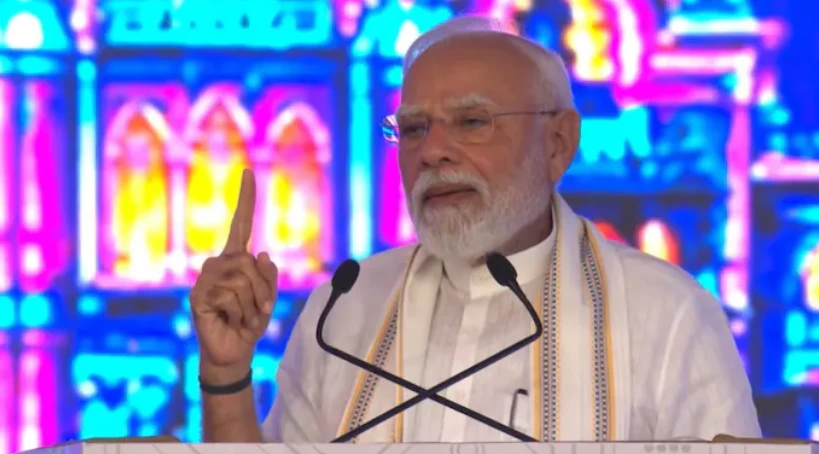
India’s 3-part peace plan to end Russia-Ukraine war explained

India has proposed a three-part truce plan for the Russia-Ukraine war, focusing on energy infrastructure, Black Sea trade and commercial shipping.
Published

on

India has proposed a three-part truce plan aimed at reducing hostilities in the Russia-Ukraine war, with the proposal focusing on energy infrastructure, Black Sea trade and commercial shipping.

New Delhi conveyed the proposal to Ukraine during External Affairs Minister S Jaishankar’s visit to Kyiv last month, people familiar with the development said.

Ukrainian Foreign Minister Andrii Sybiha confirmed that Kyiv had received the proposal and described it as the most comprehensive among four international initiatives under consideration for ending the conflict.

What is in India’s three-part truce plan?

India’s proposal seeks action on three key areas linked to the continuing conflict.

First, it calls for an end to attacks on energy facilities and other infrastructure.

Second, the plan seeks to ensure that grain and energy continue to move through Black Sea ports, protecting important commodity flows.

Third, it proposes ending attacks on commercial shipping travelling through the Black Sea.

The proposal therefore brings together energy infrastructure, trade and maritime security as part of a broader ceasefire framework.

How does Ukraine view India’s proposal?

Ukraine has said it is willing to consider different formats for a truce.

Mr Sybiha said any agreement should go beyond combat operations and address attacks on energy and port infrastructure as well as the situation in the Black Sea.

Ukraine has also received ceasefire proposals from Turkey, Egypt and the United States. According to diplomatic sources, India’s plan differs from the Egyptian and Turkish proposals, which primarily focus on maintaining the flow of grain from the Black Sea by seeking an end to attacks on commercial shipping.

The US proposal, meanwhile, focuses on an “energy ceasefire”.

India steps up peace efforts

India has maintained that dialogue and diplomacy are the way forward for resolving conflicts.

Earlier this week, Mr Jaishankar said New Delhi had moved beyond advocacy and was holding practical discussions with both Moscow and Kyiv on reducing hostilities.

He said India had been discussing issues including the safety of Black Sea shipping, grain and energy exports and possibilities for avoiding attacks.

The proposal comes as India seeks a more active role in diplomatic efforts to reduce the intensity of the Russia-Ukraine conflict while continuing its engagement with both sides.

Continue Reading

Trending

© Copyright 2022 APNLIVE.com