English हिन्दी
Connect with us

India News

Supreme Court allows release of neutered stray dogs, directs feeding in dedicated areas

Published

on

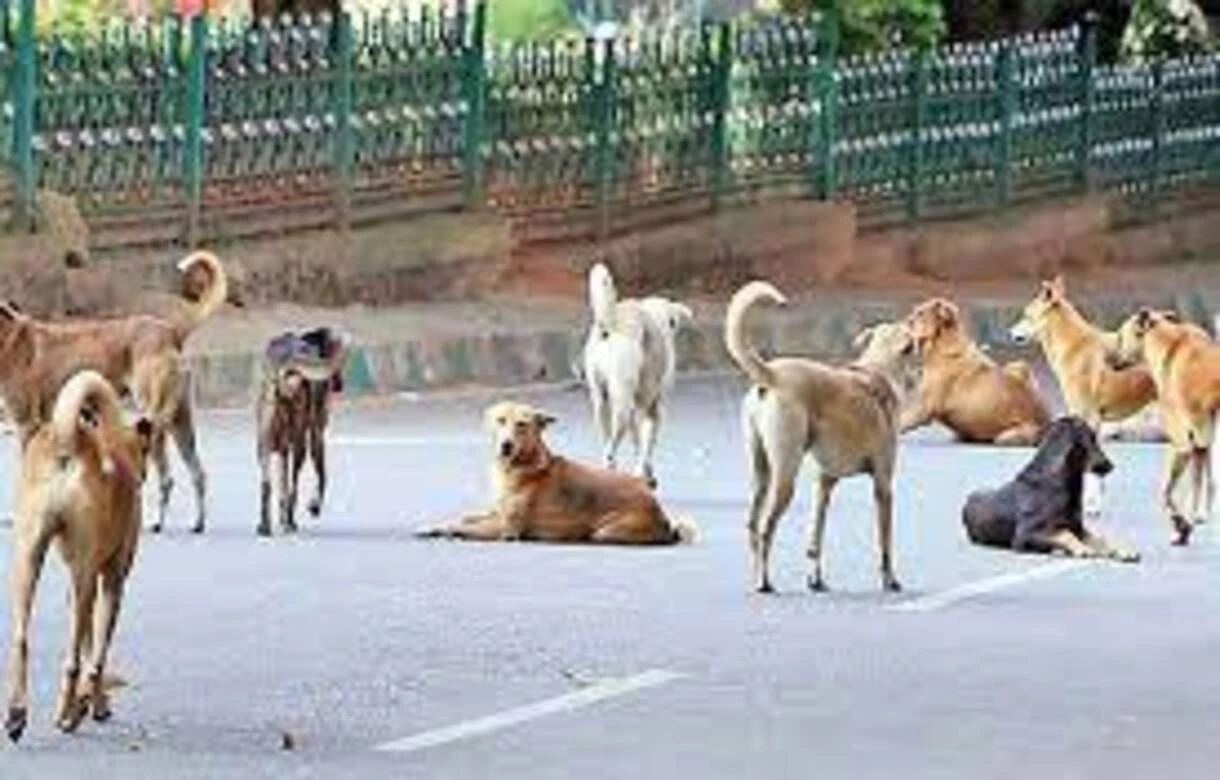
Image shows stray dogs in Delhi

The Supreme Court has modified its previous ruling regarding stray dogs in the Delhi-National Capital Region that had mandated their capture and permanent relocation to special shelters. The Court said the stricture was too harsh.

The court acknowledged the August 11 decision, which led to a backlash from dog lovers and created tensions within communities by prohibiting the release of vaccinated dogs, was made without adequately assessing the capabilities of municipal bodies.

“A blanket directive to remove all strays and confine them to shelters, without considering existing resources and infrastructure, could result in a ‘catch-22 situation,’ making compliance impractical,” the bench of Justice Vikram Nath, Justice Sandeep Mehta, and Justice NV Anjaria said. They emphasized that a more comprehensive approach was needed to temper the previous directives.

The three-judge panel revised the August 11 order today, allowing vaccinated stray dogs to be released from shelters post-sterilization, barring cases of aggressive behaviour or rabies. Residents were warned against feeding stray dogs in public, with directions to municipal authorities to create dedicated feeding areas in each ward.

A helpline was established for residents to report violations of these orders, which are expected to be adhered to by all states and union territories. The court also cautioned animal activists and others against interfering with municipal personnel as they capture, neuter, and release the dogs.

The amended ruling has received praise from animal activists who critiqued the August 11 decision. Congress MP Rahul Gandhi described the changes as reflective of a “compassionate approach” that prioritizes both animal welfare and public safety.

The first order had caused significant outrage among dog lovers over the stricture to round up all stray dogs in the Delhi-NCR and house them in shelters. However, following the pushback from animal rights advocates, the court changed its stance.

In today’s revised order, the court emphasized adherence to Animal Birth Control (ABC) protocols, which outline measures for managing the stray population, including returning sterilized dogs to their original neighbourhoods. The court warned against obstructing these services.

India News

Delhi records coolest day of June so far as rain and thunderstorms bring relief from heat

Delhi recorded its coolest day of June after rain and thunderstorms caused a sharp drop in temperatures. IMD has forecast more showers and gusty winds before temperatures begin rising again.

Published

on

Delhi weather today

Delhi witnessed its coolest day of June so far after widespread rain and thunderstorm activity caused temperatures to drop significantly across the national capital. The change in weather provided much-needed relief from the intense summer heat that had gripped the region in recent weeks.

According to the India Meteorological Department (IMD), rain and thunderstorms over the past 24 hours brought a noticeable decline in both maximum and minimum temperatures. Official weather observations showed that Delhi’s maximum temperatures fell well below normal levels, while several areas experienced strong winds and rainfall.

More rain and thunderstorms likely

The IMD has forecast additional thunderstorms, light to moderate rain and gusty winds for Delhi and nearby areas through Saturday. A yellow alert remains in place, with weather conditions expected to stay unsettled before gradually improving.

Weather experts have attributed the recent change to the influence of a western disturbance and associated weather systems affecting northwestern India. While the disturbance is gradually moving away, its impact is expected to continue for a short period.

Temperatures may rise again next week

Meteorologists expect the pleasant conditions to last for another couple of days. After that, temperatures are likely to begin rising again as rainfall activity decreases. The IMD’s latest forecast also indicates a gradual increase in temperatures by the middle of next week.

Recent weather systems have brought relief not only to Delhi but also to parts of Uttar Pradesh, Rajasthan and other northern states, where thunderstorms and rain have helped ease heatwave conditions.

Continue Reading

India News

Rajnath Singh says Indus waters will not flow to terror patrons as India maintains tough stance on Pakistan

Rajnath Singh said India would not allow Indus river waters to benefit countries that support terrorism, reinforcing New Delhi’s position on the future of the Indus Waters Treaty.

Published

on

Rajnath Singh

Defence Minister Rajnath Singh on Friday delivered a strong message to Pakistan, stating that India would not allow the waters of the Indus river system to benefit countries that support terrorism.

Addressing an event, Singh said the Narendra Modi-led government remains committed to protecting India’s interests and would ensure that water resources are not used in a manner that benefits what he described as “terror patrons.” His remarks come amid continuing tensions between India and Pakistan over the future of the Indus Waters Treaty (IWT).

The statement reflects India’s broader position that the treaty will remain in abeyance until Pakistan takes credible and irreversible steps to end support for cross-border terrorism. Officials have repeatedly maintained that terrorism and normal bilateral cooperation cannot go hand in hand.

India’s position on the Indus Waters Treaty

The Indus Waters Treaty, signed in 1960 with World Bank mediation, governs the sharing of waters from the Indus river system between India and Pakistan. For decades, it has been regarded as one of the most enduring agreements between the two neighbours.

However, India placed the treaty in abeyance after the April 2025 terror attack in Pahalgam, citing national security concerns and Pakistan’s alleged support for cross-border terrorism. Since then, Indian officials have consistently argued that Pakistan’s actions violate the spirit of goodwill and cooperation on which the agreement was based.

Government signals tougher approach on water sharing

Recent statements from senior ministers have indicated that New Delhi is exploring ways to maximise the use of water available to India under the Indus river system. Union Jal Shakti Minister C.R. Patil recently said the government is working to ensure that not a single drop of water that India can utilise goes to Pakistan in the coming years.

Rajnath Singh’s latest remarks add to that messaging, reinforcing the government’s view that issues related to water sharing cannot be separated from concerns about terrorism and national security.

Pakistan’s response and ongoing dispute

Pakistan has opposed India’s decision to keep the treaty in abeyance and has continued to raise concerns about water security and treaty obligations. The issue has also featured in international legal and diplomatic discussions, with India rejecting certain arbitration-related proceedings concerning the treaty.

The dispute remains a significant point of friction between the two countries, with both sides maintaining firm positions on the future of the water-sharing agreement.

Continue Reading

India News

Vijay meets PM Modi for second time as Tamil Nadu Chief Minister during Delhi visit

Tamil Nadu Chief Minister Vijay met Prime Minister Narendra Modi in New Delhi during his latest visit to the capital, marking their second interaction since Vijay became Chief Minister.

Published

on

Actor vijay

Tamil Nadu Chief Minister C. Joseph Vijay met Prime Minister Narendra Modi in New Delhi on Thursday, marking their second meeting since Vijay assumed office last month.

The meeting took place during Vijay’s visit to the national capital, where he has also been scheduled to attend the Governing Council meeting of NITI Aayog. Reports indicate that the interaction between the two leaders lasted around 20 minutes.

This follows Vijay’s first official meeting with the Prime Minister on May 27, shortly after taking charge as Tamil Nadu Chief Minister. During that meeting, Vijay submitted a memorandum on several issues concerning the state, including the Mekedatu dam project, Tamil Nadu fishermen detained in Sri Lanka, and other matters related to the state’s interests.

Vijay’s latest Delhi visit has included meetings with several national leaders as he continues engagements with the Centre and leaders from different political parties. Reports said he also met senior Congress leaders during the trip.

The Tamil Nadu Chief Minister took office on May 10 after his party, Tamilaga Vettri Kazhagam (TVK), emerged as a key force in the 2026 Assembly elections and formed the government with support from alliance partners.

While details of the latest discussion between Vijay and the Prime Minister were not immediately disclosed, the meeting is being viewed as part of ongoing Centre-state consultations on issues concerning Tamil Nadu.

Continue Reading

Trending

© Copyright 2022 APNLIVE.com