
India News
Sushant Singh Rajput death case: Rhea Chakraborty conducted yoga classes for inmates in jail, reveals lawyer Satish Maneshinde
The actor was lodged inside the jail for 28 days over drug-related charges in Sushant Singh Rajput death case.


Actor Rhea Chakraborty, who was released from Byculla jail on Wednesday following a bail from Bombay High Court, took help of yoga to stay positive and survive in the jail, her lawyer Satish Maneshinde has revealed. The actor was lodged inside the jail for 28 days over drug-related charges in Sushant Singh Rajput death case which has taken the entire country by storm.
Maneshinde in an interview to NDTV said that her client was in good spirits when he visited her in the jail. She lived inside the jail like a commoner and conducted yoga classes for other inmates. He added that he does not usually visit clients in jail, but in Rhea’s case he went to see how she was doing as a witch-hunt was being conducted against her. He further said that Rhea comes from army background and is very strong, which helped her survive the ordeal.

The senior advocate said that that the actor was hounded because Sushant Singh Rajput’s family was vindictive towards her. He added that the three premier agencies – Enforcement Directorate (ED), Central Bureau of Investigation (CBI) and Narcotics Control Bureau (NCB) were hounding her only because she was live-in partner of the late actor.
Read Also: Hathras gangrape accused claim innocence, say victim’s family beat her up
Sushant’s father KK Singh had filed an FIR against Rhea Chakraborty accusing her of abetment of suicide of Sushant and taking out Rs 15 crore from his account. Rhea was arrested by NCB on September 8 on the charges that she procured drugs for the late actor. Following which she spent 28 days in jail before being granted bail by the Bombay HC. In her bail petition, Rhea said that Sushant took advantage of those around him and made them get drugs for him. Chakraborty will have to report to Mumbai police for the next 10 days and NCB every month for next six months.








India News
Centre sends 3 letters to Punjab government after anti-drug activist’s killing
The Centre has sought reports from the Punjab government on three incidents linked to allegations surrounding drug-related activities, including the killing of anti-drug activist Parvinder Singh Jhota.

India News
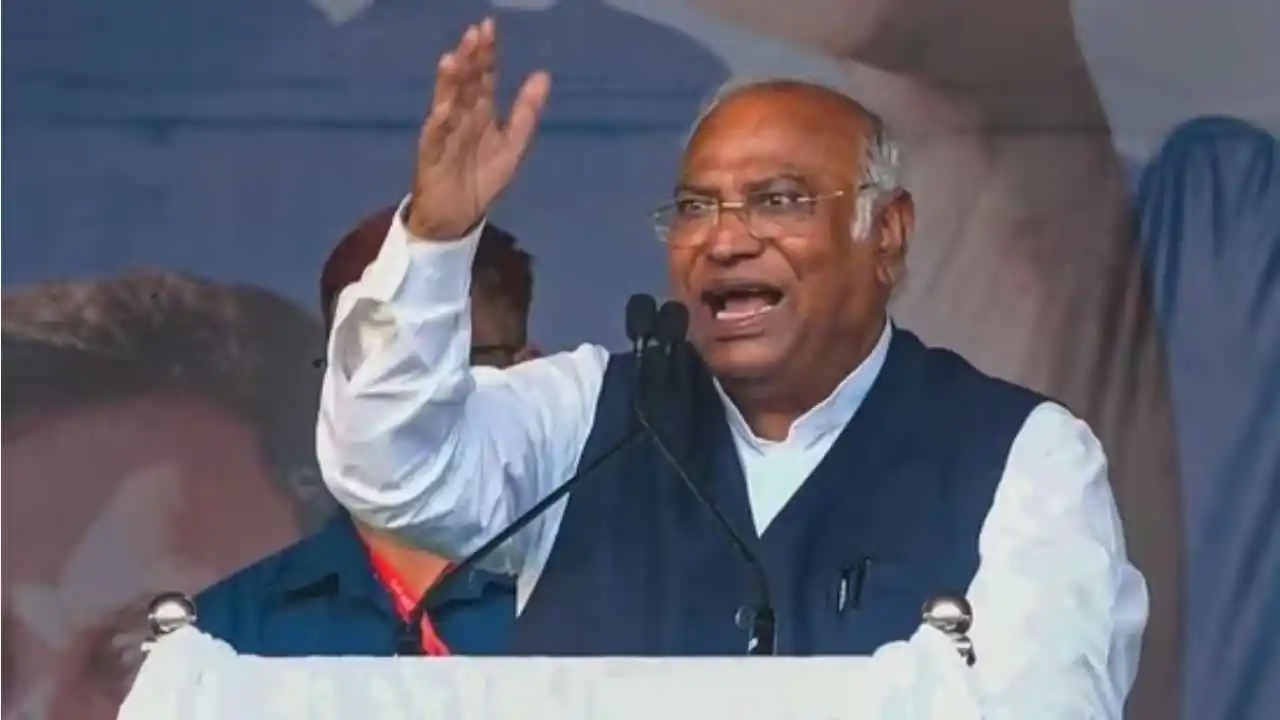
Mallikarjun Kharge seeks all-party meeting with PM Modi on delimitation
Congress president Mallikarjun Kharge has written to Prime Minister Narendra Modi for the fourth time, seeking an all-party meeting on delimitation. He also flagged the 64-day delay in proroguing Parliament’s Monsoon Session.
India News
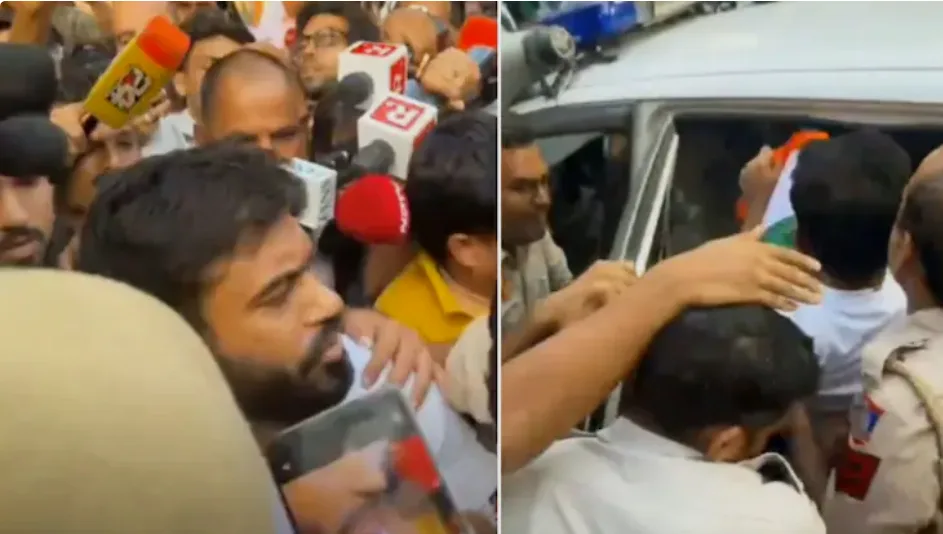
Abhijeet Dipke detained ahead of CJP’s national flag march in Delhi
Cockroach Janta Party founder Abhijeet Dipke was detained by Delhi Police on October 16, 2026, shortly before a planned national flag march. The proposed rally followed the judicial custody of two CJP members who had waved the Tricolour at Jantar Mantar.

Mallikarjun Kharge’s ‘Your Friends’ jab at Rahul Gandhi over congress exits

Magnitude 7 earthquake strikes Russia’s Kamchatka Peninsula

Delhi deploys 25,000 personnel, installs CCTV cameras ahead of CJP march

Abhijeet Dipke detained ahead of CJP’s national flag march in Delhi

Mallikarjun Kharge seeks all-party meeting with PM Modi on delimitation

Centre sends 3 letters to Punjab government after anti-drug activist’s killing
Mallikarjun Kharge seeks all-party meeting with PM Modi on delimitation
Abhijeet Dipke detained ahead of CJP’s national flag march in Delhi
Magnitude 7 earthquake strikes Russia’s Kamchatka Peninsula
Delhi deploys 25,000 personnel, installs CCTV cameras ahead of CJP march

Afghan Men Try To Hang With The Jet Engine Of The Aircraft in Kabul- Afghanistan News – Kabul News
Trending Top 10 News: 10000 Crore Fine on Flipkart, Apple to Launch Unique Feature, Hdfc Bank Job Ad

Trending Top 10 News: Nokia 6310, Apple sales, Bachpan ka Pyar Video Kid, Dainik Bhaskar IT Raid

Trending Top 10 News: Canada bans Indian flights, Rain in Delhi NCR, AIMIM Twitter hacked, Raj Kundra case

Trending Top 10 News: Shein India, Apple New Service, Pocket Oxygen, Oppo Launched New Phone
-
 India News15 hours ago
Mallikarjun Kharge’s ‘Your Friends’ jab at Rahul Gandhi over congress exits
-
 Latest world news15 hours ago
Magnitude 7 earthquake strikes Russia’s Kamchatka Peninsula
-
 India News15 hours ago
Delhi deploys 25,000 personnel, installs CCTV cameras ahead of CJP march
-
 India News6 hours ago
Abhijeet Dipke detained ahead of CJP’s national flag march in Delhi
-
 India News5 hours ago
Mallikarjun Kharge seeks all-party meeting with PM Modi on delimitation
-
 India News4 hours ago
Centre sends 3 letters to Punjab government after anti-drug activist’s killing
