
India News
Sushma Swaraj launches Passport Seva app post Lucknow passport row


[vc_row][vc_column][vc_column_text]The External Affairs Minister (EAM) Sushma Swaraj has announced a passport application can now be processed easily from anywhere in India from mobile phones via Passport Seva App.
Marriage certificates will no more be required at the passport offices and divorced women will no longer be required to fill the name of their ex-husband and their children of their estranged father, said EAM. The app was launched on Tuesday, 25 June.
Swaraj, while addressing the officials of several Passport Seva Kendras and members of the Ministry of External Affairs on the occasion of Passport Seva Diwas, stated that the two new schemes – Passport application from anywhere in India and filling passport application forms from mobile phones – would now make the procedure for obtaining passports simpler.
A person can apply for a passport from any of the Regional Passport Offices (RPO) and Passport Seva Kendras (PSK) or Post Office Passport Seva Kendras (POPSK) from any city, irrespective of the place of stay.
The passport will be printed and dispatched to the applicant’s address mentioned at the time of submitting the form from the same centre where he/she had applied, the MEA said. Once an applicant submits the form and all the required documents and fee, the further process of police verification, if needed, will be conducted at the address specified in the application.
Swaraj also launched a mobile app – ‘mPassport Seva App’ through which a person can apply, pay and schedule appointment for the purpose. The app will be available on Android and iOS operating systems.
This new scheme and the mobile application was launched on the occasion of sixth Passport Seva Divas on Tuesday.
As of now, to apply for a passport, one had to travel to the RPO office under the jurisdiction of his/her place of stay. But now onwards, a person who is staying temporarily in Delhi and has his/her permanent address in another city can apply for a passport at any RPO or the above-mentioned centres in Delhi.
The app ‘mPassport Seva App’, Swaraj said, will further ease the process for applying for the document which is required when you travel abroad.
While terming it as a “passport revolution”, the minister said that the simplified new passport application rules will make things much easier for hundreds of Indian citizens. During her speech, she also stated that new passport centres now function in separate northeast regions of the country as earlier there was just a single centre in Guwahati.
“In the first two phases, we announced 251 passports registration centres out of which 212 centres are already established. In the third phase, 38 additional centres were announced out of which two centres have been operationalized,” the EAM said.
Addressing the officials of several Passport Seva Kendras and members of the Ministry of External Affairs on the occasion of Passport Seva Diwas, she said, “Married men and women complained that their marriage certificates are required at the passport office, we scrapped the rule.”
The step comes at a time when recently there was much controversy regarding the documents of an inter-faith couple, Tanvi Seth and Mohammad Anas Siddiqui after they took to twitter to allege harassment by Passport Granting Officer Vikas Mishra in Lucknow. Then there were a series of reports suggesting that the matter was regarding consistency of documents presented as a proof.
The Husband alleged that he was asked by the Passport Seva Official Vikas Mishra to convert to his wife’s religion (Hindu) if he wanted a passport.
A day later, the Regional Passport Office in Lucknow transferred Mishra and issued passports to the couple.

Mohammad Anas Siddiqui and Tanvi Seth show their passports issued to them by the Regional Passport Office, in Lucknow on June 21
A section of social media also trolled Swaraj and the ministry for taking action against Mishra, claiming that he was just doing his duty.
The Congress on Sunday jumped into the fray and responded to the external affairs minister’s statement, saying, “No matter what the situation or reason, nothing calls for threats of violence, disrespect and abuse. Sushma Swaraj ji, we applaud your decision to call out the heinous trolls of your own party.”
Meanwhile, UP Police said Tanvi Seth has not been staying at the current mentioned address for a year. “We have sent our report to the Regional Passport Office, further investigation will be done by them,” said Deepak Kumar, ANI reported.[/vc_column_text][vc_raw_html]JTNDYmxvY2txdW90ZSUyMGNsYXNzJTNEJTIydHdpdHRlci10d2VldCUyMiUyMGRhdGEtbGFuZyUzRCUyMmVuJTIyJTNFJTNDcCUyMGxhbmclM0QlMjJlbiUyMiUyMGRpciUzRCUyMmx0ciUyMiUzRUluJTIwb3VyJTIwaW52ZXN0aWdhdGlvbiUyQyUyMHdlJTIwZm91bmQlMjBvdXQlMjB0aGF0JTIwVGFudmklMjBTZXRoJTIwaGFzJTIwbm90JTIwYmVlbiUyMHN0YXlpbmclMjBhdCUyMHRoZSUyMGN1cnJlbnQlMjBtZW50aW9uZWQlMjBhZGRyZXNzJTIwZm9yJTIwYSUyMHllYXIuJTIwV2UlMjBoYXZlJTIwc2VudCUyMG91ciUyMHJlcG9ydCUyMHRvJTIwdGhlJTIwUmVnaW9uYWwlMjBQYXNzcG9ydCUyME9mZmljZSUyQyUyMGZ1cnRoZXIlMjBpbnZlc3RpZ2F0aW9uJTIwd2lsbCUyMGJlJTIwZG9uZSUyMGJ5JTIwdGhlbSUzQSUyMERlZXBhayUyMEt1bWFyJTJDJTIwU1NQLiUyMEx1Y2tub3clMjBvbiUyMEludGVyLWZhaXRoJTIwY291cGxlJTIwcGFzc3BvcnQlMjByb3clMjAlM0NhJTIwaHJlZiUzRCUyMmh0dHBzJTNBJTJGJTJGdC5jbyUyRmVId3BwNjNUZ0UlMjIlM0VwaWMudHdpdHRlci5jb20lMkZlSHdwcDYzVGdFJTNDJTJGYSUzRSUzQyUyRnAlM0UlMjZtZGFzaCUzQiUyMEFOSSUyMFVQJTIwJTI4JTQwQU5JTmV3c1VQJTI5JTIwJTNDYSUyMGhyZWYlM0QlMjJodHRwcyUzQSUyRiUyRnR3aXR0ZXIuY29tJTJGQU5JTmV3c1VQJTJGc3RhdHVzJTJGMTAxMTU2MjAwMjcxODc4NTUzNiUzRnJlZl9zcmMlM0R0d3NyYyUyNTVFdGZ3JTIyJTNFSnVuZSUyMDI2JTJDJTIwMjAxOCUzQyUyRmElM0UlM0MlMkZibG9ja3F1b3RlJTNFJTBBJTNDc2NyaXB0JTIwYXN5bmMlMjBzcmMlM0QlMjJodHRwcyUzQSUyRiUyRnBsYXRmb3JtLnR3aXR0ZXIuY29tJTJGd2lkZ2V0cy5qcyUyMiUyMGNoYXJzZXQlM0QlMjJ1dGYtOCUyMiUzRSUzQyUyRnNjcmlwdCUzRSUwQQ==[/vc_raw_html][/vc_column][/vc_row]




India News
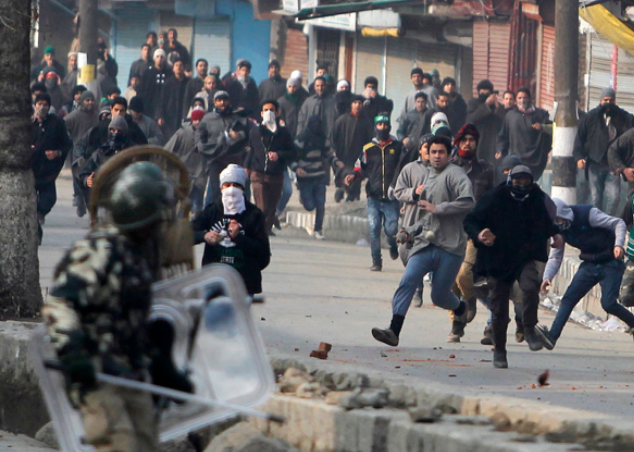
Delhi deploys 25,000 personnel, installs CCTV cameras ahead of CJP march
More than 25,000 police and paramilitary personnel have been deployed in Delhi ahead of the CJP’s planned protest march at Connaught Place. Authorities have also imposed restrictions and stepped up CCTV surveillance.

India News
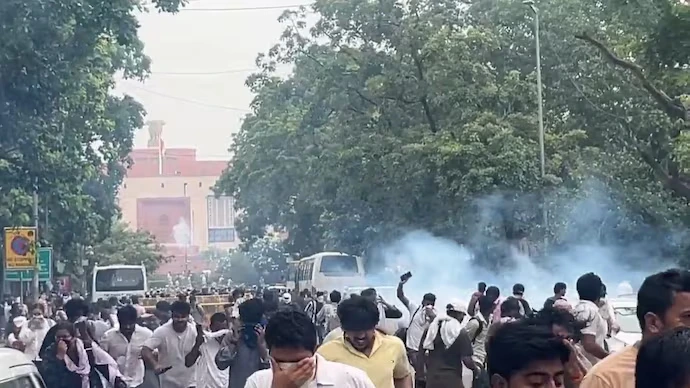
Mallikarjun Kharge’s ‘Your Friends’ jab at Rahul Gandhi over congress exits
Congress president Mallikarjun Kharge took a dig at Rahul Gandhi after the Leader of the Opposition reportedly described former party leaders Jyotiraditya Scindia and Ghulam Nabi Azad as among those who had left the Congress.
India News
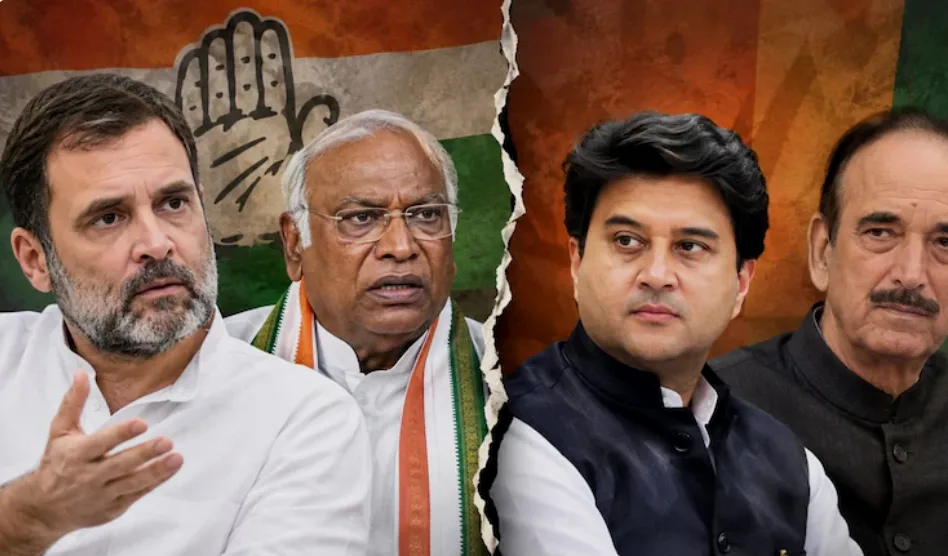
Delhi Police offers 11-person limit for CJP’s Connaught Place protest
Delhi Police has offered to facilitate a group of 11 people at Central Park in Connaught Place for the Cockroach Janata Party’s October 16 protest, while warning that violations of prohibitory orders could invite legal action.


Election Commission orders voter roll revision in 17 states, UTs

Actor Imran Khan asked to leave India after CJP protest

Delhi Police offers 11-person limit for CJP’s Connaught Place protest

Mallikarjun Kharge’s ‘Your Friends’ jab at Rahul Gandhi over congress exits

Delhi deploys 25,000 personnel, installs CCTV cameras ahead of CJP march

Magnitude 7 earthquake strikes Russia’s Kamchatka Peninsula
Delhi deploys 25,000 personnel, installs CCTV cameras ahead of CJP march
Mallikarjun Kharge’s ‘Your Friends’ jab at Rahul Gandhi over congress exits
Delhi Police offers 11-person limit for CJP’s Connaught Place protest
Actor Imran Khan asked to leave India after CJP protest

Afghan Men Try To Hang With The Jet Engine Of The Aircraft in Kabul- Afghanistan News – Kabul News
Trending Top 10 News: 10000 Crore Fine on Flipkart, Apple to Launch Unique Feature, Hdfc Bank Job Ad

Trending Top 10 News: Nokia 6310, Apple sales, Bachpan ka Pyar Video Kid, Dainik Bhaskar IT Raid

Trending Top 10 News: Canada bans Indian flights, Rain in Delhi NCR, AIMIM Twitter hacked, Raj Kundra case

Trending Top 10 News: Shein India, Apple New Service, Pocket Oxygen, Oppo Launched New Phone
-
 India News22 hours ago
Election Commission orders voter roll revision in 17 states, UTs
-
 India News22 hours ago
Actor Imran Khan asked to leave India after CJP protest
-
 India News21 hours ago
Delhi Police offers 11-person limit for CJP’s Connaught Place protest
-
 India News9 hours ago
Mallikarjun Kharge’s ‘Your Friends’ jab at Rahul Gandhi over congress exits
-
 India News9 hours ago
Delhi deploys 25,000 personnel, installs CCTV cameras ahead of CJP march
-
 Latest world news9 hours ago
Magnitude 7 earthquake strikes Russia’s Kamchatka Peninsula
