
India News
The Wire served a ‘gag order’ against story on Amit Shah’s son

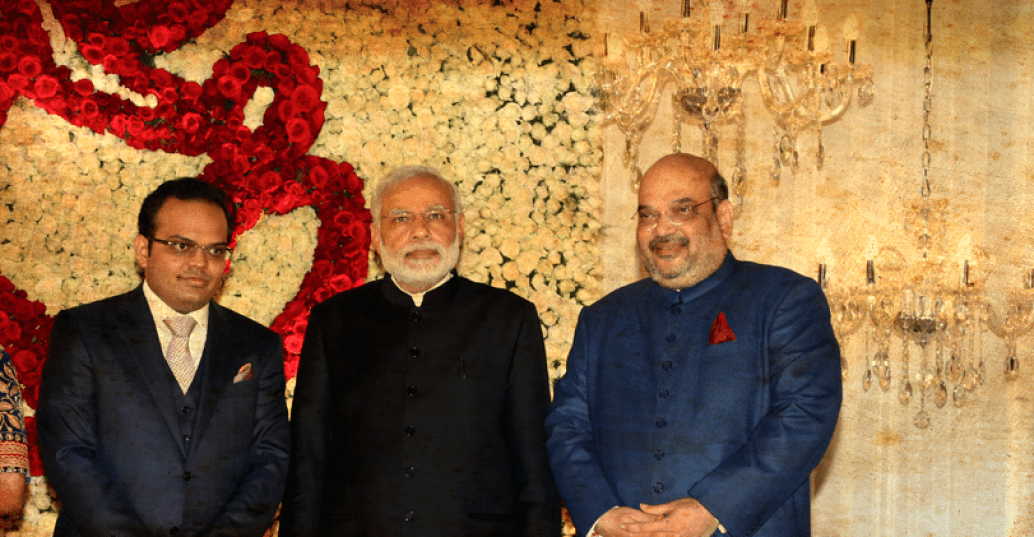
[vc_row][vc_column][vc_column_text]Ad-interim injunction has been reportedly issued by fourth Addl Senior Civil Judge, Ahmedabad Rural, The Wire says order will not go unchallenged
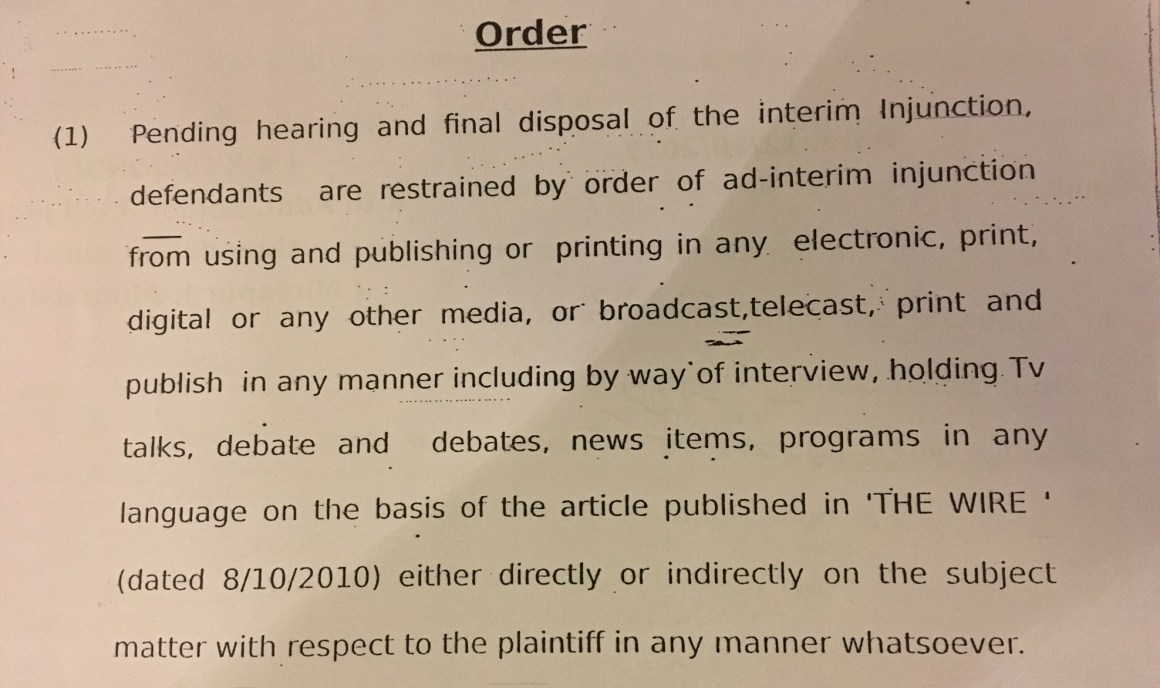
Online news portal The Wire has published what it calls a ‘gag order’ from the lawyer of Jay Amit Shah, son of BJP President Amit Shah. The “order”, of October 12, 2017, is purportedly of B.K. Dasondi, 4th Addl Senior Civil Judge, Ahmedabad Rural (Mirzapur), Ahmedabad.
The Wire had published an article about business dealings of Jay Amit Shah, against which Jay has threatened a Rs 100 crore defamation suit against the portal.
 We produce The Wire’s statement as it has appeared on its website.
Press statement issued by The Wire:[/vc_column_text][/vc_column][/vc_row][vc_row css=”.vc_custom_1508232388764{border-bottom-width: 20px !important;padding-top: 20px !important;padding-bottom: 20px !important;background-color: #a2b1bf !important;}”][vc_column][vc_column_text]The Wire received in the afternoon of today, i.e. October 16, 2017, a set of documents in an envelope sent under the name of Milan S. Bhatt, Advocate, Ahmedabad.
There is no covering letter and the entire set appears to be of photocopies. Among these are the following
- Special Civil Suit No.442/2017 filed by Jay Amit Shah in the Court of the Fourth Additional Senior Civil Judge Ahmedabad Rural (Mirzapur) Ahmedabad .
- Application praying for an interim injunction pending the hearing and final disposal of the suit.
- Text purporting to be Order Below Exhibit 5 SPCS No.442/2017 dated October 12, 2017, of B.K. Dasondi, 4th Addl Senior Civil Judge, Ahmedabad Rural (Mirzapur), Ahmedabad, which reads verbatim as follows:
“Pending hearing and final disposal of the interim Injunction, defendants are restrained by order ad-interim injunction from using and publishing or printing in any electronic, print, digital or any other media, or broadcast,telecast, print and publish in any manner including by way of interview, holding TV talks, debate and debates, news items, programs in any language on the basis of the article published in ‘THE WIRE ‘ (dated 8/10/2010) either directly or indirectly on the subject matter with respect to the plaintiff in any manner whatsoever.”
PICTURE HERE: AHMEDABAD_WIRE)
- The order is signed illegibly and faintly in some script appearing to be Devnagari-like.
The Wire was neither served notice nor given an opportunity to be heard before this ex-parte injunction was sought and granted.
It will be evident to anyone reading the Special Civil Suit that no single factual error has been substantively shown or pleaded against The Wire. No case of untruth has been made out against The Wire. Indeed, the plaint acknowledges that the full text of the lawyer’s exchange with The Wire was available on the website on the date of filing the suit, which is shown as October 12, 2017. Incidentally October 12, 2017 is also the date of the text of Order. The time of filing the suit or of the passing of “Order below Exhibit 5” is not available with The Wire.
It goes without saying that this attempt to gag The Wire will not go unchallenged.[/vc_column_text][/vc_column][/vc_row]




India News
Centre sends 3 letters to Punjab government after anti-drug activist’s killing
The Centre has sought reports from the Punjab government on three incidents linked to allegations surrounding drug-related activities, including the killing of anti-drug activist Parvinder Singh Jhota.

India News
Mallikarjun Kharge seeks all-party meeting with PM Modi on delimitation
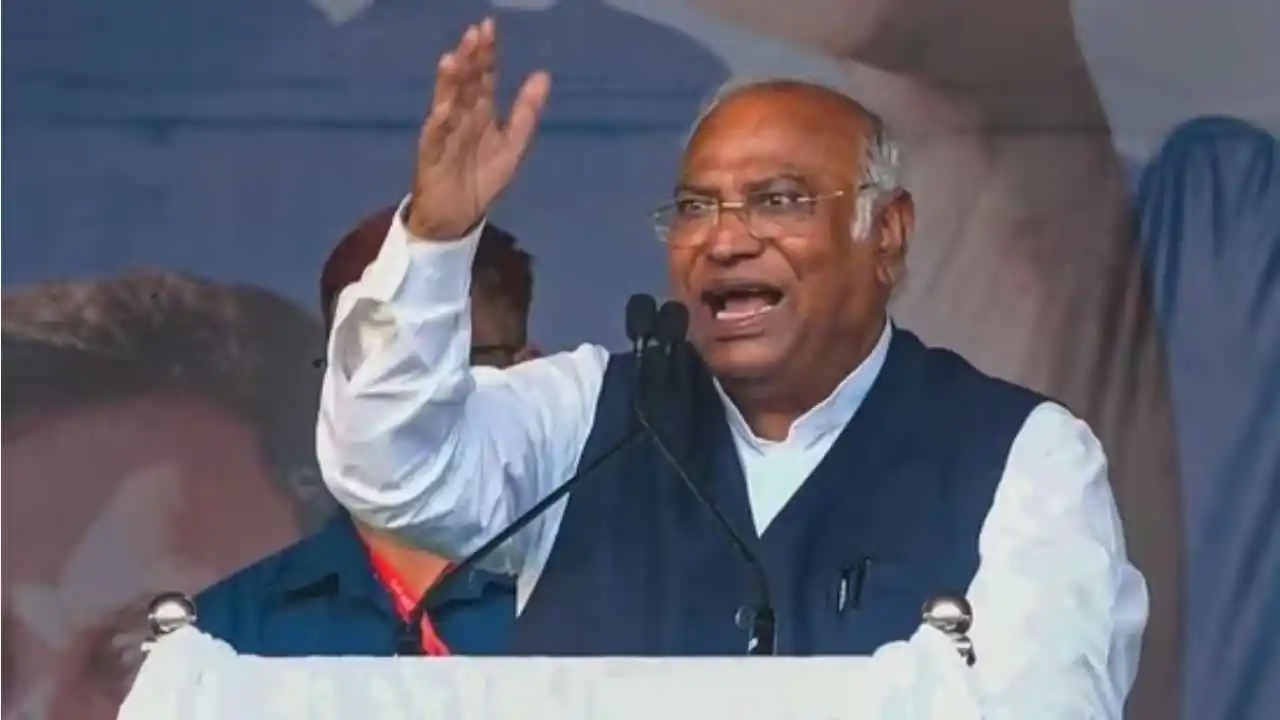
Congress president Mallikarjun Kharge has written to Prime Minister Narendra Modi for the fourth time, seeking an all-party meeting on delimitation. He also flagged the 64-day delay in proroguing Parliament’s Monsoon Session.
India News
Abhijeet Dipke detained ahead of CJP’s national flag march in Delhi
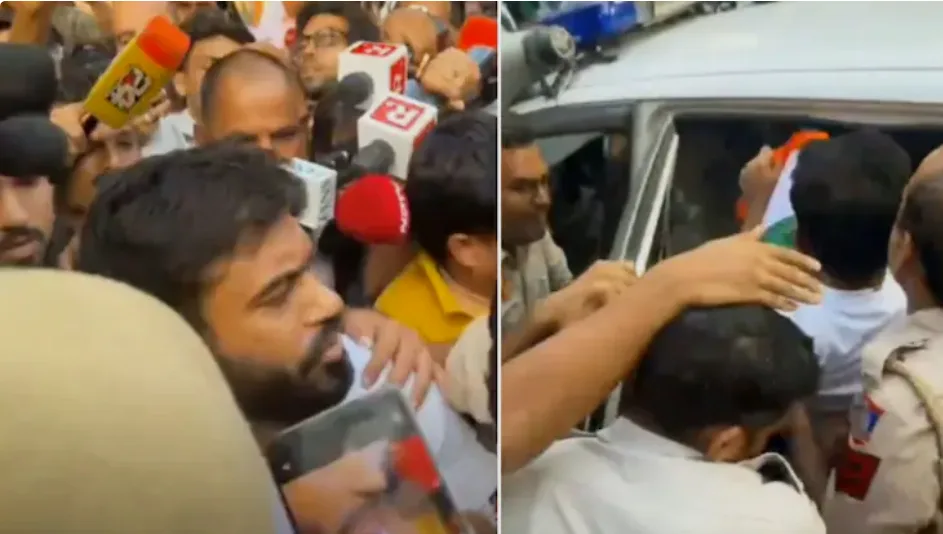
Cockroach Janta Party founder Abhijeet Dipke was detained by Delhi Police on October 16, 2026, shortly before a planned national flag march. The proposed rally followed the judicial custody of two CJP members who had waved the Tricolour at Jantar Mantar.

Magnitude 7 earthquake strikes Russia’s Kamchatka Peninsula

Mallikarjun Kharge’s ‘Your Friends’ jab at Rahul Gandhi over congress exits

Delhi deploys 25,000 personnel, installs CCTV cameras ahead of CJP march

Abhijeet Dipke detained ahead of CJP’s national flag march in Delhi

Mallikarjun Kharge seeks all-party meeting with PM Modi on delimitation

Centre sends 3 letters to Punjab government after anti-drug activist’s killing
Mallikarjun Kharge seeks all-party meeting with PM Modi on delimitation
Abhijeet Dipke detained ahead of CJP’s national flag march in Delhi
Magnitude 7 earthquake strikes Russia’s Kamchatka Peninsula
Delhi deploys 25,000 personnel, installs CCTV cameras ahead of CJP march

Afghan Men Try To Hang With The Jet Engine Of The Aircraft in Kabul- Afghanistan News – Kabul News
Trending Top 10 News: 10000 Crore Fine on Flipkart, Apple to Launch Unique Feature, Hdfc Bank Job Ad

Trending Top 10 News: Nokia 6310, Apple sales, Bachpan ka Pyar Video Kid, Dainik Bhaskar IT Raid

Trending Top 10 News: Canada bans Indian flights, Rain in Delhi NCR, AIMIM Twitter hacked, Raj Kundra case

Trending Top 10 News: Shein India, Apple New Service, Pocket Oxygen, Oppo Launched New Phone
-
 Latest world news23 hours ago
Magnitude 7 earthquake strikes Russia’s Kamchatka Peninsula
-
 India News23 hours ago
Mallikarjun Kharge’s ‘Your Friends’ jab at Rahul Gandhi over congress exits
-
 India News23 hours ago
Delhi deploys 25,000 personnel, installs CCTV cameras ahead of CJP march
-
 India News14 hours ago
Abhijeet Dipke detained ahead of CJP’s national flag march in Delhi
-
 India News12 hours ago
Mallikarjun Kharge seeks all-party meeting with PM Modi on delimitation
-
 India News11 hours ago
Centre sends 3 letters to Punjab government after anti-drug activist’s killing
