
India News
RUSSIA TO JOIN HANDS WITH INDIA IN VACCINE PRODUCTION
Amid the race to develop a vaccine against the novel coronavirus, Health Ministry today said that India is in conversation with Russia on lines of Sputnik-V covid-19 vaccine, which was earlier launched by Russian President Vladimir Putin.


Amid the race to develop a vaccine against the novel coronavirus, Health Ministry today said that India is in conversation with Russia on lines of Sputnik-V covid-19 vaccine, which was earlier launched by Russian President Vladimir Putin.
“As far as Sputnik-5 vaccine is concerned, India and Russia are in communication. Some initial information has been shared,”
Said Rajesh Bhushan, Secretary, Union Health Ministry.
Russia had recently registered “world’s first Covid-19 vaccine” and is now in the phase III trial of the vaccine, which involved more than 40,000 people at more than 45 medical centres around Russia. According to an earlier report, Russia is looking for a partnership with India for producing Covid-19 vaccine, Kirill Dmitriev, the CEO of the Russian Direct Investment Fund (RDIF) said. Dmitriev added that several nations are interested in the production of the vaccine from countries in Latin America, Asia and the Middle East.
“The production of the vaccine is a very important issue. Currently, we are looking for a partnership with India. We believe that they are capable of producing the Gamaleya vaccine and it is very important to say that those partnerships to produce the vaccine will enable us to cover the demand that we have,” he said.

He also said Russia is looking forward to international cooperation. “We are going to do clinical trials not just in Russia but also in the UAE, Saudi Arabia, probably in Brazil and India. We are planning to produce the vaccine in more than five countries and there is a very high demand from Asia, Latin America, Italy and other parts of the world regarding the delivery of the vaccine,” he added.
Dubbed as Sputnik V, the vaccine is developed by Gamaleya Research Institute and the Russian defence ministry. Russia registered the vaccine after less than two months of human testing. The results of initial trials have not been made public yet.
Earlier, the Indian Medical Research Institute (ICMR)’s director general Balram Bhargava had said, “Russia has fast tracked a vaccine which has been successful in its early phases. They have fast tracked its development.”
Apart from that, the ministry also mentioned that India has also ramped up the development of its Covid-19 vaccine. At present three COVID-19 vaccines are “ahead in the race in India,” said Dr Bhargava.
The Serum Institute’s vaccine is in phase 2(B) and phase 3 trials and Bharat Biotech and Zydus Cadila’s vaccines have completed phase 1 trial, informed Dr Bhargava. Meanwhile, the Covid-19 vaccine being developed by the University of Oxford and AstraZeneca could be put before regulators this year if scientists are able to gather enough data, said the director of the Oxford Vaccine Group.







India News
Actor Imran Khan asked to leave India after CJP protest
Actor Imran Khan has been asked to leave India by October 28, days after participating in a protest called by the Cockroach Janta Party (CJP) in Mumbai.


India News
Election Commission orders voter roll revision in 17 states, UTs
The Election Commission has ordered a Special Summary Revision of electoral rolls in 17 states and Union Territories. Draft rolls are scheduled for November 12, with final rolls due on January 4, 2027.

India News
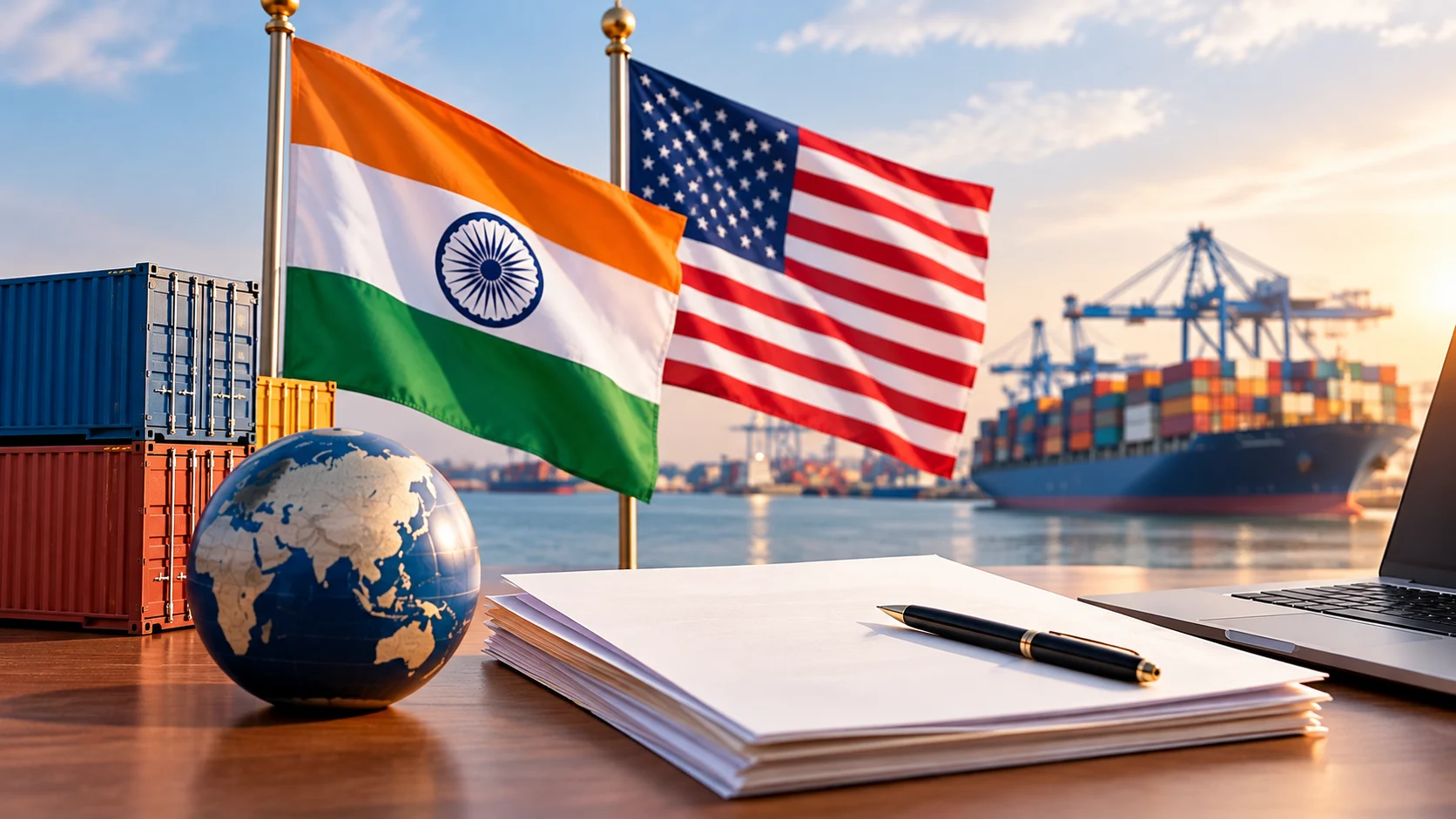
India-US trade deal first phase finalised, drafting underway
The first phase of the India-US trade agreement has been finalised and is undergoing legal drafting, Commerce Minister Piyush Goyal said. The deal is expected to be operationalised once India secures a competitive advantage over peer countries.

Supreme Court questions EC over missing records in Sringeri election dispute

Dhruv Rathee gets fresh summons in 2018 BJP IT cell video case

Nobody can browbeat judiciary, Chief Justice warns over Rahul Gandhi’s march

India-US trade deal first phase finalised, drafting underway

Election Commission orders voter roll revision in 17 states, UTs

Actor Imran Khan asked to leave India after CJP protest
Election Commission orders voter roll revision in 17 states, UTs
India-US trade deal first phase finalised, drafting underway
Nobody can browbeat judiciary, Chief Justice warns over Rahul Gandhi’s march
Dhruv Rathee gets fresh summons in 2018 BJP IT cell video case

Afghan Men Try To Hang With The Jet Engine Of The Aircraft in Kabul- Afghanistan News – Kabul News
Trending Top 10 News: 10000 Crore Fine on Flipkart, Apple to Launch Unique Feature, Hdfc Bank Job Ad

Trending Top 10 News: Nokia 6310, Apple sales, Bachpan ka Pyar Video Kid, Dainik Bhaskar IT Raid

Trending Top 10 News: Canada bans Indian flights, Rain in Delhi NCR, AIMIM Twitter hacked, Raj Kundra case

Trending Top 10 News: Shein India, Apple New Service, Pocket Oxygen, Oppo Launched New Phone
-
 India News24 hours ago
Supreme Court questions EC over missing records in Sringeri election dispute
-
 India News11 hours ago
Dhruv Rathee gets fresh summons in 2018 BJP IT cell video case
-
 India News8 hours ago
Nobody can browbeat judiciary, Chief Justice warns over Rahul Gandhi’s march
-
 India News4 hours ago
India-US trade deal first phase finalised, drafting underway
-
 India News1 hour ago
Election Commission orders voter roll revision in 17 states, UTs
-
 India News57 mins ago
Actor Imran Khan asked to leave India after CJP protest
