
India News
The final map of the Ram temple is near, now the foundation will start
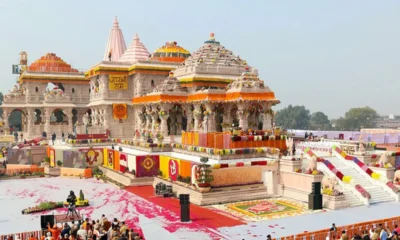
Today another progress was made towards the construction of a grand temple of Lord Sri Rama in Ayodhya. The map of Shri Ram Janmabhoomi Temple being built in Ayodhya has been passed today.


The final map of the Shri Ram Janmabhoomi Temple being built in Ayodhya was passed unanimously on Wednesday by the Ayodhya Development Authority. The map that has been cleared has 274,110 square metres open area and about 13,000 square metres covered area. The Ram temple will be built in the 13,000 square metres covered area.
Significantly, the temple of Lord Rama in Ayodhya can be completed in 36 to 40 months. Not even a gram of iron will be used in the temple construction. Champat Rai, the general secretary of Shri Ram Janmabhoomi Teerth Kshetra Trust, said the structure of the temple would be built so that it lasts at least 1,000 years. Engineers of Larsen & Toubro and IIT are part of the construction team.
Rai said that such arrangements are being made for devotees to view the remains found at the temple site. Stones will be used in temple construction. According to the age of the stones, the age of the temple has been estimated to be one thousand years. Construction company Larsen & Toubro has added the best people.

Rai said the company has consulted IIT Madras to measure the strength of the soil. Soil up to 60 metres deep have been studied for earthquake resistance. The area of the Ram temple will be about three acres.
Rai said that 10,000 copper leaves and rods are also needed in the construction of the temple. For this, the donors need to come forward. According to government figures, two crore visitors come to Ayodhya every year. This figure will increase significantly once the Ram temple is built. Therefore, the government is thinking about facilities for bus, rail and air travel etc.
Read Also: Centre bans PUBG Mobile, 117 more Chinese apps
The trust had submitted the map to the authority a few days ago and was updated as per recommendations. The map was resubmitted after modification. Map fees paid by cheque. Now that the map has passed, the excavation for setting the foundation of the temple will begin which is to be done by L&T.



India News
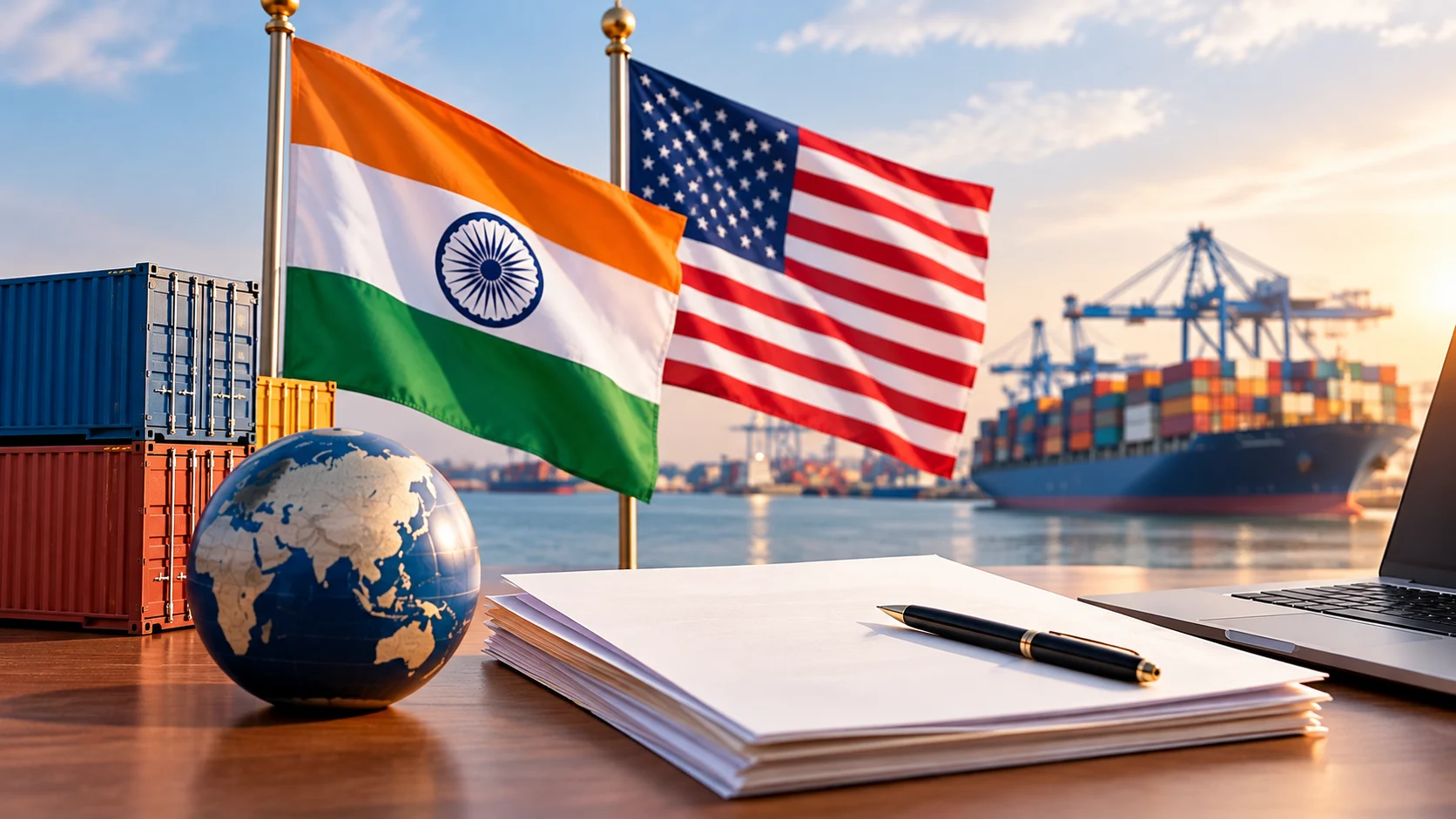
India-US trade deal first phase finalised, drafting underway
The first phase of the India-US trade agreement has been finalised and is undergoing legal drafting, Commerce Minister Piyush Goyal said. The deal is expected to be operationalised once India secures a competitive advantage over peer countries.

India News
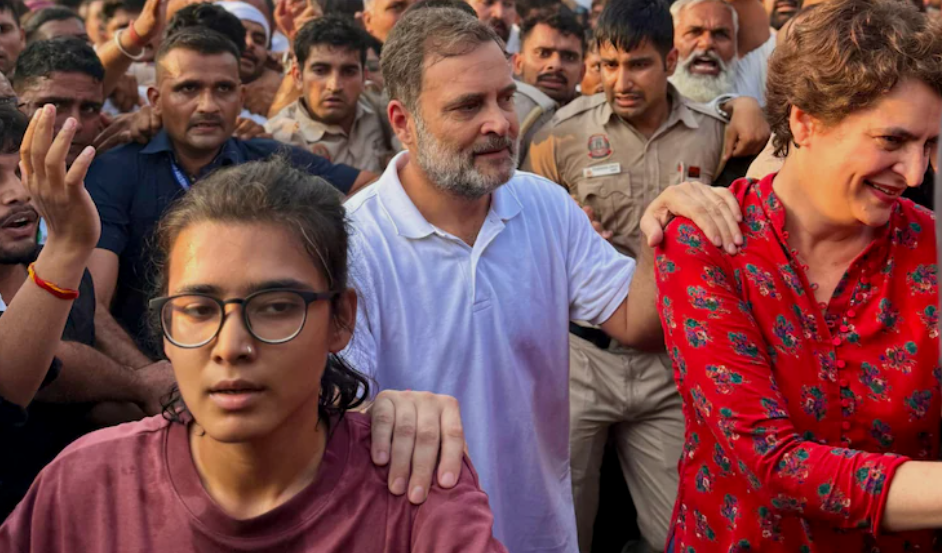
Nobody can browbeat judiciary, Chief Justice warns over Rahul Gandhi’s march
The Supreme Court issued notices to opposition leaders, including Rahul Gandhi and Akhilesh Yadav, over their march to the court on October 12 concerning irregularities in the Special Intensive Revision of electoral rolls.
India News
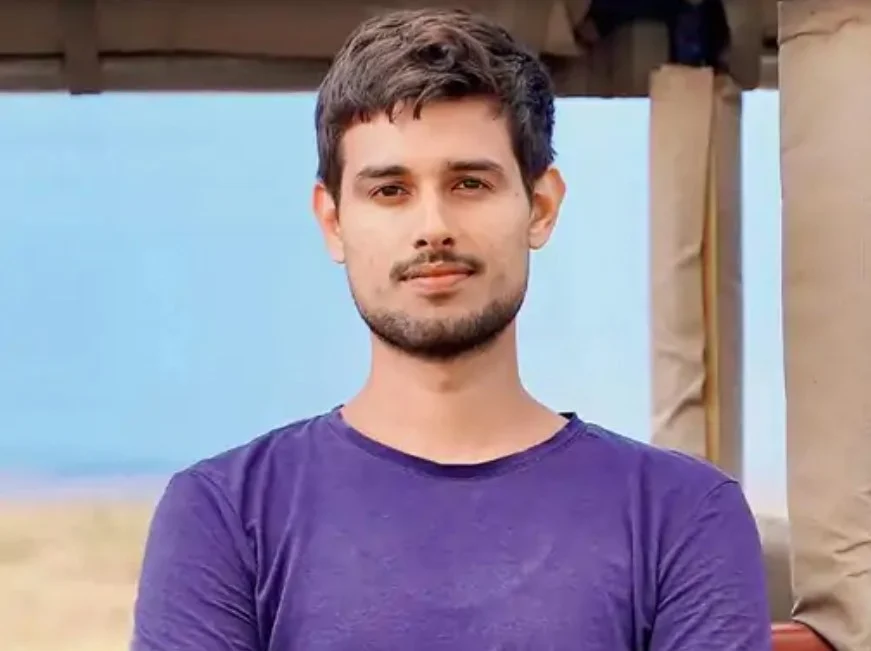
Dhruv Rathee gets fresh summons in 2018 BJP IT cell video case
YouTuber Dhruv Rathee has received fresh summons from a Delhi court in a 2018 criminal defamation case filed by Vikas Pandey over a video concerning the BJP IT Cell. The matter will next be heard on October 17.

Meerut murder: Muskaan Rastogi and Sahil Shukla get death sentence

Rahul Gandhi joins India Gate protest by Ankita Bhandari’s parents

Supreme Court questions EC over missing records in Sringeri election dispute

Dhruv Rathee gets fresh summons in 2018 BJP IT cell video case

Nobody can browbeat judiciary, Chief Justice warns over Rahul Gandhi’s march

India-US trade deal first phase finalised, drafting underway
Nobody can browbeat judiciary, Chief Justice warns over Rahul Gandhi’s march
Dhruv Rathee gets fresh summons in 2018 BJP IT cell video case
Supreme Court questions EC over missing records in Sringeri election dispute
Rahul Gandhi joins India Gate protest by Ankita Bhandari’s parents

Afghan Men Try To Hang With The Jet Engine Of The Aircraft in Kabul- Afghanistan News – Kabul News
Trending Top 10 News: 10000 Crore Fine on Flipkart, Apple to Launch Unique Feature, Hdfc Bank Job Ad

Trending Top 10 News: Nokia 6310, Apple sales, Bachpan ka Pyar Video Kid, Dainik Bhaskar IT Raid

Trending Top 10 News: Canada bans Indian flights, Rain in Delhi NCR, AIMIM Twitter hacked, Raj Kundra case

Trending Top 10 News: Shein India, Apple New Service, Pocket Oxygen, Oppo Launched New Phone
-
 India News23 hours ago
Meerut murder: Muskaan Rastogi and Sahil Shukla get death sentence
-
 India News23 hours ago
Rahul Gandhi joins India Gate protest by Ankita Bhandari’s parents
-
 India News22 hours ago
Supreme Court questions EC over missing records in Sringeri election dispute
-
 India News10 hours ago
Dhruv Rathee gets fresh summons in 2018 BJP IT cell video case
-
 India News6 hours ago
Nobody can browbeat judiciary, Chief Justice warns over Rahul Gandhi’s march
-
 India News2 hours ago
India-US trade deal first phase finalised, drafting underway
