English हिन्दी
Connect with us

Latest Politics News

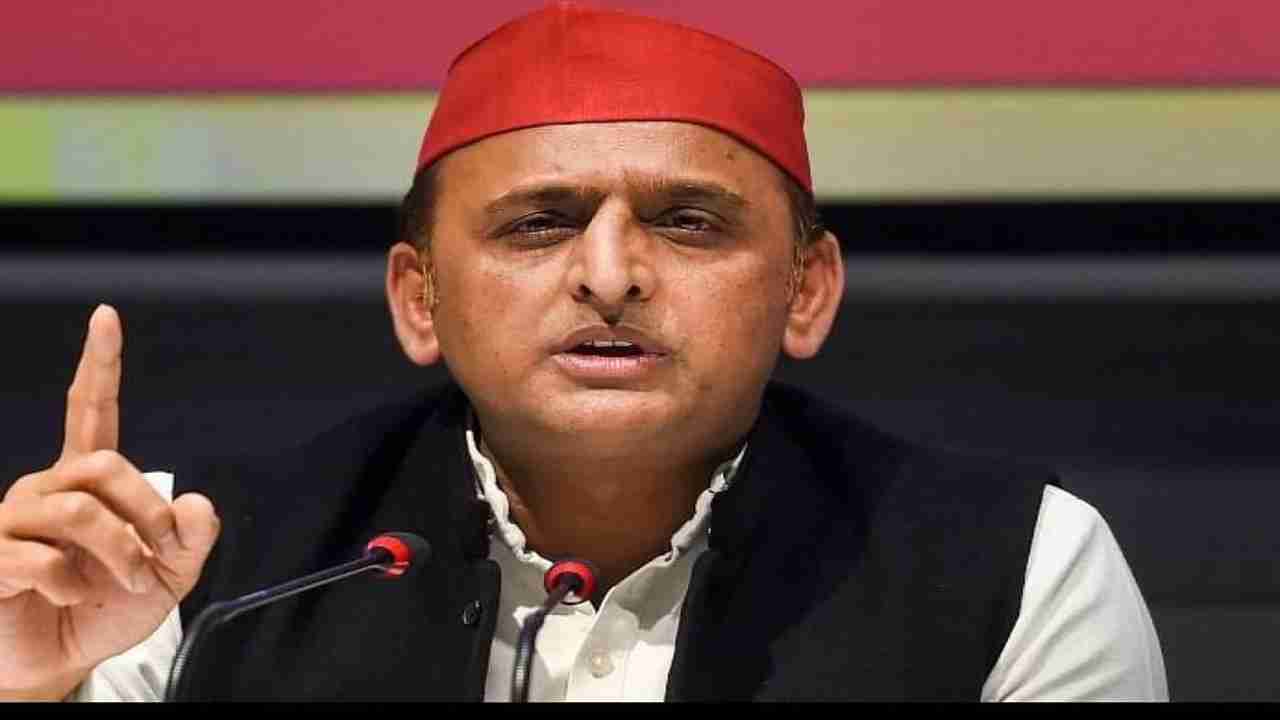
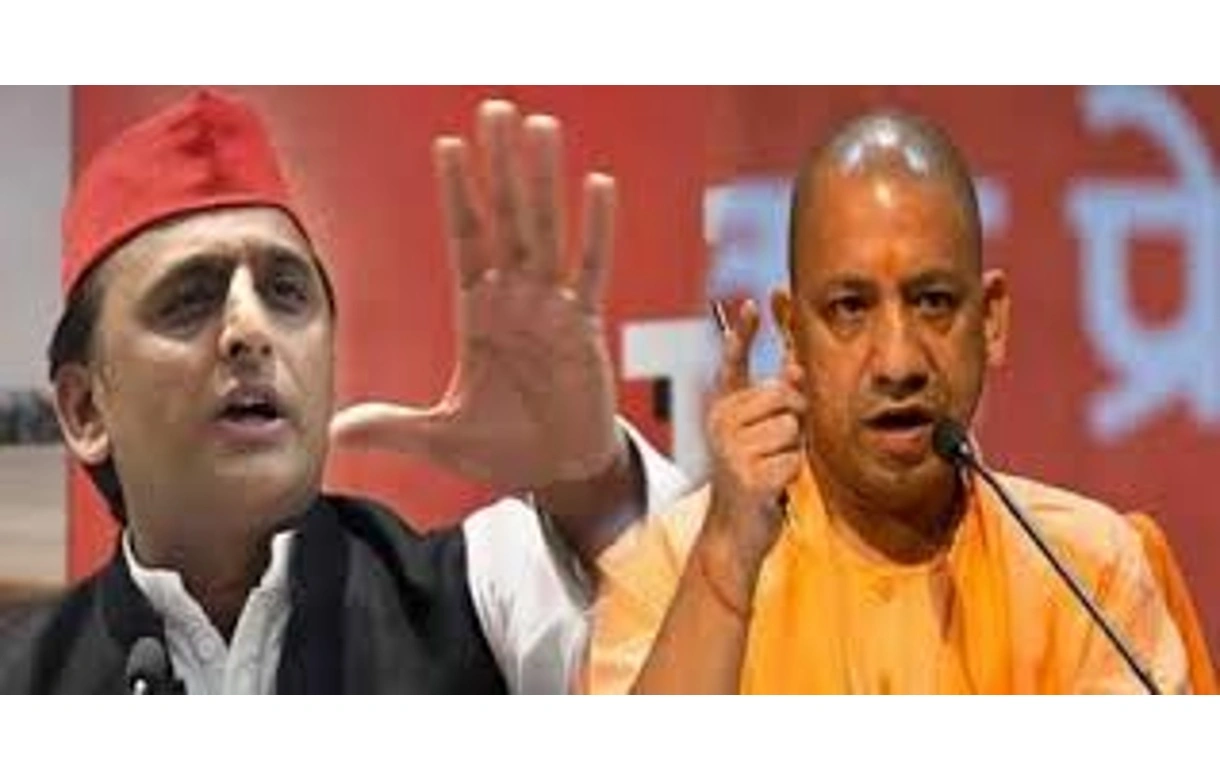
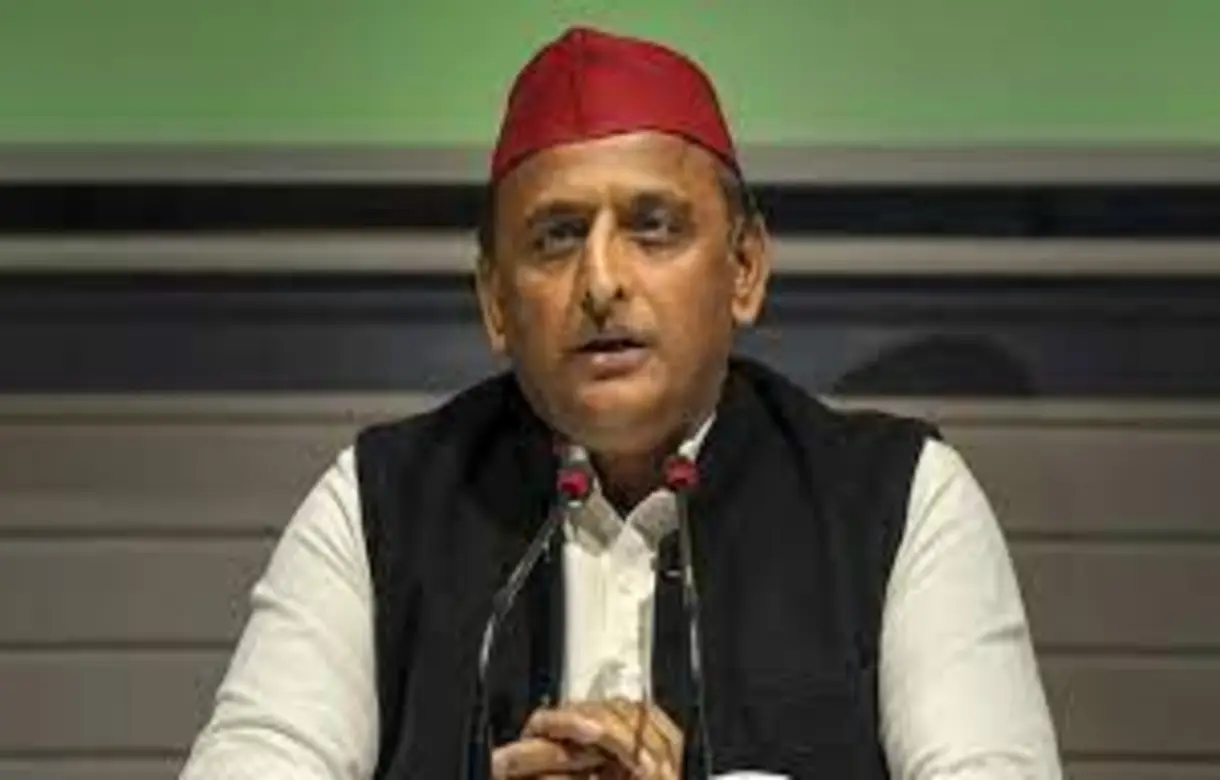
Samajwadi Party chief Akhilesh Yadav summoned by CBI in Uttar Pradesh illegal mining case

The nodal agency issued the notice under Section 160 of CrPC, asking Akhilesh Yadav to appear before it for questioning in Delhi.

Published

on

The Central Bureau of Investigation (CBI) has summoned Samajwadi Party President Akhilesh Yadav on Thursday in connection to Uttar Pradesh illegal mining case. The matter relates to the issuance of mining leases in alleged violation of e-tendering process. 

Reportedly, the nodal agency issued the notice under Section 160 of CrPC, asking Akhilesh Yadav to appear before it for questioning in Delhi. The aforesaid section allows a police officer to summon witnesses in an investigation.
Reports said that during 2012-16, when Akhilesh Yadav was the chief minister, many government officials allowed illegal mining and illegally renewed licences despite a ban by the National Green Tribunal on mining. Furthermore, the officials allegedly allowed theft of minerals, extorted money from lease-holders and drivers.

The Central Bureau of Investigation had lodged seven preliminary enquiries in 2016 on the directions of the Allahabad High Court to investigate the case of illegal mining of minor minerals. The CBI had alleged that the then chief minister Akhilesh Yadav’s office had cleared 13 projects in a single day.

They further asserted that Samajwadi Party chief Akhilesh Yadav who also held the mining portfolio for sometime, had cleared 14 leases, of which 13 were cleared on February 17, 2013, in violation of e-tendering process.

The party chief who was the chief minister of the state between 2012 and 2017, held the mining portfolio during 2012-13 apparently bringing his role under scanner, as per the FIR. The CBI FIR also claimed that others were allowed to excavate minor minerals illegally, commit theft of the minor minerals and extort money from the leaseholders as well as from the drivers of the vehicles transporting minor minerals. 

Meanwhile on Wednesday, Akhilesh Yadav slammed the BJP accusing the party of being nervous of the INDIA bloc and breaking other parties. He also vowed action against rebel MLAs who cross voted for the BJP in the Rajya Sabha elections on Tuesday.

India News

Rahul Gandhi attacks CEC Gyanesh Kumar, says vote chori leads to kanoon chori

Rahul Gandhi accused the Election Commission of failing to protect voters and linked his “vote chori” allegation to what he called “kanoon chori”.

Published

on

Congress leader and Leader of Opposition in the Lok Sabha Rahul Gandhi on Thursday launched a fresh attack on Chief Election Commissioner Gyanesh Kumar and the Narendra Modi government, alleging irregularities in India’s electoral process.

Addressing a press conference in Delhi, Mr Gandhi linked his earlier allegations of “vote chori” with what he described as “kanoon chori”, arguing that alleged manipulation of votes would have consequences for the country’s law-making and institutional systems.

“From vote chori comes kanoon chori,” Mr Gandhi said, arguing that if votes had been stolen, laws and institutional changes made by lawmakers elected through those votes would also be affected.

Rahul Gandhi attacks Gyanesh Kumar

Mr Gandhi specifically targeted Chief Election Commissioner Gyanesh Kumar and questioned the Election Commission’s handling of the electoral process.

His remarks came amid reports of differences within the poll body over the Special Intensive Revision (SIR) exercise. Mr Gandhi referred to reported concerns involving the Election Commission and alleged that questions raised about the functioning of the poll panel had not been adequately addressed.

He also alleged that the Election Commission had failed in its responsibility to protect the vote, which he described as the foundation of India’s democratic and constitutional system.

‘Vote chori’ claim

Mr Gandhi reiterated his allegations of irregularities in elections and said the issue went beyond individual voters.

He argued that the vote gives power to the Constitution, while the Constitution provides the basis for laws and institutions. On that basis, he said alleged destruction of the voting process would have wider consequences for the country’s constitutional system.

Mr Gandhi also questioned what he described as the disappearance of anti-incumbency in elections involving the BJP, comparing recent electoral outcomes with earlier political trends.

He alleged that the 2024 Lok Sabha and Assembly elections had been manipulated. These remain allegations made by Mr Gandhi and should not be presented as established facts.

Attack on Modi and Amit Shah

During the press conference, Mr Gandhi also targeted Prime Minister Narendra Modi and Union Home Minister Amit Shah while making his allegations about the electoral process.

He questioned the role of the Election Commission and its leadership, and called for accountability over what he described as irregularities affecting India’s voting system.

Mr Gandhi said he was presenting evidence for his allegations and maintained that the issue concerned not only elections but also the functioning of democratic institutions.

The Election Commission’s reported internal differences over the SIR exercise formed part of the backdrop to his remarks. The claims made by Mr Gandhi concern his interpretation of those developments and are distinct from established findings about election manipulation.

Continue Reading

India News

BJP hits back at opposition over EC row, says disagreement is democracy

The BJP has defended reported differences among Election Commissioners, saying internal deliberations are part of a healthy democratic process.

Published

on

The BJP has defended the Election Commission amid a political row over reported differences among Election Commissioners concerning decisions linked to the Special Intensive Revision (SIR) of electoral rolls.

BJP MP Sambit Patra said discussions and exchanges of views within the poll panel should be seen as part of the democratic process rather than as evidence of institutional dysfunction.

According to the BJP’s position, disagreement during official deliberations reflects the fact that members of an institution are able to put forward their views before decisions are taken.

BJP defends EC deliberations

Patra said that if the three Election Commissioners discuss and debate issues among themselves, such exchanges should not be characterised as dictatorship. He described such deliberations as a sign of a healthy democracy.

The BJP’s response came amid reports that Election Commissioners Sukhbir Singh Sandhu and Vivek Joshi had raised objections on multiple occasions over decisions and orders associated with the SIR exercise and electoral rolls.

The Election Commission has said that differences in views and observations are a normal part of deliberations within an institution. It has maintained that decisions, including those related to SIR, were taken unanimously.

Row centres on SIR process

The controversy comes against the backdrop of the ongoing political debate over the Special Intensive Revision of electoral rolls.

Opposition parties have raised concerns over the reported differences within the poll panel, while the BJP has sought to counter those arguments by pointing to the role of discussion and deliberation in institutional decision-making.

Patra also said the BJP’s understanding of the matter was based on media reports rather than access to the Election Commission’s internal documents. He said the documents, as reported, indicated that the SIR process was finalised after democratic deliberations and consensus.

What the Election Commission has said

The Election Commission has rejected the suggestion that the reported objections indicate a breakdown in its functioning.

It has maintained that differing opinions during deliberations are part of normal institutional functioning and that the decisions eventually taken by the commission were unanimous.

Continue Reading

India News

Asaduddin Owaisi offers Opposition alliance in UP, sets October 2 deadline

AIMIM chief Asaduddin Owaisi offered an alliance to Opposition parties in Uttar Pradesh ahead of the 2027 Assembly election and set October 2 as a deadline for a response.

Published

on

Asaduddin Owaisi

AIMIM chief Asaduddin Owaisi has offered to join hands with Opposition parties in Uttar Pradesh ahead of the 2027 Assembly election, saying his party is willing to work with those seeking to prevent the BJP from returning to power in the state.

Speaking at a public rally in Kanpur, Owaisi said the AIMIM would wait until October 2 for a response from Opposition parties before announcing any possible political alliance.

At the rally held at the Babupurwa Idgah ground in Kanpur’s cantonment area, Owaisi said the AIMIM did not want the BJP to form the government in Uttar Pradesh for a third time.

He invited parties seeking to prevent the BJP from returning to power to join hands with the AIMIM.

Owaisi targets Samajwadi Party

While making the alliance offer, Owaisi also criticised the Samajwadi Party and its chief Akhilesh Yadav.

Referring to the 2013 Muzaffarnagar riots, Owaisi questioned the record of the Samajwadi Party government during that period. He said around 50,000 people were displaced from their homes and villages during the riots.

Owaisi also alleged that political parties, including the Samajwadi Party, had failed to adequately address the social, economic and educational concerns of Muslims and had not provided sufficient political representation.

He said Muslims in Uttar Pradesh needed a political voice and urged voters to strengthen the AIMIM’s presence in the state Assembly.

AIMIM’s earlier alliance offer in Bihar

Owaisi also referred to the AIMIM’s earlier alliance proposal in Bihar ahead of the Assembly polls.

According to Owaisi, his party had offered to contest six seats as part of an alliance, but the proposal was not accepted. He alleged that “false allegations” were subsequently made against the AIMIM.

Opposition parties have previously accused Owaisi and the AIMIM of benefiting the BJP by dividing Muslim votes. Owaisi has rejected those allegations and has accused Opposition parties of fielding candidates who are unacceptable to minorities.

The latest alliance proposal comes ahead of the 2027 Uttar Pradesh Assembly election, with Owaisi setting October 2 as the date by which he expects a response from Opposition parties.

Continue Reading

Trending

© Copyright 2022 APNLIVE.com