English हिन्दी
Connect with us

India News

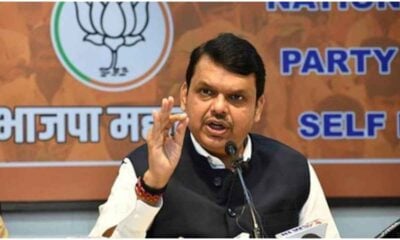
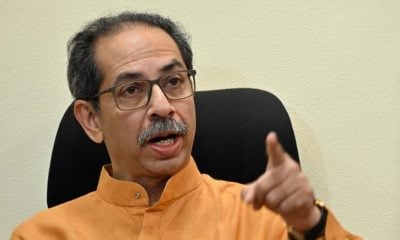
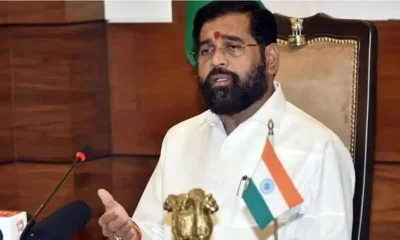
BJP raises seat offer to Eknath Shinde’s Shiv Sena to nearly 90 ahead of Mumbai civic polls, talks continue

The BJP has raised its seat offer to Eknath Shinde’s Shiv Sena to nearly 90 for the upcoming BMC elections, but fresh talks are needed as differences persist within the Mahayuti.

Published

on

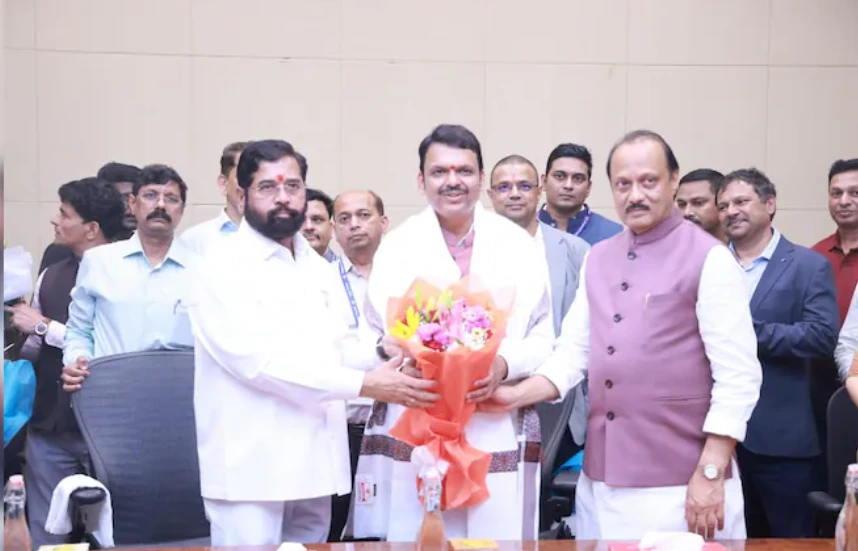
With the Brihanmumbai Municipal Corporation (BMC) elections drawing closer, the seat-sharing tussle within the Mahayuti alliance continues, with the BJP increasing its offer to Eknath Shinde-led Shiv Sena but failing to reach the party’s expectations.

According to sources, the BJP has now proposed close to 90 seats for the Shinde faction in the upcoming Mumbai civic polls. This is a significant jump from its earlier offer of 52 seats but still falls short of what Shinde is seeking. The Shiv Sena leader has reportedly reduced his demand from an initial 125 seats to 112, yet remains dissatisfied with the latest formula.

Chief Minister Devendra Fadnavis is expected to hold another round of discussions with Shinde to break the deadlock. Sources indicate that the BJP is unlikely to stretch its offer much further, especially after its strong showing in recent statewide local body elections.

BJP firm after strong local poll performance

The BJP has emerged as the single largest party in the recent local polls, securing 117 municipal president posts. In comparison, the Shinde-led Shiv Sena won 53 posts, while Ajit Pawar’s faction of the NCP secured 37. These results have strengthened the BJP’s negotiating position ahead of the BMC elections.

However, the current seat-sharing calculations could change if Ajit Pawar decides to contest the Mumbai civic polls as part of the alliance. Senior NCP leader Sunil Tatkare confirmed that no final decision has been taken yet, noting that discussions with alliance partners are ongoing.

Nawab Malik factor complicates alliance talks

A major point of contention within the Mahayuti is the issue of senior NCP leader Nawab Malik, who is facing multiple corruption cases, including a money laundering case linked to underworld activities. While the alliance has made it clear that Malik is unacceptable as part of its Mumbai setup, Ajit Pawar is reportedly firm on backing him.

Mumbai BJP chief Ameet Satam has publicly stated that the party would not align with any group that includes Malik. Sources added that if the NCP joins the alliance in Mumbai, it may be asked to project a different leader and contest a limited number of seats.

BMC elections timeline

The countdown to the Brihanmumbai Municipal Corporation elections has already begun, with less than a month left for polling. Voting is scheduled for January 15, with counting set to take place the following day. A total of 2,869 municipal seats will be contested, including 227 seats in the BMC.

India News

Petrol, diesel prices increased by around Rs 3 per litre across India

India has increased petrol and diesel prices by around Rs 3 per litre amid rising global crude oil prices linked to the Iran war and supply disruptions.

Published

on

Fuel Rate

India on Friday increased petrol and diesel prices by around Rs 3 per litre across major metro cities, marking the first major retail fuel price hike in nearly four years amid rising global crude oil prices linked to the ongoing Iran war and disruptions around the Strait of Hormuz.

The revised rates came into effect from May 15, with fuel prices increasing in Delhi, Mumbai, Kolkata and Chennai. According to the latest revised prices, petrol in Delhi now costs Rs 97.77 per litre, while diesel is priced at Rs 90.67 per litre.

In Kolkata, petrol prices climbed to Rs 108.74 per litre after one of the sharpest hikes among metros. Mumbai recorded petrol prices of Rs 106.68 per litre, while Chennai saw petrol rates rise to Rs 103.67 per litre.

Global crude oil surge behind hike

The increase comes as international crude oil prices remained elevated due to continuing tensions in West Asia and disruptions in global oil supply routes, particularly around the Strait of Hormuz. India, which imports a large portion of its crude oil requirements, has been facing mounting pressure from rising global energy costs.

State-run oil marketing companies had largely kept retail fuel prices unchanged despite weeks of volatility in global oil markets. However, sustained high crude prices reportedly forced companies to pass part of the burden on to consumers.

The fuel price revision is expected to impact transportation costs and household expenses, with concerns that higher fuel rates could contribute to broader inflationary pressure in the coming weeks.

First retail fuel hike in years

The latest revision is being seen as the first significant retail fuel price increase since 2022, apart from minor tax-related adjustments in recent years.

Earlier this week, Reserve Bank of India Governor Sanjay Malhotra had warned that prolonged geopolitical tensions in the Middle East could eventually force an increase in domestic fuel prices if crude oil costs remained elevated.

Continue Reading

India News

Delhi government announces two work-from-home days weekly for offices after PM Modi’s fuel-saving appeal

Delhi government employees will work from home twice a week under a new fuel conservation initiative announced by Chief Minister Rekha Gupta following Prime Minister Narendra Modi’s appeal for energy-saving measures.

Published

on

Rekha Gupta cm

Delhi Chief Minister Rekha Gupta on Thursday announced that government offices in the national capital will observe two work-from-home days every week as part of a broader fuel conservation campaign launched after Prime Minister Narendra Modi urged citizens to reduce fuel consumption amid global economic uncertainty.

The measures, which will take effect from Friday, are part of the Delhi government’s “Mera Bharat Mera Yogdan” campaign aimed at promoting sustainable practices, reducing fuel usage and improving energy efficiency across departments.

Under the new policy, ministers, officers and government employees will also participate in a “Monday Metro” initiative, encouraging the use of public transport instead of private vehicles. Citizens have additionally been urged to observe one “No Vehicle Day” every week.

The Delhi government said no new petrol, diesel or electric vehicles would be purchased for the next six months. Officials also announced a one-year halt on official foreign travel for ministers and officers as part of the austerity measures.

The Chief Minister’s convoy has also been reduced to four vehicles, including two electric vehicles, in a move the government described as an effort to encourage cleaner mobility and lower fuel use.

Additional measures include increasing transport allowance for employees by 10%, installing master switches in government offices to reduce electricity wastage, and fixing air-conditioner temperatures between 24 and 26 degrees Celsius.

The government has also requested universities and educational institutions to conduct non-practical classes online to cut travel-related fuel consumption.

Prime Minister Modi had recently appealed to citizens to conserve fuel, use public transport, adopt carpooling and revive work-from-home arrangements wherever possible due to concerns over global supply disruptions and rising fuel prices linked to tensions in West Asia.

Continue Reading

India News

India bans sugar exports till September 2026 amid domestic supply concerns

India has banned sugar exports with immediate effect until September 2026 or until further orders to stabilise domestic supply and control prices.

Published

on

The Indian government has banned the export of sugar with immediate effect until September 30, 2026, or until further orders, in a move aimed at addressing domestic supply concerns and stabilising local prices.

According to an order issued by the Directorate General of Foreign Trade (DGFT) under the Ministry of Commerce and Industry, the restriction applies to raw, white and refined sugar shipments.

The policy shift effectively changes the export status from “restricted” to “prohibited,” marking a significant tightening of India’s sugar export regime.

Shift from earlier export allowance

India had previously permitted limited sugar exports based on expectations of surplus production. However, the latest decision reverses that stance amid evolving supply conditions.

The move is intended to ensure sufficient domestic availability of sugar and control price pressures in the local market.

Key impact on trade and shipments

The ban will apply to all new export consignments of sugar categories covered under the order. However, exemptions may apply for shipments already in the pipeline, depending on compliance with specified conditions set by authorities.

The restriction is expected to significantly impact sugar trade flows, given India’s position as one of the world’s largest sugar producers and exporters.

Continue Reading

Trending

© Copyright 2022 APNLIVE.com