English हिन्दी
Connect with us

India News

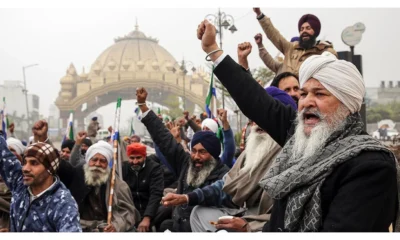
Farmers protest: Unions stick to their demands, all focus on next meeting

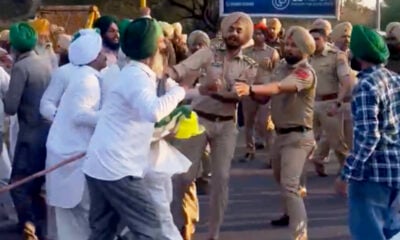
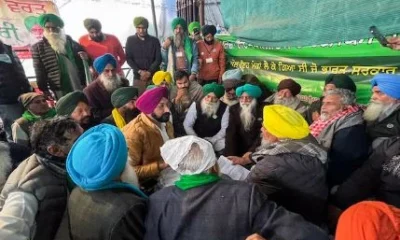
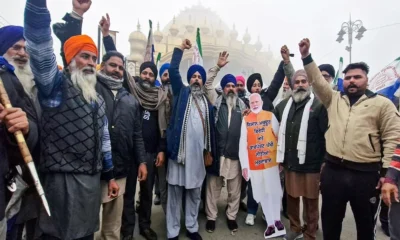
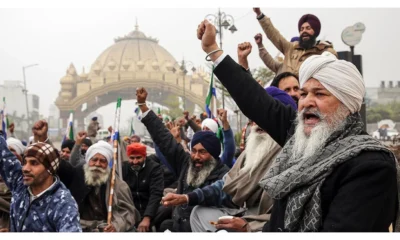
The deadlock between the government and the protesting farmers continues as the seventh round of talks with the Centre remained inconclusive, with the farmers were stick to their demand for the repeal of the farm laws while the government was still trying to convince them by listing out various benefits of the farm laws.

Published

on

FARMERS PROTEST

The deadlock between the government and the protesting farmers continues as the seventh round of talks with the Centre remained inconclusive, with the farmers were stick to their demand for the repeal of the farm laws while the government was still trying to convince them by listing out various benefits of the farm laws. The next meeting is scheduled on January 8.
After which the farmers had threatened to intensify the agitation and have called for a Kisaan Parade on Republic Day in Delhi and other parts of the country. They had also proposed a tractor march on January 6 which suspended due to bad weather forecast.

As the protesting farmers had decided to intensify the protest across the country against the Centre’s farm laws, the Supreme Court on Wednesday expressed disappointment and scheduled all the petitions challenging the three farm laws to January 11.

While hearing a petition challenging the farm laws, Chief Justice S.A. Bobde said the court’s intention was to encourage talks between the government and the protesting farmers but there is no improvement in the situation at all. The CJI also said that the Court understand the situation and encourage talks to end more than one month long deadlock between the government and protesting farmers.

At least six petitions challenging the constitutionality of three farm laws are pending in the country’s Apex Court while two petitions have been filed seeking removal of the protesting farmers from the Delhi borders. Moreover, the multiple petitions have been filed related to the violation of human rights of protesting farmers.

Thousands of farmers from Punjab, Haryana and some other parts of the country have been camping at several Delhi border points since November 28, demanding the repeal of the farm laws, a legal guarantee on minimum support price for their crops and other two issues.

Last week, the government and the farmers were made an understanding on withdrawal of the Electricity Amendment Bill and the penal provisions for stubble burning in the Air Quality Commission Ordinance.

On reports that Punjab accepted farm laws, Punjab Chief Minister Amarinder Singh said the news is fake and highly irresponsible. Countering the rumour he said Food Minister Bharat Bhushan Ashu’s statement had been mischievously twisted by the media.

Also Read: States step up to contain spread of bird flu after death of lakhs of birds

In his statement, he asked Prime Minister Narendra Modi to withdraw the farm laws. He also said Punjab was the first state that opposed the farm laws and even started the process to amend state bills to negate the dangerous impact on agriculture of the new laws.

India News

SIR 2026: EC gives voters in 7 states another chance to join final rolls

The Election Commission has opened another opportunity for voters left out of the draft SIR rolls in Delhi, Maharashtra, Haryana, Andhra Pradesh, Jharkhand, Telangana and Nagaland.

Published

on

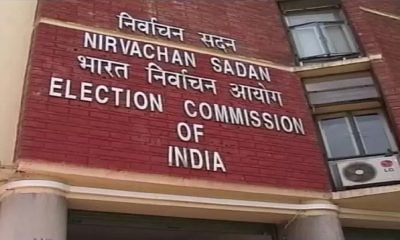
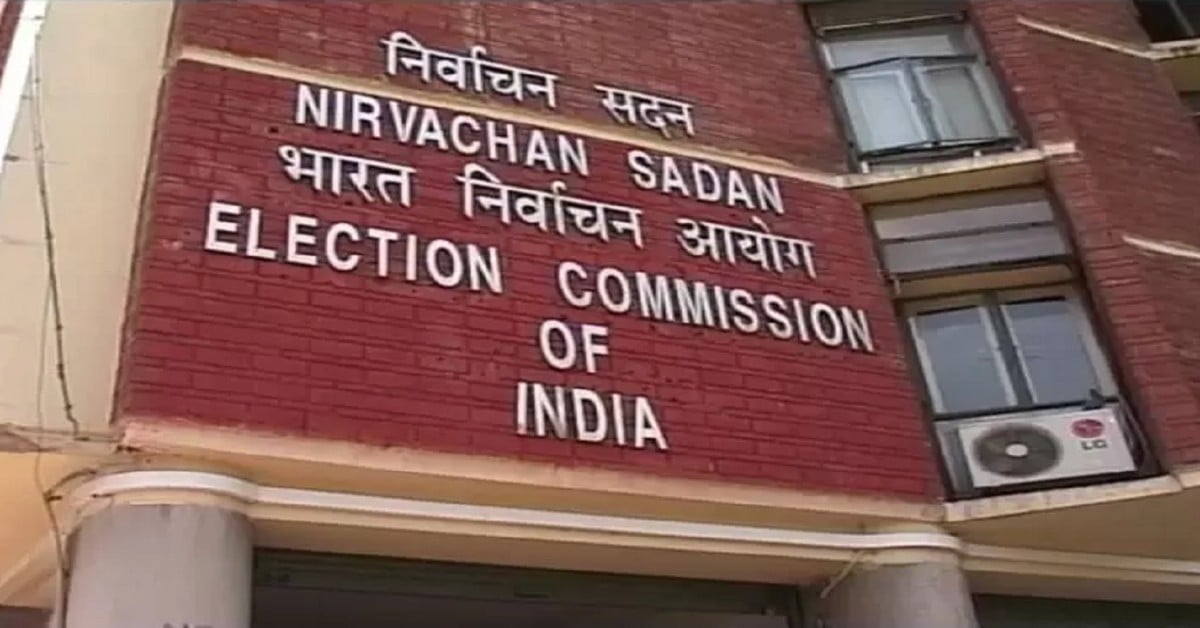
Election Commission of India

The Election Commission has given another opportunity to certain voters whose names were not included in the draft electoral rolls during the ongoing Special Intensive Revision (SIR) exercise.

The decision applies to Delhi, Maharashtra, Haryana, Andhra Pradesh, Jharkhand, Telangana and Nagaland. It covers electors who were issued Enumeration Forms but whose names were left out of the draft rolls after being marked under the ASDD categories — Absent, Shifted, Dead or Duplicate.

The move is aimed at ensuring that eligible voters get an opportunity to have their cases considered before the final electoral rolls are published. The EC has also directed officials to prevent duplicate enrolments while ensuring that eligible electors are not left out.

Lists of excluded voters to be displayed again

The Election Commission has directed officials to display booth-wise lists of voters falling under the specified categories again at the concerned polling stations.

The lists will also be made available at panchayat bhawans and urban local body offices and uploaded on the websites of the respective Chief Electoral Officers. They will mention the probable reasons why the voters’ names were not included in the draft rolls.

Fresh enumeration forms for affected voters

District election officials and Electoral Registration Officers have been asked to generate partially filled Enumeration Forms afresh through the ECINET system.

Booth Level Officers will be tasked with contacting the affected voters and helping ensure that the forms reach them. This can include physical delivery as well as communication through WhatsApp, email or SMS where contact details are available.

Voters can also download and fill their forms through the Election Commission’s website or ECINET using the same EPIC number that existed before their names were deleted from the draft roll.

What voters who have shifted need to do

The EC has made separate provisions for voters who have shifted their residence within the same state.

Such electors will not need to submit Form 8 for this process. They can submit the Enumeration Form along with a statement giving their new address and Assembly constituency, along with proof of address.

For homeless voters who do not have address documents, the Election Commission has provided for a field verification report by the Booth Level Officer to establish residence.

Forms will be verified before inclusion

The fresh submissions will not automatically result in inclusion in the electoral roll. The applications will be examined by the concerned Electoral Registration Officers under Rule 21(1) of the Registration of Electors Rules, 1960.

Forms accepted after verification will be kept separately for inclusion in the final electoral rolls under the SIR exercise.

The Election Commission has also directed state and Delhi election officials to establish monitoring mechanisms to oversee the implementation of the process and ensure that eligible electors get the opportunity to seek inclusion while duplicate entries are prevented.

Continue Reading

India News

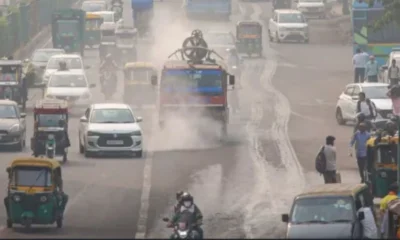
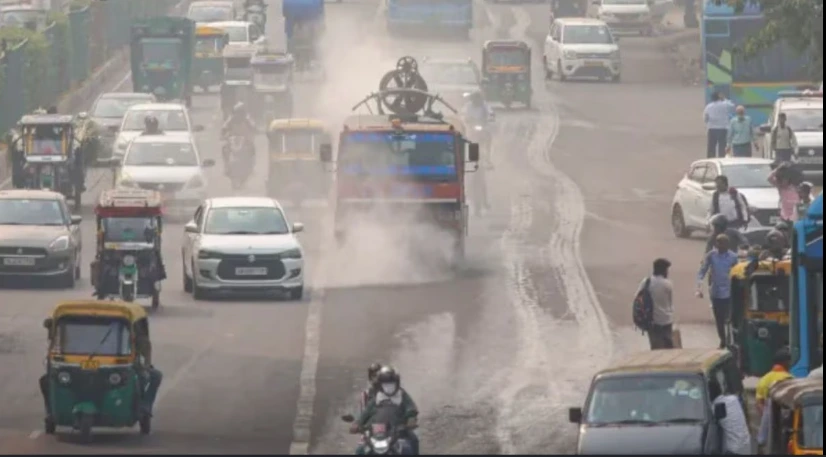
Delhi-NCR GRAP 3 imposed as pollution worsens ahead of Diwali

GRAP Stage III has been imposed across Delhi-NCR with immediate effect as Delhi’s average AQI reached 382, putting the air quality in the “Very Poor” category ahead of Diwali.
Published

on

The Commission for Air Quality Management (CAQM) has imposed Stage III of the Graded Response Action Plan (GRAP) across Delhi-NCR with immediate effect as air quality deteriorated ahead of Diwali.

The decision was taken as a precautionary measure after Delhi’s average Air Quality Index (AQI) reached 382 on Friday, placing the national capital in the “Very Poor” category. 

GRAP 3 comes into effect across NCR

The CAQM’s Sub-Committee on GRAP decided to invoke Stage III across the entire National Capital Region.

GRAP is an emergency response framework under which pollution-control measures become progressively stricter as air quality deteriorates. The four stages correspond to different levels of air pollution, with “Poor” covering AQI levels of 201-300, “Very Poor” 301-400, “Severe” 401-450 and “Severe Plus” above 450.

The Stage III decision comes less than two days before Diwali, when authorities are particularly concerned about a further deterioration in air quality.

Pollution levels remain a concern

Delhi’s average AQI of 382 indicates that pollution levels have remained high across the capital. The move to GRAP Stage III is intended to prevent further deterioration in air quality across Delhi-NCR.

The latest decision follows earlier pollution-control measures implemented under the revised GRAP framework as air quality worsened in the region. 

What GRAP means for Delhi-NCR

The GRAP framework provides for increasingly stringent measures as pollution levels rise. Stage III brings stricter restrictions than the earlier stages, particularly in areas linked to dust and emissions.

The latest CAQM decision applies across Delhi-NCR with immediate effect. Details of the measures to be enforced under the newly invoked Stage III should be followed through official directions issued by the authorities.

The development comes amid heightened concern over air pollution in the national capital region ahead of Diwali.

Continue Reading

India News

Why no govt official has been named in Mahadev betting app case?

Published

on

By

By Neeraj Mishra

A Rs 94,000-crore betting scam took place in the country and so far the only police official taking the heat is a measly ASI. The Chhattisgarh government, the CBI and the ED would all like us to believe that a betting racket backed by hawala operators spread right up to Dubai could be run on the shoulders of an Assistant Sub-Inspector of Durg district! And all this alleged money was made within three years of operations making it the most profitable venture ever.

The fact is that big names are hiding behind the curtains pulled tight together by the investigators themselves. There is an IG rank officer, two SPs, two IAS officers and several other state police officials who have been named by sources and perfunctorily questioned with no great enthusiasm by the investigating agencies. Their political masters are protecting them both from investigations and the media.    

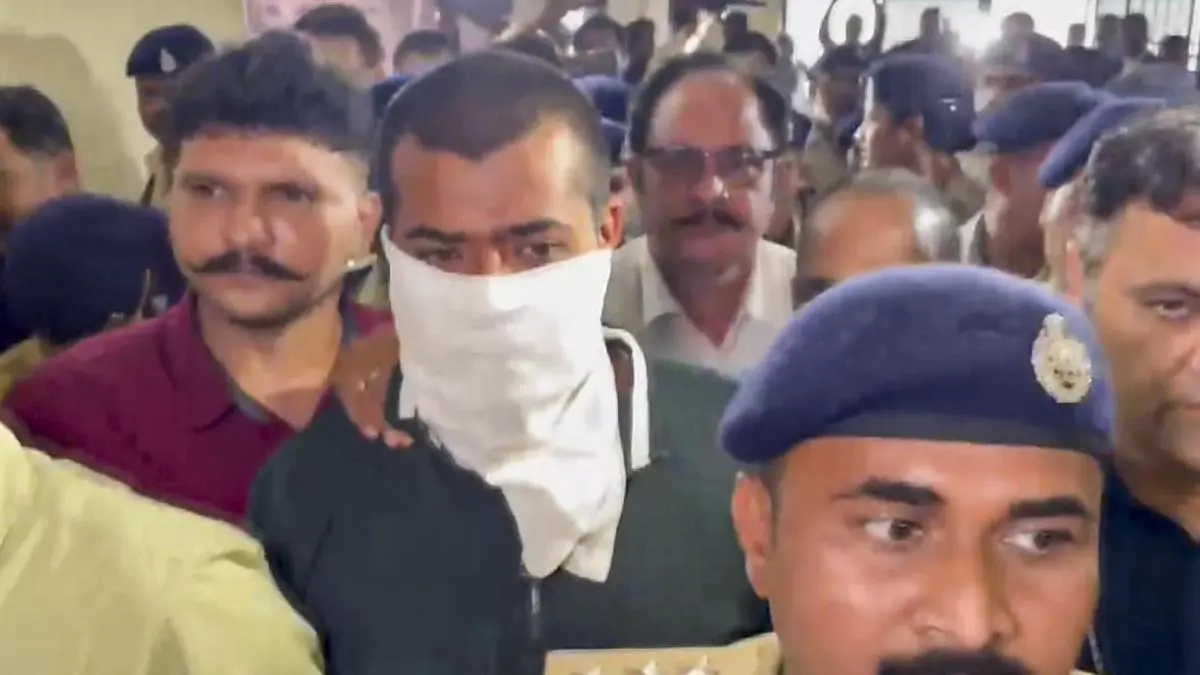
This Wednesday a special CBI court in Raipur granted the CBI eight-day remand of alleged kingpin Saurabh Chandrakar, who was finally extradited by Oman after months of back and forth. The CBI for some strange reason then requested the court to take Chandrakar to Delhi to which the accused’s lawyer also did not object. Since the original crime scene is in Durg and most of the possible dubious characters are in Raipur, one would assume keeping him in Chhattisgarh would have been appropriate.

But perhaps it’s a bigger ring and the CBI is also aware of the pitfalls ahead. Rs 94000 crore is a figure in the chargesheet but knowledgeable sources in the gambling racket in the state believe that  while Mahadev book was initially backed by people close to then Chief Minster Bhupesh Baghel, it was later taken over by the IPL gangs since the main source of income is the IPL season. It is estimated that more than Rs 25000 crore changed hands every season. The handlers or the Khai party easily makes almost half of it nice and clean.

Baghel’s son and some of his sidekicks have been questioned but not named in the chargesheets so far. On the day Chandrakar was being produced in Raipur court, his partner in crime Ravi Uppal was arrested in Dubai and may soon be extradited. But the way things are, no big names will come out.

It’s possible that Baghel may face the heat when the 2028 state assembly elections come around but it is also clear that the Mahadev operations have probably been taken over by some other gang backed by some powerful political bosses in India. So Chandrakar was allowed to get married in Dubai with Bollywood stars in attendance and not extradited for two years. Now that everything has been snatched from him and he is no longer an asset, he’s surrendered along with Uppal. Mahadev, believe this writer, will live on.

Continue Reading

Trending

© Copyright 2022 APNLIVE.com