English हिन्दी
Connect with us

India News

After BJP sweeps Gujarat, MLAs nominate Bhupendra Patel as next CM

The Legislative Party Meeting took place in Gandhinagar in the presence of senior BJP leaders Rajnath Singh, Arjun Munda, and BS Yediyurappa.

Published

on

Bhupendra Patel

The Bharatiya Janata Party cleanly swept Gujarat and won the 2022 assembly polls on December 8. After the election results, BJP MLAs held a Legislative Party meeting on Saturday and nominated Bhupendra Patel as the next CM face.

The Legislative Party Meeting took place in Gandhinagar in the presence of senior BJP leaders Rajnath Singh, Arjun Munda, and BS Yediyurappa. Bhupendra Patel’s name was proposed by Kanu Desai and was passed unanimously ahead of the swearing-in ceremony which is scheduled for Monday, reports said.
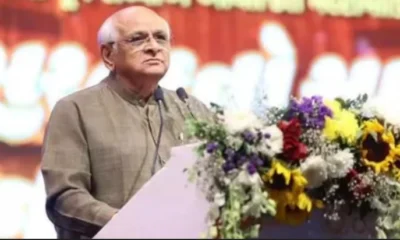
Gujarat Chief Minister Bhupendra Patel resigned from his position after the party won the election on Thursday.

Gujarat Assembly Elections 2022: Full list of winners

  • Abdasa – Jadeja Pradhyumansinh Mahipatsinh (BJP)
  • Akota – Chaitanya Makarandbhai Desai (BJP)
  • Amraiwadi – Dr Hasmukh Patel (BJP)
  • Amreli – Kaushik Kantibhai Vekariya (BJP)
  • Anand – Yogesh R Patel (Bapji) (BJP)
  • Anjar – Chhanga Trikam Bijal (BJP)
  • Anklav – Amit Chavda (Congress)
  • Ankleshwar – Ishwarsinh Thakorbhai Patel (BJP)
  • Asarwa – Darshna M Vaghela (BJP)
  • Balasinor – Mansinh Kohyabhai Chauhan (BJP)
  • Bansda – Anantkumar Hasmukhbhai Patel (Congress)
  • Bapunagar – Dineshsinh Rajendrasinh Kushwaha (BJP)
  • Bardoli – Ishvarbhai alias Anilbhai Ramanbhai Parmar (BJP)
  • Bayad – Dhavalsinh Narendrasinh Zala (Independent)
  • Becharaji – Sukhaji Somaji Thakor (BJP)
  • Bharuch – Rameshbhai Narandas Mistry (BJP)
  • Bhavnagar East – Sejalben Rajivkumar Pandya (BJP)
  • Bhavnagar Rural – Parshottambhai O Solanki (BJP)
  • Bhavnagar West – Jitendrabhai Savajibhai Vaghani aka Jitu Vaghani (BJP)
  • Bhiloda – PC Baranda (BJP)
  • Bhuj – Keshubhai Shivdas Patel (BJP)
  • Borsad – Solanki Ramanbhai Bhikhabhai (BJP)
  • Botad – Umeshbhai Naranbhai Makwana (AAP)
  • Chanasma – Thakor Dineshbhai Ataji (Congress)
  • Chhota Udaipur – Rajendrasinh Mohansinh Rathva (BJP)
  • Choryasi – Sandeep Desai (BJP)
  • Chotila – Shamjibhai Bhimjibhai Chauhan (BJP)
  • Dabhoi – Shaileshbhai Kanaiyalal Mehta (Shailesh Sotta) (BJP)
  • Dahegam – Balrajsinh Kalyansinh Chauhan (BJP)
  • Dahod – Kanaiyalal Bachubhai Kishori (BJP)
  • Dangs – Vijaybhai Rameshbhai Patel (BJP)
  • Danilimda – Shailesh Manubhai Parmar (Congress)
  • Danta – Kantibhai Kalabhai Kharadi (Congress)
  • Dariapur – Kaushikbhai Sukhlal Jain (Kaushik Jain) (BJP)
  • Dasada – PK Parmar (BJP)
  • Daskroi – Babubhai Jamnadas Patel (BJP)
  • Dediapada – Chaitarbhai Damjibhai Vasava (AAP)
  • Deesa – Pravinkumar Gordhanji Mali (BJP)
  • Deodar – Keshaji Shivaji Chauhan (BJP)
  • Devgadhbaria – Khabad Bachubhai Maganbhai (BJP)
  • Dhandhuka – Kalubhai Rupabhai Dabhi (BJP)
  • Dhanera – Mavjibhai Maganbhai Desai (Independent)
  • Dharampur – Arvind Chhotubhai Patel (BJP)
  • Dhari – Kakadiya Jaysukhbhai Vallabhbhai (Kakadiya JV) (BJP)
  • Dholka – Kiritsinh Sardarsang Dabhi (BJP)
  • Dhoraji – Dr Mahendrabhai Padalia (BJP)
  • Dhrangadhra – Prakashbhai Parsotambhai Varmora (BJP)
  • Dwarka – Pabubha Virambha Manek (BJP)
  • Ellisbridge – Amit Shah (BJP)
  • Fatepura – Rameshbhai Bhurabhai Katara (BJP)
  • Gadhada – Mahant Shambhunath Tundiya (BJP)
  • Gandevi – Nareshbhai Maganbhai Patel (BJP)
  • Gandhidham – Malti Kishor Maheshwari (BJP)
  • Gandhinagar North – Ritaben Ketankumar Patel (BJP)
  • Gandhinagar South – Alpesh Khodaji Thakor (BJP)
  • Garbada – Mahendrabhai Rameshbhai Bhabhor (BJP)
  • Gariadhar – Sudhirbhai Vaghani (AAP)
  • Ghatlodia – Bhupendra Rajnikant Patel (BJP)
  • Godhra – CK Raulji (BJP)
  • Gondal – Geetaba Jayrajsinh Jadeja (BJP)
  • Halol – Jaydrathsinh Parmar (BJP)
  • Himatnagar – Vinendrasinh Dilipsinh Zala (BJP)
  • Idar – Ramanlal Ishwarlal Vora (BJP)
  • Jalalpore – RC Patel (BJP)
  • Jamalpur-Khadia – Imran Khedawala (Congress)
  • Jambusar – Devkishordasji Bhaktisvarupdasji Swami (BJP)
  • Jamjodhpur – Ahir Hemantbhai Hardasbhai (AAP)
  • Jamnagar North – Rivasinh Hardevsinh Solanki (Rivaba Ravindrasinh Jadeja) (BJP)
  • Jamnagar Rural – Raghavjibhai Hansrajbhai Patel (BJP)
  • Jamnagar South – Akbari Divyeshbhai Ranchhodbhai (BJP)
  • Jasdan – Kunwarjibhai Mohanbhai Bavaliya (BJP)
  • Jetpur – Jayeshbhai Vitthalbhai Radadiya (BJP)
  • Jetpur ST – Jayantibhai Savjibhai Rathva (BJP)
  • Jhagadia – Riteshkumar Ramanbhai Vasava (BJP)
  • Jhalod – Maheshbhai Somjibhai Bhuriya (BJP)
  • Junagadh – Sanjay Sukhabhai Koradia (BJP)
  • Kadi – Karsanbhai Punjabhai Solanki (BJP)
  • Kalavad – Meghjibhai Amrabhai Chavda (BJP)
  • Kalol – Laxmanji Punjaji Thakor (Bakaji) (BJP)
  • Kalol – Fatesinh Vakhatsinh Chauhan (BJP)
  • Kamrej – Praful Pansheriya (BJP)
  • Kankrej – Kirtisinh Prabhatsinh Vaghela (BJP)
  • Kapadvanj – Zala Rajeshkumar Maganbhai (BJP)
  • Kaprada – Jitubhai Harjibhai Chaudhari (BJP)
  • Karanj – Pravinbhai Manjibhai Ghoghari (BJP)
  • Karjan – Akshaykumar Ishwarbhai Patel (BJP)
  • Katargam – Vinodbhai Amarshibhai Moradiya (BJP)
  • Keshod – Devabhai Punjabhai Malam (BJP)
  • Khambhalia – Ayar Mulubhai Hardasbhai Bera (BJP)
  • Khambhat – Chiragkumar Arvindbhai Patel (Congress)
  • Khedbrahma – Dr Tushar Amarsinh Chaudhary (Congress)
  • Kheralu – Sardarbhai Shamalbhai Chaudhary (BJP)
  • Kodinar – Pradyuman Ganubhai Vaja (BJP)
  • Kutiyana – Kandhalbhai Sarmanbhai Jadeja (Samajwadi Party)
  • Lathi – Janakbhai Talaviya (BJP)
  • Limbayat – Sangitaben Rajendra Patil (BJP)
  • Limbdi – Kiritsinh Jitubha Rana (BJP)
  • Limkheda – Bhabhor Shaileshbhai Sumanbhai (BJP)
  • Lunawada – Gulabsinh Somsinh Chauhan (Congress)
  • Mahesana – Patel Mukeshkumar D (BJP)
  • Mahudha – Sanjaysinh Vijaysinh Mahida (BJP)
  • Mahuva – Shivabhai Jerambhai Gohil (BJP)
  • Mahuva – Mohanbhai Dhanjibhai Dhodia (BJP)
  • Majura – Harsh Ramesh Sanghvi (BJP)
  • Manavadar – Arvindbhai Jinabhai Ladani (Congress)
  • Mandvi – Aniruddha Bhailal Dave (BJP)
  • Mandvi – Kunvarjibhai Narsinhbhai Halpati (BJP)
  • Mangrol – Kargatiya Bhagvanjibhai Lakhabhai (BJP)
  • Mangrol – Ganpatsinh Vestabhai Vasava (BJP)
  • Maninagar – Amul Bhatt (BJP)
  • Manjalpur – Yogeshbhai Narandas Patel (BJP)
  • Mansa – Jayantibhai Somabhai Patel (JS Patel) (BJP)
  • Matar – Kalpeshbhai Ashabhai Parmar (BJP)
  • Mehmedabad – Arjunsinh Udesinh Chauhan (BJP)
  • Modasa – Bhikhusinhji Chatursinhji Parmar (BJP)
  • Morbi – Amrutiya Shivlal (BJP)
  • Morva Hadaf – Nimishaben Manharsinh Suthar (BJP)
  • Nadiad – Pankajbhai Vinubhai Desai (BJP)
  • Nandod – Dr Darshna Chandubhai Deshmukh Vasava (BJP)
  • Naranpura – Jitendrakumar Ramanlal Patel (Jitu Bhagat) (BJP)
  • Naroda – Payal Manojkumar Kukrani (BJP)
  • Navsari – Rakesh Gunvantbhai Desai (BJP)
  • Nikol – Jagdish Vishwakarma (BJP)
  • Nizar – Dr Jayrambhai Chemabhai Gamit (BJP)
  • Olpad – Mukeshbhai Zinabhai Patel (BJP)
  • Padra – Chaitanyasinh Pratapsinh Zala (BJP)
  • Palanpur – Aniket Girishbhai Thaker (BJP)
  • Palitana – Bhikhabhai Ravajibhai Baraiya (BJP)
  • Pardi – Kanubhai Mohanlal Desai (BJP)
  • Patan – Kiritkumar Chimanlal Patel (Congress)
  • Petlad – Kamleshbhai Rameshbhai Patel (Master) (BJP)
  • Porbandar – Arjunbhai Devabhai Modhwadia (Congress)
  • Prantij – Gajendrasinh Udesinh Parmar (BJP)
  • Radhanpur – Lavingji Muljiji Solanki (BJP)
  • Rajkot East – Uday Kangad (BJP)
  • Rajkot Rural – Bhanuben Manoharbhai Babariya (BJP)
  • Rajkot South – Rameshbhai Virjibhai Tilala (BJP)
  • Rajkot West – Dr Darshita Shah (BJP)
  • Rajula – Hirabhai Odhavjibhai Solanki (BJP)
  • Raopura – Balkrushna Khanderao Shukla (BJP)
  • Rapar – Virendrasinh Bahadursinh Jadeja (BJP)
  • Sabarmati – Harshadbhai Ranchhodbhai Patel (BJP)
  • Sanand – Kanubhai Karamshibhai Patel (BJP)
  • Sankheda – Abhesinh Motibhai Tadvi (BJP)
  • Santrampur – Dr Kuberbhai Mansukhbhai Dindor (BJP)
  • Savarkundla – Kaswala Mahesh (BJP)
  • Savli – Inamdar Ketanbhai Mahendrabhai (BJP)
  • Sayajigunj – Keyur Narayandas Rokadia (BJP)
  • Shehra – Ahir(Bharvad) Jethabhai Ghelabhai (BJP)
  • Sidhpur – Balvantsinh Chandansinh Rajput (BJP)
  • Sojitra – Vipulkumar Vinubhai Patel (BJP)
  • Somnath – Vimalbhai Kanabhai Chudasama (Congress)
  • Surat East – Arvind Shantilal Rana (BJP)
  • Surat North – Kantibhai Himmatbhai Balar (BJP)
  • Surat West – Purnesh Modi (BJP)
  • Talaja – Gautambhai Gopabhai Chauhan (BJP)
  • Talala – Bhagabhai Dhanabhai Barad (BJP)
  • Tankara – Durlabhjibhai Harakhjibhai Dethariya (BJP)
  • Thakkarbapa Nagar – Kanchanben Vinubhai Radadiya (BJP)
  • Tharad – Shankarbhai Lagdhirbhai Chaudhary (BJP)
  • Thasra – Yogendrasinh Parmar (BJP)
  • Udhna – Manubhai M Patel (Fogwa) (BJP)
  • Umbergaon – Ramanlal Nanubhai Patkar (BJP)
  • Umreth – Govindbhai Raijibhai Parmar (BJP)
  • Una – Kalubhai Chanabhai Rathod (BJP)
  • Unjha – Kirit Kumar Patel (BJP)
  • Vadgam – Manibhai Jethabhai Vaghela (BJP)
  • Vadodara City – Manisha Vakil (BJP)
  • Vaghodia – Dharmendrasinh Ranubha Vaghela (Bapu) (Independent)
  • Vagra – Arunsinh Ajitsinh Rana (BJP)
  • Valsad – Bharatbhai Kikubhai Patel (BJP)
  • Varachha Road – Kishor Kanani (BJP)
  • Vatva – Babusinh Sarabhai Jadav (BJP)
  • Vav – Geniben Nagaji Thakor (Congress)
  • Vejalpur – Amit Thaker (BJP)
  • Vijapur – Dr Chatursinh Javanji Chavda (Congress)
  • Viramgam – Hardik Patel (BJP)
  • Visavadar – Bhupendrabhai Gandubhai Bhayani (AAP)
  • Visnagar – Rushikesh Ganeshbhai Patel (BJP)
  • Vyara – Kokani Mohanbhai Dhedabhai (BJP)
  • Wadhwan – Jagdishbhai Prabhubhai Makwana (BJP)
  • Wankaner – Jitendra Kantilal Somani (BJP)

India News

PM Modi assures no discrimination in women’s quota, delimitation debate intensifies in Parliament

PM Narendra Modi has assured that women’s reservation will be implemented without discrimination, amid a heated debate over delimitation in Parliament.

Published

on

PM modi

Prime Minister Narendra Modi has assured that there will be no discrimination in the implementation of women’s reservation, as Parliament witnessed a sharp debate over the proposed linkage between the quota and delimitation exercise.

During the ongoing special session, the government reiterated its commitment to ensuring fair representation while addressing concerns raised by opposition parties regarding the timing and structure of the legislation.

The proposed framework aims to reserve 33 percent of seats for women in the Lok Sabha and state assemblies. However, its implementation is tied to a fresh delimitation exercise, which is expected after the next census.

Opposition questions timing and intent

Opposition leaders have raised concerns that linking the women’s quota to delimitation could delay its implementation. They argue that the process of redrawing constituencies may push the actual rollout further into the future.

The issue has triggered a broader political confrontation, with multiple parties questioning whether the move could alter representation across states.

Some critics have also alleged that the delimitation exercise could disproportionately benefit certain regions based on population, a charge the government has rejected.

Government reiterates commitment to fair implementation

Responding to these concerns, the Centre has maintained that the reforms are necessary to ensure accurate and updated representation based on population data.

Leaders from the ruling side have repeatedly emphasized that the process will be carried out transparently and without bias. The assurance that there will be “no discrimination” is aimed at addressing fears among states and opposition parties.

The debate marks a key moment in Parliament, with both sides engaging in intense exchanges over one of the most significant electoral reforms in recent years.

Continue Reading

India News

Give all tickets to Muslim women, Amit Shah says, attacking Akhilesh Yadav on sub-quota demand

A sharp exchange between Amit Shah and Akhilesh Yadav in Parliament over sub-quota for Muslim women highlights key divisions on women’s reservation implementation.

Published

on

A heated exchange broke out in Parliament during discussions on the women’s reservation framework, with Union Home Minister Amit Shah and Samajwadi Party chief Akhilesh Yadav locking horns over the demand for a sub-quota for Muslim women.

The debate unfolded as the government pushed forward key legislative measures to implement 33% reservation for women in the Lok Sabha and state assemblies.

Akhilesh Yadav argued that the proposed reservation must ensure representation for women from marginalised communities, including Other Backward Classes (OBCs) and Muslim women. He said that without such provisions, large sections could remain excluded from political participation.

He also questioned the timing of the bill, alleging that the Centre was avoiding a caste census. According to him, a census would lead to renewed demands for caste-based reservations, which the government is reluctant to address.

Government rejects religion-based quota

Responding to the demand, Amit Shah made it clear that reservation based on religion is not permitted under the Constitution.

He stated that any proposal to provide quota to Muslims on religious grounds would be unconstitutional, firmly rejecting the idea of a separate sub-quota for Muslim women within the broader reservation framework.

The government has maintained that the existing framework already includes provisions for Scheduled Castes (SC) and Scheduled Tribes (ST) women within the overall reservation structure.

Wider political divide over implementation

The issue of sub-categorisation within the women’s quota has emerged as a major flashpoint, even as most opposition parties broadly support the idea of women’s reservation.

Samajwadi Party leaders reiterated that their support for the bill depends on inclusion of OBC and minority women, while the government continues to defend its constitutional position.

The debate is part of a broader discussion during the special Parliament session, where multiple bills linked to delimitation and implementation of the women’s quota are being taken up.

Continue Reading

India News

No state will lose a seat, Centre assures as delimitation debate takes centre stage in Parliament

Parliament’s special session begins with key focus on implementing women’s reservation and delimitation, setting the stage for major electoral changes.

Published

on

Parliament

A special session of Parliament commenced on Thursday, with the Centre set to take up crucial legislation related to women’s reservation and delimitation of constituencies. The session, scheduled over three days, is expected to witness intense debate as the government pushes forward its legislative agenda.

At the centre of discussions is the proposal to operationalise the women’s reservation law, which seeks to allocate 33 percent of seats in the Lok Sabha and state assemblies to women. The law, passed earlier, requires enabling provisions before it can be implemented.

The rollout of the reservation is closely tied to the delimitation exercise — a process that redraws parliamentary constituencies based on updated population data. The implementation is expected only after the next census and delimitation process are completed.

The government is aiming to put in place the framework so that the reservation can be enforced in future elections, likely around 2029.

Delimitation and numbers at play

Delimitation is a key aspect of the proposed changes, as it will determine how seats are redistributed and which constituencies are reserved. The exercise is expected to reflect population shifts and may also involve an increase in the total number of Lok Sabha seats.

This linkage has made the issue politically sensitive, with several opposition parties backing women’s reservation in principle but raising concerns over how and when delimitation will be carried out.

Political reactions and expected debate

The session is likely to see sharp exchanges between the government and opposition. While there is broad agreement on increasing women’s representation, disagreements remain over the timing, process, and potential political implications of the delimitation exercise.

Some leaders have argued that delimitation could significantly alter the balance of representation among states, making it a contentious issue beyond the women’s quota itself.

The government, however, has framed the move as a step toward strengthening women’s participation in governance and ensuring more inclusive policymaking.

Continue Reading

Trending

© Copyright 2022 APNLIVE.com