
India News
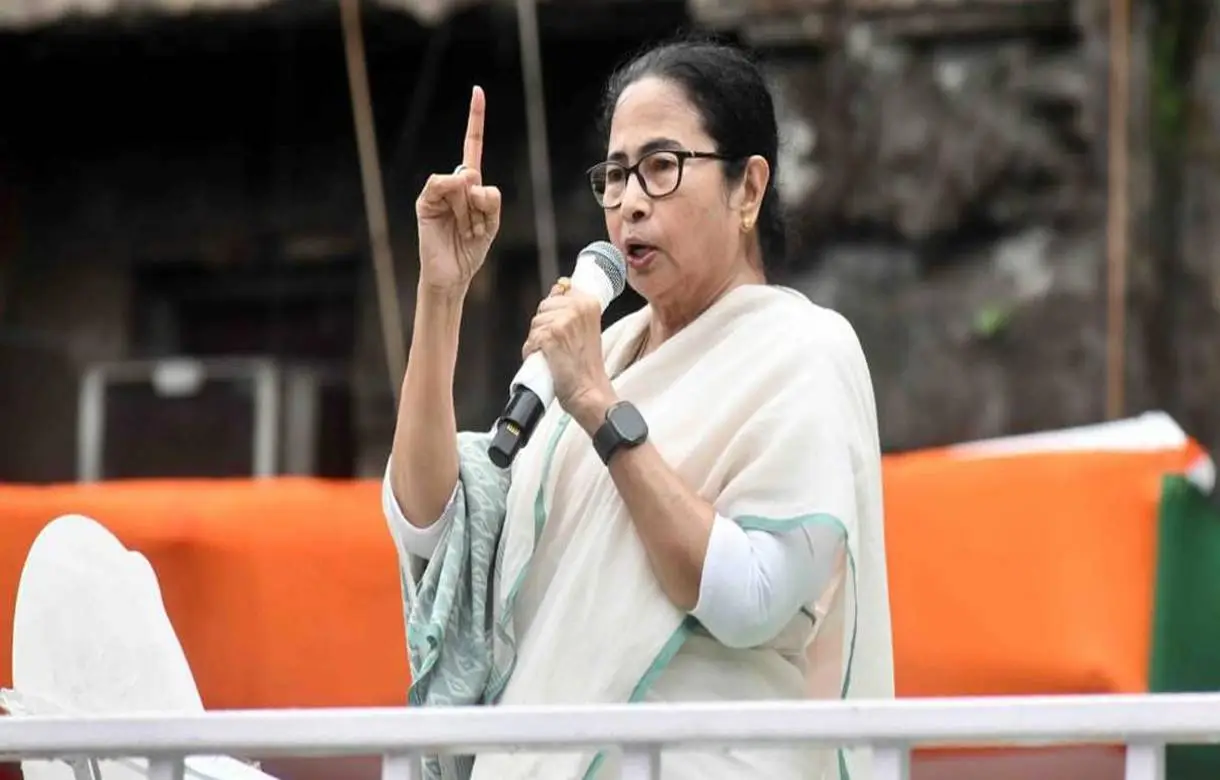
Mamata Banerjee says BJP will be removed from Centre in coming days





India News
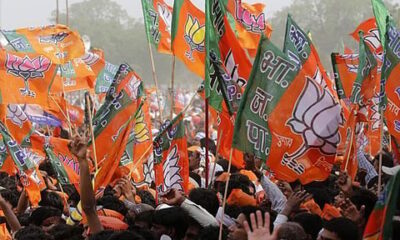
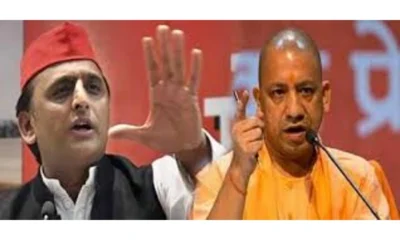
BJP focuses on religion as opposition pushes BDM strategy in UP
The BJP is emphasising religious issues ahead of the Uttar Pradesh Assembly elections, while opposition parties are seeking to consolidate Backward, Dalit and Minority voters. Recent exchanges involving Yogi Adityanath, Akhilesh Yadav and Asaduddin Owaisi have added to the political contest over the state’s electoral narrative.


India News
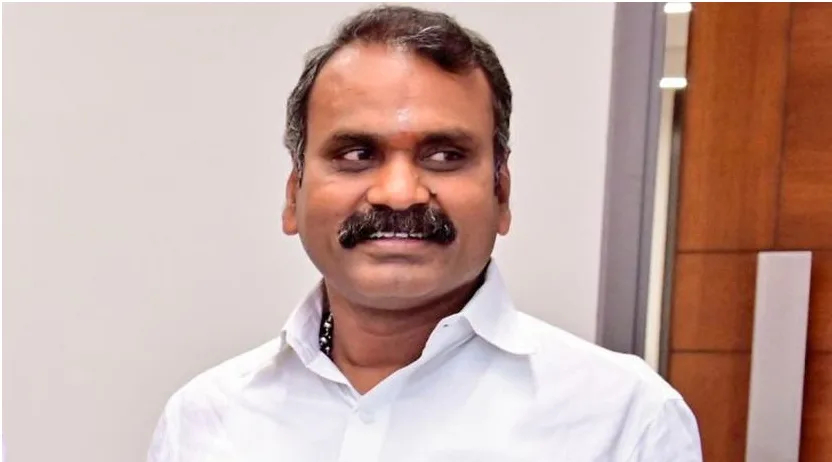
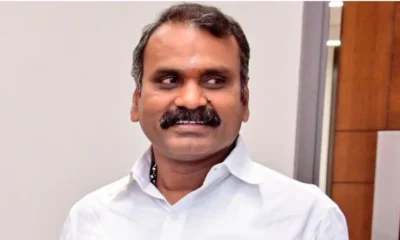
L Murugan quits Union ministry to strengthen BJP in Tamil Nadu
L Murugan has resigned from his Union ministerial post and Rajya Sabha membership, saying he wants to return to grassroots politics and dedicate himself to strengthening the BJP in Tamil Nadu before the 2029 Lok Sabha elections.
India News
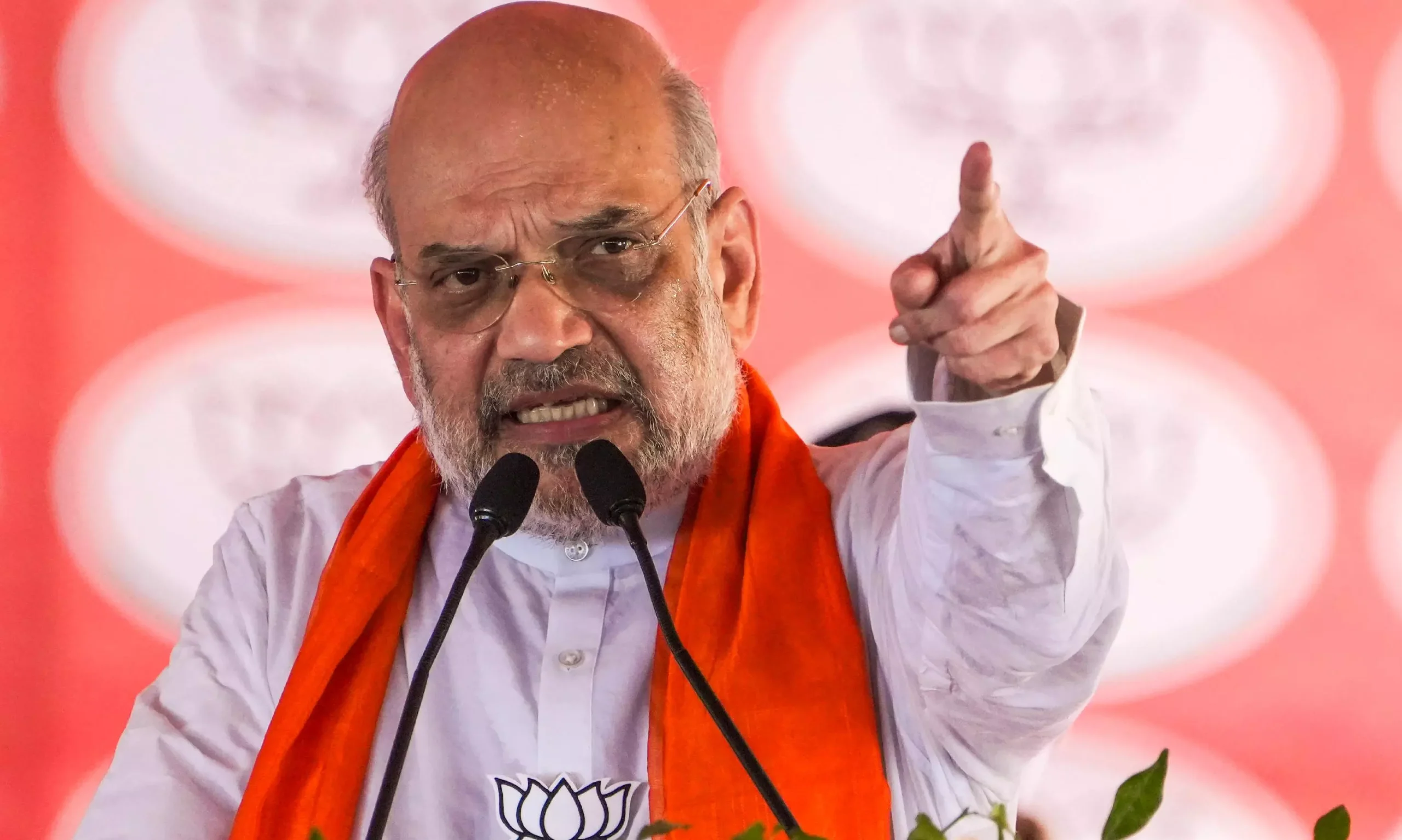
Amit Shah attacks Rahul Gandhi over Congress poll losses, questions SIR row
Union Home Minister Amit Shah criticised Rahul Gandhi over the Opposition’s allegations concerning the Special Intensive Revision (SIR) of electoral rolls. Shah argued that the Congress had been losing elections before the exercise began after 2024 and cited the BJP’s victories in Gujarat’s civic polls.

CJP claims Saurav Das, Ashutosh Ranka detained at Jantar Mantar

Supreme Court stays defamation case against Rahul Gandhi over PM Modi remarks

Rahul Gandhi hosts high tea for INDIA bloc after Gyanesh Kumar protests

L Murugan quits Union ministry to strengthen BJP in Tamil Nadu

Amit Shah attacks Rahul Gandhi over Congress poll losses, questions SIR row

BJP focuses on religion as opposition pushes BDM strategy in UP
L Murugan quits Union ministry to strengthen BJP in Tamil Nadu
Amit Shah attacks Rahul Gandhi over Congress poll losses, questions SIR row
Rahul Gandhi hosts high tea for INDIA bloc after Gyanesh Kumar protests
Supreme Court stays defamation case against Rahul Gandhi over PM Modi remarks

Afghan Men Try To Hang With The Jet Engine Of The Aircraft in Kabul- Afghanistan News – Kabul News
Trending Top 10 News: 10000 Crore Fine on Flipkart, Apple to Launch Unique Feature, Hdfc Bank Job Ad

Trending Top 10 News: Nokia 6310, Apple sales, Bachpan ka Pyar Video Kid, Dainik Bhaskar IT Raid

Trending Top 10 News: Canada bans Indian flights, Rain in Delhi NCR, AIMIM Twitter hacked, Raj Kundra case

Trending Top 10 News: Shein India, Apple New Service, Pocket Oxygen, Oppo Launched New Phone
-
 India News13 hours ago
CJP claims Saurav Das, Ashutosh Ranka detained at Jantar Mantar
-
 India News11 hours ago
Supreme Court stays defamation case against Rahul Gandhi over PM Modi remarks
-
 India News3 hours ago
Rahul Gandhi hosts high tea for INDIA bloc after Gyanesh Kumar protests
-
 India News2 hours ago
L Murugan quits Union ministry to strengthen BJP in Tamil Nadu
-
 India News2 hours ago
Amit Shah attacks Rahul Gandhi over Congress poll losses, questions SIR row
-
 India News1 hour ago
BJP focuses on religion as opposition pushes BDM strategy in UP
