
India News
Palaniswami to be AIADMK CM candidate for 2021 Tamil Nadu polls
Chief Minister EPS, Deputy CM OPS and other AIADMK leaders met at the AIADMK office in Chennai for the 2021 assembly elections. This meeting reportedly went on till the early hours of Wednesday then an announcement came that dealt on the balance of power between EPS and OPS.

The All India Anna Dravida Munnetra Kazhagam (AIADMK) on Wednesday announced that incumbent Chief Minister Edappadi K Palaniswami (EPS) will be the party’s CM candidate for the Tamil Nadu Assembly election due next year. Deputy CM and joint coordinator of the party O. Panneerselvam (OPS) made this statement ending weeks of negotiation and speculation over the rivalry between the two. On Monday, Panneerselvam spoke out on his differences with EPS over the AIADMK’s chief ministerial candidate for the 2021 Assembly elections.
On Tuesday, Chief Minister EPS, Deputy CM OPS and other AIADMK leaders met at the AIADMK office in Chennai for the 2021 assembly elections. This meeting reportedly went on till the early hours of Wednesday then an announcement came that dealt on the balance of power between EPS and OPS.

Palaniswami constituted an 11-member steering committee for the upcoming elections. Six of the 11 members are from the camp of Panneerselvam, who has been yearning to become CM for long. Dindigul Srinivasan, Thangamani, SP Velumani, D Jayakumar, CV Shanmugham, Kamaraj, JCD Prabhakaran, Manoj Pandian, Pa Mohan, Gopalakrishnan and T Manickam are members of the AIADMK steering committee.
In the meeting, remembering J Jayalalithaa, the former AIADMK Chief Minister who died in 2016, Panneerselvam said the party will look at collective leadership for the upcoming state elections. In 2017, when two groups of the party merged, the formation of a steering committee was one of the key demands of the OPS camp.
After Jayalalithaa’s death in December 2016, the party has witnessed a major division between Palaniswami and Panneerselvam. This happened after Panneerselvam revolted against former AIADMK general secretary VK Sasikala, who is in jail and is expected to be released in January 2021. Some reports suggest that she could be released earlier. Sasikala had been intent on becoming chief minister after Jayalalithaa’s death when OPS was caretaker CM but her imprisonment has all but debarred her.
Read Also: Rahul Gandhi says Modi govt failed on Covid-19, farm laws
Regarding the 2021 election, analysts have forecast that the AIADMK will face a very strong DMK under the leadership of MK Stalin, who will be leading the party for the first time in an assembly election after the demise of his father M. Karunanidhi in 2018. This will be the first assembly election in the state when both the AIADMK and the DMK are contesting elections without their seminal leaders.






India News
Centre sends 3 letters to Punjab government after anti-drug activist’s killing
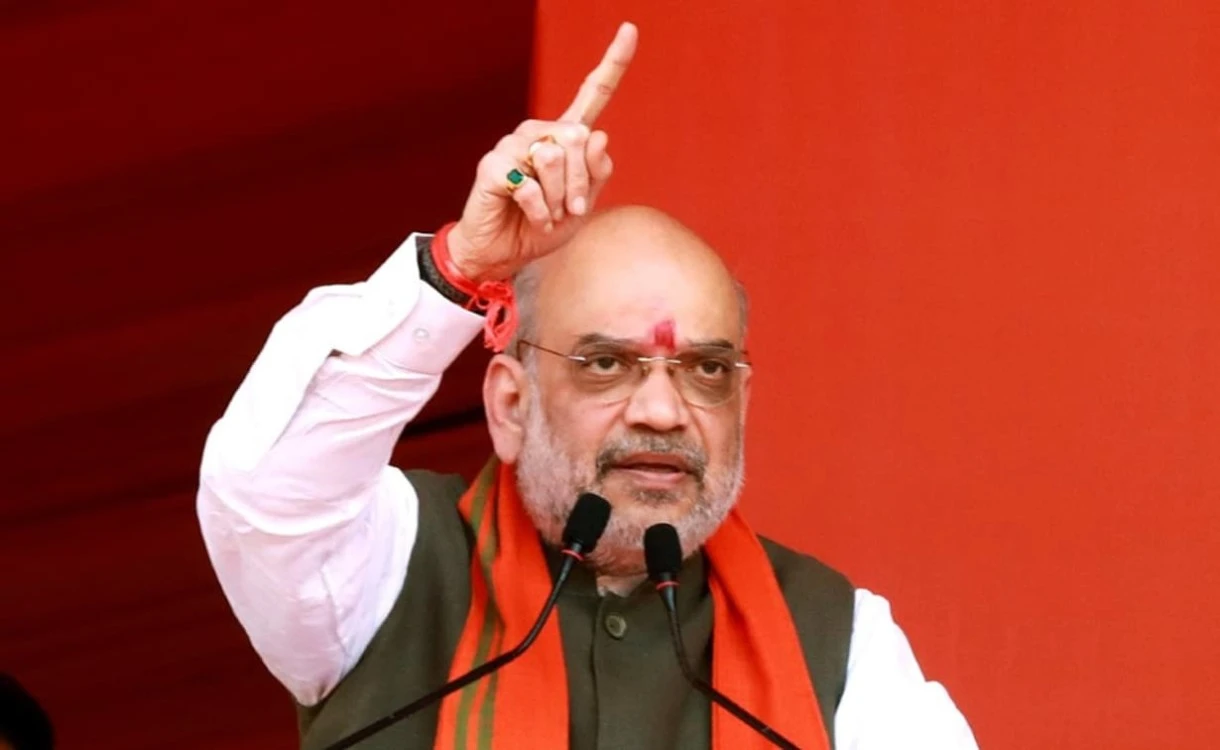
The Centre has sought reports from the Punjab government on three incidents linked to allegations surrounding drug-related activities, including the killing of anti-drug activist Parvinder Singh Jhota.

India News
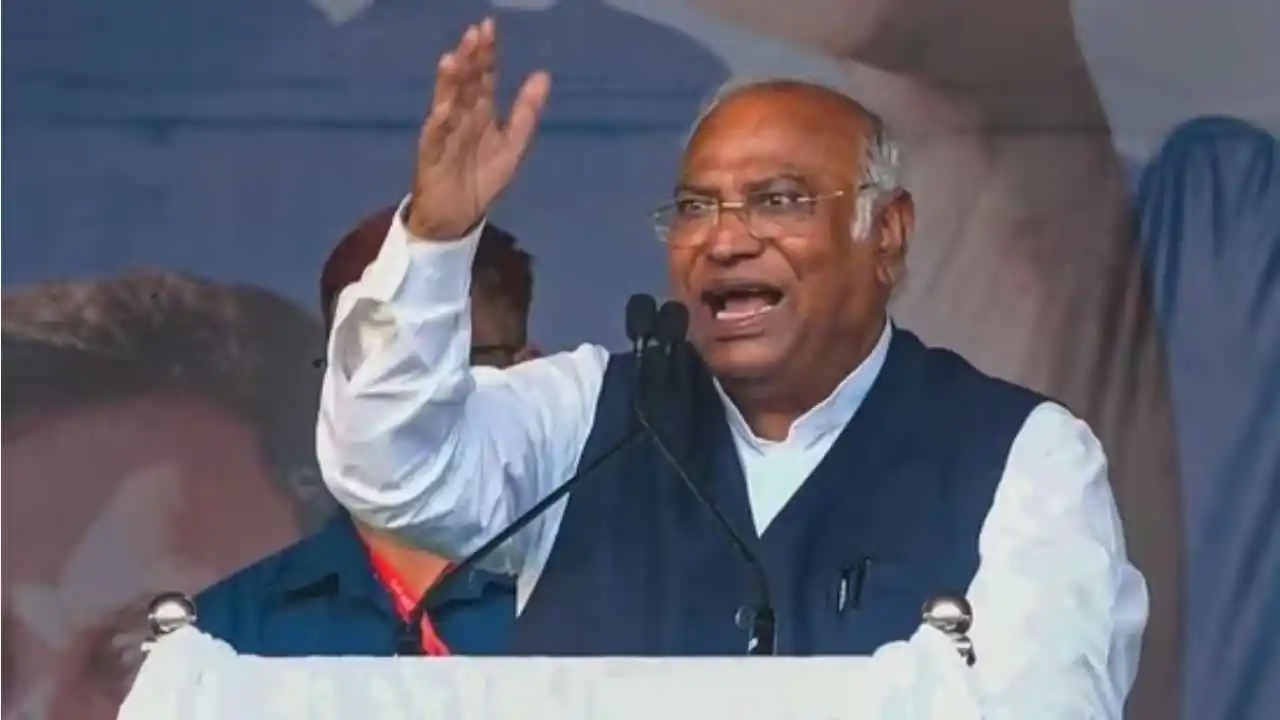
Mallikarjun Kharge seeks all-party meeting with PM Modi on delimitation
Congress president Mallikarjun Kharge has written to Prime Minister Narendra Modi for the fourth time, seeking an all-party meeting on delimitation. He also flagged the 64-day delay in proroguing Parliament’s Monsoon Session.
India News
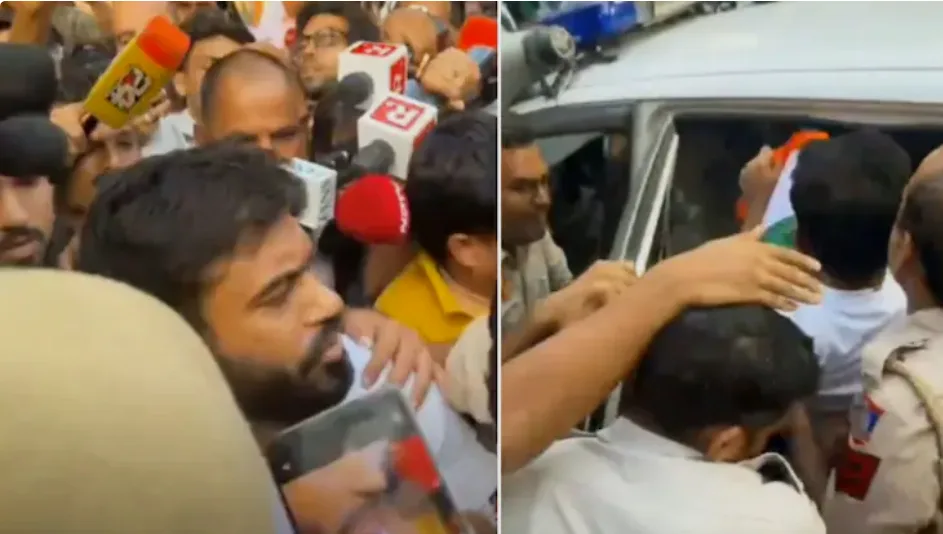
Abhijeet Dipke detained ahead of CJP’s national flag march in Delhi
Cockroach Janta Party founder Abhijeet Dipke was detained by Delhi Police on October 16, 2026, shortly before a planned national flag march. The proposed rally followed the judicial custody of two CJP members who had waved the Tricolour at Jantar Mantar.

Mallikarjun Kharge’s ‘Your Friends’ jab at Rahul Gandhi over congress exits

Magnitude 7 earthquake strikes Russia’s Kamchatka Peninsula

Delhi deploys 25,000 personnel, installs CCTV cameras ahead of CJP march

Abhijeet Dipke detained ahead of CJP’s national flag march in Delhi

Mallikarjun Kharge seeks all-party meeting with PM Modi on delimitation

Centre sends 3 letters to Punjab government after anti-drug activist’s killing
Mallikarjun Kharge seeks all-party meeting with PM Modi on delimitation
Abhijeet Dipke detained ahead of CJP’s national flag march in Delhi
Magnitude 7 earthquake strikes Russia’s Kamchatka Peninsula
Delhi deploys 25,000 personnel, installs CCTV cameras ahead of CJP march

Afghan Men Try To Hang With The Jet Engine Of The Aircraft in Kabul- Afghanistan News – Kabul News
Trending Top 10 News: 10000 Crore Fine on Flipkart, Apple to Launch Unique Feature, Hdfc Bank Job Ad

Trending Top 10 News: Nokia 6310, Apple sales, Bachpan ka Pyar Video Kid, Dainik Bhaskar IT Raid

Trending Top 10 News: Canada bans Indian flights, Rain in Delhi NCR, AIMIM Twitter hacked, Raj Kundra case

Trending Top 10 News: Shein India, Apple New Service, Pocket Oxygen, Oppo Launched New Phone
-
 India News19 hours ago
Mallikarjun Kharge’s ‘Your Friends’ jab at Rahul Gandhi over congress exits
-
 Latest world news18 hours ago
Magnitude 7 earthquake strikes Russia’s Kamchatka Peninsula
-
 India News19 hours ago
Delhi deploys 25,000 personnel, installs CCTV cameras ahead of CJP march
-
 India News9 hours ago
Abhijeet Dipke detained ahead of CJP’s national flag march in Delhi
-
 India News8 hours ago
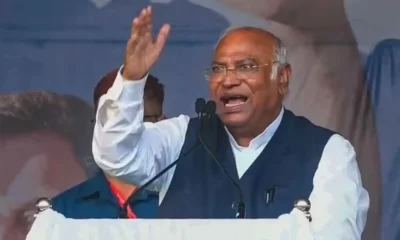
Mallikarjun Kharge seeks all-party meeting with PM Modi on delimitation
-
 India News7 hours ago
Centre sends 3 letters to Punjab government after anti-drug activist’s killing
