
Latest Science News
Correction pen is new tool to make cheap diagnostic kits


[vc_row][vc_column][vc_column_text]By Sunderarajan Padmanabhan
The humble correction pen used to mask typos in printed or written text is all set to assume a new avatar. It could soon become an important component in fabrication of paper-based diagnostic kits.
Paper is becoming popular among experts in miniaturization and micro fluidics because of its ability to transport fluids through capillary action. It is also biodegradable, biocompatible and low cost. Using paper, scientists are developing analytical devices in association with fluorescence, colorimetric and electrochemical detection systems.
Its porosity makes paper easy to load a reagent needed for diagnostic tests. But the reagent needs to be confined to a specific area on the device using certain barriers. Normally such barriers can be fabricated using techniques like photolithography, flexography, plasma treatment, inkjet or screen printing. All these techniques require expert manpower and are time consuming.

Researchers at the Indian Institute of Technology Kharagpur and Manipal Institute of Technology in Karnataka have now found that merely using a correction pen can help overcome the challenges associated with using paper in diagnostic tests. They have shown it is possible to fabricate paper-based devices by drawing out the confines for reagents with a normal correction pens.
“Even a novice can draw out the margins with a free-hand drawing. The device will work,” said Professor Suman Chakraborty of IIT Kharagpur, who led the research team. The correction pen contains titanium particles. When a line or a circle is drawn on a paper using correction pen, fine particles of titanium form barriers across channels on the paper, forming a confined space within which a reagent can be stored.

The scientists explored the possibility of developing a quantitative assay for blood glucose level – an important blood parameter. They tested 12 blood samples of varying glucose concentrations. Each sample was deposited in three different devices and the average colour intensities were measured. “All the reported data points agreed within 10% of the calibration curve”, researchers said.
“Our study may pave the way for developing a frugal titanium-based composites or inks for constructing paper-based device for bio-sensing applications compatible with the requirements of the economically deprived community at large, resulting in medical tests to be conducted with one drop of blood, urine or any other body fluid at phenomenally low costs”, Dr. Chakraborty added.
The team also included Naresh Mani, a visiting scholar from Manipal Institute of Technology and Sujay Kumar Viswas, a Ph.D student at IIT Kharagpur. The research results have been published in journal Scientific Reports. (India Science Wire)[/vc_column_text][/vc_column][/vc_row]





India News
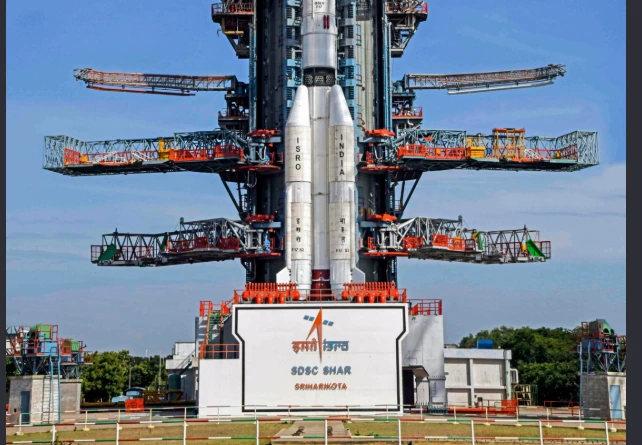
PM Modi hails ISRO after successful GSLV-F17 launch, calls it proud moment
PM Modi congratulated ISRO after GSLV-F17 successfully launched EOS-05, calling the achievement a proud moment for India.

Latest Science News
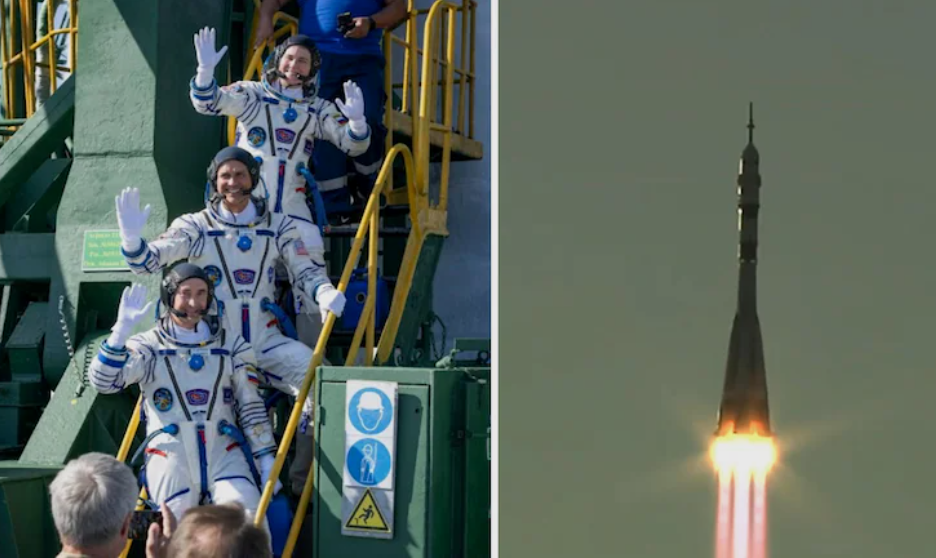
Indian-origin astronaut Anil Menon begins first mission to International Space Station
Indian-origin NASA astronaut Anil Menon has launched aboard Soyuz MS-29 on his first mission to the International Space Station, where he is expected to spend around eight months conducting research.
Latest Science News
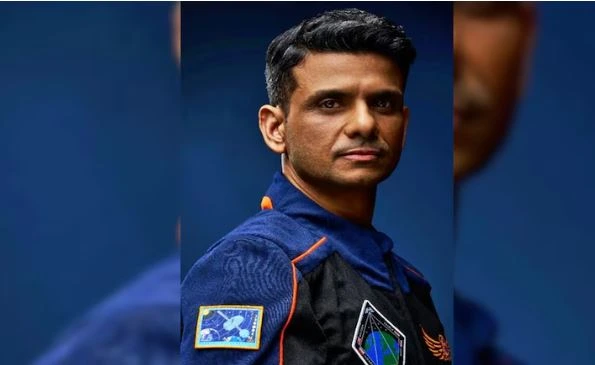
Astronaut Shubhanshu Shukla to meet PM Modi after return from historic space mission
Astronaut Shubhanshu Shukla, who recently returned from the ISS as part of the Axiom-4 mission, will meet PM Modi this evening. Parliament will also hold a special discussion on his historic journey.


Election Commission orders voter roll revision in 17 states, UTs

Delhi Police offers 11-person limit for CJP’s Connaught Place protest

Actor Imran Khan asked to leave India after CJP protest

Magnitude 7 earthquake strikes Russia’s Kamchatka Peninsula

Mallikarjun Kharge’s ‘Your Friends’ jab at Rahul Gandhi over congress exits

Mallikarjun Kharge seeks all-party meeting with PM Modi on delimitation

Abhijeet Dipke detained ahead of CJP’s national flag march in Delhi
Magnitude 7 earthquake strikes Russia’s Kamchatka Peninsula

Delhi deploys 25,000 personnel, installs CCTV cameras ahead of CJP march
Mallikarjun Kharge’s ‘Your Friends’ jab at Rahul Gandhi over congress exits

Afghan Men Try To Hang With The Jet Engine Of The Aircraft in Kabul- Afghanistan News – Kabul News
Trending Top 10 News: 10000 Crore Fine on Flipkart, Apple to Launch Unique Feature, Hdfc Bank Job Ad

Trending Top 10 News: Nokia 6310, Apple sales, Bachpan ka Pyar Video Kid, Dainik Bhaskar IT Raid

Trending Top 10 News: Canada bans Indian flights, Rain in Delhi NCR, AIMIM Twitter hacked, Raj Kundra case

Trending Top 10 News: Shein India, Apple New Service, Pocket Oxygen, Oppo Launched New Phone
-
 India News24 hours ago
Election Commission orders voter roll revision in 17 states, UTs
-
 India News22 hours ago
Delhi Police offers 11-person limit for CJP’s Connaught Place protest
-
 India News23 hours ago
Actor Imran Khan asked to leave India after CJP protest
-
 Latest world news10 hours ago
Magnitude 7 earthquake strikes Russia’s Kamchatka Peninsula
-
 India News11 hours ago
Mallikarjun Kharge’s ‘Your Friends’ jab at Rahul Gandhi over congress exits
-
 India News10 hours ago
Delhi deploys 25,000 personnel, installs CCTV cameras ahead of CJP march
-
 India News1 hour ago
Abhijeet Dipke detained ahead of CJP’s national flag march in Delhi
-
 India News5 mins ago
Mallikarjun Kharge seeks all-party meeting with PM Modi on delimitation
