
Cricket news
IPL 2022: Mumbai Indians hit new low by becoming the first team to achieve THIS record
Mumbai Indians became the first team in the history of IPL to lose seven consecutive matches in a season. The most successful franchise of Indian Premier League and Five-time champions achieved this record last night after Chennai Super Kings defeated Mumbai Indians by three wickets.


Mumbai Indians became the first team in the history of IPL to lose seven consecutive matches in a season. The most successful franchise of Indian Premier League and Five-time champions achieved this record last night after Chennai Super Kings defeated Mumbai Indians by three wickets at the DY Patil Stadium.

MI is having a hard time in this season of IPL as they even surpassed the joint record of Royal Challengers Bangalore and Delhi Daredevils (now Delhi Capitals) who started off their tournament with six defeats in 2019 and 2013 respectively. On the other hand, the second most successful team of IPL, Chennai Super Kings also didn’t have the perfect start of the tournament. They lost four consecutive match to register their first against RCB and the second one against MI, last night.
Read Also: MS Dhoni finishes off in style yet again! See how former cricketers reacted to it
Chennai Super Kings won the toss and Ravindra Jadeja followed the trend of this year’s tournament of bowling first. CSK pacer Mukesh Choudhary dismissed opener Ishan Kishan and Skipper Rohit Sharma for a duck in the very first over. Later, with the help of Tilak Varma’s 51, Mumbai Indians managed to put up a total of 155 on the score board.
CSK too didn’t have a steady start, as both the opener went for a duck but were later saved by a steady partnership from Rayudu (40 off 35) and Uthappa (30 off 25). However, MI did bring back the match to their end for a while and starched it till the last over, but the classic knock by the finisher of India, MS Dhoni made CSK win the match in the last ball.
Dhoni played a crucial knock and made 28 runs from 13 balls. The cricket fraternity applauded Dhoni for finishing off in style yet again. After the match was over even the opposite captain, Rohit Sharma congratulated the former skipper for his magnificent play. Talking about the same during the post-match presentation, Rohit said that somehow MI was able to score a reasonable target but the knock by MS Dhoni and Pretorius made the difference.
On the other hand, the CSK captain Ravindra Jadeja was in all praises for Dhoni. He said, “Yes! we were tensed the way that game was turning. But as a team we knew that the great finisher was there on the field and if he played till the last ball, then he can definitely finish the match for us. MS Dhoni showed the world that he’s still here and can still finish off in style.”
Lalu Yadav gets bail in Doranda treasure case, to be released soon







Cricket news
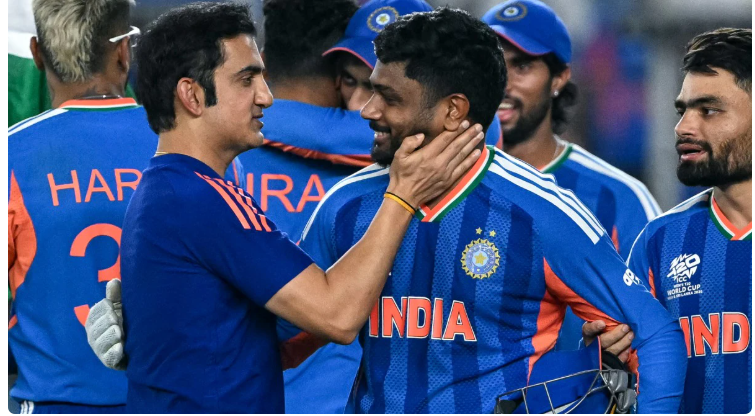
India’s T20 World Cup triumph validates Gautam Gambhir’s approach, coach dedicates win to Dravid and Laxman
Gautam Gambhir said he is accountable only to the team dressing room after India defeated New Zealand by 96 runs to win the 2026 T20 World Cup and dedicated the title to Rahul Dravid and VVS Laxman.

Cricket news
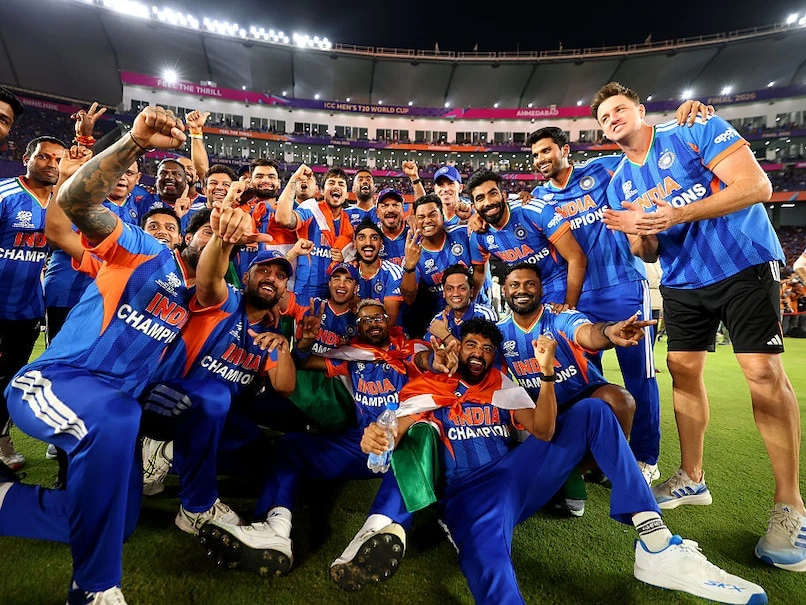
India win record third T20 World Cup after thrashing New Zealand in 2026 final
India defeated New Zealand by 96 runs in the T20 World Cup 2026 final in Ahmedabad, becoming the first team to win the tournament three times and defend the title.
Cricket news
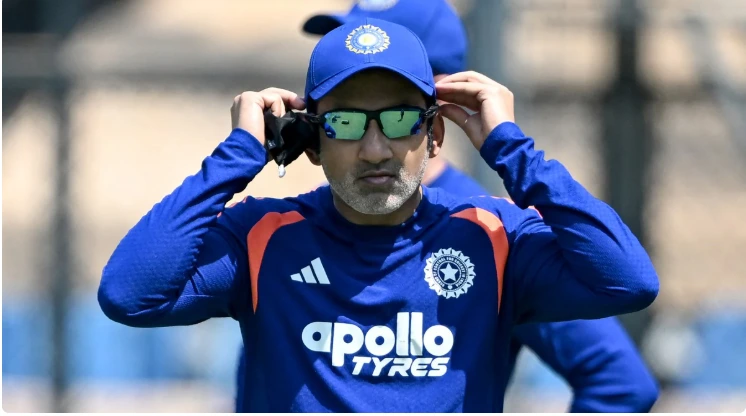
Gautam Gambhir’s tactical calls help India edge past England to reach T20 World Cup final
India defeated England by seven runs in the T20 World Cup 2026 semifinal in Mumbai as tactical decisions and a flexible batting order helped secure a place in the final.

Om Birla likely to move motion to revoke suspension of 8 opposition MPs today

Centre assures action on LPG supply disruption, court closes distributors’ plea

Mamata Banerjee warns BJP, EC over Bengal polls, says they will be accountable

Top US counterterrorism official resigns over Iran war, cites conscience
Top US counterterrorism official resigns over Iran war, cites conscience
Mamata Banerjee warns BJP, EC over Bengal polls, says they will be accountable
Centre assures action on LPG supply disruption, court closes distributors’ plea
Om Birla likely to move motion to revoke suspension of 8 opposition MPs today

Maharashtra passes freedom of religion bill with jail term up to 10 years

Afghan Men Try To Hang With The Jet Engine Of The Aircraft in Kabul- Afghanistan News – Kabul News
Trending Top 10 News: 10000 Crore Fine on Flipkart, Apple to Launch Unique Feature, Hdfc Bank Job Ad

Trending Top 10 News: Nokia 6310, Apple sales, Bachpan ka Pyar Video Kid, Dainik Bhaskar IT Raid

Trending Top 10 News: Canada bans Indian flights, Rain in Delhi NCR, AIMIM Twitter hacked, Raj Kundra case

Trending Top 10 News: Shein India, Apple New Service, Pocket Oxygen, Oppo Launched New Phone
-
 India News23 hours ago
Om Birla likely to move motion to revoke suspension of 8 opposition MPs today
-
India News15 hours ago
Centre assures action on LPG supply disruption, court closes distributors’ plea
-
 India News13 hours ago
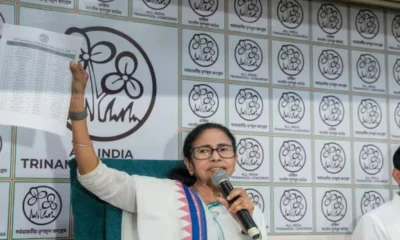
Mamata Banerjee warns BJP, EC over Bengal polls, says they will be accountable
-
 Latest world news13 hours ago
Top US counterterrorism official resigns over Iran war, cites conscience
