
Tech
WhatsApp likely to release message editor feature for drawing tool, check details
Messaging platform WhatsApp often releases updates in order to provide a better experience for users on the application.





Tech
OpenAI launches GPT-6 Astra with major upgrades in AI reasoning, coding and computer use
OpenAI has introduced GPT-6 Astra, a new flagship AI model with advances in reasoning, coding, computer use, science and cybersecurity.


Tech
Vivo V80 Lite with 10,000mAh battery set for global launch on September 3
Vivo V80 Lite will launch in Malaysia on September 3 with a 10,000mAh battery, while its India launch and full specifications remain unconfirmed.

India News
Uniform rules for WhatsApp, Telegram under review as Centre examines legal aspects
The Centre is reviewing responses from WhatsApp, Telegram and Zoho Bharat Eye over username-based messaging features, with a notification on uniform rules likely within 20 days.


MPSC aspirants end 10-day protest as Tukaram Mundhe joins probe panel

INDIA Bloc takes legal route against Gyanesh Kumar, continues street protests

Delhi-NCR wakes up to heavy rain, thunderstorms and waterlogging

Rahul Gandhi calls protest against Gyanesh Kumar ‘Tandava’, says no plan needed

Rahul Gandhi leads INDIA bloc march to Supreme Court over voter list row
Rahul Gandhi leads INDIA bloc march to Supreme Court over voter list row
Rahul Gandhi calls protest against Gyanesh Kumar ‘Tandava’, says no plan needed
MPSC aspirants end 10-day protest as Tukaram Mundhe joins probe panel
INDIA Bloc takes legal route against Gyanesh Kumar, continues street protests
Delhi-NCR wakes up to heavy rain, thunderstorms and waterlogging

Afghan Men Try To Hang With The Jet Engine Of The Aircraft in Kabul- Afghanistan News – Kabul News
Trending Top 10 News: 10000 Crore Fine on Flipkart, Apple to Launch Unique Feature, Hdfc Bank Job Ad

Trending Top 10 News: Nokia 6310, Apple sales, Bachpan ka Pyar Video Kid, Dainik Bhaskar IT Raid

Trending Top 10 News: Canada bans Indian flights, Rain in Delhi NCR, AIMIM Twitter hacked, Raj Kundra case

Trending Top 10 News: Shein India, Apple New Service, Pocket Oxygen, Oppo Launched New Phone
-
 India News21 hours ago
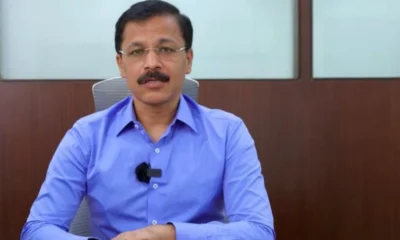
MPSC aspirants end 10-day protest as Tukaram Mundhe joins probe panel
-
 India News22 hours ago
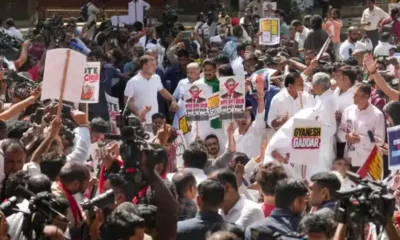
INDIA Bloc takes legal route against Gyanesh Kumar, continues street protests
-
 India News22 hours ago
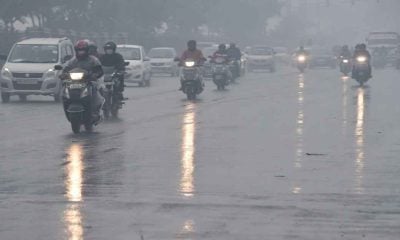
Delhi-NCR wakes up to heavy rain, thunderstorms and waterlogging
-
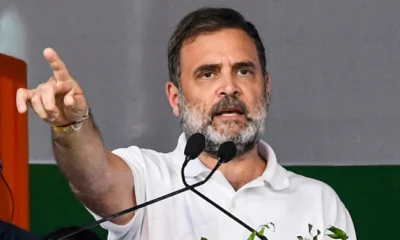 India News17 hours ago
Rahul Gandhi calls protest against Gyanesh Kumar ‘Tandava’, says no plan needed
-
 India News15 hours ago
Rahul Gandhi leads INDIA bloc march to Supreme Court over voter list row
