Top Stories
Amritpal Singh case: Punjab government extends internet ban till tomorrow noon
The crackdown has come weeks after Amritpal Singh and his supporters barged into the Ajnala police station near Amritsar with swords and guns to demand the release of one of their aides.

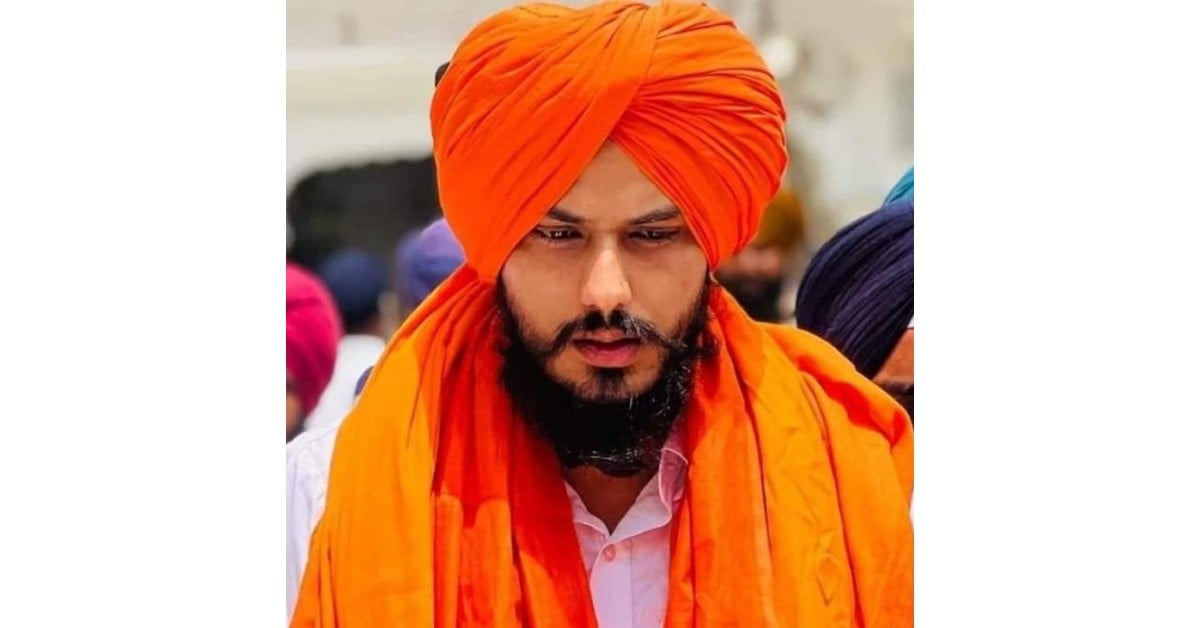
Considering the law and order situation in the state and preventing any disturbance in the country, the Punjab government on Monday once again extended the internet suspension in the state till tomorrow noon, March 21, 12 pm.
The Department of Home Affairs and Justice issued an order under Section 5 of the Indian Telegraph Act, 1885 and Rule 2 of Temporary Suspension of Telecom Services.
The Bhagwant-led AAP government said all mobile internet services, all SMS services (except banking & mobile recharge) and all dongle services provided on mobile networks, except the voice call, in the territorial jurisdiction of Punjab are suspended till March 21 (1200 hours) in the interest of public safety.
Read Also: Supreme Court to hear pleas seeking CBI probe into 2020 Palghar mob lynching case

The Punjab government in a notice stated that certain sections of society are holding protests at several places in the state and are likely to threaten public order by incitement to violence with an aim to stoke and cause communal tension, obstruction or injury to persons, danger to human life and property, and disturbance of public peace and tranquility.
The broadband services are not being suspended so that banking facilities, hospital services and other essential services are not disrupted, said the order issued by the additional chief secretary of the home department.
The Punjab Police on Sunday declared Waris Punjab De chief Amritpal Singh a fugitive. The police are on a manhunt to capture the Khalistani leader. So far, it has arrested 112 aides of his outfit.
Amid the ongoing search operations to arrest Khalistani leader Amritpal Singh, his driver Harpreet and his uncle Harijeet surrendered before police in Mehatpur on Sunday. According to reports, they were taken to the police station last night.
The crackdown has come weeks after Amritpal Singh and his supporters barged into the Ajnala police station near Amritsar with swords and guns to demand the release of one of their aides.
Mamata Banerjee struck deal with PM Modi to defame Rahul Gandhi: Congress
IMD issues orange alert for Delhi-NCR, heavy rainfall predicted








India News
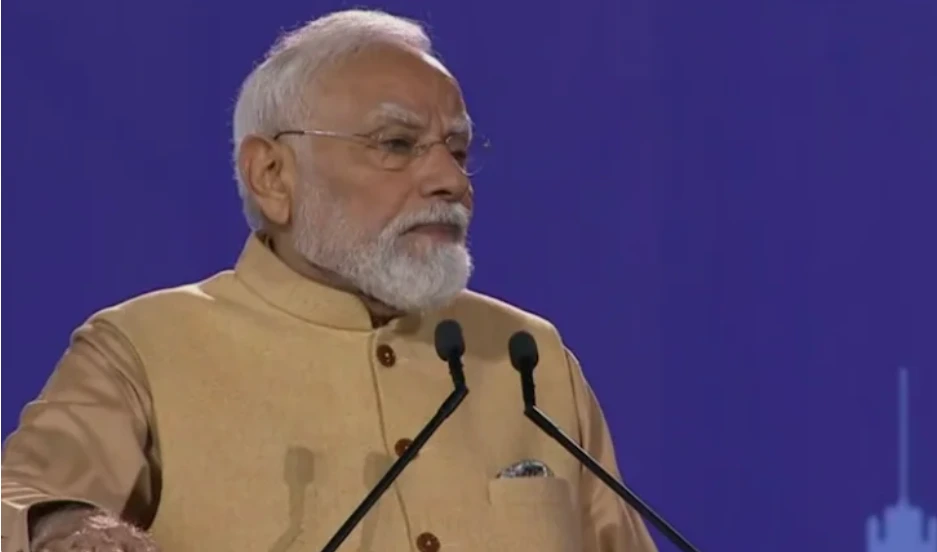
PM Modi extends greetings to Uttarakhand on foundation day
Prime Minister Narendra Modi extended greetings to the people of Uttarakhand on Foundation Day, praising the state’s cultural heritage, natural beauty and development.

India News
Delhi AQI nears 400 as Diwali night smoke engulfs city
Delhi’s overall AQI reached 373 on Diwali night, with several areas recording AQI above 400 as smoke engulfed the city.

India News
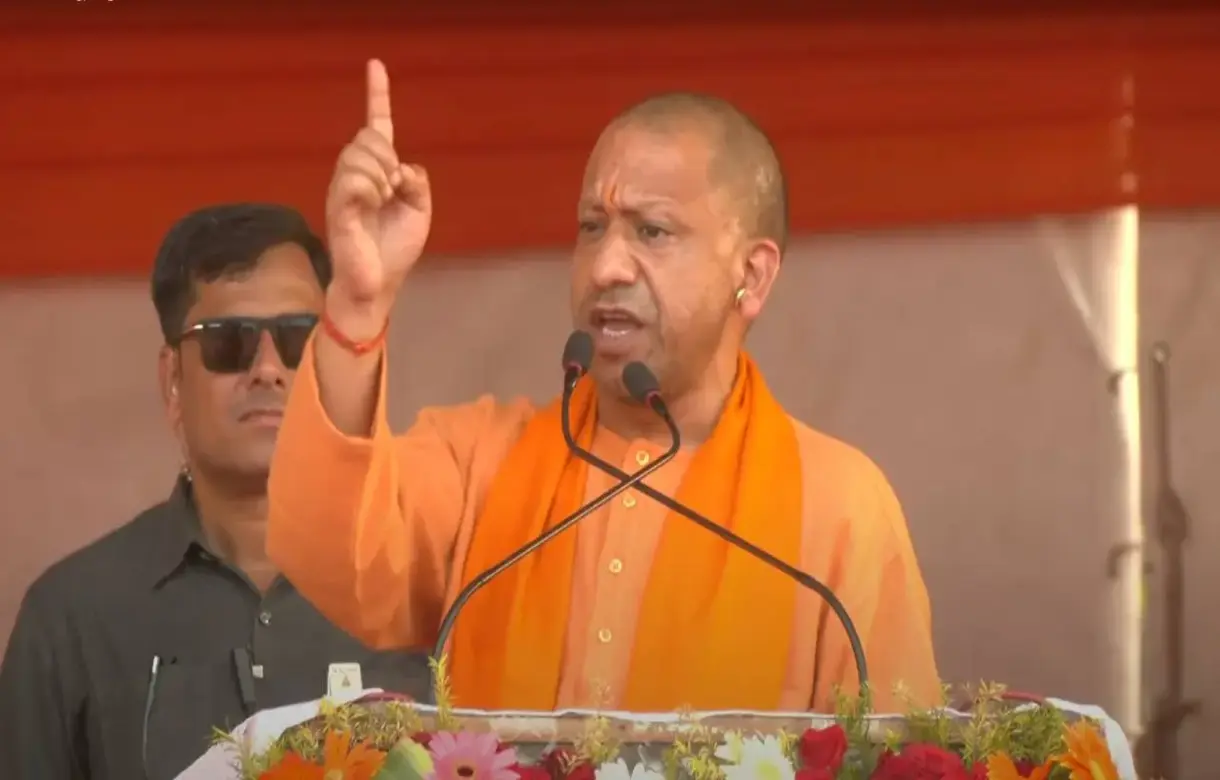
Ahead of Diwali, Yogi govt hikes DA by 5% for UP government staff
The Uttar Pradesh government has increased Dearness Allowance by 5 percentage points, taking it from 58% to 63%. The revised rate will benefit lakhs of eligible employees ahead of Diwali.

Delhi AQI nears 400 as Diwali night smoke engulfs city

PM Modi extends greetings to Uttarakhand on foundation day
PM Modi extends greetings to Uttarakhand on foundation day
Delhi AQI nears 400 as Diwali night smoke engulfs city

L.K. Advani turns 99, PM Modi highlights his 2 defining qualities

Yogi Adityanath takes a dig at Akhilesh Yadav over Ram Temple visit plan
Ahead of Diwali, Yogi govt hikes DA by 5% for UP government staff

Afghan Men Try To Hang With The Jet Engine Of The Aircraft in Kabul- Afghanistan News – Kabul News
Trending Top 10 News: 10000 Crore Fine on Flipkart, Apple to Launch Unique Feature, Hdfc Bank Job Ad

Trending Top 10 News: Nokia 6310, Apple sales, Bachpan ka Pyar Video Kid, Dainik Bhaskar IT Raid

Trending Top 10 News: Canada bans Indian flights, Rain in Delhi NCR, AIMIM Twitter hacked, Raj Kundra case