English हिन्दी
Connect with us

Entertainment

Mufasa – The Lion King Review: Shah Rukh Khan’s voice brings magic to the prequel

Published

on

mufasa

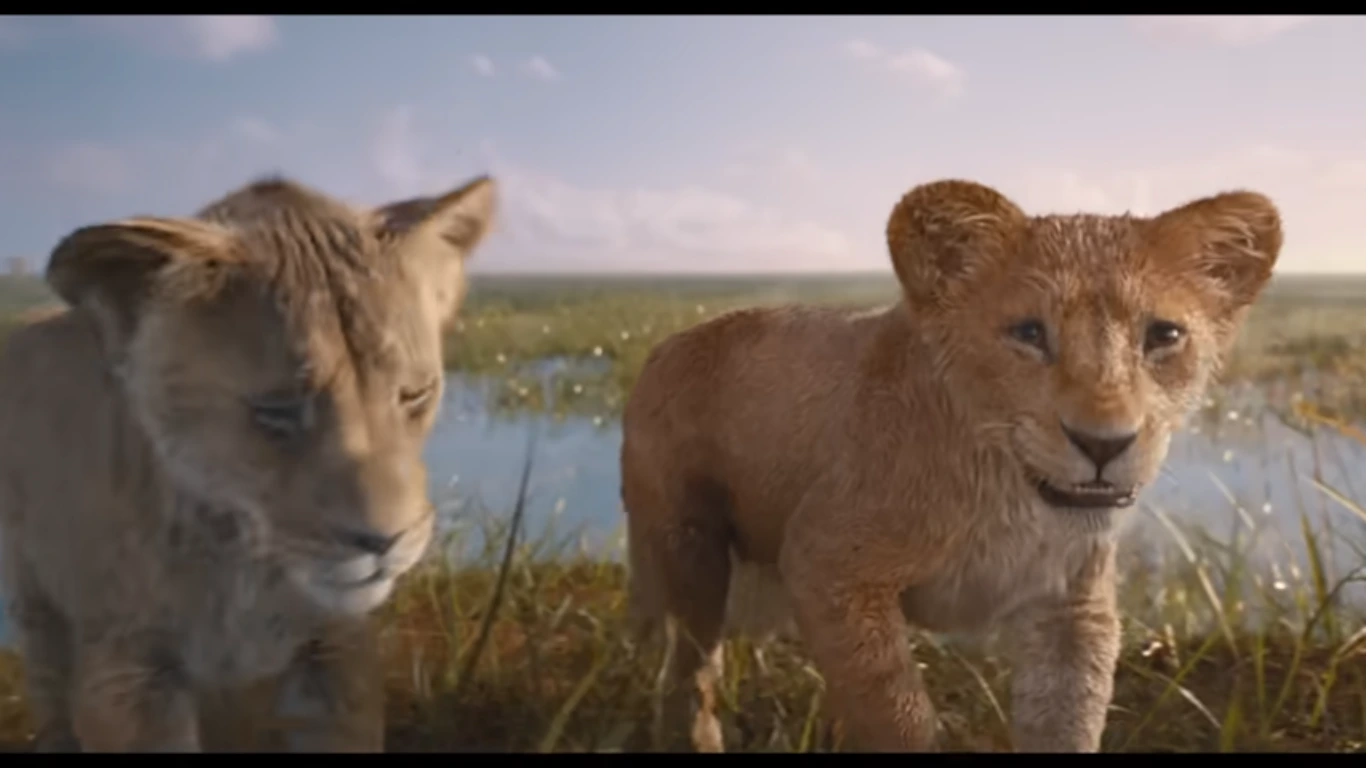
Shah Rukh Khan’s iconic voice takes center stage in Mufasa: The Lion King, elevating this animated prequel to new heights. The film, which explores the origins of the beloved Lion King character, is a prequel to 2009’s The Lion King, and delivers a heartwarming tale of family, friendship, betrayal, and love. Directed by Barry Jenkins, the movie is a stunning visual feast, boasting groundbreaking animation and intricate details that bring the animal kingdom to life.

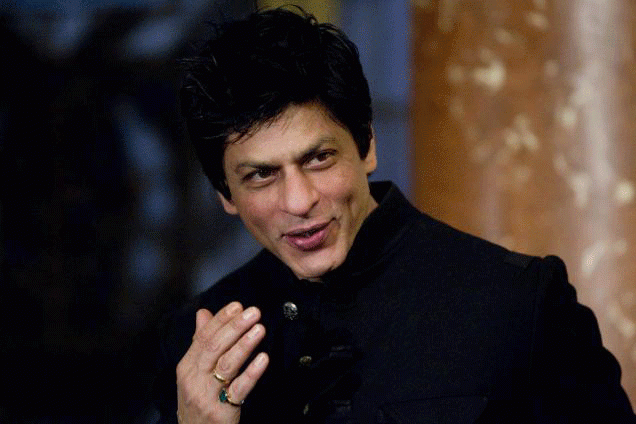
Khan’s voice performance as Mufasa, the orphaned lion cub with a destiny to rule, infuses the character with the star’s trademark romantic charisma and wisdom. Even in animated form, Khan’s aura shines through, adding a layer of emotional depth that resonates with audiences. His delivery of the Hindi dialogues—filled with humor, drama, and moments of introspection—grounds the film in a cultural touchstone that appeals to Indian audiences. The film offers a unique Hindi dubbing experience, which enhances the story with a local flavor, making it all the more relatable.

The film’s plot follows Mufasa’s journey as he seeks a place to call home, despite being separated from his family. Along the way, he meets new companions, including Taka, the rebellious son of the king, who becomes both a friend and a rival. Themes of love, jealousy, and betrayal run deep as Mufasa navigates the challenges of his world, including the power-hungry King Kiros. The narrative, told by the wise Rafiki, draws on themes of finding one’s place in the world, with a sense of hope and unity guiding the characters.

Visually, the film is a marvel. The animation is incredibly realistic, capturing the power and grace of the animals with breathtaking detail. However, the polished look of the film sometimes feels too neat, missing the chaotic vibrancy of the wilderness. Despite this, the technical prowess and dynamic animation make Mufasa: The Lion King an unforgettable cinematic experience.

The film is filled with emotional highs, especially as Mufasa begins to understand his place in the world. His journey is not just about survival, but about finding a sense of belonging and purpose. The connection between him and the other characters, particularly the romantic tension with the lioness Sarabi, adds an extra layer of drama.

The Hindi dub of the film brings its own flavor, blending street-style Bollywood lingo with the majestic world of the Lion King. While some of the dialogue may feel out of place, it succeeds in giving the film a unique touch that will resonate with Indian audiences, especially Shah Rukh Khan’s fans. His delivery of iconic lines like “Main Hoon Na” infuses the film with a distinctly Bollywood magic that is bound to win over fans.

In conclusion, Mufasa: The Lion King is a remarkable prequel that balances spectacular animation with a timeless story. With Shah Rukh Khan’s voice bringing life to the title character, it becomes an experience that Bollywood fans will not want to miss. The film is an improbable yet perfect union of Disney’s grandeur and Khan’s on-screen magic, making it a must-watch for fans of both.

Entertainment

Batwara 1947 box office failure: Shabana Azmi says audiences couldn’t accept Sunny Deol as Muslim

Shabana Azmi has reflected on Batwara 1947’s poor box office performance, suggesting that audiences may have struggled to accept Sunny Deol as a Muslim character.

Published

on

Batwara 1947 has had a disappointing run at the box office, and actor Shabana Azmi has now shared her thoughts on why the film may not have connected with audiences. According to Azmi, one possible reason could be the difficulty some viewers had in accepting Sunny Deol as a Muslim character.

The film, which also features Preity Zinta and Shabana Azmi, was released on August 14. It has reportedly earned around Rs 53 crore so far, while Awarapan 2, which released on the same day, has crossed the Rs 200 crore mark.

Shabana Azmi on Sunny Deol’s Muslim character

Discussing the film’s response, Shabana Azmi questioned whether audiences were able to accept Sunny Deol in a Muslim role.

She compared the situation with Amitabh Bachchan’s earlier performances in which he portrayed Muslim characters. Azmi pointed to Deewaar, where Bachchan’s character is associated with the number 786, and said such portrayals had been accepted by audiences.

Azmi also suggested that there may have been confusion among some viewers about Sunny Deol’s character in Batwara 1947. She said that even some people who had watched the film believed Deol was playing a Pakistani character, whereas, according to her, he plays an Indian Muslim.

What Shabana Azmi said about the film’s reception

Azmi said she was surprised by the contrast between the appreciation she had heard from people who watched the film and its weak theatrical performance.

According to her, viewers who discussed the film with her had praised its message of humanity, but that appreciation did not translate into enough people going to theatres.

She also questioned whether audiences were uncomfortable with the film’s India-Pakistan subject. Azmi maintained that the film’s message was not politically incorrect and praised Sunny Deol’s performance.

Batwara 1947 vs Awarapan 2 at the box office

The poor performance of Batwara 1947 has become more noticeable because the film released alongside Awarapan 2. While Batwara 1947 has struggled commercially, Awarapan 2 has performed significantly better at the box office.

The contrast has added to the discussion around the reception of the Sunny Deol-starrer, particularly after Azmi offered her view on why audiences may not have connected with the film.

Continue Reading

Entertainment

Aasha Jaiswal Singh, Known for mimicking Meena Kumari, dies in Mumbai

Veteran actor and mimicry artist Aasha Jaiswal Singh died in Mumbai on August 22. Her son Akkash Bharadwaj confirmed the news and remembered her contribution to acting and mimicry.

Published

on

Veteran actor and mimicry artist Aasha Jaiswal Singh died in Mumbai on August 22. Her son, Akkash Bharadwaj, shared the news and remembered her for her work as an actor, social worker and mimicry artist.

Aasha Jaiswal Singh was particularly known for her ability to mimic the voice of legendary actor Meena Kumari. According to details shared by her son, she was also credited as India’s first female mimicry artist and worked as a character actor.

Aasha Jaiswal Singh’s death confirmed by son

Akkash Bharadwaj announced his mother’s death in a social media post. Remembering her, he described her as a “karmath loh-mahila”, or “iron lady”, and urged people to pray for her soul.

He also asked people to remember Aasha Jaiswal Singh by revisiting her work and contributions rather than only mourning her death.

According to the details shared by her son, Aasha Jaiswal Singh died on August 22. Her last rites were held at the Pawan Hans crematorium in Vile Parle West, Mumbai, on August 23 at 10 am.

Aasha Jaiswal Singh was known for Meena Kumari mimicry

Aasha Jaiswal Singh’s work as a mimicry artist was an important part of her public identity. She was recognised for recreating the voice of Meena Kumari, one of Hindi cinema’s celebrated actors.

Alongside mimicry, she worked as a character actor and social worker. Her son also said that she was the founder, owner and operator of Aasha Events and Films.

Her death marks the loss of an artist remembered for combining acting with mimicry and social work.

Aasha Jaiswal Singh’s final rites held in Mumbai

The family conducted her last rites on August 23 at the Pawan Hans crematorium in Vile Parle West. The rites took place at 10 am, according to details shared by her son.

Continue Reading

Entertainment

Kriti Sanon’s Raksha Bandhan ad draws criticism over modern festive look

Kriti Sanon’s Raksha Bandhan advertisement has sparked an online debate, with some social media users questioning her contemporary festive outfit and the campaign’s concept.

Published

on

Kriti Sanon’s latest festive appearance has triggered a debate on social media after the actor featured in a Raksha Bandhan advertisement wearing a contemporary outfit.

In the advertisement, Kriti Sanon is seen in an off-white bralette-style blouse paired with a cape and a draped skirt. While the actor has previously experimented with contemporary interpretations of traditional fashion, some social media users criticised her look in the festive campaign.

The criticism was directed particularly at the choice of outfit for a Raksha Bandhan-themed advertisement, with several users questioning whether the look was appropriate for the occasion.

Advertisement’s pet dog sequence also draws reactions

The concept of the advertisement also became a point of discussion online. In the campaign, Kriti is seen tying a traditional rakhi on a dog after the pet barks at her.

The advertisement presents the ritual as a way of including the pet in the family’s Raksha Bandhan celebrations. However, several social media users questioned the decision to include the dog in the festive ritual.

Some commenters accused the brand of making a mockery of Indian festivals, while others said they disagreed with the overall concept of the advertisement.

Social media users criticise Kriti Sanon’s festive look

Kriti Sanon’s outfit became one of the main talking points among those criticising the advertisement. Some users described the outfit as inappropriate for a Raksha Bandhan campaign.

One social media user wrote that Kriti was tying rakhi in a “bra kinda attire” and questioned the use of such an outfit during the festival.

Another commenter compared the treatment of Raksha Bandhan with other festivals and criticised the advertisement’s presentation of the celebration.

Other reactions focused on traditional elements associated with Raksha Bandhan. One user questioned the absence of a puja thali and tilak while also criticising Kriti’s outfit.

A separate comment objected to the inclusion of the dog, arguing that the campaign was not representative of the traditional spirit of Raksha Bandhan.

These comments reflect the views of individual social media users and do not establish a broader consensus about the advertisement.

Kriti Sanon yet to respond to criticism

The Raksha Bandhan advertisement continues to receive mixed reactions on social media. While some users have criticised the actor’s outfit and the campaign’s concept, Kriti Sanon is yet to respond to the criticism.

The debate comes as brands increasingly use contemporary interpretations of traditional festivals in advertising, with the campaign’s presentation becoming a subject of discussion among social media users.

Continue Reading

Trending

© Copyright 2022 APNLIVE.com