
Top Stories
Rahul Gandhi hangs out in Old Delhi, enjoys sharbat, golgappas
The Congress leader took a walk around the famous Matia Mahal market which is an age old food street located in the opposite of Jama Masjid.


Former Congress Chief Rahul Gandhi on Tuesday evening, was seen hanging out in Old Delhi, where he visited famous eateries and was seen enjoying the taste of street foods.
Gandhi visited the heart of Delhi Chandni Chowk, which is packed with activities amidst the buzz of the ongoing month of Ramazan. In Chandni chowk, along with Gandhi the famous food blogger Kunal Vijayakar was also spotted.
The Congress leader took a walk around the famous Matia Mahal market which is an age old food street located in the opposite of Jama Masjid.
Matia Mahal, considered to be the food capital of Delhi is a one stop destination for all the foodies around. Gandhi, who himself is a foodie is often seen enjoying the local foods around the country whenever he visits a place.
Read Also: Karnataka election: Independent youth candidate deposits 10,000 coins collected from constituency
In the Matia Mahal market, Gandhi visited a famous sharbat shop Mohabbat ka Sharbat.
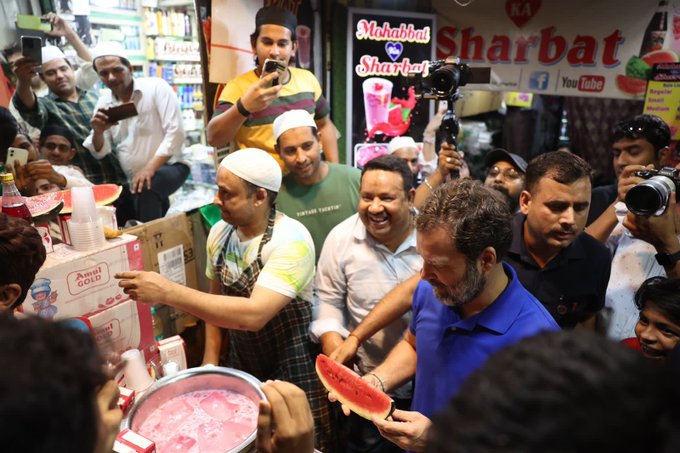
The market remains crowded on its usual days and during the month of Ramazan the crowd movement is more than usual, with the Congress leader visiting it, the crowd went crazy gathering around Gandhi, raised slogans and some even clicked selfies with him.


Rahul Gandhi also explored the streets of Bengali Market, another market in the Old Delhi where he visited the age old famous Nathu sweets, a reason why Bengali Market is still so famous.
At Nathu’s, the Congress icon took the taste of delicious golgappas.
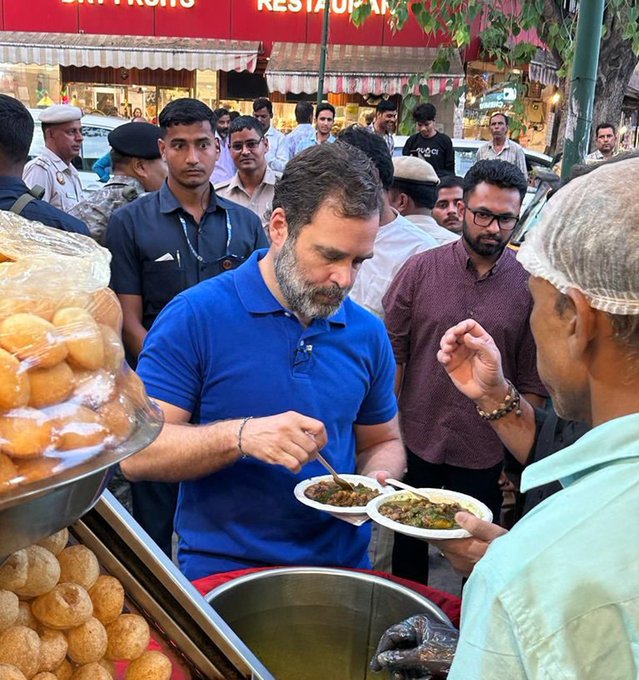
Gandhi seemed was on a mood to fill his taste-buds with the local street food taste for long time who enjoyed some other items also such as aloo tikki chaat and others. He then also was seen enjoying seekh kabab and other delicious items on the menu at Al Jawahar restaurant near Jama Masjid.
The pictures of Rahul Gandhi’s evening stroll is now getting viral across the social media platforms.
Jharkhand: Student union stage protest in Ranchi demanding 100% reservation for locals
Foreign Minister S. Jaishankar dials his UAE and Saudi counterpart over Sudan situation









India News
Meerut murder: Muskaan Rastogi and Sahil Shukla get death sentence
A Meerut court has sentenced Muskaan Rastogi and Sahil Shukla to death in the blue drum murder case involving the killing of merchant navy officer Saurabh Rajput in March 2025.

India News
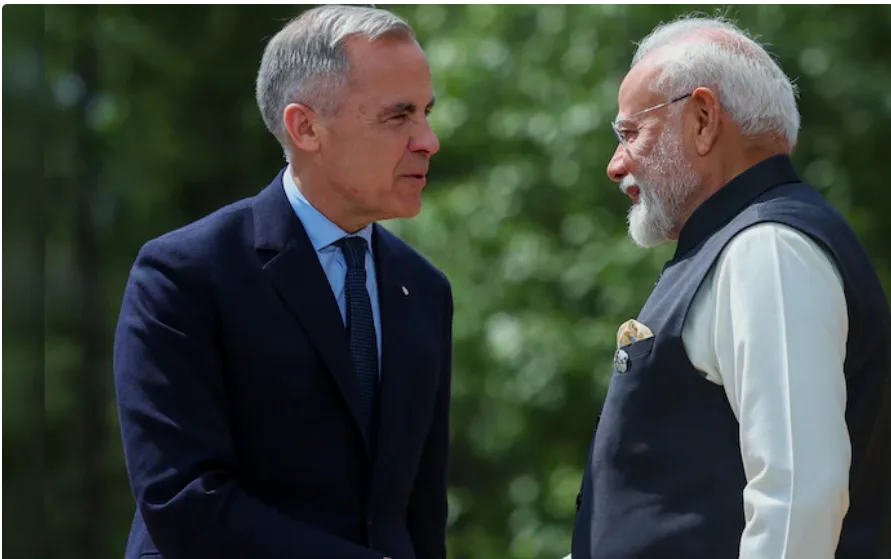
PM Modi speaks to Mark Carney as India and Canada push to strengthen ties
Prime Minister Narendra Modi held a telephone conversation with Canadian Prime Minister Mark Carney on October 13, with both leaders agreeing to strengthen India-Canada ties and pursue concrete outcomes across key areas of their strategic partnership.
Latest world news
S Jaishankar says India is a natural option for Russia amid Europe tensions
External Affairs Minister S Jaishankar said India remained a natural option for Russia as Moscow increasingly turned towards Asia amid strained relations with Europe. He highlighted the continuity of India-Russia ties and their significance for the balance of power in Asia.


CJP leaders Saurav Das, Ashutosh Ranka, Ajinkya Shinde sent to 5-day judicial custody

PM Modi speaks to Mark Carney as India and Canada push to strengthen ties

S Jaishankar says India is a natural option for Russia amid Europe tensions

Meerut murder: Muskaan Rastogi and Sahil Shukla get death sentence

Rahul Gandhi joins India Gate protest by Ankita Bhandari’s parents

Supreme Court questions EC over missing records in Sringeri election dispute
Rahul Gandhi joins India Gate protest by Ankita Bhandari’s parents
Meerut murder: Muskaan Rastogi and Sahil Shukla get death sentence
PM Modi speaks to Mark Carney as India and Canada push to strengthen ties
S Jaishankar says India is a natural option for Russia amid Europe tensions

Afghan Men Try To Hang With The Jet Engine Of The Aircraft in Kabul- Afghanistan News – Kabul News
Trending Top 10 News: 10000 Crore Fine on Flipkart, Apple to Launch Unique Feature, Hdfc Bank Job Ad

Trending Top 10 News: Nokia 6310, Apple sales, Bachpan ka Pyar Video Kid, Dainik Bhaskar IT Raid

Trending Top 10 News: Canada bans Indian flights, Rain in Delhi NCR, AIMIM Twitter hacked, Raj Kundra case

Trending Top 10 News: Shein India, Apple New Service, Pocket Oxygen, Oppo Launched New Phone
-
 India News20 hours ago
CJP leaders Saurav Das, Ashutosh Ranka, Ajinkya Shinde sent to 5-day judicial custody
-
 India News20 hours ago
PM Modi speaks to Mark Carney as India and Canada push to strengthen ties
-
 Latest world news20 hours ago
S Jaishankar says India is a natural option for Russia amid Europe tensions
-
 India News9 hours ago
Meerut murder: Muskaan Rastogi and Sahil Shukla get death sentence
-
 India News9 hours ago
Rahul Gandhi joins India Gate protest by Ankita Bhandari’s parents
-
 India News8 hours ago
Supreme Court questions EC over missing records in Sringeri election dispute
