
Latest world news
9/11 attacks: George W. Bush to the Taliban, where are they now
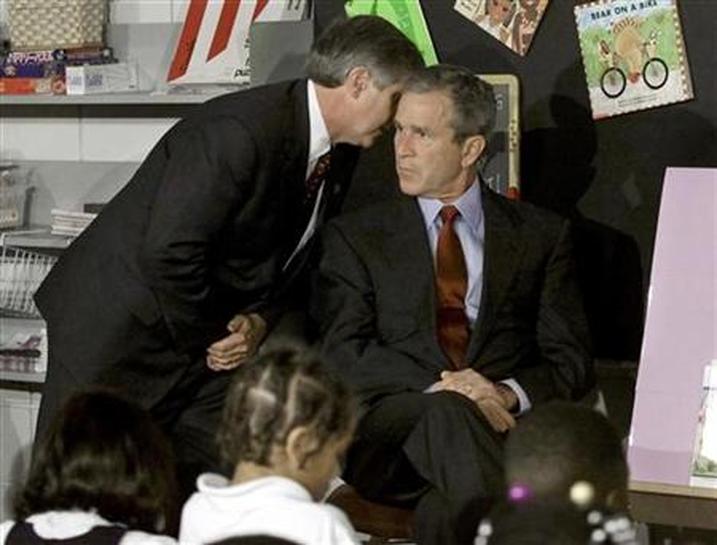
George Washington Bush was the President of United States when 9/11 attacks took place. The President was informed of the attacks in front of the cameras when he was reading The Pet Goat to second-graders in Sarasota, Florida. His aide told him about 9/11 attacks when television cameras were rolling.

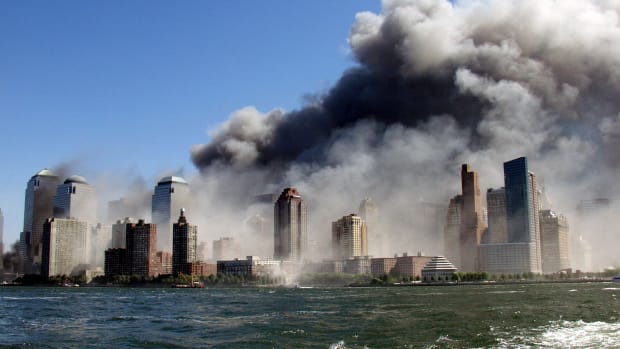
On September 11, 2001, 19 Al-Qaeda terrorists had hijacked four flights and carried out coordinated suicide attacks against the targets in the United States. Two of the planes were crashed into the twin towers of the World Trade Center in New York City, third plane hit the Pentagon office, just outside Washington DC, while the fourth plane crashed in a field in Shanksville, Pennsylvania. The biggest terror attack in history triggered major U.S. initiatives to combat terrorism and defined the presidency of George Bush. Almost 3,000 people were killed during the 9/11 terrorist attacks.
Main characters in 9/11
George Washington Bush on September 11, 2001
George Washington Bush was the President of United States when 9/11 attacks took place. The President was informed of the attacks in front of the cameras when he was reading The Pet Goat to second-graders in Sarasota, Florida. His aide told him about 9/11 attacks when television cameras were rolling.
Bush reached ground zero on the third day of attacks and had declared war against terrorism in a powerful speech. “I can hear you! The rest of the world hears you! And the people who knocked these buildings down will hear all of us soon,” he said in the bullhorn at Ground Zero amid patriotic chants by those around him.
The US had then launched attacks on Afghanistan to oust the Taliban and hunt down Bin Laden.
After 9/11 and 2008:
Bush retired in 2008 as Republicans lost the US elections in 2008. His administration was unsuccessful in capturing or killing Osama Bin Laden in next seven years of 9/11 attacks.
US vice president Dick Cheney
Richard Bruce Cheney was the vice president of the United States from 2001 to 2009 under George W. Bush. After the 9/11 attacks, the former US vice president Dick Cheney was put in a bunker inside the White House where he helped direct the government’s actions as President Bush was being shuttled to military bases in Louisiana and Nebraska amid fears over more attacks.
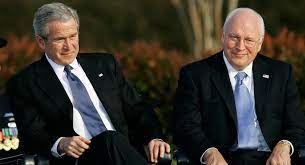
After he left office, Cheney reportedly had five heart attacks and underwent a heart transplant in 2012. Cheney hit the headlines after he criticised former president Trump and was sidelined by the Republican Party.
Osama Bin Laden
Osaman Bin Laden had orchestrated the 9/11 attacks. He initially denied involvement, but later recanted his false statements. Bin Laden had personally directed his followers to attack the World Trade Center and the Pentagon. Later, in November 2001, U.S. forces recovered a videotape from a destroyed house in Jalalabad, Afghanistan. In the video, bin Laden is seen admitting foreknowledge of the attacks.
US Killed him in 2011 in Pakistan
After a 10-year manhunt, U.S. President Barack Obama announced that bin Laden was killed by American special forces in his compound in Abbottabad, Pakistan, on May 1, 2011.
Read Also: 20 years of 9/11 attacks: A look back at how the day turned horrific
Khalid Sheikh Mohammed
Khalid Sheikh Mohammed admitted his involvement in the 9/11 attacks, along with Ramzi bin al-Shibh in April 2002. He was the principal architect of the 9/11 attacks. The 2004 9/11 Commission Report determined that hostility towards the United States felt by Mohammed, stemmed from his violent disagreement with U.S. foreign policy favoring Israel.
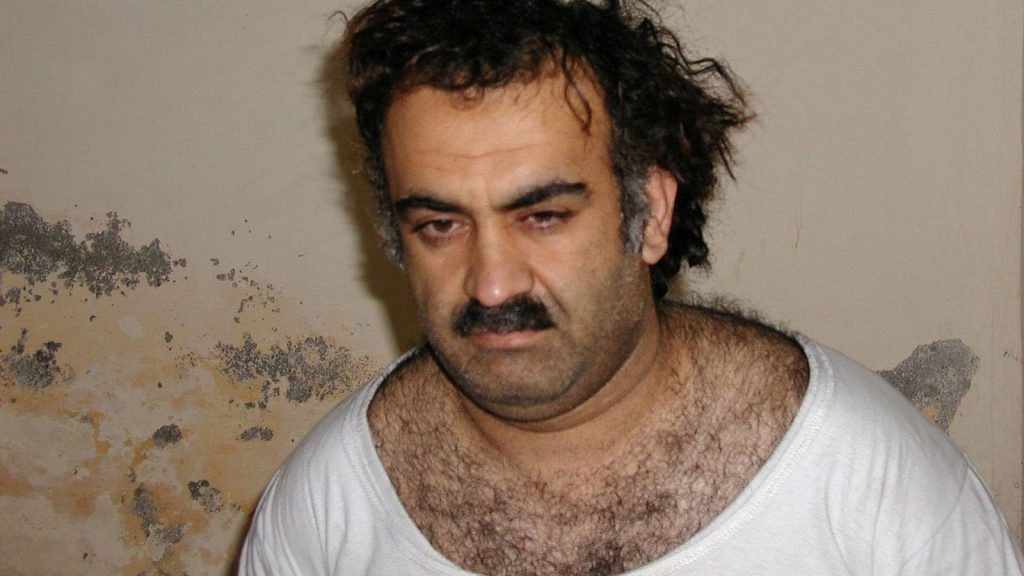
Arrested on March 1, 2003
Mohammed was arrested on March 1, 2003, in Rawalpindi, Pakistan, by Pakistani security officials working with the CIA. He was then held at multiple CIA secret prisons and Guantanamo Bay. However, during U.S. hearings at Guantanamo Bay in March 2007, Mohammed again confessed that he was responsible for the 9/11 operation from A to Z.
However, the trial of Khalid Sheikh Mohammed, and four other alleged conspirators, resumed Tuesday.
In other India news, Facebook has launched its first smart glasses, in partnership with the biggest eyeglasses maker Ray-Ban.








Latest world news
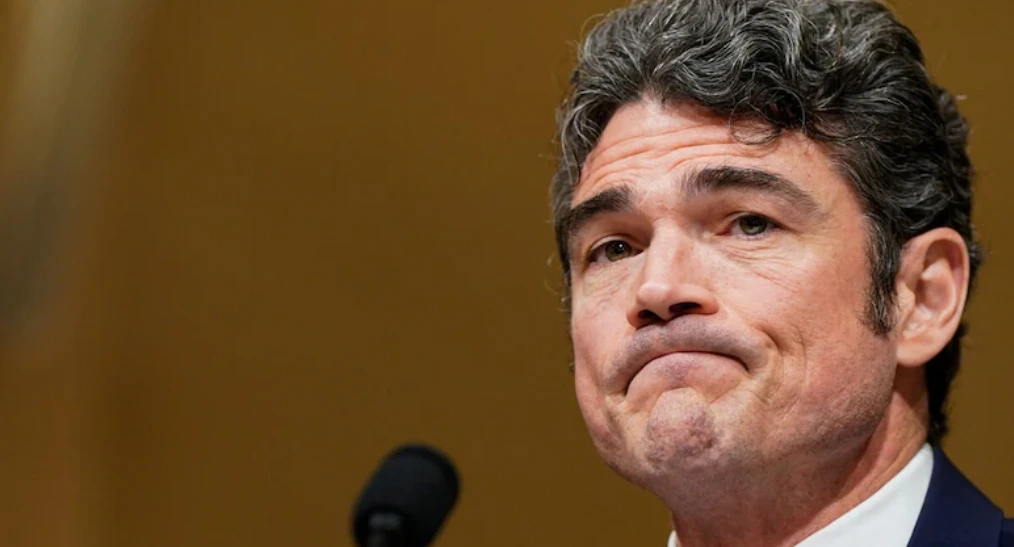
Top US counterterrorism official resigns over Iran war, cites conscience
Joseph Kent steps down as US counterterrorism chief, questioning the justification for the Iran war and citing moral concerns.

Latest world news
Fire near Dubai International Airport after drone incident, flights temporarily suspended
Flights at Dubai International Airport were temporarily suspended after a drone-related incident caused a fuel tank fire near the facility. Authorities confirmed the blaze was contained and no injuries were reported.

Latest world news
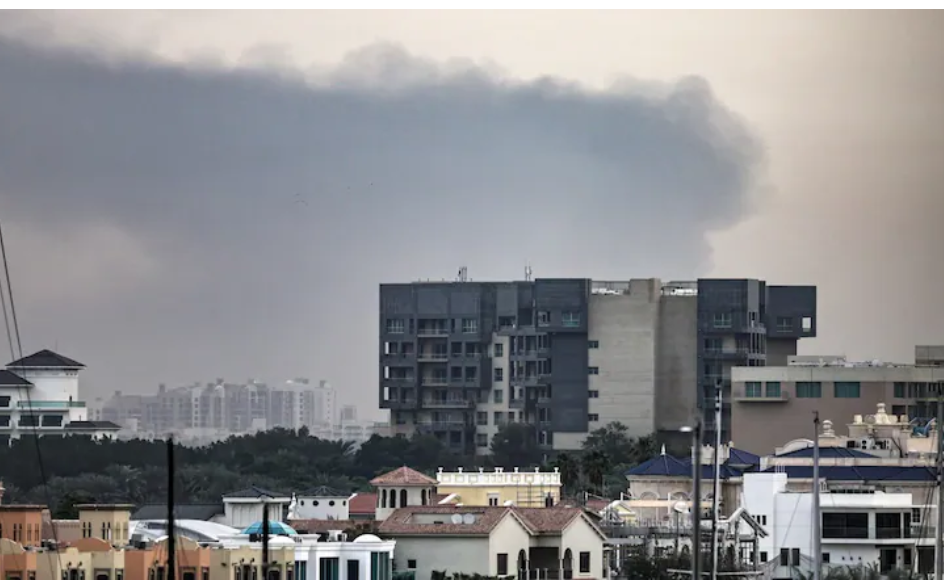
Dubai hit again within 24 hours as debris strikes building, drone targets US embassy in Baghdad
A building in Dubai’s financial hub was struck by debris from an intercepted attack while a drone targeted the US embassy in Baghdad, officials said.

Om Birla likely to move motion to revoke suspension of 8 opposition MPs today

Pakistan airstrike allegations on Kabul hospital leave hundreds dead, claims Taliban

Mamata Banerjee writes to poll chief over officers’ reshuffle, calls move arbitrary

Maharashtra passes freedom of religion bill with jail term up to 10 years

Centre assures action on LPG supply disruption, court closes distributors’ plea

Top US counterterrorism official resigns over Iran war, cites conscience

Mamata Banerjee warns BJP, EC over Bengal polls, says they will be accountable
Centre assures action on LPG supply disruption, court closes distributors’ plea
Om Birla likely to move motion to revoke suspension of 8 opposition MPs today
Maharashtra passes freedom of religion bill with jail term up to 10 years

Afghan Men Try To Hang With The Jet Engine Of The Aircraft in Kabul- Afghanistan News – Kabul News
Trending Top 10 News: 10000 Crore Fine on Flipkart, Apple to Launch Unique Feature, Hdfc Bank Job Ad

Trending Top 10 News: Nokia 6310, Apple sales, Bachpan ka Pyar Video Kid, Dainik Bhaskar IT Raid

Trending Top 10 News: Canada bans Indian flights, Rain in Delhi NCR, AIMIM Twitter hacked, Raj Kundra case

Trending Top 10 News: Shein India, Apple New Service, Pocket Oxygen, Oppo Launched New Phone
-
 India News22 hours ago
Om Birla likely to move motion to revoke suspension of 8 opposition MPs today
-
 India News23 hours ago
Pakistan airstrike allegations on Kabul hospital leave hundreds dead, claims Taliban
-
 India News23 hours ago
Mamata Banerjee writes to poll chief over officers’ reshuffle, calls move arbitrary
-
 India News23 hours ago
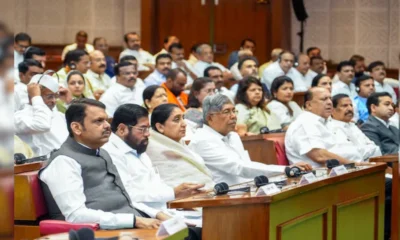
Maharashtra passes freedom of religion bill with jail term up to 10 years
-
India News14 hours ago
Centre assures action on LPG supply disruption, court closes distributors’ plea
-
 India News12 hours ago
Mamata Banerjee warns BJP, EC over Bengal polls, says they will be accountable
-
 Latest world news12 hours ago
Top US counterterrorism official resigns over Iran war, cites conscience
