English हिन्दी
Connect with us

Latest world news

Bangladesh rushes to finalise US trade deal after India secures lower tariffs

Bangladesh is accelerating talks with the US to finalise a trade agreement after India secured lower tariffs, raising concerns over export competitiveness and transparency.

Published

on

Bangladesh is moving quickly to finalise a trade agreement with the United States after India concluded a deal with Washington that lowered tariffs on Indian goods to 18 per cent. The development has triggered concern in Dhaka that Bangladesh could lose market share in the US if it fails to secure comparable or better terms.

The US and Bangladesh are expected to sign the agreement on February 9, just three days before the country’s national election scheduled for February 12. The timing and lack of transparency surrounding the deal have drawn criticism from economists, business leaders and political observers.

Bangladesh’s economy is heavily dependent on ready-made garment exports, which account for nearly 90 per cent of its exports to the US. Any tariff disadvantage compared to India could significantly impact export orders and employment in the sector.

Tariff cuts under negotiation

The proposed agreement follows a series of tariff revisions imposed by Washington. In April 2025, the US imposed a steep 37 per cent tariff on Bangladeshi goods. This was reduced to 35 per cent in July and further lowered to 20 per cent in August.

According to reports, the upcoming deal is expected to bring tariffs down further to around 15 per cent. Officials see this as critical to keeping Bangladeshi exports competitive against Indian products in the US market.

Secrecy around negotiations raises concerns

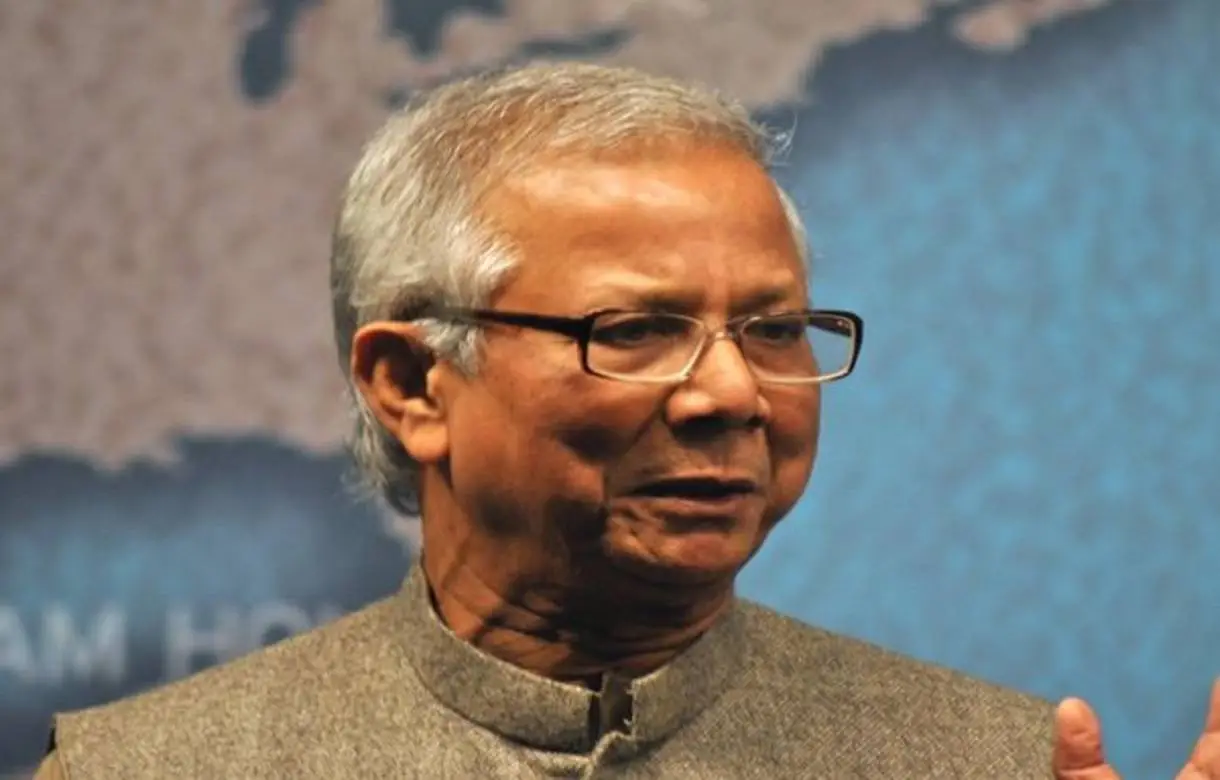
Concerns have intensified due to the confidential nature of the negotiations. In mid-2025, the interim government led by Muhammad Yunus signed a formal non-disclosure agreement with the US, committing to keep tariff and trade discussions confidential.

No draft of the agreement has been shared with the public, parliament or industry stakeholders. A commerce adviser had earlier stated that the deal would not go against national interests and could be made public with US consent.

Policy experts, however, argue that the lack of disclosure prevents meaningful debate on the agreement’s long-term implications.

Conditions reportedly linked to the deal

Media reports suggest that the agreement may include several conditions. These include reducing imports from China, increasing military procurement from the US, and allowing American goods easier access to the Bangladeshi market.

It is also reported that Bangladesh may be required to accept US standards and certifications without additional scrutiny. Inspections on US vehicle imports and parts could reportedly be eased to facilitate smoother entry into the local market.

A senior policy analyst described the process as opaque, noting that signing the agreement just days before elections could bind the hands of the next elected government.

Garment industry left in the dark

Bangladesh exports garments and textiles worth between $7 billion and $8.4 billion annually to the US, accounting for nearly 96 per cent of its total exports to the American market. In comparison, Bangladesh imports around $2 billion worth of goods from the US.

With India and Bangladesh exporting similar apparel products, lower tariffs for India could shift US buyers towards Indian suppliers. Industry leaders warn that this could put millions of jobs at risk in Bangladesh’s garment sector, which employs 4 to 5 million workers, most of them women.

The sector contributes over 80 per cent of Bangladesh’s export earnings and nearly 20 per cent of its GDP.

A senior garment exporters’ association official said the agreement carries major implications and should ideally have been signed after the election to allow broader political and public discussion.

Political timing draws criticism

Economists and analysts have also questioned why an unelected interim administration is finalising a major trade agreement so close to national elections. They argue that responsibility for implementing the deal will fall on the incoming elected government.

A prominent economist criticised the process as lacking transparency and warned that the country could be pushed into long-term commitments without adequate scrutiny or public consent.

Meanwhile, US diplomats have indicated openness to engaging with various political forces in Bangladesh, including Jamaat-e-Islami, which has been banned multiple times in the country’s history.

Latest world news

Trump approves nearly $9 billion weapons sales to Israel, UAE and other allies amid Iran tensions

The US has fast-tracked nearly $9 billion in weapons sales to Israel, UAE and other allies as tensions linked to the Iran conflict continue despite a fragile ceasefire.

Published

on

Donald Trump statement

The United States has approved nearly $9 billion worth of weapons sales to key Middle Eastern allies, including Israel and the United Arab Emirates, amid ongoing tensions linked to the Iran conflict.

The decision, cleared by the administration of Donald Trump, includes expedited military transfers to Israel, the UAE, Qatar, and Kuwait. The approvals were granted under an emergency provision, allowing authorities to bypass the usual congressional review process.

Emergency clearance amid ongoing conflict

Officials said the move was necessary due to the evolving security situation in the region, particularly as the conflict involving Iran continues despite a fragile ceasefire. The war, which began earlier in 2026, has heightened instability across West Asia.

US Secretary of State Marco Rubio invoked emergency powers to fast-track the deals, citing urgent defence requirements for allied nations.

What the arms package includes

The approved package includes a mix of advanced defence systems and precision weapons:

  • Patriot missile defence replenishments worth over $4 billion for Qatar
  • Precision-guided weapon systems for multiple countries
  • Integrated battle command systems for Kuwait
  • Additional advanced weapons support for Israel and the UAE

The total value of these deals is estimated at over $8.6 billion, often rounded to nearly $9 billion.

Timing linked to iran war

The approval comes nearly nine weeks into the conflict involving the US, Israel, and Iran, with tensions still high despite a ceasefire that has been in place for several weeks.

Analysts note that the move signals continued US military backing for its regional allies, particularly in strengthening air defence and precision strike capabilities during uncertain conditions.

Criticism and concerns

The decision to bypass congressional oversight has drawn criticism from some quarters, particularly over transparency and the broader implications of increasing arms supplies in a conflict-prone region.

Continue Reading

Latest world news

Trump and Putin hold over 90-minute call, discuss Iran war and Ukraine conflict

Trump and Putin held a 90-minute call focusing on Iran tensions and the Ukraine conflict, with warnings over escalation and talks of ceasefire.

Published

on

Vladimir Putin and Donald Trump

US President Donald Trump and Russian President Vladimir Putin held a phone conversation lasting more than 90 minutes, focusing on escalating tensions in the Middle East and the ongoing war in Ukraine.

According to official statements, the discussion was described as “frank and businesslike,” with both leaders addressing key global security concerns. A major part of the conversation centred on the situation involving Iran and developments in the Persian Gulf.

Putin supported Trump’s decision to extend the ceasefire related to Iran, suggesting that continued restraint could create space for negotiations and help stabilise the region. However, he also issued a strong warning, stating that renewed military action by the United States or Israel could lead to “extremely damaging consequences” not only for Iran but for the wider international community.

Ukraine conflict also discussed

The leaders also discussed the ongoing war in Ukraine, which has continued for several years since Russia’s invasion in 2022. During the call, there were indications of potential efforts toward a temporary ceasefire, although no final agreement has been confirmed.

Reports suggest that the idea of a short-term pause in hostilities was explored, possibly linked to upcoming symbolic dates, but significant differences between the parties remain unresolved.

Focus on diplomacy amid global tensions

The call highlights ongoing diplomatic engagement between Washington and Moscow at a time of heightened geopolitical tensions involving both the Middle East and Eastern Europe.

While both sides acknowledged the importance of dialogue, the situation on the ground in both conflict zones remains complex, with no immediate resolution in sight.

Continue Reading

Latest world news

Trump rejects Iran peace plan as tensions rise, Tehran signals military readiness

Trump rejects Iran’s peace plan, keeping focus on nuclear concerns as Tehran signals readiness and tensions continue to rise.

Published

on

Donald Trump statement

U.S. President Donald Trump has rejected a proposal from Iran aimed at easing ongoing tensions, signaling a continued deadlock between the two countries.

The proposal reportedly included steps linked to easing restrictions around the Strait of Hormuz, a key global oil route. However, the United States declined the offer, maintaining that any agreement must address concerns related to Iran’s nuclear programme.

Washington has made it clear that resolving nuclear issues remains a priority and that partial measures without broader commitments will not be accepted.

Nuclear issue remains central

The U.S. position continues to focus on preventing Iran from advancing its nuclear capabilities. Officials believe that without a comprehensive agreement, temporary arrangements could delay a long-term resolution.

The rejection of the proposal indicates that negotiations remain stalled, with both sides holding firm on key demands.

Iran issues warning

Following the rejection, Iranian officials have issued strong statements, indicating readiness to respond if pressure from the U.S. continues.

Reports suggest that Iran has asserted its military preparedness, warning that any escalation could lead to serious consequences. The remarks reflect growing tensions as diplomatic efforts struggle to produce results.

Rising geopolitical tension

The situation remains volatile, with both countries engaged in a prolonged standoff. Measures such as restrictions on trade routes and strategic pressure points continue to impact the broader region.

The Strait of Hormuz remains a critical factor in the conflict, given its importance for global energy supplies.

Outlook uncertain

With no immediate breakthrough in sight, tensions between the United States and Iran are expected to persist. The lack of agreement on key issues, particularly the nuclear programme, continues to hinder progress toward de-escalation.

Continue Reading

Trending

© Copyright 2022 APNLIVE.com