English हिन्दी
Connect with us

Latest world news

CIA officer travelling to India with director Willian Burns suffers Havana syndrome symptoms

Burns has made investigating the anomalous health incidents attributed to Havana syndrome a top priority, creating a targeting cell to investigate the incidents and improving medical care for those who have been injured by the Havana syndrome symptoms.

Published

on

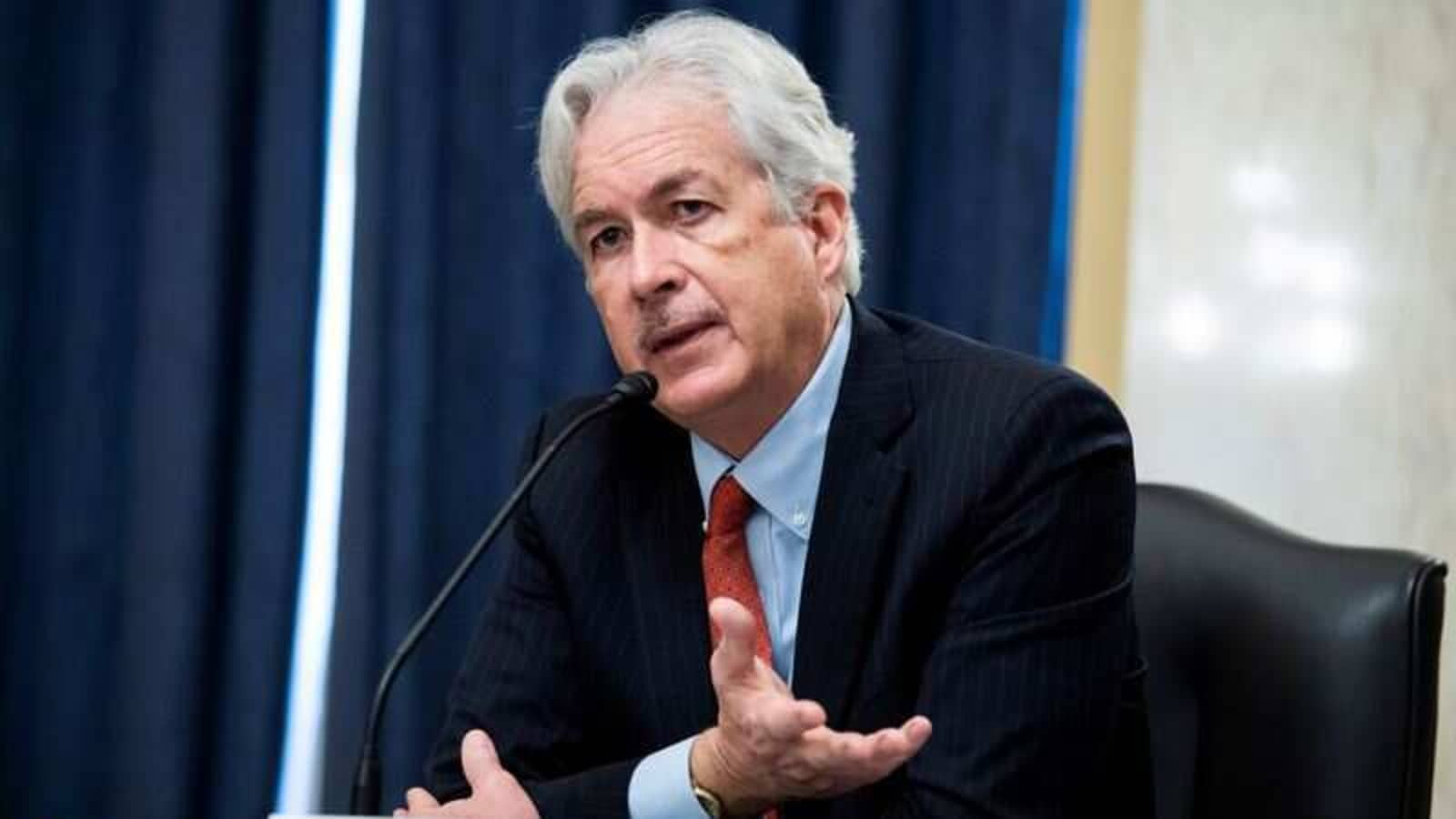
William Burns

An intelligence officer travelling in India this month with the CIA director reported symptoms of Havana syndrome that has been affecting US officials since 2016. The US has been witnessing an escalation in the mysterious incidents related to Havana syndrome, current and former officials said.

However, the US officials are still investigating the circumstances of the incidents. It is not yet determined whether the CIA officer was targeted because he was travelling with the director, William Burns, or due to other reasons.

The US officials have been struggling to determine the cause of Havana syndrome symptoms. While, some officials are convinced that these are the attacks by one or rival powers, intelligence agencies have yet to consider these claims and come to any firm conclusion. Theories abound, including that the injuries are byproducts of surveillance technology or that they are deliberate attempts to inflict harm, but all remain unproven.

Meanwhile, the US officials theory say if the incident was caused by an adversarial intelligence service, it may not have known the officer was traveling with Burns. And if this is the case, then delegation would amount to a shocking escalation.

Burns has made investigating the anomalous health incidents attributed to Havana syndrome a top priority, creating a targeting cell to investigate the incidents and improving medical care for those who have been injured by them.

Nearly half of the known Havana syndrome cases involve CIA officers, although State Department diplomats and members of the military have also been affected, officials have said.

Read Also: When will US lift travel ban from India? Here’s all you need to know

Last month, Vice President Kamala Harris was delayed for three hours as she was about to fly to Hanoi, Vietnam, after a U.S. official in Vietnam reported Havana syndrome symptoms.

What is Havana Syndrome?

The medical mystery named for the Cuban city where US diplomats first experienced sudden, debilitating symptoms in 2016 has been reported by Americans serving in several other countries. Its acute symptoms include loud sounds (something described as chirping, clicking and screeching), hearing loss, headache, insomnia, depression, memory loss, visual disturbances, nausea.

In other India news, a family of poor farmers from Hindu community in Pakistan’s Punjab province landed into trouble after fetching water from a mosque on Monday.

Latest world news

Netanyahu dismisses death rumours in video with US envoy, says I’m alive

Israel PM Benjamin Netanyahu has denied viral claims about his death, appearing in a video with US envoy Mike Huckabee and mocking online conspiracy theories.

Published

on

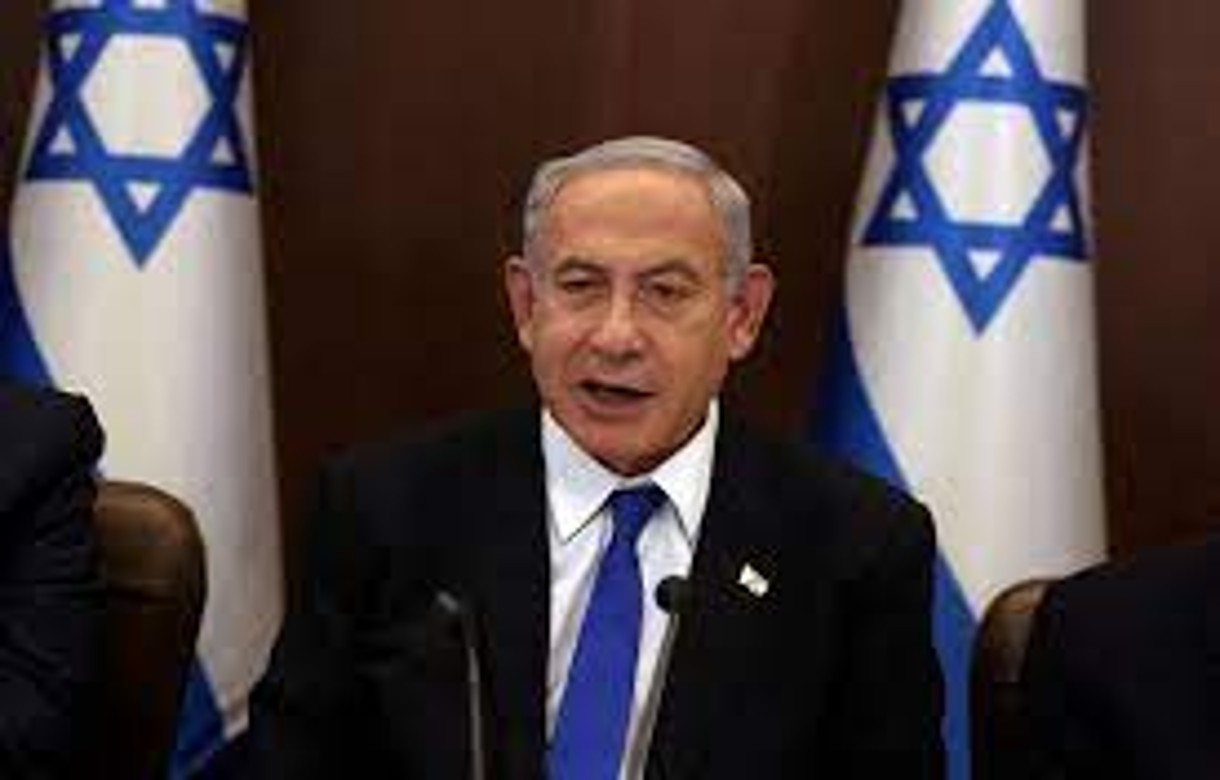
PM Benjamin Netanyahu

Israeli Prime Minister appears alongside US envoy, addresses conspiracy theories and ongoing conflict remarks

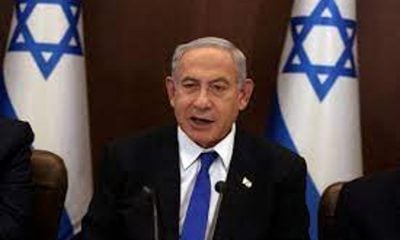
Israel’s Prime Minister Benjamin Netanyahu has publicly dismissed viral rumours about his death, appearing in a fresh video alongside US Ambassador to Israel Mike Huckabee.

The video surfaced after days of speculation online, where misleading posts questioned his absence and circulated claims about altered footage showing him with “six fingers.”

In the clip, Huckabee jokes that US President Donald Trump had asked him to personally check on Netanyahu. Responding with humour, Netanyahu says, “Yes, Mike. Yes, I’m alive.”

Rumours and online claims gain traction

Speculation had intensified across social media as tensions escalated between Israel and Iran.

Some posts claimed Netanyahu had not been seen publicly, while others pointed to a previous video where his hand appeared unusual, fuelling conspiracy theories about manipulated or AI-generated footage.

Remarks on iran conflict

During the interaction, Netanyahu also made comments referencing Israeli strikes, mentioning Iranian figures including Ali Larijani and Basij commander Gholamreza Soleimani.

Using a metaphorical tone, he spoke about “erasing names” from a list, while praising US support and reiterating Israel’s stance against Iran’s nuclear ambitions.

Huckabee responded in a lighter tone, joking that his own name was not on the list, to which Netanyahu replied that he was among the “good guys.”

Earlier video mocked conspiracy

Before releasing this clip, Netanyahu had already addressed the rumours in another video posted online. Sitting at a café, he joked about being “dead for coffee,” using a phrase implying strong liking.

He also directly responded to the “six fingers” claim by showing both hands to the camera and inviting viewers to count his fingers.

The videos appear aimed at countering misinformation circulating online as geopolitical tensions continue in the region.

Continue Reading

Latest world news

US strikes Iranian missile sites near Hormuz with 5,000-pound bunker buster bombs

US forces hit Iranian missile positions near the Strait of Hormuz using deep penetrator bombs to counter threats to global shipping.
Published

on

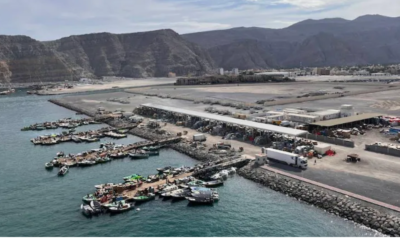
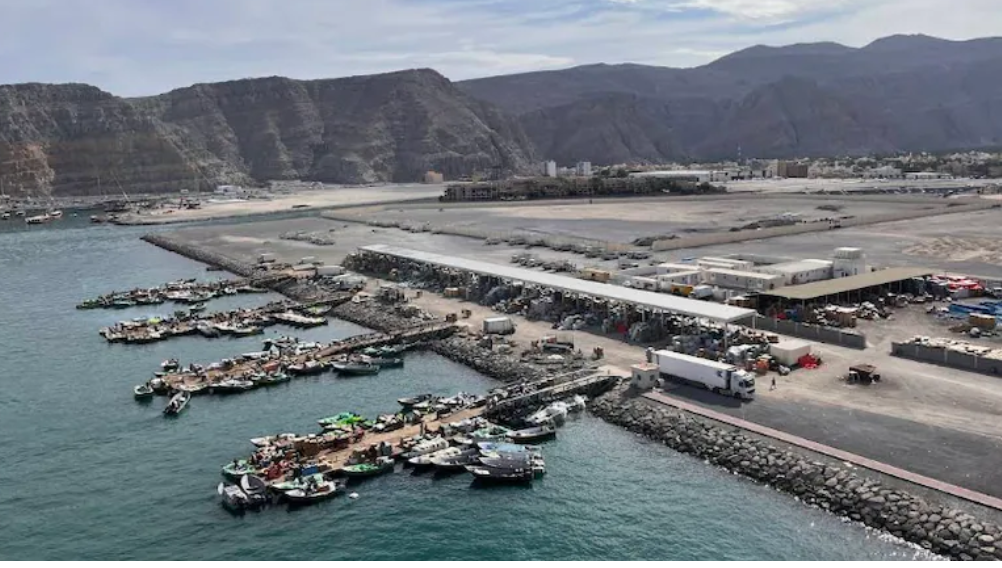
In a major escalation aimed at restoring maritime movement, the United States has carried out airstrikes on Iranian missile positions near the Strait of Hormuz using powerful deep-penetration bombs.

The US military confirmed that multiple 5,000-pound bunker buster munitions were used to target hardened missile infrastructure along Iran’s coastline. According to an official statement, the sites housed anti-ship cruise missiles that posed a significant threat to international shipping in the strategic waterway.

The strikes mark the first major US military action to reopen the Strait of Hormuz after Iran reportedly shut it down in response to the ongoing conflict involving the United States and Israel.

Strait disruption triggers global concern

The Strait of Hormuz is a critical global النفط transit route, with nearly one-fifth of the world’s oil supply passing through it. Its closure has severely disrupted shipping activity and triggered a sharp rise in global energy prices.

The US action appears to be aimed at neutralising immediate threats to vessels and restoring safe passage through the region.

Allies reluctant to back US move

The development comes amid reports that several US allies, including NATO members, have declined calls from President Donald Trump to support efforts to secure the strait.

Expressing frustration, Trump criticised allies for not contributing even limited resources such as minesweepers, despite longstanding US support to NATO. He maintained that preventing Iran from acquiring nuclear weapons remains a priority for global security.

However, Iran has consistently denied pursuing nuclear weapons, stating that its nuclear programme is intended solely for peaceful purposes, including energy production.

Use of bunker buster bombs

The bombs used in the operation are designed to destroy fortified or deeply buried targets. These 5,000-pound munitions, often referred to as bunker busters, are capable of penetrating hardened structures before detonation.

While powerful, they are smaller compared to the 30,000-pound bombs reportedly used by the US in previous strikes on Iranian nuclear facilities.

Continue Reading

Latest world news

Top US counterterrorism official resigns over Iran war, cites conscience

Joseph Kent steps down as US counterterrorism chief, questioning the justification for the Iran war and citing moral concerns.
Published

on

Trump official resigns

A senior US national security official has stepped down in protest against the ongoing war with Iran, citing moral concerns and disagreement with the administration’s decision.

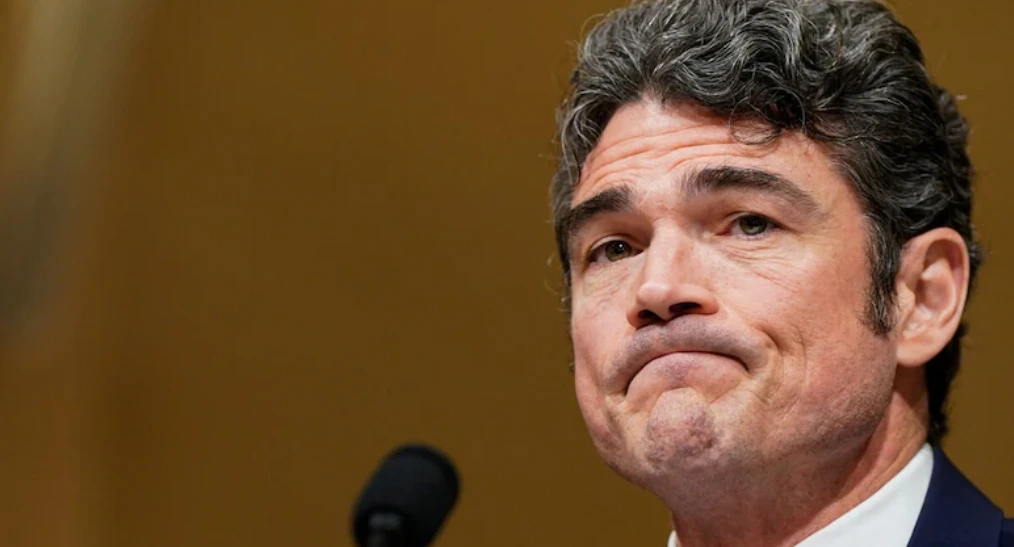
Joseph Kent, who headed the National Counterterrorism Center, resigned from his post, stating he could not support the conflict “in good conscience.” In his resignation letter, Kent argued that Iran did not pose an “imminent threat” to the United States.

He also alleged that external pressure, particularly from Israel and influential pro-war voices, played a role in shaping the decision to enter the conflict under President Donald Trump.

“I cannot in good conscience support the ongoing war in Iran,” Kent wrote, adding that the US had been drawn into the conflict despite a lack of direct threat.

Kent further claimed that a “misinformation campaign” by senior Israeli officials and sections of the American media contributed to building support for military action. According to him, this created an “echo chamber” that influenced the president’s perception of Iran as an immediate danger.

In his letter, Kent said that until mid-2025, Trump had acknowledged that prolonged wars in the Middle East had drained US resources and cost lives. However, he suggested that this position shifted under sustained pressure and messaging.

He urged the president to reconsider the course of action, warning that the conflict could push the country toward instability. “You can reverse course and chart a new path for our nation, or allow us to slip further toward decline and chaos,” he wrote.

Kent’s resignation marks the first high-level departure from the administration directly linked to the Iran war.

As head of the National Counterterrorism Center, Kent was responsible for analysing and monitoring terrorist threats. His tenure, however, had been controversial. He was confirmed to the role last year by a narrow Senate vote, facing strong opposition from Democrats over his past associations.

Critics had raised concerns about his links to far-right figures and his stance on conspiracy theories. During his earlier political campaign, Kent had professional associations with individuals connected to extremist groups, which became a point of contention during his confirmation hearings.

Continue Reading

Trending

© Copyright 2022 APNLIVE.com