
Latest world news
Guatemala opens embassy in Jerusalem, after US


Paraguay will also open its embassy soon
Following US foot prints Guatemala has now opened its embassy in Jerusalem on Wednesday. Guatemalan President Jimmy Morales and Israeli Prime Minister Benjamin Netanyahu attended the ceremony, in an office complex in west Jerusalem. Guatemalan foreign minister Sandra Jovel also attended the event.
President Jimmy Morales arrived in Israel on Tuesday to open his country’s embassy in Jerusalem. He is expected to meet with his Israeli counterpart Reuven Rivlin and Prime Minister Benjamin Netanyahu later in the afternoon.
US relocated its embassy from Tel Aviv to Jerusalem on Monday amidst Israeli forces firing on Palestinian protesters killing around 60 and wounding several hundred others. The protests were held against the relocation of the U.S. Embassy to Jerusalem while it was coincided with the Nakaba day anniversary, commemorating the establishment of Israel state seventy years ago.
Read More: US Face Worldwide Condemnation for Embassy Relocation
The ceremony was attended by a large high-level American delegation, including Ivanka Trump and Jared Kushner, Israeli Prime Minister Benjamin Netanyahu and envoys from several countries.
 Guatemala is the second country to open its embassy in Jerusalem after the United States. Paraguay is also reportedly preparing to relocate its embassy to Jerusalem soon.
Jerusalem remains at the heart of the Palestine-Israel conflict, with Palestinians seeking East Jerusalem, occupied by Israel since 1967, as the capital of their future independent Palestinian state. Israel’s claim of the city being its capital was recently strengthened by US relocating its embassy.
Reacting to the killings of Palestinians by Israeli forces Turkey has recalled its ambassadors from Israel and the U.S. for consultations. South Africa has also recalled its envoy from Israel.
Read More: Trump to order Embassy shift to Jerusalem despite world community warning
According to the Palestinian Health Ministry, 109 Palestinian demonstrators have been killed by Israeli forces since the “right to return” protests began on March 30. Hundreds others have also been injured by Israeli gunfire.
Israeli media reports say that Prime Minister Benjamin Netanyahu will hold an official meeting with Guatemalan President Jimmy Morales and foreign minister Sandra Jovel at his office later on Wednesday afternoon and will host dinner in the honour of Guatemalan president and his wife.
In 1959, Guatemala was the first country to open its embassy in Jerusalem, but later moved it to Tel Aviv, following international rejection of Israeli claims to East Jerusalem. Guatemala was also the first country after US recognized Jerusalem as Israel’s capital on December 24, 2017.










Latest world news
Magnitude 7 earthquake strikes Tibet after floods
A magnitude 7 earthquake struck northern Tibet on Thursday, October 22. The tremor came weeks after deadly flash floods and landslides hit the mountainous region near the Nepal-China border. Initial reports did not confirm casualties or damage from the earthquake.


Latest world news
Macron rejects Trump’s immigration claims over France riots
French President Emmanuel Macron criticised Donald Trump and other foreign leaders over their comments on France’s recent unrest. Macron rejected claims that the country was being overrun by migrants and Islamists, calling such assertions false.

Latest world news
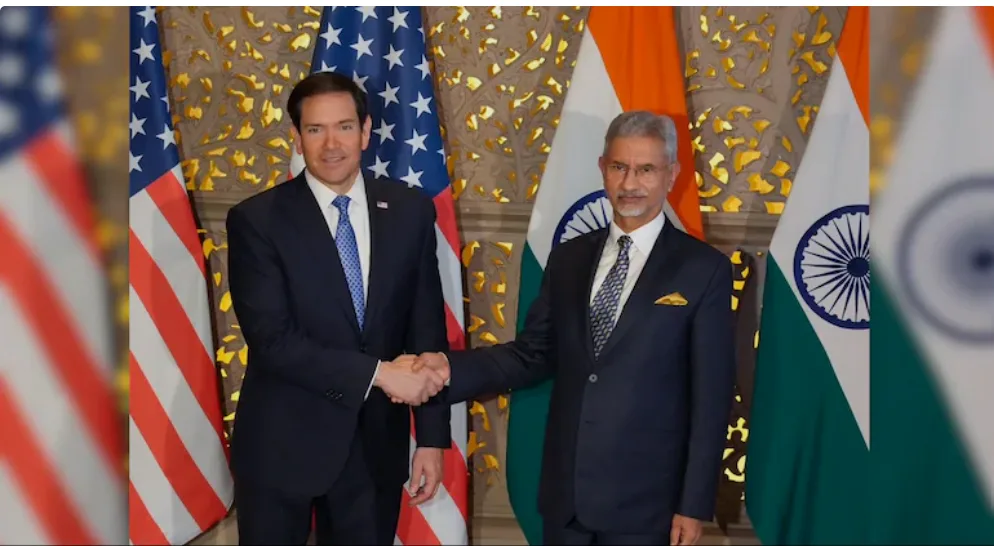
Marco Rubio says India and US share extraordinary alignment on key issues
US Secretary of State Marco Rubio said India and the United States share an extraordinary alignment on core issues, even though disagreements between the two countries may arise.

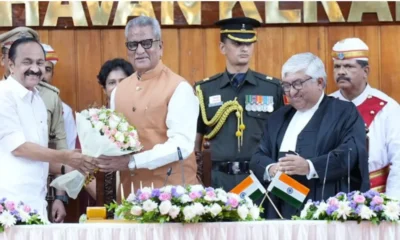
Om Prakash Mathur sworn in as Keralam Governor

PM Modi to inaugurate Rs 169-crore RBI data centre in Odisha on October 25

MEA responds after ITBP chief flags ongoing face-offs with China in Arunachal

Delhi High Court rejects Neha Bora’s plea against peace bond notice

Thousands bang utensils, beat drums in Manipur protest over continued killings

Congress seeks 175-200 seats in UP, Samajwadi Party stresses on winnability
Thousands bang utensils, beat drums in Manipur protest over continued killings
MEA responds after ITBP chief flags ongoing face-offs with China in Arunachal
Delhi High Court rejects Neha Bora’s plea against peace bond notice
PM Modi to inaugurate Rs 169-crore RBI data centre in Odisha on October 25

Afghan Men Try To Hang With The Jet Engine Of The Aircraft in Kabul- Afghanistan News – Kabul News
Trending Top 10 News: 10000 Crore Fine on Flipkart, Apple to Launch Unique Feature, Hdfc Bank Job Ad

Trending Top 10 News: Nokia 6310, Apple sales, Bachpan ka Pyar Video Kid, Dainik Bhaskar IT Raid

Trending Top 10 News: Canada bans Indian flights, Rain in Delhi NCR, AIMIM Twitter hacked, Raj Kundra case

Trending Top 10 News: Shein India, Apple New Service, Pocket Oxygen, Oppo Launched New Phone
-
 India News20 hours ago
Om Prakash Mathur sworn in as Keralam Governor
-
 India News19 hours ago
PM Modi to inaugurate Rs 169-crore RBI data centre in Odisha on October 25
-
 India News18 hours ago
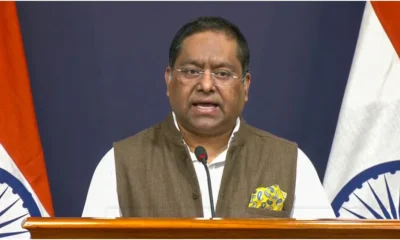
MEA responds after ITBP chief flags ongoing face-offs with China in Arunachal
-
 India News18 hours ago
Delhi High Court rejects Neha Bora’s plea against peace bond notice
-
 India News5 hours ago
Thousands bang utensils, beat drums in Manipur protest over continued killings
-
 India News4 hours ago
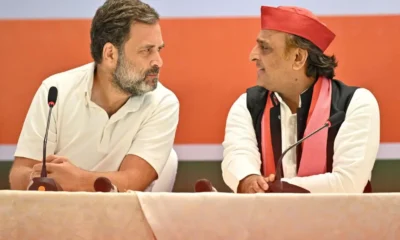
Congress seeks 175-200 seats in UP, Samajwadi Party stresses on winnability
