
Latest world news
Iran, Iraq condemn crow attack on Iranian consulate in Basra


PM Haider al-Abadi orders tough action, Tehran asks Baghdad to act fast
The Governments of Iran and Iraq have reacted sharply on protesters’ attack and setting fire of Iranian consulate in southern Iraqi city of Basra on Friday. Iraqi Prime Minister Haider al-Abadi has ordered security forces to investigate into deadly violence and “act decisively” while Iran has strongly condemned the attack and reminded the Iraqi government of its responsibility to protect diplomatic sites.
According to Aljazeera, Prime Minister Haider al-Abadi, on Friday evening, instructed security forces to act decisively against the “acts of vandalism” that accompanied the demonstrations. Iranian consulate was set on fire on Friday as part of weeks-long protests over poor services and lack of jobs.

Reports from Basra speak of thousands shouting anti-Iran slogans, condemning alleged interference in their country’s politics before breaking into the consulate and setting it on fire. The building was empty when the crowd burst in.
Iraq’s Foreign Ministry spokesman Ahmed Mahjoub said Friday evening that the storming of the consulate, which it deeply regretted, had nothing to do with protesters’ demand. He said, “The targeting of diplomatic missions is unacceptable and detrimental to the interests of Iraq”.

Meanwhile, in Tehran, Foreign Ministry Spokesman Bahram Qassemi issued a statement regretfully confirming an attack, saying the attackers had set the building ablaze in their brutal raid, causing serious financial damage.
Qassemi described the attack as a violation of protocols and said the Iraqi government has a crucial responsibility to protect diplomatic sites. Moreover, without naming Saudi Arabia, warned about overt and covert efforts to undermine the friendly relations between the Iraqi and Iranian nations and governments.
Read More: Military officials from Russia, Iran, Iraq and Syria meet in Baghdad
He urged Baghdad to “identify, arrest, and punish the culprits behind the serious crime as soon as possible”. He noted that Iran had earlier informed and warned the Iraqi officials about the probability of such an attack, and thus the Iraqi government is held responsible for any negligence in ensuring the consulate’s security.
The Iranian spokesman further said the Iraqi ambassador in Tehran was summoned to the Foreign Ministry and was notified on Iran’s strong protest over the negligence of the Iraqi forces to protect the consulate.

Eleven people have been killed so far during the violent protests against corruption and lack of basic services over the past five days in Basra, the port city situated close to Kuwait and Iran.
The protesters have earlier burnt buildings including the provincial governorate, ruling Dawa Party, the Supreme Islamic Council and the Badr Organization in Basra. The offices of the Asaib Ahl al-Haq militia and the offices of the Hikma Movement have also been burnt about 100 km north of Basra.
The protests were partly aimed against Iran as Tehran had stopped supplying electricity to Iraq due to unpaid bills and a rise in domestic consumption in the summer. However, on August 21, Iran said that it resumed supplying electricity to Iraq and other neighbouring countries 10 days ago, and it will be increasing it.
Iran’s Tasnim news agency quoted Mehmoudreza Haghifam, the Deputy Energy Minister saying “We are now exporting 200 to 250 megawatt electricity to Iraq, Afghanistan and Pakistan”.
Recently, to ward off Iranian influence in Iraq, Saudi Arabia has agreed to construct solar power 3000-megawatt plant and sell electricity for Iraq on cheaper prices at one fourth of Iran was supplying.
Read More: Saudi Arabia Sells Electricity to Iraq At Throw-Away Cost
Meanwhile, the comments uploaded by Press TV website readers were directed towards Saudi Arabia for instigating attack on Iranian consulate in Basra. Paul, one of the readers said, America and Israel are not Iran’s real enemy. Saudi Arabia is the real enemy. In order to have peace in middle east Saudi royal (royal my ass) family must be removed once and for all. Wahabi monsters are behind this”. Another reader said, “Peace will not come to Iraq until USA is kicked out”.







Latest world news
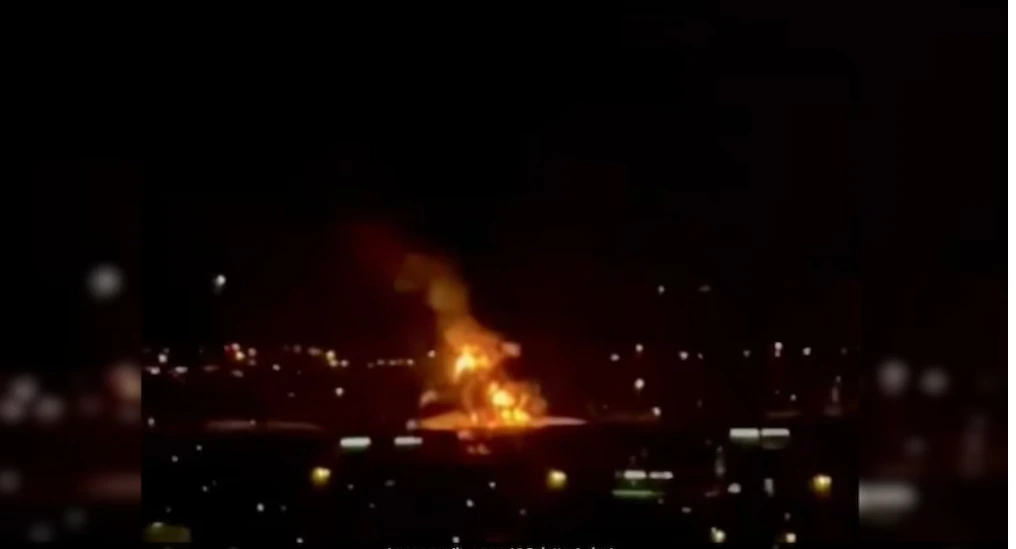
Fire near Dubai International Airport after drone incident, flights temporarily suspended
Flights at Dubai International Airport were temporarily suspended after a drone-related incident caused a fuel tank fire near the facility. Authorities confirmed the blaze was contained and no injuries were reported.

Latest world news
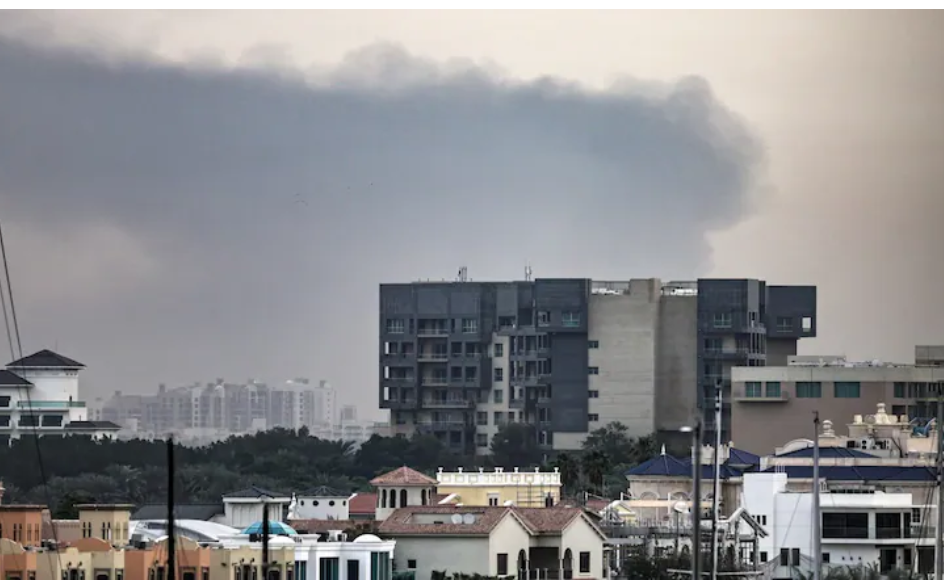
Dubai hit again within 24 hours as debris strikes building, drone targets US embassy in Baghdad
A building in Dubai’s financial hub was struck by debris from an intercepted attack while a drone targeted the US embassy in Baghdad, officials said.
Latest world news
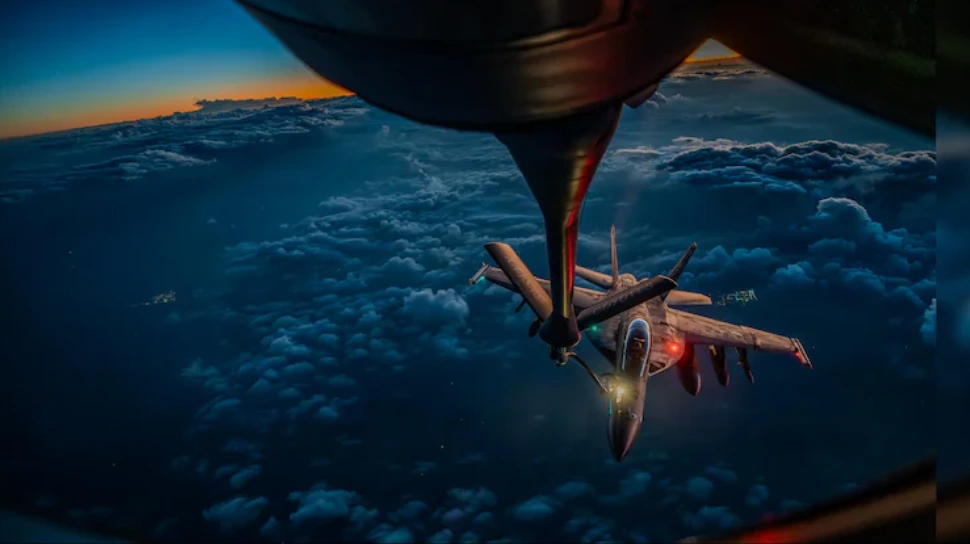
US KC-135 refuelling aircraft crashes in Iraq amid ongoing Iran war
A US KC-135 refuelling aircraft crashed in western Iraq during the ongoing Iran war, marking the fourth American aircraft lost in the conflict, according to the US military.

BJP releases first list of 47 candidates for Kerala assembly polls

Pakistan airstrike allegations on Kabul hospital leave hundreds dead, claims Taliban

Om Birla likely to move motion to revoke suspension of 8 opposition MPs today

Mamata Banerjee writes to poll chief over officers’ reshuffle, calls move arbitrary

Maharashtra passes freedom of religion bill with jail term up to 10 years
Om Birla likely to move motion to revoke suspension of 8 opposition MPs today
Maharashtra passes freedom of religion bill with jail term up to 10 years
Mamata Banerjee writes to poll chief over officers’ reshuffle, calls move arbitrary
Pakistan airstrike allegations on Kabul hospital leave hundreds dead, claims Taliban
BJP releases first list of 47 candidates for Kerala assembly polls

Afghan Men Try To Hang With The Jet Engine Of The Aircraft in Kabul- Afghanistan News – Kabul News
Trending Top 10 News: 10000 Crore Fine on Flipkart, Apple to Launch Unique Feature, Hdfc Bank Job Ad

Trending Top 10 News: Nokia 6310, Apple sales, Bachpan ka Pyar Video Kid, Dainik Bhaskar IT Raid

Trending Top 10 News: Canada bans Indian flights, Rain in Delhi NCR, AIMIM Twitter hacked, Raj Kundra case

Trending Top 10 News: Shein India, Apple New Service, Pocket Oxygen, Oppo Launched New Phone
-
 India News21 hours ago
BJP releases first list of 47 candidates for Kerala assembly polls
-
 India News7 hours ago
Pakistan airstrike allegations on Kabul hospital leave hundreds dead, claims Taliban
-
 India News6 hours ago
Om Birla likely to move motion to revoke suspension of 8 opposition MPs today
-
 India News7 hours ago
Mamata Banerjee writes to poll chief over officers’ reshuffle, calls move arbitrary
-
 India News6 hours ago
Maharashtra passes freedom of religion bill with jail term up to 10 years
