
Latest world news
New York based India origin woman equity director killed by shark

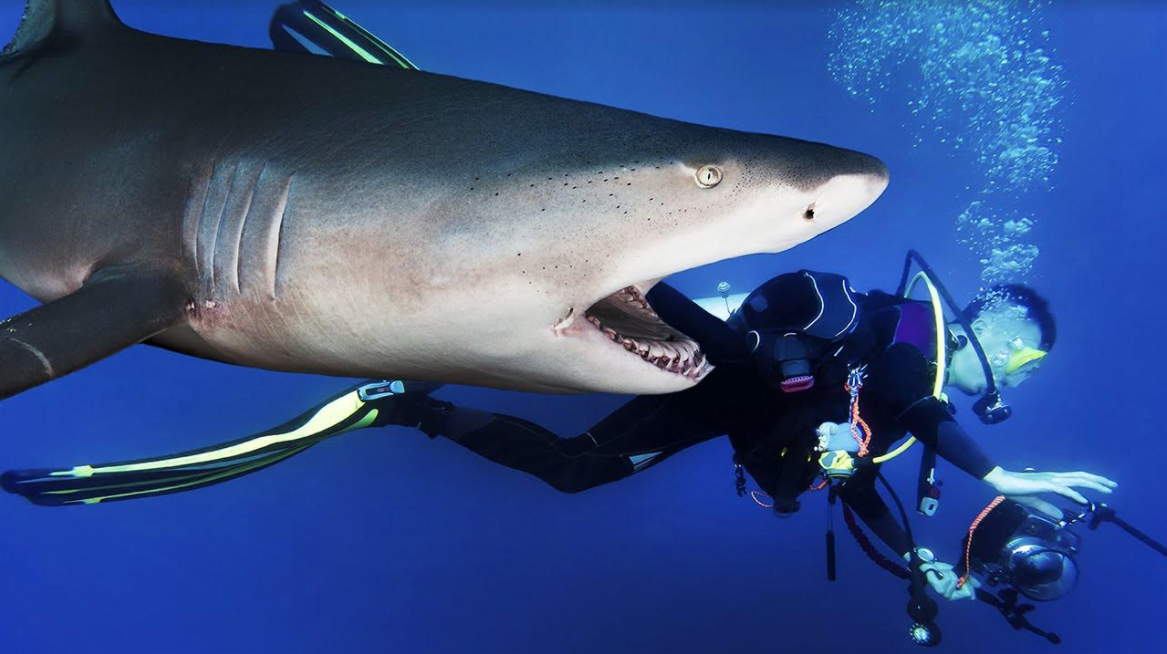
[vc_row][vc_column][vc_column_text]An Indian origin equity director in a New York firm was killed in a shark attack while scuba diving off the coast of Costa Rica.
Rohina Bhandari, 49, suffered fatal bites to both her legs in the shark attack on Thursday when she had gone scuba diving with a group near Cocos Island, a national park about 300 miles off the Costa Rican mainland, New York Post reported on Sunday.
Bhandari was hauled out of the water after sustaining severe bites to her legs, said media reports quoting Costa Rica’s Environment Ministry.
Park guards and medical personnel vacationing on the island launched a frantic effort to treat her wounds, but Bhandari, a senior director at WL Ross & Co. LL, could not be saved.
Bhandari was ascending to the surface at the Manuelita dive site when her 26-year-old diving guide noticed the shark, which he described as a female tiger shark. The guide, identified only by his last name Jiménez, tried to scare the shark off, but it was too late. The shark mauled Bhandari, leaving severe bites on both of her legs, Costa Rica’s Ministry of Environment and Energy said in a news release, according to Washington Post.
The diving guide master also suffered a shark bite but those injuries were not life-threatening. The instructor, who was conscious and in relatively stable condition, told officials that the shark attacked when his group was surfacing at the tail end of the dive. A boater and other divers tried to drive the creature away but it was too late.

Bhandari lived on the Upper East Side of Manhattan and was described by the New York Daily News as “a regular presence on the Manhattan charity circuit.” She was reportedly planning to visit her relatives in Bengaluru on her 50th birthday in 2018.
Tiger sharks are predators often found around Pacific islands. One of the largest sharks in the world, Tiger sharks are known for their powerful jaws and voracious appetites.
Media reports quoting officials at the Cocos Marine Conservation Area said the attack was an isolated one. In 2012, researchers visiting the island tagged five tiger sharks — two males and three females. The females were the longest, measuring at more than 13 feet. The sharks are most active at the diving sites in the afternoon and early morning hours, but had not presented a threat until Thursday, the ministry reportedly said.
Cocos Island National Park, designated a World Heritage Site by UNESCO in 1997, is the only island in the tropical eastern Pacific with a tropical rainforest. The remote island is world famous for its diving, during which tourists can spot rays, tuna, dolphins, and about 14 species of sharks, including the whale shark and hammerhead shark, the ministry said.
Tiger sharks were not in the area for about 30 years and returned about a decade ago, La Nación reported.[/vc_column_text][/vc_column][/vc_row]












Latest world news
Magnitude 7 earthquake strikes Tibet after floods
A magnitude 7 earthquake struck northern Tibet on Thursday, October 22. The tremor came weeks after deadly flash floods and landslides hit the mountainous region near the Nepal-China border. Initial reports did not confirm casualties or damage from the earthquake.


Latest world news
Macron rejects Trump’s immigration claims over France riots
French President Emmanuel Macron criticised Donald Trump and other foreign leaders over their comments on France’s recent unrest. Macron rejected claims that the country was being overrun by migrants and Islamists, calling such assertions false.

Latest world news
Marco Rubio says India and US share extraordinary alignment on key issues
US Secretary of State Marco Rubio said India and the United States share an extraordinary alignment on core issues, even though disagreements between the two countries may arise.


Punjab strike hits public services as 3 lakh employees and roadways workers protest

Two election commissioners complained against senior poll officer, RTI reveals

Om Prakash Mathur sworn in as Keralam Governor

PM Modi to inaugurate Rs 169-crore RBI data centre in Odisha on October 25

Delhi High Court rejects Neha Bora’s plea against peace bond notice

MEA responds after ITBP chief flags ongoing face-offs with China in Arunachal
Delhi High Court rejects Neha Bora’s plea against peace bond notice
PM Modi to inaugurate Rs 169-crore RBI data centre in Odisha on October 25
Om Prakash Mathur sworn in as Keralam Governor
Two election commissioners complained against senior poll officer, RTI reveals

Afghan Men Try To Hang With The Jet Engine Of The Aircraft in Kabul- Afghanistan News – Kabul News
Trending Top 10 News: 10000 Crore Fine on Flipkart, Apple to Launch Unique Feature, Hdfc Bank Job Ad

Trending Top 10 News: Nokia 6310, Apple sales, Bachpan ka Pyar Video Kid, Dainik Bhaskar IT Raid

Trending Top 10 News: Canada bans Indian flights, Rain in Delhi NCR, AIMIM Twitter hacked, Raj Kundra case

Trending Top 10 News: Shein India, Apple New Service, Pocket Oxygen, Oppo Launched New Phone
-
 India News23 hours ago
Punjab strike hits public services as 3 lakh employees and roadways workers protest
-
 India News23 hours ago
Two election commissioners complained against senior poll officer, RTI reveals
-
 India News12 hours ago
Om Prakash Mathur sworn in as Keralam Governor
-
 India News12 hours ago
PM Modi to inaugurate Rs 169-crore RBI data centre in Odisha on October 25
-
 India News10 hours ago
Delhi High Court rejects Neha Bora’s plea against peace bond notice
-
 India News10 hours ago
MEA responds after ITBP chief flags ongoing face-offs with China in Arunachal
