
Latest world news
North Korea calls US “gangster-like” attitude


Pompeo says world is gangster as UN demanded for complete denuclearization
The failure of US President Donald Trump’s policy on North Korea was virtually surfaced on Saturday when North Korea accused Washington of pushing “unilateral and gangster-like demand for denuclearization” and called it “deeply regrettable,” hours after Mike Pompeo, the Secretary of State said his two days of talks in the North Korean capital were “productive.”
According to KCNA Watch, the Norfth Korean official media outlet, the spokesman of the foreign ministry said, “The U.S. side came up only with its unilateral and gangster-like demand for denuclearization just calling for CVID, declaration and verification, all of which run counter to the spirit of the Singapore summit meeting and talks”.
He further said, “The U.S. side never mentioned the issue of establishing a peace regime on the Korean peninsula which is essential for defusing tension and preventing a war. It took the position that it would even backtrack on the issue it had agreed on to end the status of war under certain conditions and excuses.”
Read More: Trump change stance: say North Korea a threat to US security
He said, “We thought that the U.S. side would come with a constructive proposal which accords with the spirit of the DPRK-U.S. summit meeting and talks. But expectation and hope of ours were so naive as to be foolish”.
The spokesman clarified, “The issues the U.S. side insisted on at the talks are all roots of troubles, which the previous administrations also had insisted on to disrupt the dialogue processes, stoke the distrust and increase the danger of war”.
 Asserting North Korea position, the spokesperson said, “The U.S. is fatally mistaken if it went to the extent of regarding that the DPRK would be compelled to accept, out of its patience, the demands reflecting its gangster-like mindset”.
Read More: West meets the East in historic summit in Singapore
Meanwhile on Sunday, Mike Pompeo, the Secretary of State, told media persons on Tokyo, “Sanctions will remain in place until final, fully verified denuclearization as agreed to by Chairman Kim (Jong Un) occurs. While we are encouraged by the progress of these talks, progress alone does not justify the relaxation of the existing sanctions regime.”
Pompoe was in Tokyo to brief his Japanese and South Korean counterparts on his talks in Pyongyang, where he brushed aside “gangster-like” characterization and said that the discussions were continuing in “good faith”.
He said “If those requests were gangster-like, the world is a gangster, because there was a unanimous decision at the UN Security Council about what needs to be achieved.”
Read More: US Defence Secretary meets South Korean Defence Minister
Pompeo also insisted that Pyongyang was committed to broad denuclearization and said that while some security guarantees could be on the table during the process, sanctions relief would not be. “Across the range of weapons and missiles, it’s a broad definition of denuclearization, and the North Koreans understand that and have not challenged that,” he said.
Pompeo held more than eight hours of talks with North Korean officials in Pyongyang from Friday. He characterized the discussions as positive, but hours after he left Pyongyang, North Korea issued the statement rejecting Washington’s “gangster-like” demand for rapid nuclear disarmament.





Latest world news
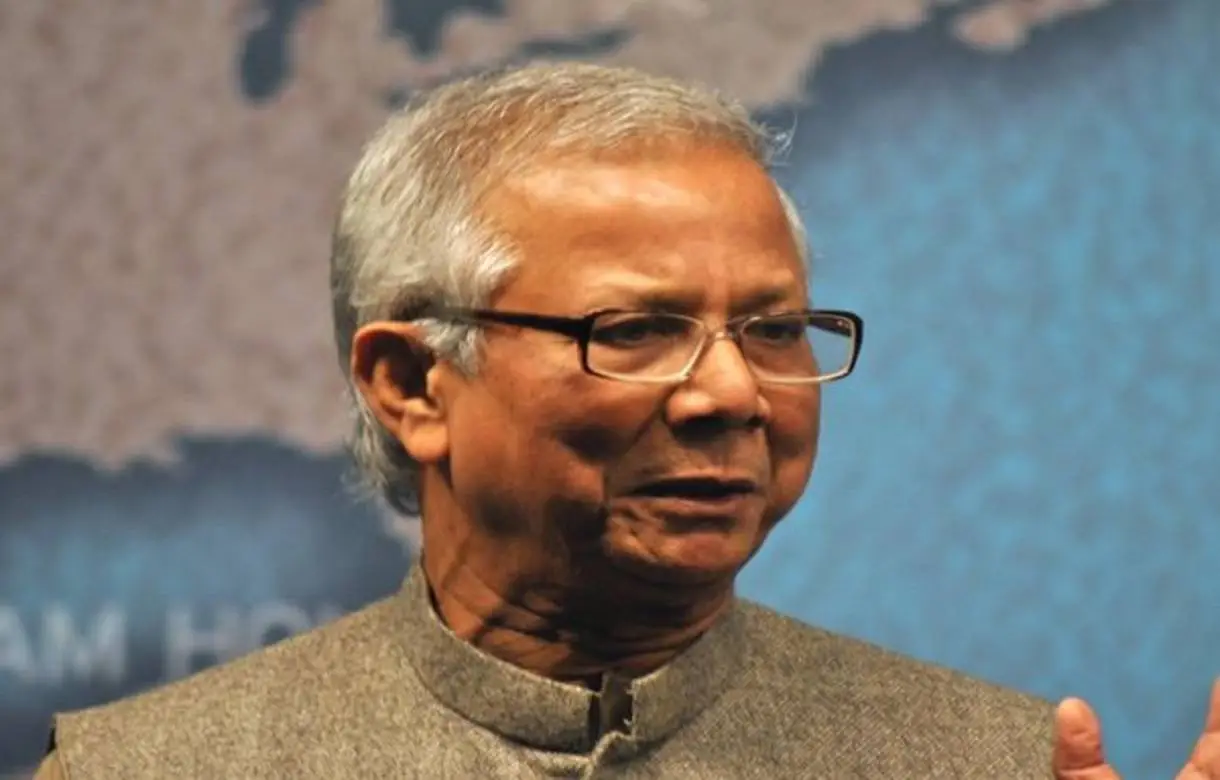
Bangladesh president Shahabuddin accuses Yunus of conspiracy to unseat him
Bangladesh President Mohammed Shahabuddin has accused former chief adviser Muhammad Yunus of attempting to unseat him unconstitutionally and destabilise the country during the interim period.

Latest world news
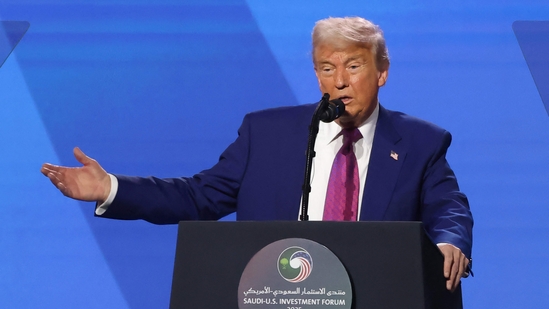
India studying implications after US Supreme Court strikes down Trump’s global tariffs
India said it is studying the implications of a US Supreme Court ruling that struck down Donald Trump’s sweeping tariffs, even as a new 10% global duty has been announced under an alternate law.
Latest world news
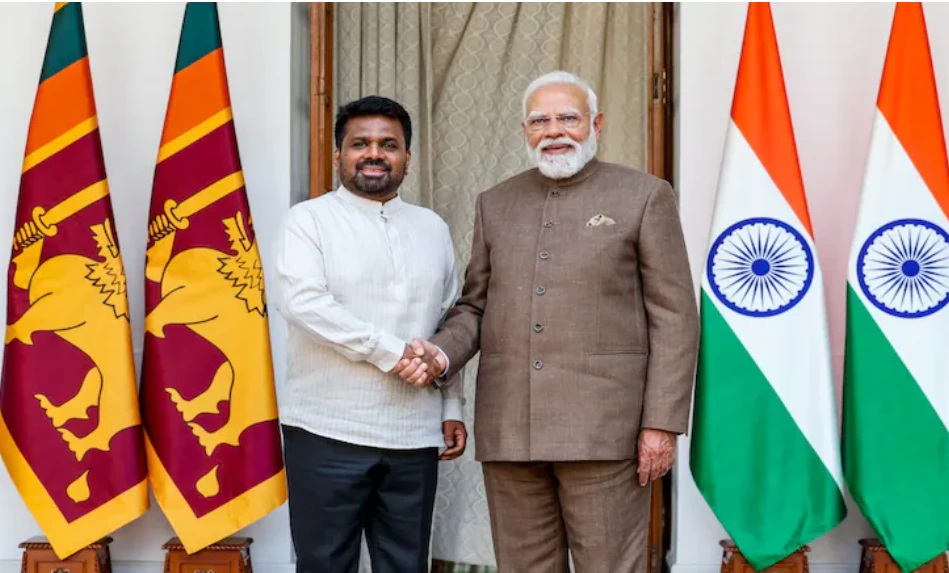
PM Modi meets Sri Lankan President Dissanayake at AI summit, reviews connectivity agenda
PM Modi and Sri Lankan President Anura Kumara Dissanayake reviewed connectivity, AI cooperation and regional stability during talks at the AI Impact Summit in New Delhi.

DMK leader’s son arrested after car rams family in Krishnagiri, one dead
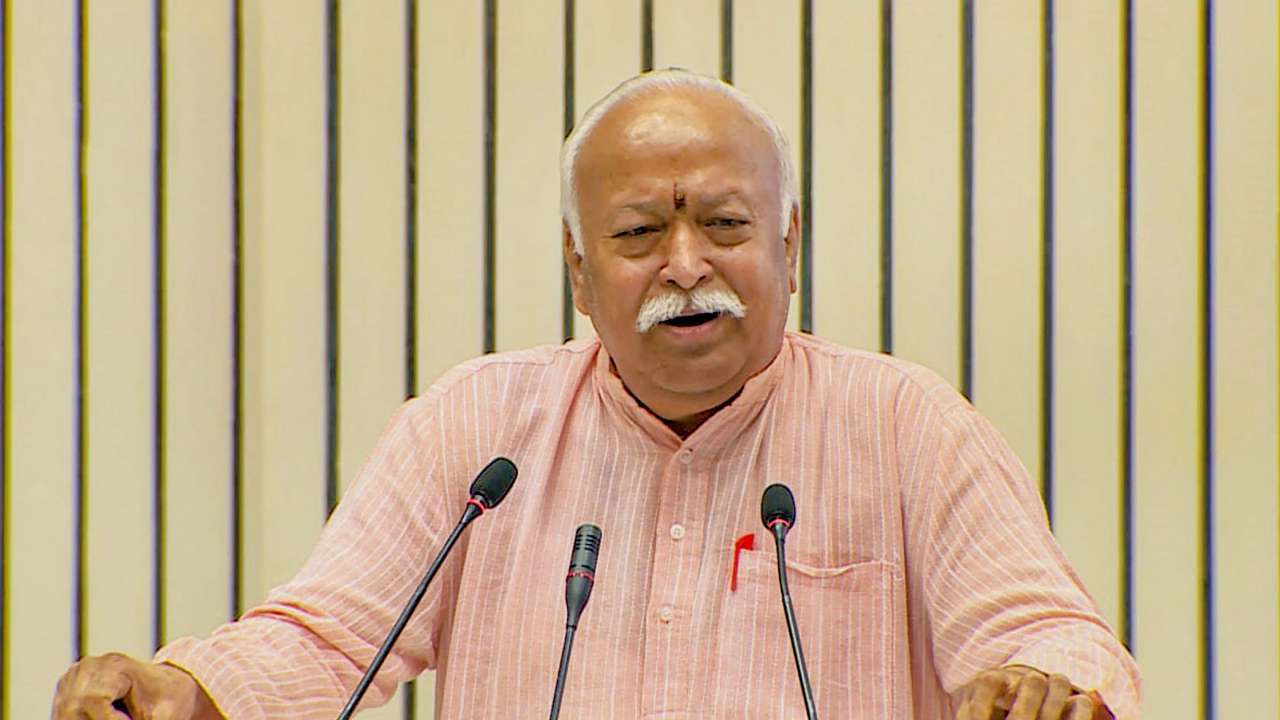
RSS chief backs nationwide rollout of Uniform Civil Code, cites Uttarakhand model

As stealth reshapes air combat, India weighs induction of Sukhoi Su-57 jets

Rinku Singh returns home from T20 World Cup camp due to family emergency

Tamil Nadu potboiler: Now, Sasikala to launch new party ahead of election
Tamil Nadu potboiler: Now, Sasikala to launch new party ahead of election
Rinku Singh returns home from T20 World Cup camp due to family emergency
As stealth reshapes air combat, India weighs induction of Sukhoi Su-57 jets
RSS chief backs nationwide rollout of Uniform Civil Code, cites Uttarakhand model
DMK leader’s son arrested after car rams family in Krishnagiri, one dead

Afghan Men Try To Hang With The Jet Engine Of The Aircraft in Kabul- Afghanistan News – Kabul News
Trending Top 10 News: 10000 Crore Fine on Flipkart, Apple to Launch Unique Feature, Hdfc Bank Job Ad

Trending Top 10 News: Nokia 6310, Apple sales, Bachpan ka Pyar Video Kid, Dainik Bhaskar IT Raid

Trending Top 10 News: Canada bans Indian flights, Rain in Delhi NCR, AIMIM Twitter hacked, Raj Kundra case

Trending Top 10 News: Shein India, Apple New Service, Pocket Oxygen, Oppo Launched New Phone
-
 India News13 hours ago
DMK leader’s son arrested after car rams family in Krishnagiri, one dead
-
India News12 hours ago
RSS chief backs nationwide rollout of Uniform Civil Code, cites Uttarakhand model
-
 India News3 hours ago
As stealth reshapes air combat, India weighs induction of Sukhoi Su-57 jets
-
 Cricket news2 hours ago
Rinku Singh returns home from T20 World Cup camp due to family emergency
-
 India News1 hour ago
Tamil Nadu potboiler: Now, Sasikala to launch new party ahead of election
