English हिन्दी
Connect with us

Latest world news

PM Modi holds talks with Tanzanian President Samia Suluhu Hassan, aims to increase mutual cooperation in counter-terrorism

Both the countries inked agreements providing for cooperation in the digital domain, culture, sports, maritime industries and white shipping information sharing.

Published

on

PM Modi holds talks with Tanzanian President Samia Suluhu Hassan, aims to increase mutual cooperation in counter-terrorism

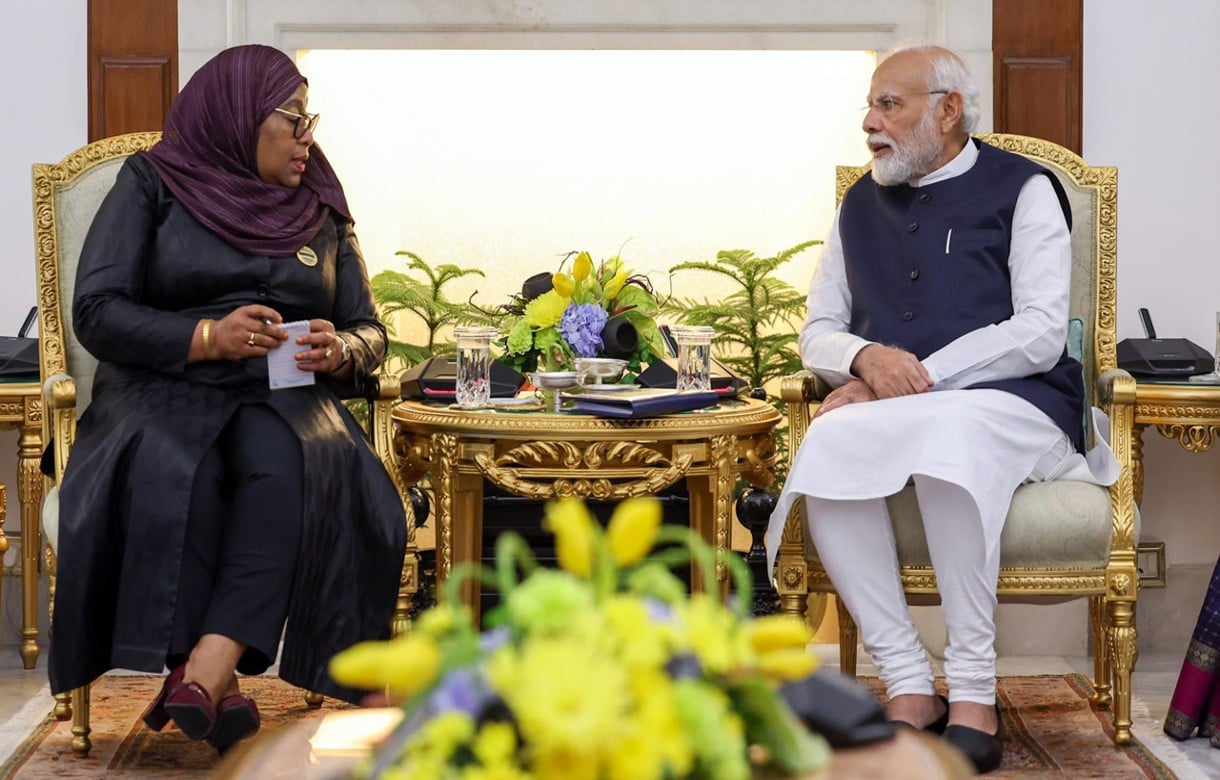
Prime Minister Narendra Modi held wide-ranging talks with the visiting Tanzanian President Samia Suluhu Hassan on Monday. Welcoming the Tanzanian President, Prime Minister Narendra Modi stated that it is a historic day for India-Tanzania’s relationship as they are threading their decade-long relationship into a strategic partnership. 

During the talks, both the countries inked agreements providing for cooperation in the digital domain, culture, sports, maritime industries and white shipping information sharing. Furthermore, India and Tanzania announced elevating their ties to strategic partnership and agreed on a five-year roadmap to significantly increase defence cooperation after talks with Prime Minister Narendra Modi and Tanzanian President Samia Suluhu Hassan.

Addressing the media after the meeting, Prime Minister Narendra Modi said that India and Tanzania are important partners for mutual trade and investment. He added that both sides are working on an agreement to increase trade in local currencies. The Prime Minister also mentioned that India sees Tanzania as an important partner in the Indo-Pacific.

Speaking about the five-year roadmap to significantly increase defence cooperation, Narendra Modi underlined that the roadmap will add a new dimension to cooperation in areas such as military training. In addition, he also asserted that both the countries have decided to increase mutual cooperation in the field of counter-terrorism.

Tanzanian President Samia Suluhu Hassan commenced her four-day state visit to India on Sunday with an aim to bolster bilateral ties.The presidential visit from Tanzania to India is taking place after a span of more than eight years. 

After President Hassan arrived on Sunday, the Ministry of External Affairs Spokesperson took to social media platform X  and wrote that giving a fresh impetus to Idia-Tanzania ties, President  Suluhu Hassan arrives on a state visit to India. The tweet added that this is her first visit to India since the assumption of the office of President. 

Latest world news

PM Modi speaks to Qatar, France, Jordan, Oman and Malaysia leaders on Middle East tensions

PM Modi held talks with leaders of five nations, stressing dialogue, condemning attacks on energy infrastructure and urging stability in the Middle East.

Published

on

PM Narendra Modi

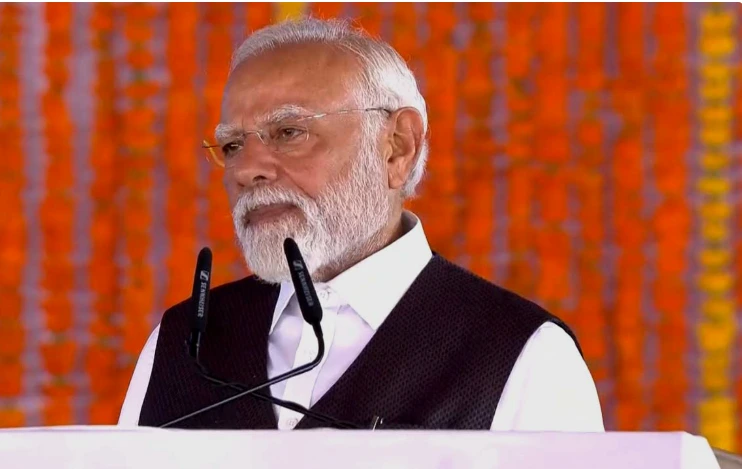
Prime Minister Narendra Modi held a series of high-level conversations with leaders from multiple countries, including Emmanuel Macron, as concerns grow over the escalating situation in the Middle East.

During separate telephonic discussions with leaders of Qatar, Jordan, Oman and Malaysia, the prime minister stressed the urgent need for de-escalation through dialogue and diplomacy. He also strongly condemned recent attacks targeting energy infrastructure in the region, warning that such actions could worsen tensions.

In his interaction with Qatar’s Amir, Sheikh Tamim bin Hamad Al Thani, PM Modi conveyed Eid greetings and reaffirmed India’s solidarity with the Gulf nation. He appreciated the support extended to the Indian community and reiterated the importance of ensuring safe and free navigation through the Strait of Hormuz.

Speaking with King Abdullah II, the prime minister again underlined the need for restoring peace and stability. Both leaders expressed concern over the evolving situation and agreed that attacks on energy infrastructure could trigger avoidable escalation. PM Modi also acknowledged Jordan’s assistance in facilitating the safe return of stranded Indian nationals.

In a separate exchange with French President Emmanuel Macron, the leaders discussed the urgent need to reduce tensions and maintain diplomatic efforts. Both sides agreed to continue close coordination to support peace initiatives in the region.

PM Modi also spoke with Haitham bin Tariq, where the two leaders emphasised prioritising dialogue for restoring stability. The prime minister condemned violations of Oman’s sovereignty and appreciated its role in helping evacuate people, including Indian citizens.

During his conversation with Malaysian Prime Minister Anwar Ibrahim, PM Modi exchanged festive greetings and discussed the broader regional situation. Both leaders reaffirmed their commitment to resolving the crisis through peaceful means.

These diplomatic engagements come amid heightened tensions following military actions involving the United States, Israel and Iran. India has consistently advocated for stability in the region, given its strategic and economic interests, particularly in energy security and maritime trade routes.

Continue Reading

Latest world news

Russian oil tanker rerouted to India amid Middle East crisis, to reach Mangaluru on March 21

A Russian oil tanker bound for China has been diverted to India as Middle East tensions disrupt global energy supply chains.
Published

on

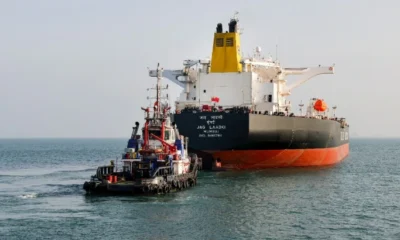
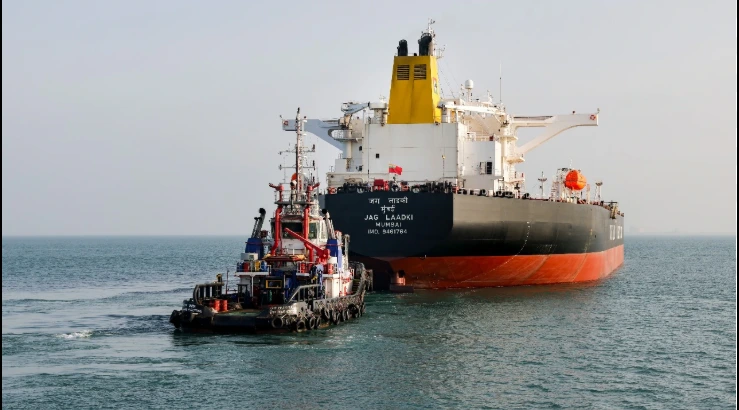
A Russian oil tanker carrying around 7.7 lakh barrels of crude oil is set to arrive at India’s New Mangalore port on March 21 after changing its original route to China, a senior government official said on Thursday.

The vessel, Aqua Titan, which sails under the Cameroon flag, departed from a Russian port on January 18. It altered its course while in the South China Sea and is now heading towards India, reflecting shifting global oil trade patterns amid ongoing geopolitical tensions.

Middle East conflict disrupts global supply

The diversion comes against the backdrop of escalating conflict in the Middle East. The ongoing war involving Iran, along with its retaliatory strikes on Gulf nations, has significantly disrupted oil and natural gas exports from the region. These disruptions have also led to temporary production halts in key energy facilities.

Since the conflict began on February 28, at least four Indian-flagged vessels carrying oil and gas cargo have already reached Indian ports safely.

Indian vessels stranded near Strait of Hormuz

According to the Ministry of Ports, Shipping and Waterways, a large number of Indian vessels remain stuck near the Strait of Hormuz, a critical global oil transit route.

Currently, 22 Indian-flagged cargo ships, along with 611 seafarers, are stranded in the western part of the Persian Gulf. Additionally, two loaded Indian vessels are positioned in the eastern section of the Strait.

Officials confirmed that authorities, including the Directorate General of Shipping, are closely monitoring the situation in coordination with shipowners, recruitment agencies, and Indian embassies. All Indian crew members in the region are reported to be safe, with no incidents recorded in the past 24 hours.

Global shipping crisis deepens

The disruption is not limited to Indian vessels. Around 700 ships from various countries have reportedly been stranded near the Strait of Hormuz for nearly 20 days. This has impacted global oil flows, with nearly 20 percent of crude supplies from the Middle East failing to reach international markets.

India, which imports about 85 percent of its crude oil needs from over 40 countries, is among the nations most affected by the crisis.

Oil prices surge amid attacks on energy infrastructure

Amid rising tensions, global crude prices have surged sharply, with Brent crude crossing $115 per barrel. Iran has threatened further strikes on regional energy installations following attacks linked to Israeli actions.

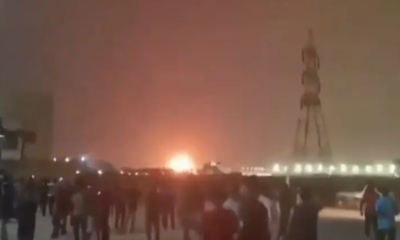
Recent incidents include missile strikes on Qatar’s Ras Laffan LNG facility, drone attacks on a Saudi refinery along the Red Sea, and fires reported at oil installations in Kuwait.

Government steps up monitoring and response

Authorities have stepped up efforts to manage the situation. The Directorate General of Shipping has facilitated the return of over 472 Indian seafarers so far, including 25 repatriated in the last 24 hours.

Despite the global disruption, India’s ports continue to operate without congestion. Officials confirmed that ports have sufficient storage capacity and are maintaining strict monitoring of vessel movement and cargo handling operations.

Continue Reading

Latest world news

Iran strike on Qatar LNG hub raises concerns for India’s energy security

Iran’s missile strike on Qatar’s LNG facility has disrupted global supply chains, posing risks for India’s energy imports and pricing.
Published

on

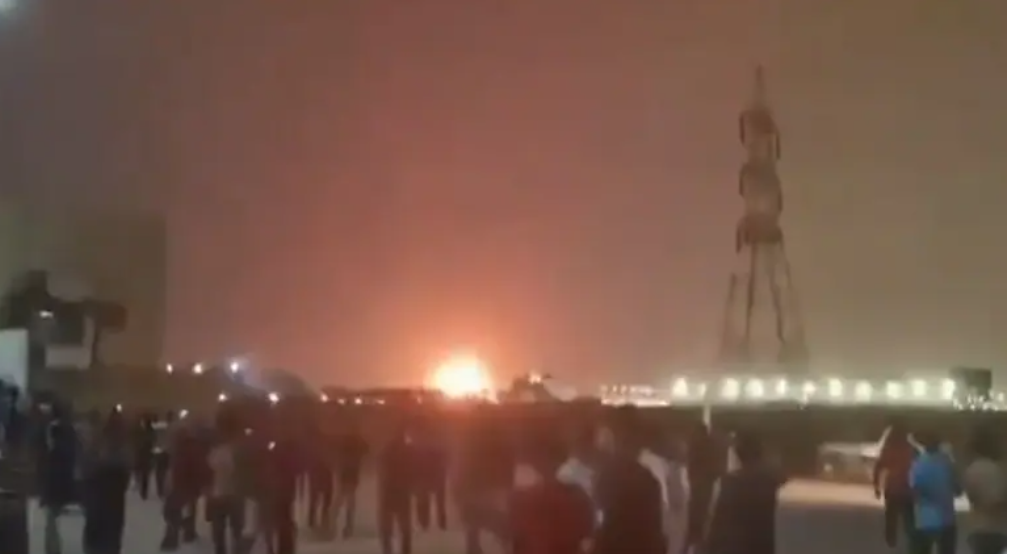
Heightened tensions in the Middle East have begun to ripple across global energy markets after Iran launched a missile strike on Ras Laffan, Qatar’s largest liquefied natural gas (LNG) facility. The attack has intensified fears of prolonged supply disruptions and rising fuel costs, with countries like India expected to feel the impact sharply.

The Gulf region has emerged as the focal point of escalating hostilities, with Iran targeting energy infrastructure and US-linked assets following strikes by the United States and Israel. The latest attack on Qatar’s key LNG hub has reportedly forced a complete halt in production at the facility, which is among the largest of its kind globally.

Qatar is a major LNG exporter and ranks alongside the United States, Australia and Russia in global supply. The disruption is not an isolated incident. Earlier in March, missile strikes on Qatari gas fields had already compelled QatarEnergy to suspend operations temporarily. These developments are linked to retaliatory actions following an Israeli strike on Iran’s South Pars gas field, part of the world’s largest natural gas reserve.

The broader conflict has also affected maritime activity in the Strait of Hormuz, a critical route that carries nearly one-fifth of the world’s oil supply. With rising threats to shipping, tanker movement has slowed significantly, pushing global oil and gas prices higher.

The situation has further escalated with continued strikes and counterstrikes across the region. Reports indicate heavy casualties in Iran, while missile and drone attacks continue to target strategic assets. The conflict, now in its third week, has effectively turned key shipping lanes into high-risk zones, with hundreds of cargo vessels stranded near major Gulf ports.

Impact on India

India is particularly vulnerable to these disruptions due to its reliance on imported natural gas. Around 50 percent of the country’s gas demand is met through imports, with Qatar accounting for a significant share.

According to energy economist Kirit Parikh, India sources roughly 40 percent of its LNG imports from Qatar, translating to about 20 percent of its total gas consumption. Any prolonged disruption could therefore strain domestic supply.

India’s current daily natural gas consumption stands at about 189 million metric standard cubic meters per day (MMSCMD), with nearly half met through domestic production. However, a portion of imported supply—estimated at 47.4 MMSCMD—has already been affected due to force majeure conditions.

In response, state-run gas companies have started sourcing LNG cargoes from alternative suppliers. However, such arrangements are likely to come at higher costs, adding pressure on industries dependent on gas, particularly the power sector.

Experts suggest that if the crisis persists, India may need to rationalise gas consumption, prioritising essential sectors while cutting usage in others.

Continue Reading

Trending

© Copyright 2022 APNLIVE.com