India News
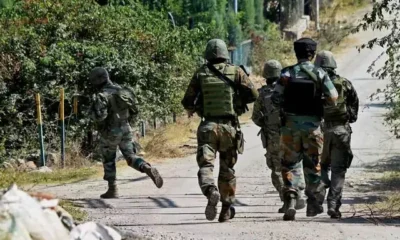
Terrorists open fire at CRPF personnel in Jammu and Kashmir’s Kulgam, search operation underway
Terrorists opened fire on CRPF personnel at a naka in Jammu and Kashmir’s Kulgam district. The attackers fled and a search operation was launched.








India News
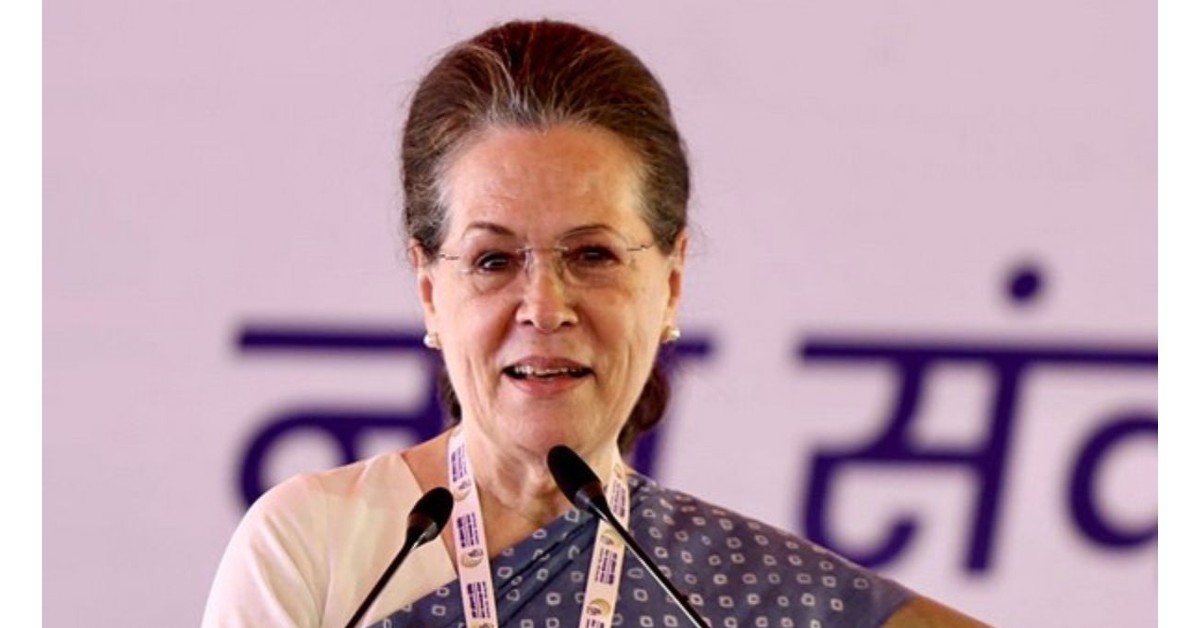
Sonia Gandhi’s memoir timing not linked to 2029 polls, says N Ram
N Ram said Sonia Gandhi’s memoir was not written with the 2029 Lok Sabha election in mind, explaining that she had been working on it for years.
India News
Punjab wrestler shot dead while bursting Diwali firecrackers in Kapurthala
A 27-year-old wrestler was shot dead outside his home in Kapurthala while bursting Diwali firecrackers. Police are investigating the shooting and trying to establish the motive.

India News
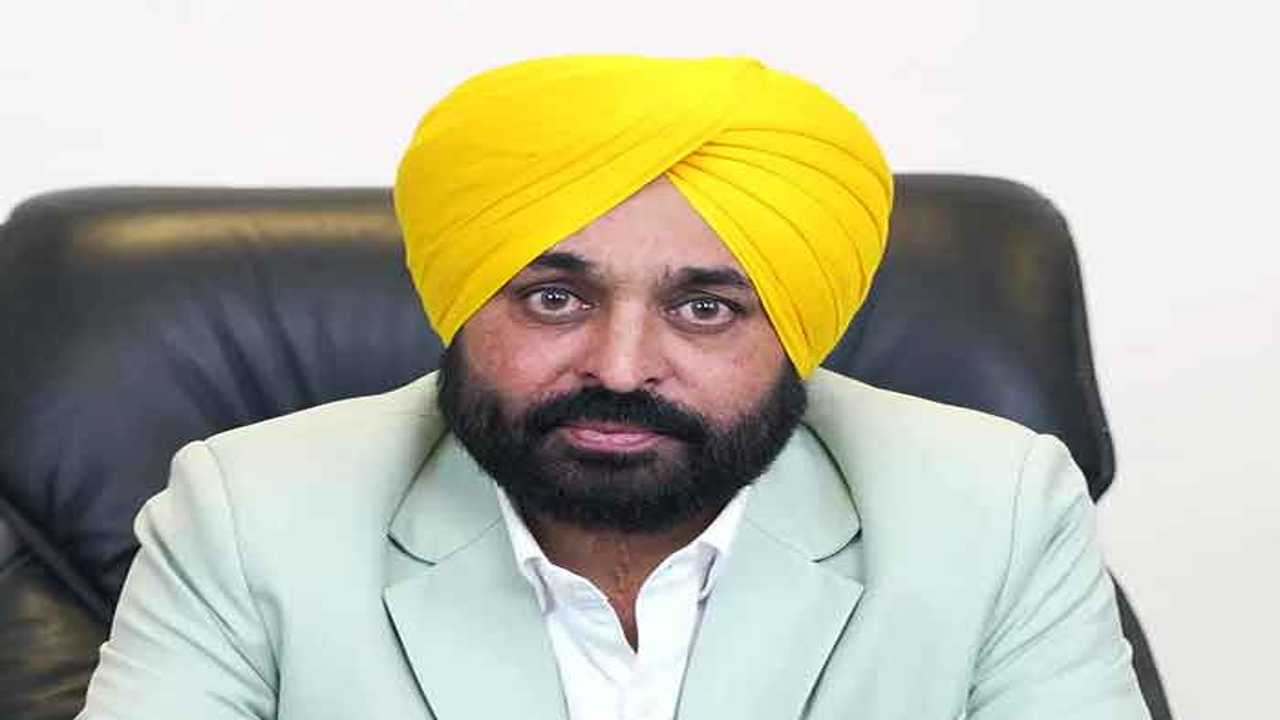
Nayab Saini takes a dig at Bhagwant Mann over alleged drinking habit
Haryana Chief Minister Nayab Singh Saini criticised Punjab CM Bhagwant Mann over an alleged drinking habit, days after Rahul Gandhi made a similar remark at a Sangrur rally.

India News21 hours ago
Sonia Gandhi’s memoir timing not linked to 2029 polls, says N Ram

India News17 mins ago
Terrorists open fire at CRPF personnel in Jammu and Kashmir’s Kulgam, search operation underway
India News17 mins ago
Terrorists open fire at CRPF personnel in Jammu and Kashmir’s Kulgam, search operation underway
India News21 hours ago
Sonia Gandhi’s memoir timing not linked to 2029 polls, says N Ram

Entertainment1 day ago
Ramayana Box Office Collection Day 5: Ranbir Kapoor’s film earns Rs 346 crore in India

India News1 day ago
Punjab wrestler shot dead while bursting Diwali firecrackers in Kapurthala

India News1 day ago
Nayab Saini takes a dig at Bhagwant Mann over alleged drinking habit

RecommendedVideo5 years ago
Afghan Men Try To Hang With The Jet Engine Of The Aircraft in Kabul- Afghanistan News – Kabul News
videos5 years ago
Trending Top 10 News: 10000 Crore Fine on Flipkart, Apple to Launch Unique Feature, Hdfc Bank Job Ad

videos5 years ago
Trending Top 10 News: Nokia 6310, Apple sales, Bachpan ka Pyar Video Kid, Dainik Bhaskar IT Raid

videos5 years ago
Trending Top 10 News: Canada bans Indian flights, Rain in Delhi NCR, AIMIM Twitter hacked, Raj Kundra case

videos5 years ago