
Latest world news
Saudi Arabia: Anti Corruption campaign brings huge revenues

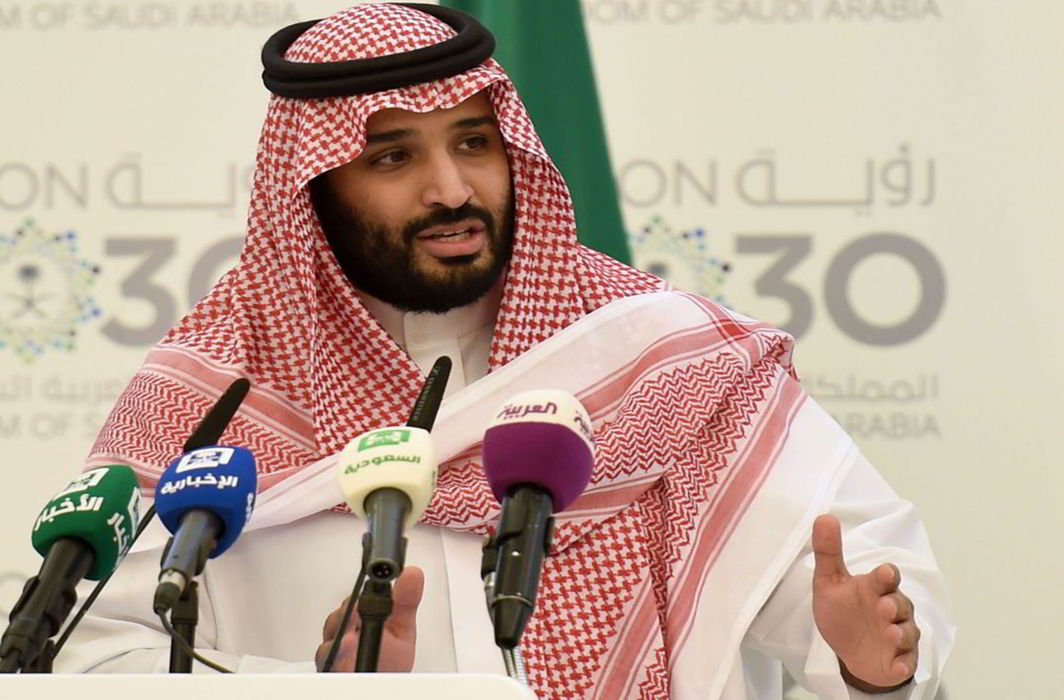
In a swift move, Saudi Arabian authorities have successfully settled anti-corruption charges by levying heavy cost from most of the detained royal family members and former ministers while remaining people may face long prosecution proceedings and imprisonment.
Reuters reports from Riyadh that Saudi Arabia’s public prosecutor said on Tuesday that most of the people detained in anti-corruption campaign have agreed to settlements. The allegations against the detained elite vary from kickbacks, inflating government contracts, extortion and bribery.
The number of the detainees was disclosed for the first time by the public prosecutor. He said a total of 320 people had been summoned to provide information about alleged graft while 159 remain in detention and “a number” of them have been referred for judicial action.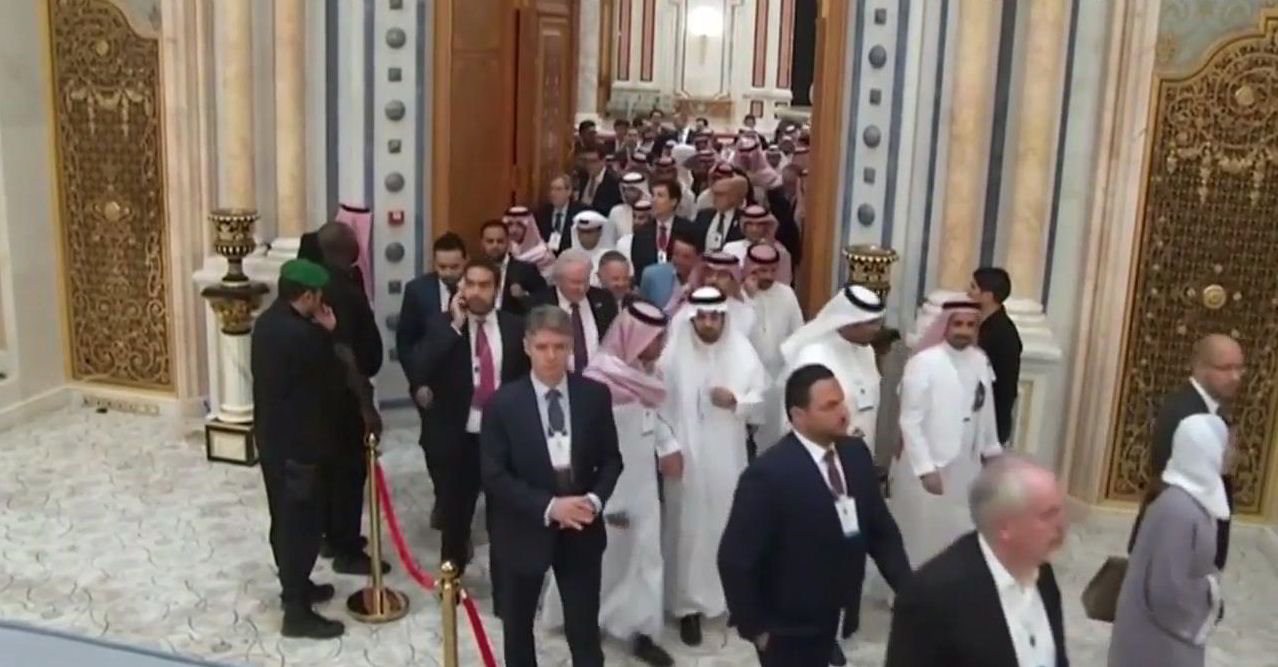 Saudi security forces had recently rounded up large number of political and business elite, including princes, business tycoons and even ministers and held them in a landmark Ritz Carlton hotel in the capital.
Crown Prince Mohammed bin Salman, who is running the country with his high handedness had ordered for the sweeping anti-corruption campaign. However, the authorities have claimed that the business operations of the detained tycoons will continue normally.
Recently a senior government official had disclosed that the arrests was now halted and the government was preparing to channel an estimated $50-$100 billion into economic development of the country.
A senior Prince Miteb bin Abdullah, cousin of Crown Prince Mohammad bin Salman, who was once a leading contender for the throne was being freed after agreeing to pay over $1 billion, officials said. That was the first financial settlements with the detained royals.
According to official sources, the settlement phase will end within a few weeks under the supervision of Crown Prince Mohammad bin Salman. Those who refuse to accept settlement offer are referred to the public prosecutor for investigation and prosecution.
The source clarified, “The Committee has followed internationally applied procedures by negotiating with the detainees and offering them a settlement that will facilitate recouping the State’s funds and assets, and eliminate the need for a prolonged litigation.”
Recently Crown Prince Mohammad bin Salman told New York Times that 95 percent of the detainees have agreed to settle the corruption charges while about one percent of detainees were able to prove their innocence and four percent wanted to go to court.








Latest world news
Magnitude 7 earthquake strikes Russia’s Kamchatka Peninsula
A magnitude 7 earthquake struck Russia’s Kamchatka Peninsula region on Friday. The initial report placed the earthquake at a depth of 140 kilometres.


Latest world news
S Jaishankar says India is a natural option for Russia amid Europe tensions
External Affairs Minister S Jaishankar said India remained a natural option for Russia as Moscow increasingly turned towards Asia amid strained relations with Europe. He highlighted the continuity of India-Russia ties and their significance for the balance of power in Asia.

Latest world news
Putin praises PM Modi, says he has very good ideas on Ukraine war
Russian President Vladimir Putin has praised Prime Minister Narendra Modi for repeatedly raising the need to end the Ukraine war, describing his ideas for a settlement as “very good”.


Election Commission orders voter roll revision in 17 states, UTs

Actor Imran Khan asked to leave India after CJP protest

Delhi Police offers 11-person limit for CJP’s Connaught Place protest

Mallikarjun Kharge’s ‘Your Friends’ jab at Rahul Gandhi over congress exits

Delhi deploys 25,000 personnel, installs CCTV cameras ahead of CJP march

Magnitude 7 earthquake strikes Russia’s Kamchatka Peninsula
Delhi deploys 25,000 personnel, installs CCTV cameras ahead of CJP march
Mallikarjun Kharge’s ‘Your Friends’ jab at Rahul Gandhi over congress exits
Delhi Police offers 11-person limit for CJP’s Connaught Place protest
Actor Imran Khan asked to leave India after CJP protest

Afghan Men Try To Hang With The Jet Engine Of The Aircraft in Kabul- Afghanistan News – Kabul News
Trending Top 10 News: 10000 Crore Fine on Flipkart, Apple to Launch Unique Feature, Hdfc Bank Job Ad

Trending Top 10 News: Nokia 6310, Apple sales, Bachpan ka Pyar Video Kid, Dainik Bhaskar IT Raid

Trending Top 10 News: Canada bans Indian flights, Rain in Delhi NCR, AIMIM Twitter hacked, Raj Kundra case

Trending Top 10 News: Shein India, Apple New Service, Pocket Oxygen, Oppo Launched New Phone
-
 India News22 hours ago
Election Commission orders voter roll revision in 17 states, UTs
-
 India News22 hours ago
Actor Imran Khan asked to leave India after CJP protest
-
 India News21 hours ago
Delhi Police offers 11-person limit for CJP’s Connaught Place protest
-
 India News9 hours ago
Mallikarjun Kharge’s ‘Your Friends’ jab at Rahul Gandhi over congress exits
-
 India News9 hours ago
Delhi deploys 25,000 personnel, installs CCTV cameras ahead of CJP march
-
 Latest world news9 hours ago
Magnitude 7 earthquake strikes Russia’s Kamchatka Peninsula
