English हिन्दी
Connect with us

Latest world news

Trump adviser criticises PM Modi’s meeting with Putin and Xi at SCO Summit

US President Donald Trump’s adviser Peter Navarro has criticised PM Modi’s meeting with Putin and Xi at the SCO summit, calling it a “shame” and urging India to align with Washington.

Published

on

trump

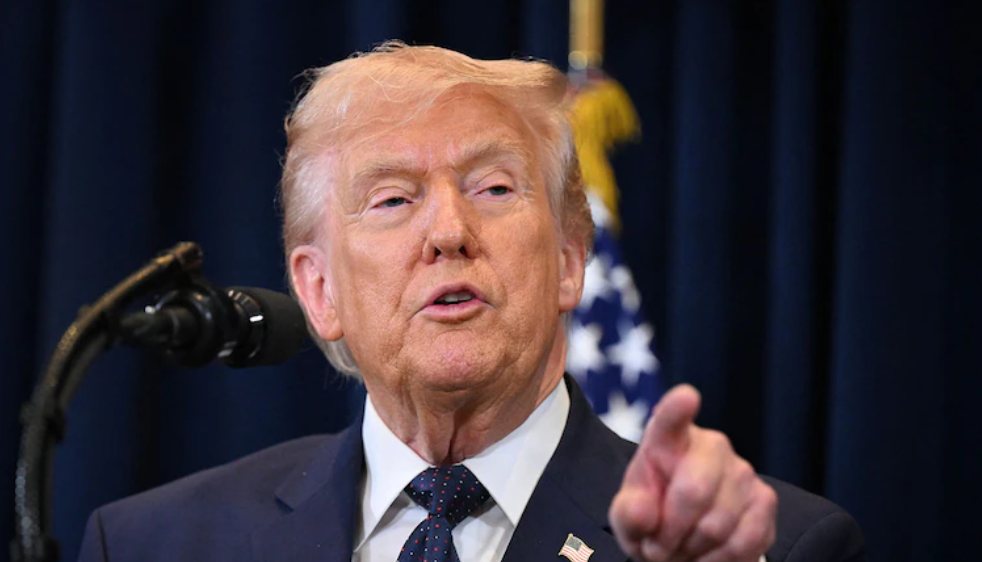
US President Donald Trump’s trade adviser Peter Navarro has strongly criticised Prime Minister Narendra Modi’s meeting with Russian President Vladimir Putin and Chinese President Xi Jinping at the Shanghai Cooperation Organisation (SCO) summit.

Navarro calls Modi’s engagement with Russia and China a “shame”

Navarro, in a sharp remark, said it was “a shame” to see PM Modi aligning with Putin and Xi, stressing that India should be standing with the United States instead of Russia. “It is a shame to see Modi getting in bed with Xi Jinping and Putin. I’m not sure what he’s thinking. We hope he comes around to seeing that he needs to be with us and not Russia,” he stated.

US concern over India-Russia oil trade

The White House aide has repeatedly expressed displeasure over India’s continued oil imports from Moscow despite Washington’s sanctions pressure. He argued that the revenue from this crude trade is “funding Putin’s war on Ukraine,” a conflict the US has struggled to bring to an end despite President Trump’s earlier claims that he could resolve it within hours.

Navarro had earlier labelled India the “Maharaja of tariffs,” alleging that New Delhi imposes some of the highest tariff rates among major economies while refusing to acknowledge it. He further said, “There’s a two-prong problem with India… Twenty-five per cent is reciprocal — because of unfair trade — and the other 25 per cent is because India is buying oil from Russia.”

Remarks stir controversy with caste reference

In his latest comments, Navarro went further by dragging domestic social issues into the discussion, alleging that “Brahmins are profiteering at the expense of ordinary Indians” through discounted Russian oil purchases. His remarks have sparked criticism for unnecessarily invoking caste divisions while commenting on international trade and foreign policy.

Latest world news

Trump sets fresh ultimatum to Iran, rules out nuclear strike as tensions escalate

Trump says “clock is ticking” for Iran but rules out nuclear weapons, maintaining pressure for a long-term deal.

Published

on

Donald Trump statement

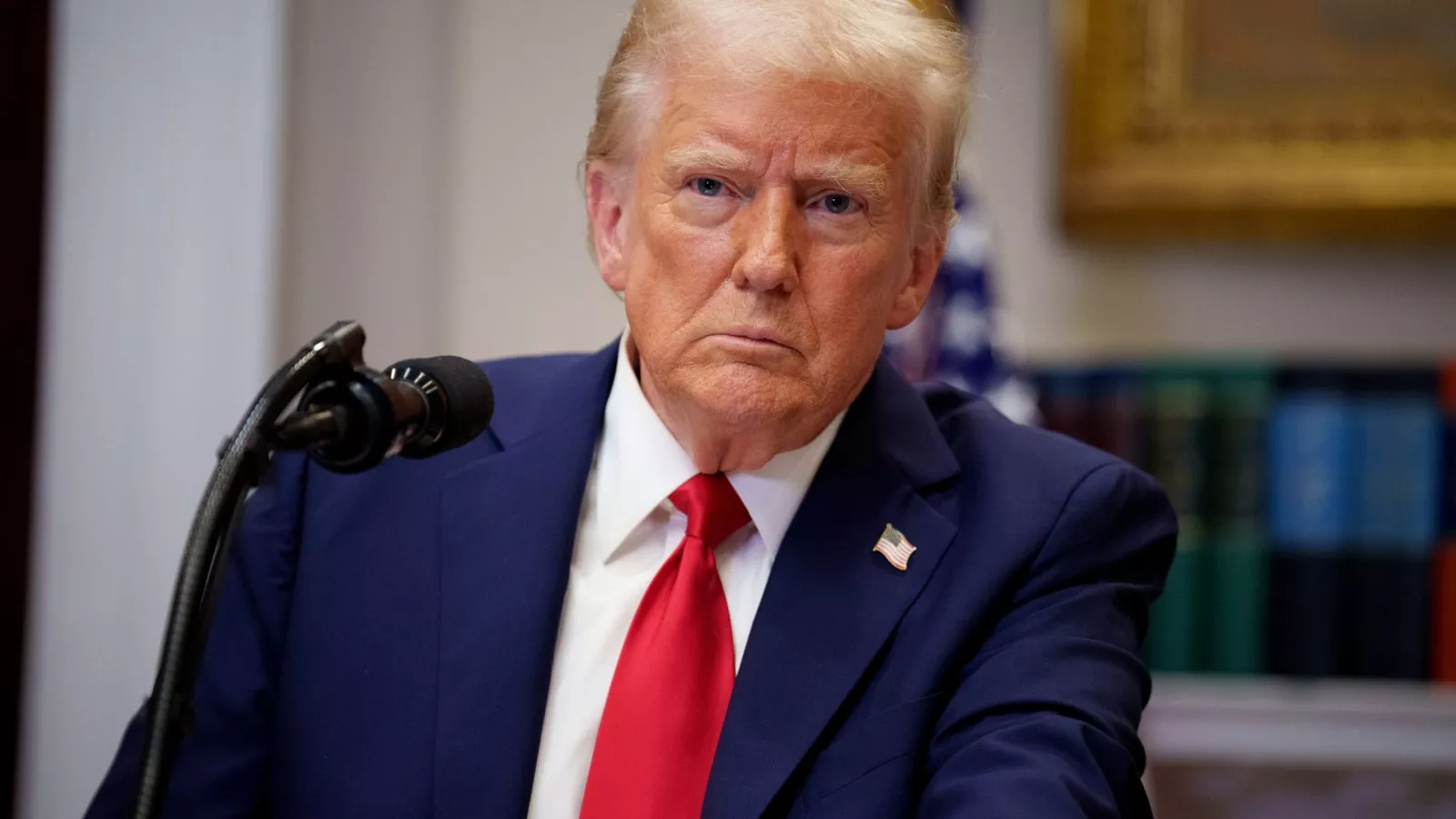
Amid rising tensions in the ongoing Iran-US conflict, Donald Trump has issued a new ultimatum to Iran, stating that time is running out for Tehran to reach a deal with Washington.

According to recent media reports, Trump reiterated that while the United States is prepared to continue military pressure, it does not intend to use nuclear weapons in the conflict. He emphasised that Iran has already been significantly weakened through conventional military action.

No urgency for deal, but pressure remains

Despite the “clock is ticking” warning, Trump indicated there is no immediate pressure on the US to finalise a deal. He suggested that any agreement would only be pursued if it aligns with American interests and ensures long-term stability rather than a quick resolution.

This stance reflects a continued hardline approach, where Washington is maintaining strategic pressure while keeping diplomatic options open.

Nuclear option ruled out

In a significant statement, Trump ruled out the use of nuclear weapons in the conflict, calling such a move unnecessary given the current military situation. He stressed that conventional forces have already inflicted major damage on Iran’s capabilities.

Conflict enters critical phase

The Iran-US conflict, which has seen military strikes, naval tensions, and diplomatic efforts, remains at a sensitive stage. While ceasefire efforts and negotiations have intermittently taken place, both sides continue to exchange warnings and prepare for potential escalation.

Recent developments, including maritime tensions and earlier threats targeting infrastructure, underline the fragile situation in the region.

Continue Reading

Latest world news

India-bound tanker among 2 vessels seized by Iran’s Revolutionary Guards amid Hormuz tensions

Iran’s seizure of an India-bound tanker near the Strait of Hormuz signals rising maritime tensions and risks to global oil supply routes.

Published

on

Strait of Hormuz

Iran’s Islamic Revolutionary Guard Corps (IRGC) has seized two vessels near the strategically crucial Strait of Hormuz, with one of them reportedly bound for India, intensifying concerns over maritime security in the region.

The development comes amid escalating tensions linked to the ongoing confrontation involving Iran and the United States, which has already disrupted shipping routes and heightened risks for commercial vessels passing through the area.

According to reports, the vessels were intercepted by Iranian forces close to the Strait of Hormuz — a critical chokepoint through which a significant portion of the world’s oil supply transits. The move underscores growing instability in one of the busiest and most sensitive maritime corridors globally.

Separate reports indicate that multiple ships have faced attacks or interceptions in recent days, with at least two vessels taken into custody by Iranian authorities after being targeted near Iranian waters.

The incident follows a series of confrontations at sea, including gunfire and forced halts of commercial ships, as tensions remain high despite attempts at ceasefire arrangements.

The Strait of Hormuz has become a focal point of the broader conflict, with both military actions and retaliatory measures affecting shipping traffic. Any disruption in this region carries global implications, particularly for countries like India that depend heavily on energy imports passing through the route.

India has already been taking steps to safeguard its maritime interests, including enhanced monitoring and security measures for vessels navigating the region.

Continue Reading

Latest world news

Fresh tensions as Iran targets vessel despite ceasefire announcement

Iran fired at a vessel in the Strait of Hormuz shortly after a ceasefire announcement, raising concerns over regional stability.

Published

on

Attack on vessel highlights fragile situation in Strait of Hormuz despite renewed ceasefire push

Tensions in the Middle East escalated again after Iran opened fire on a commercial vessel in the Strait of Hormuz, just hours after US President Donald Trump announced a ceasefire extension.

According to maritime security officials, an Iranian Revolutionary Guard gunboat fired at a container ship early on April 22. The vessel was damaged in the incident, but no injuries or environmental damage were reported.

The attack comes amid already heightened tensions in the region, where the strategic Strait of Hormuz — a key global oil transit route — has seen severe disruptions in recent days.

Ceasefire efforts face immediate test

The firing incident occurred shortly after Trump signalled an extension of the ceasefire, reportedly aimed at creating space for renewed negotiations with Iran. However, the latest development has raised concerns about the durability of the truce.

Reports indicate that the Iranian action followed recent US military moves, including the seizure of vessels linked to Tehran and continued naval pressure in the region.

Shipping route remains volatile

The Strait of Hormuz remains a flashpoint, with shipping traffic significantly affected. In recent days, only a handful of vessels have been able to pass through the route, compared to normal volumes, leaving many ships stranded.

The waterway is critical for global energy supplies, handling a significant share of the world’s oil shipments. Any disruption has immediate implications for international markets.

No official response yet

Iran has not officially commented on the latest firing incident. Meanwhile, international observers and maritime agencies continue to monitor the situation closely, warning of risks to crew safety and global trade.

The latest escalation underscores the fragile nature of ongoing diplomatic efforts, with both sides yet to reach a stable agreement.

Continue Reading

Trending

© Copyright 2022 APNLIVE.com