
Latest world news
Trump imposes 50% tariffs on India to pressure Russia, says White House
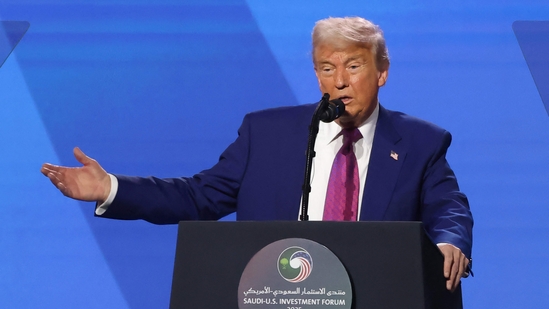
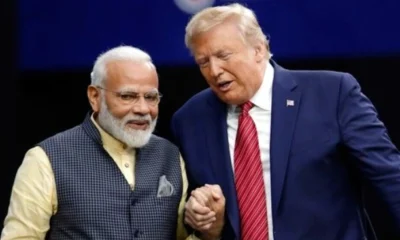
The White House said Trump’s decision to double India’s tariff rate to 50% is aimed at pressuring Russia to end its war in Ukraine, while also opening the door for trilateral talks with Putin and Zelensky.






Latest world news
Trump waives Russia-related sanctions, tariffs in relief for India
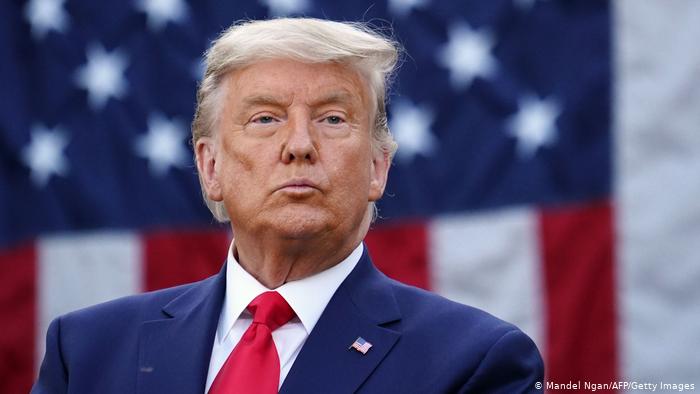
Donald Trump has waived several Russia-related sanctions, restrictions and duties under a new US law, potentially easing tariff pressure on India and China, two major buyers of Russian energy.

Latest world news
Magnitude 7 earthquake strikes Russia’s Kamchatka Peninsula
A magnitude 7 earthquake struck Russia’s Kamchatka Peninsula region on Friday. The initial report placed the earthquake at a depth of 140 kilometres.

Latest world news
S Jaishankar says India is a natural option for Russia amid Europe tensions
External Affairs Minister S Jaishankar said India remained a natural option for Russia as Moscow increasingly turned towards Asia amid strained relations with Europe. He highlighted the continuity of India-Russia ties and their significance for the balance of power in Asia.


Abhijeet Dipke detained ahead of CJP’s national flag march in Delhi

Mallikarjun Kharge seeks all-party meeting with PM Modi on delimitation

Centre sends 3 letters to Punjab government after anti-drug activist’s killing
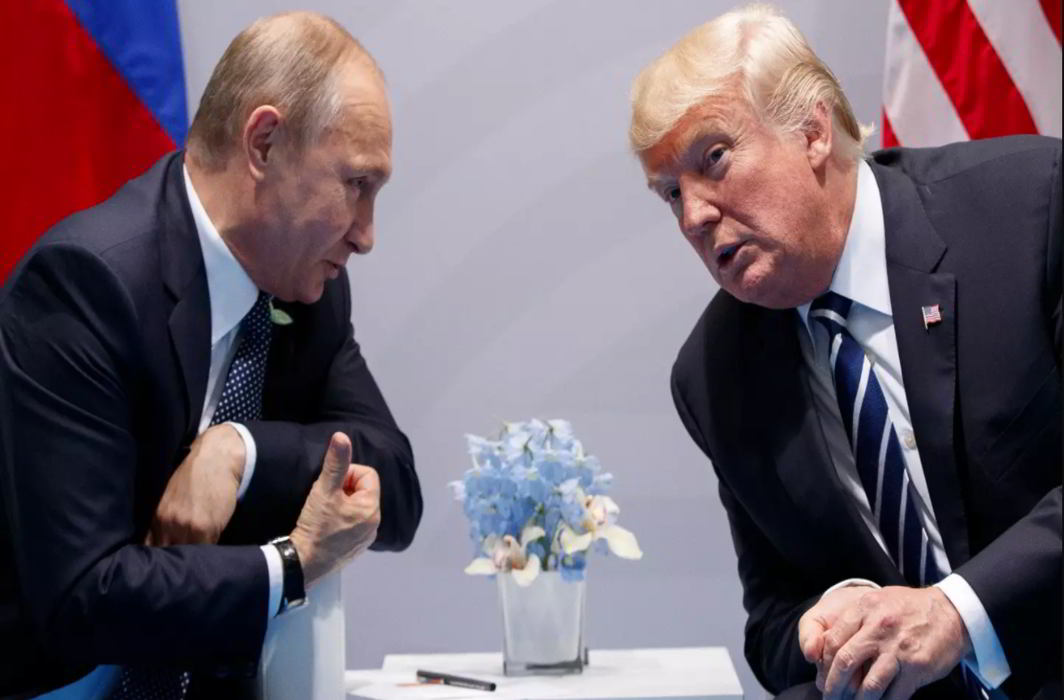
Trump waives Russia-related sanctions, tariffs in relief for India

LK Advani, 98, hospitalised in Delhi with chest infection

ED summons Pinarayi Vijayan in money laundering case
LK Advani, 98, hospitalised in Delhi with chest infection
Trump waives Russia-related sanctions, tariffs in relief for India
Centre sends 3 letters to Punjab government after anti-drug activist’s killing
Mallikarjun Kharge seeks all-party meeting with PM Modi on delimitation

Afghan Men Try To Hang With The Jet Engine Of The Aircraft in Kabul- Afghanistan News – Kabul News
Trending Top 10 News: 10000 Crore Fine on Flipkart, Apple to Launch Unique Feature, Hdfc Bank Job Ad

Trending Top 10 News: Nokia 6310, Apple sales, Bachpan ka Pyar Video Kid, Dainik Bhaskar IT Raid

Trending Top 10 News: Canada bans Indian flights, Rain in Delhi NCR, AIMIM Twitter hacked, Raj Kundra case

Trending Top 10 News: Shein India, Apple New Service, Pocket Oxygen, Oppo Launched New Phone
-
 India News21 hours ago
Abhijeet Dipke detained ahead of CJP’s national flag march in Delhi
-
 India News20 hours ago
Mallikarjun Kharge seeks all-party meeting with PM Modi on delimitation
-
 India News19 hours ago
Centre sends 3 letters to Punjab government after anti-drug activist’s killing
-
Latest world news7 hours ago
Trump waives Russia-related sanctions, tariffs in relief for India
-
 India News7 hours ago
LK Advani, 98, hospitalised in Delhi with chest infection
-
 India News5 hours ago
ED summons Pinarayi Vijayan in money laundering case
