
India News
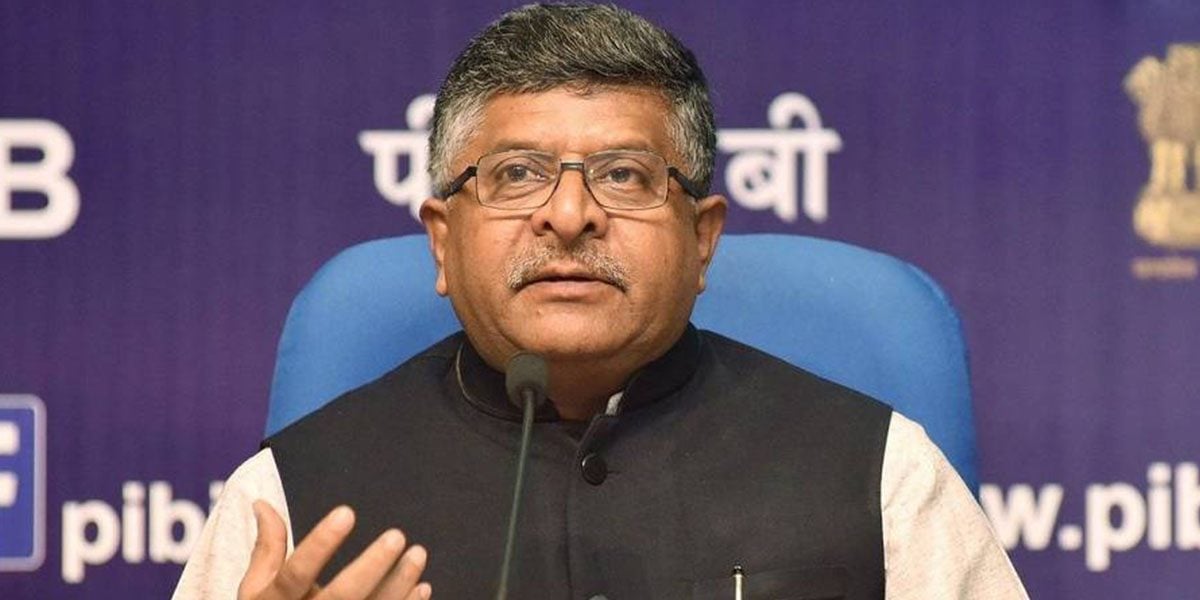
BJP demands arrest of PDP chief Mehbooba Mufti for seditious remarks


The Bharatiya Janata Party on Friday accused People’s Democratic Party Chief Mehbooba Mufti of making seditious remarks wherein she said she will only hold the national tricolour after the flag of Jammu and Kashmir is restored.The party has demanded her arrest and said no power can either hoist the state flag or restore Article 370 of the constitution in the state.
In her first press conference after being released from 14 months of detention, the former Jammu and Kashmir chief minister on Friday said she will raise the Tricolour only when the state flag is also restored. Mufti addressed the media with the flag of the erstwhile Jammu and Kashmir state in front of her.
Mufti said the country will run on the constitution and not on the BJP’s manifesto. She said the party is looting the dignity of the people of Jammu and Kashmir. She further declared that she will not contest any election until Article 370 is restored.

The Jammu and Kashmir BJP president Ravinder Raina said the party will not allow anyone to disturb peace, normalcy and brotherhood in the state. He warned Mufti not to instigate people, and said she will have to face the consequences, in case anything wrong happens. He requested Lieutenant Governor Manoj Sinha to book Mufti in charge of a seditious act and put her behind bars.
Jammu and Kashmir is an integral part of the country, hence only one flag can be hoisted, that is the national flag, said Raina.Further referring to the Centre’s move to abrogate Article 370, Raina said the decision cannot be reversed, as the Article 370 gave rise to separatism, terrorism and was instrumental in killings of thousands of people.If Kashmiri leaders feel insecure in India, they can go to Pakistan and China, he added.
The Jammu and Kashmir Pradesh Congress Committee’s chief spokesperson Ravinder Sharma said Mufti‘s remark was highly provocative and irresponsible and has hurt the sentiments of people.
Read Also: India-China standoff: Want to ensure tensions don’t escalate between two countries, says US
Mufti, along with other political leaders like former chief minister Farooq Abdullah and his son Omar, were detained for months to prevent backlash against the decision to withdraw special status and bifurcate the former state into two union territories on August 5, 2019.Following which the Jammu and Kashmir state flag, which used to fly along with the Tricolour atop the civil secretariat building in Srinagar, was removed.




India News
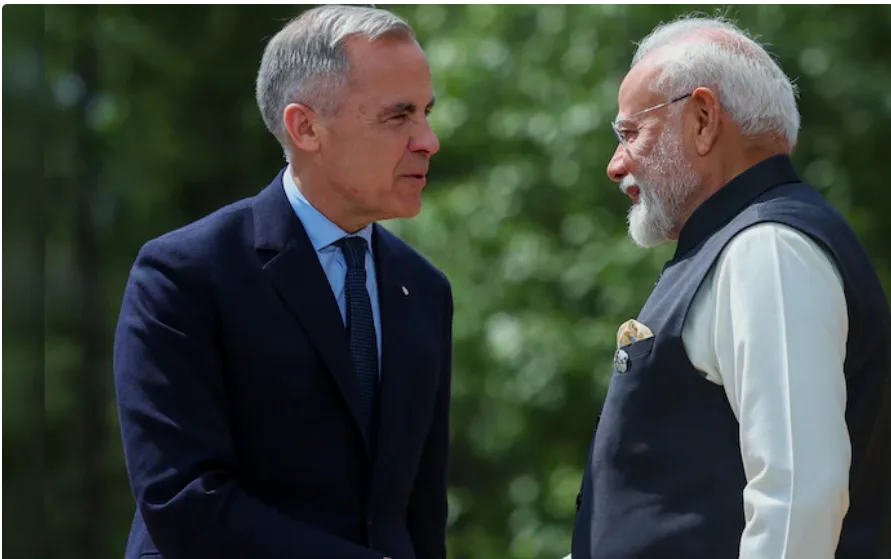
PM Modi speaks to Mark Carney as India and Canada push to strengthen ties
Prime Minister Narendra Modi held a telephone conversation with Canadian Prime Minister Mark Carney on October 13, with both leaders agreeing to strengthen India-Canada ties and pursue concrete outcomes across key areas of their strategic partnership.

India News
CJP leaders Saurav Das, Ashutosh Ranka, Ajinkya Shinde sent to 5-day judicial custody
Three CJP leaders, Saurav Das, Ashutosh Ranka and Ajinkya Shinde, were placed under preventive arrest following a protest at Delhi’s Jantar Mantar over Chief Election Commissioner Gyanesh Kumar.

India News
BJP focuses on religion as opposition pushes BDM strategy in UP
The BJP is emphasising religious issues ahead of the Uttar Pradesh Assembly elections, while opposition parties are seeking to consolidate Backward, Dalit and Minority voters. Recent exchanges involving Yogi Adityanath, Akhilesh Yadav and Asaduddin Owaisi have added to the political contest over the state’s electoral narrative.


Supreme Court stays defamation case against Rahul Gandhi over PM Modi remarks

Rahul Gandhi hosts high tea for INDIA bloc after Gyanesh Kumar protests

L Murugan quits Union ministry to strengthen BJP in Tamil Nadu

Amit Shah attacks Rahul Gandhi over Congress poll losses, questions SIR row

BJP focuses on religion as opposition pushes BDM strategy in UP

PM Modi speaks to Mark Carney as India and Canada push to strengthen ties

S Jaishankar says India is a natural option for Russia amid Europe tensions

CJP leaders Saurav Das, Ashutosh Ranka, Ajinkya Shinde sent to 5-day judicial custody
BJP focuses on religion as opposition pushes BDM strategy in UP
L Murugan quits Union ministry to strengthen BJP in Tamil Nadu

Afghan Men Try To Hang With The Jet Engine Of The Aircraft in Kabul- Afghanistan News – Kabul News
Trending Top 10 News: 10000 Crore Fine on Flipkart, Apple to Launch Unique Feature, Hdfc Bank Job Ad

Trending Top 10 News: Nokia 6310, Apple sales, Bachpan ka Pyar Video Kid, Dainik Bhaskar IT Raid

Trending Top 10 News: Canada bans Indian flights, Rain in Delhi NCR, AIMIM Twitter hacked, Raj Kundra case

Trending Top 10 News: Shein India, Apple New Service, Pocket Oxygen, Oppo Launched New Phone
-
 India News23 hours ago
Supreme Court stays defamation case against Rahul Gandhi over PM Modi remarks
-
 India News15 hours ago
Rahul Gandhi hosts high tea for INDIA bloc after Gyanesh Kumar protests
-
 India News14 hours ago
L Murugan quits Union ministry to strengthen BJP in Tamil Nadu
-
 India News15 hours ago
Amit Shah attacks Rahul Gandhi over Congress poll losses, questions SIR row
-
 India News13 hours ago
BJP focuses on religion as opposition pushes BDM strategy in UP
-
 India News3 hours ago
CJP leaders Saurav Das, Ashutosh Ranka, Ajinkya Shinde sent to 5-day judicial custody
-
 Latest world news2 hours ago
S Jaishankar says India is a natural option for Russia amid Europe tensions
-
 India News2 hours ago
PM Modi speaks to Mark Carney as India and Canada push to strengthen ties
