English हिन्दी
Connect with us

India News

Delhi Metro, DTC buses to run full capacity from Monday

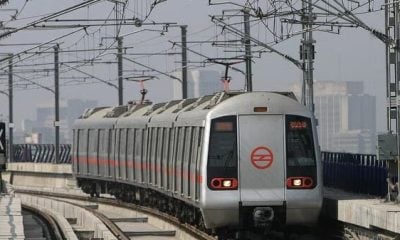
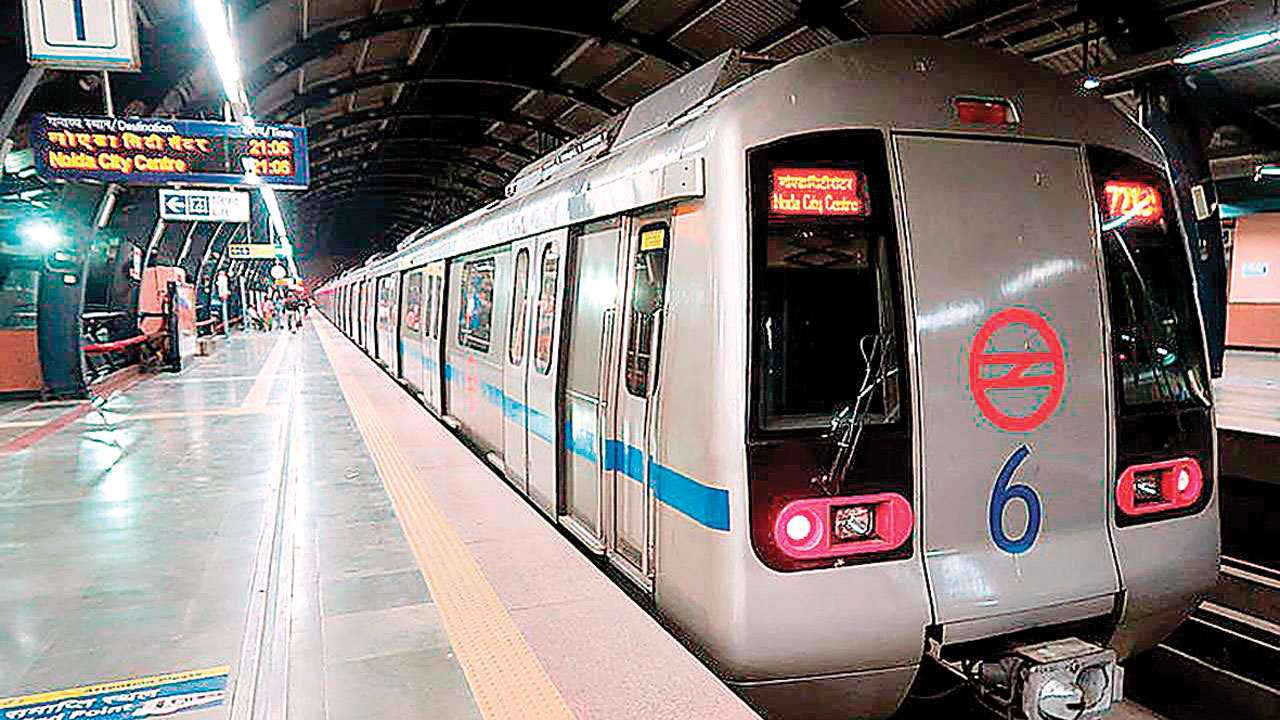
Come July 26, the lifeline of the capital – Delhi Metro and DTC buses – will run at full capacity, providing much-needed relief to commuters, who were facing a harrowing time due to the shortage of public transport.

Published

on

Delay in services of Delhi Metro's blue line due to cable theft, restoration work to be completed at night

Come July 26, the lifeline of the capital – Delhi Metro and DTC buses – will run at full capacity, providing much-needed relief to commuters, who were facing a harrowing time due to the shortage of public transport.

In a statement on Saturday, the Delhi Disaster Management Authority (DDMA) announced further relaxation of Covid-19 restrictions. Cinema halls and theatres in the city will be allowed to reopen at half their capacity. Bars will also be allowed to reopen with 50 per cent of seating capacity from 12 noon to 10pm. All shops will be permitted to function all days of the week without any distinction of essential and non-essential goods and services between 10 am and 8 pm.

Read Also: Delhi LG overturns AAP govt’s list of lawyers on farmers’ protest cases, Kejriwal calls it insult to people of Delhi

“It has been observed that the number of Covid-19 patients and the positivity rate has declined considerably and the overall situation has improved,” the statement said, adding that due caution, however, has to be maintained for “consolidating the whole process of Covid-19 management”.

India News

Western disturbance brings major relief from heatwave as mercury drops in Delhi-NCR

An active western disturbance over Rajasthan and central Pakistan has triggered heavy rain and thunderstorms, causing temperatures to plunge across Delhi-NCR and neighboring states.

Published

on

Delhi Rain

The intense heatwave sweeping across large parts of the country has officially abated, bringing much-needed respite to citizens. According to weather experts and the India Meteorological Department (IMD), a drastic drop in temperatures has kept the national capital significantly cooler than normal. On Sunday, Delhi recorded a maximum temperature of 35.8 degrees Celsius, which is 4.2 degrees below the seasonal average.

Western disturbance alters regional weather

Meteorologists have attributed this sudden shift to rain and thunderstorm activity triggered by an active western disturbance currently hovering over Rajasthan and central Pakistan. Media reports indicate that the city recorded 0.9 mm of rainfall in the 24 hours leading up to Saturday morning. While the current spell of rain is expected to weaken and move away gradually, leading to a slight rise in temperature from Monday, experts emphasize that no heatwave conditions are anticipated in Delhi during the first week of June.

Widespread rain across states; disruptions in hilly terrains

The impact of the changing weather systems is visible across multiple states. The IMD has forecast heavy rainfall, thunderstorms, and gusty winds reaching speeds of 40-50 kmph for Delhi-NCR, alongside localized heavy showers in Uttar Pradesh and Rajasthan. Furthermore, severe thunderstorm activity with squally winds up to 90 kmph has been predicted over northwest, central, and adjoining eastern regions of India.

In Gujarat, scattered to isolated rainfall and thunderstorms are projected over the next six days due to the active weather systems. Meanwhile, the southwest monsoon is making steady progress, with the weather office indicating its potential advancement into parts of Kerala and Tamil Nadu over the next three to four days.

While the plains enjoy a break from the scorching heat, the sudden weather transition caused temporary complications in the hill states. In Uttarakhand, a heavy downpour and adverse weather conditions led to the brief suspension of the Kedarnath Yatra, leaving hundreds of pilgrims stranded before the restrictions were lifted later in the day. Conversely, the cooler mountain breeze and pre-monsoon showers have triggered a massive influx of tourists to Shimla, as people flock from high-temperature states like Gujarat to seek comfort in the hills.

Continue Reading

India News

Satellite images reveal extensive construction of launch pads and bunkers near Chinese nuclear missile silos

Satellite images show that Beijing is constructing a vast web of over 80 launch pads, command bunkers, and electronic warfare facilities to protect its longest-range nuclear missiles in a remote desert complex.

Published

on

A vast military complex is rapidly taking shape in a remote Chinese desert, raising significant attention among security scholars. Freshly analyzed satellite images indicate that Beijing is building an expansive network of launch pads, bunkers, and communications nodes. This critical infrastructure is positioned near isolated nuclear silos that house the Chinese military’s longest-range missiles, which are already capable of reaching any city in the United States.

Media reports indicate that the scale of this newly discovered construction points to a sweeping expansion of hardened infrastructure. The entire network is specifically designed to protect and operate China’s land-based nuclear forces. This massive buildup signals a major upgrade in efforts to secure a resilient second-strike capability, highlighting the intensifying nuclear competition with Western powers amidst rising regional tensions.

Protecting second strike capabilities

According to assessments by security analysts, the imagery reveals more than 80 launch pads. These pads are intended for potential use by an expanding fleet of mobile missile launchers as well as air-defense batteries. Furthermore, the newly built facilities appear configured to serve command operations, satellite communications, and electronic warfare functions.

Security experts note that this infrastructure is being deployed on a grand scale, stretching across thousands of square kilometers of desert landscape beyond the primary silo fields. Depending on the exact operational capabilities of these sites, the development represents a highly considerable enhancement and diversification of the nation’s strategic nuclear deterrent.

The primary objective behind safeguarding these desert silos aligns with the stated goal of maintaining a credible nuclear deterrent. This military policy remains grounded in the absolute capacity to retaliate effectively if the nation is struck first.

Continue Reading

India News

DK Shivakumar expected to take oath as Karnataka chief minister on June 3

Senior leader DK Shivakumar is set to take office as the new chief minister of Karnataka on June 3, following top-level leadership transitions within the state government.

Published

on

Senior Congress leader DK Shivakumar is highly likely to take the oath of office as the next chief minister of Karnataka on June 3, according to government sources. The upcoming ceremony marks a major leadership transition in the southern state following recent political developments.

Transition of power

The development follows days of high-level consultations within the party’s central leadership to ensure a smooth transition of power in the state assembly. Media reports indicate that preparations for the oath-taking ceremony have begun, with the event expected to see attendance from top political leaders, party workers, and ministers.

State government officials and party insiders have indicated that the formal schedule and cabinet composition are being finalized ahead of the scheduled date. Further official announcements regarding the swearing-in ceremony are expected to be released soon by the state administration.

Continue Reading

Trending

© Copyright 2022 APNLIVE.com