
India News
Health ministry gives nod to airlines industry to resume meals on short-duration flights

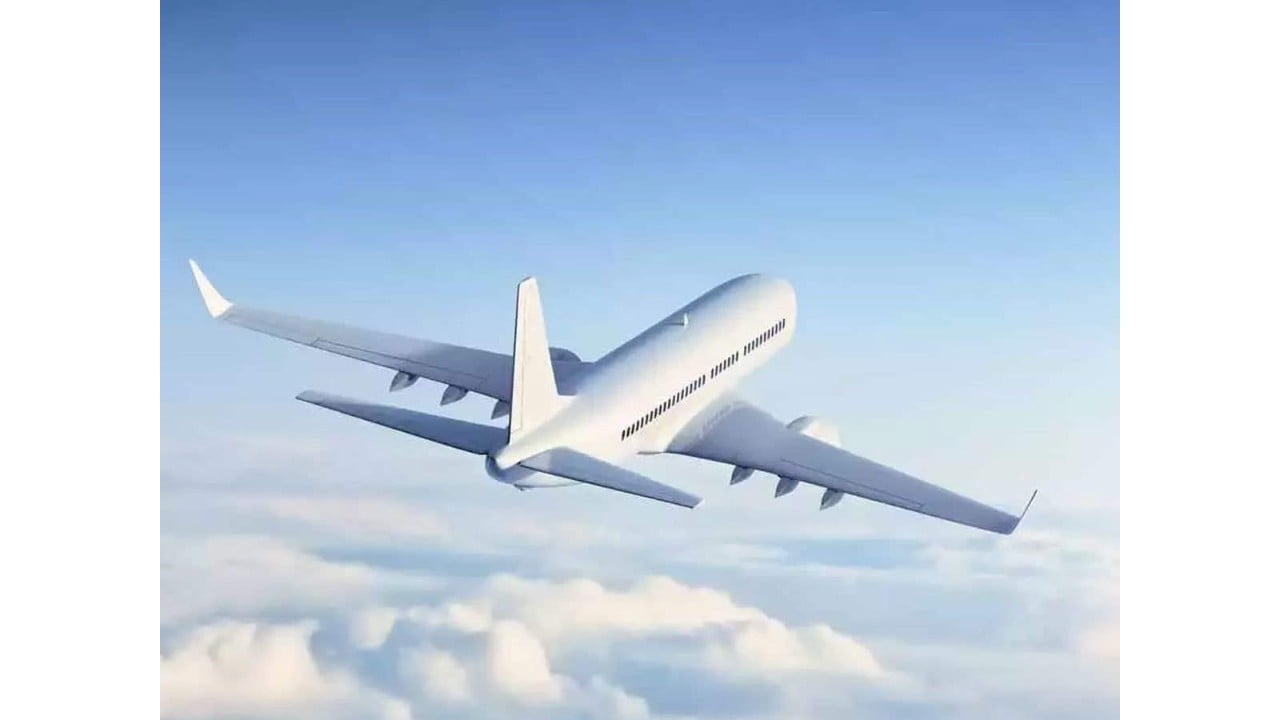
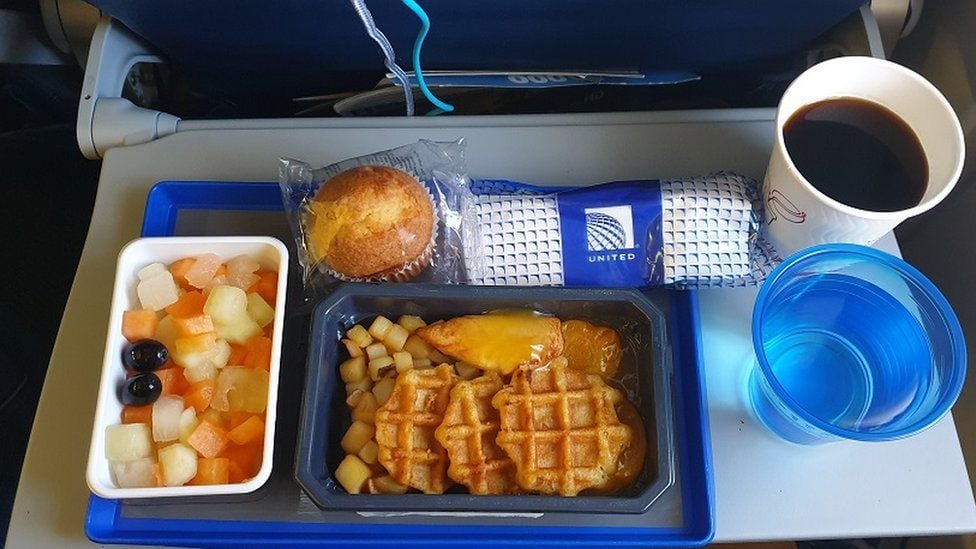
The Union health ministry has notified the civil aviation ministry that providing meals on flights of less than two hours can be resumed after a one-year break. The health ministry has also stated that flight crew members should continue to use gloves, masks, and face shields rather than coveralls.
The Health Ministry has come up with this statement after Civil Aviation Ministry requested feedback from the former in order to update existing regulations.
Due to the coronavirus pandemic, the airlines were instructed to stop serving meals on flights that have a duration of less than two hours. The ban came into effect on April 15. And now when the lockdown lifted on May 25 last year, the government had authorised airlines to provide in-flight meals under specified conditions.
In consideration of a decline in the number of daily Covid-19 cases, the civil aviation ministry is examining onboard meal services in domestic flights and has requested advice from the health ministry on revising the existing standards.
On Friday, the Department’s Standing Committee for Transport, Tourism, and Culture gathered to examine “problems impacting the Civil Aviation Sector in the current scenario.”
Members of the Aviation officers meeting, which also included the Secretary of the Ministry of Civil Aviation, posed various concerns about airfare and the price cap. Several users questioned as to why there was still a flight cap in place and when the usual flight schedule will return.
Aviation Secretary Rajiv Bansal is claimed to have told the committee that the price cap was imposed owing to the bubble system, which is still in effect, and that the responsible ministries will make an informed decision in the near future. Members highlighted worry about the high ticket prices and why the government was still unable to regulate them.
With 11,850 new cases, India’s COVID-19 total has risen to 3,44,26,036, but the number of active cases has dropped to 1,36,308, the lowest in 274 days, according to data from the health ministry released at 8 a.m. on Saturday. The death toll from the viral disease has risen to 4,63,245 with 555 more deaths.
The number of new COVID-19 cases has dropped below 20,000 for 36 days in a row, and less than 50,000 new cases have been recorded for 139 days in a row.
India News
Delhi deploys 25,000 personnel, installs CCTV cameras ahead of CJP march
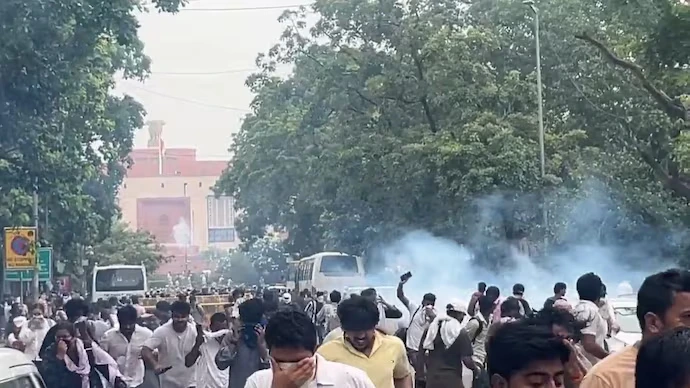
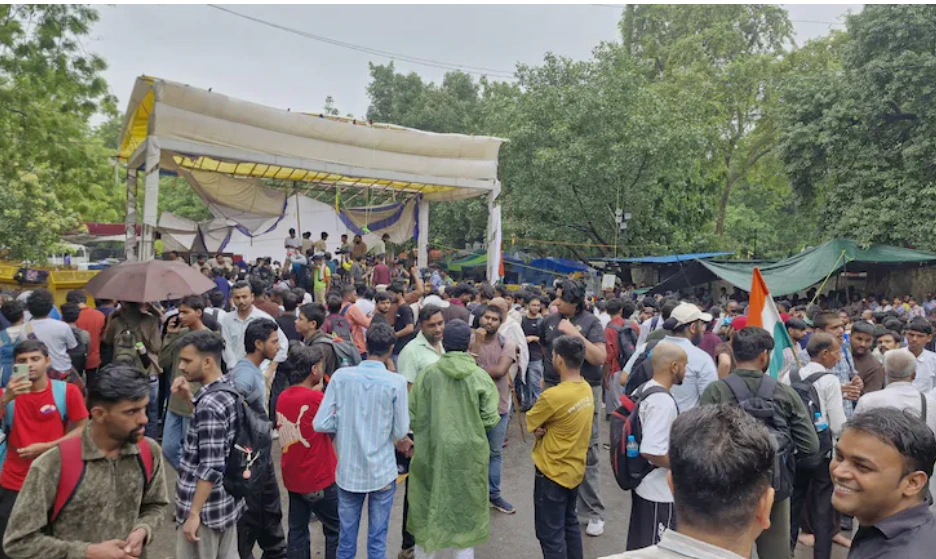
More than 25,000 police and paramilitary personnel have been deployed in Delhi ahead of the CJP’s planned protest march at Connaught Place. Authorities have also imposed restrictions and stepped up CCTV surveillance.

India News
Mallikarjun Kharge’s ‘Your Friends’ jab at Rahul Gandhi over congress exits
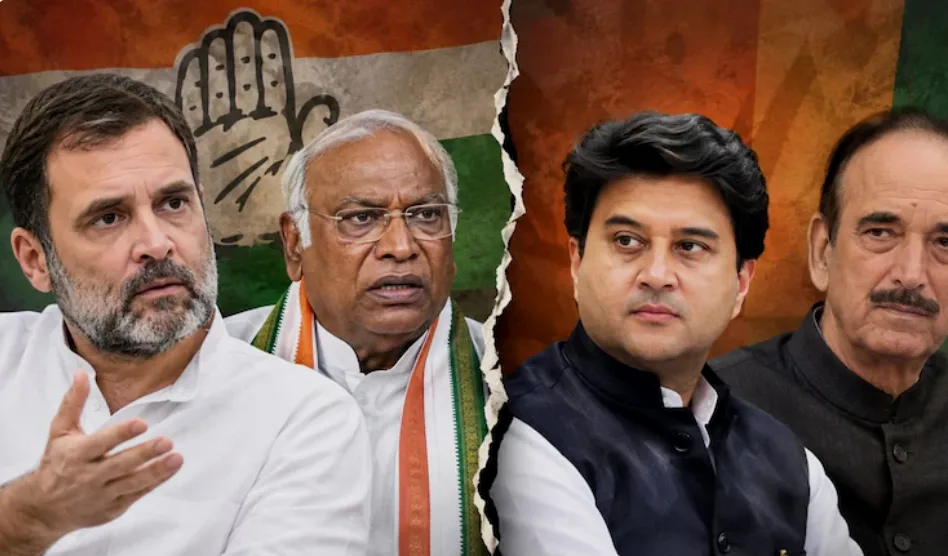
Congress president Mallikarjun Kharge took a dig at Rahul Gandhi after the Leader of the Opposition reportedly described former party leaders Jyotiraditya Scindia and Ghulam Nabi Azad as among those who had left the Congress.
India News
Delhi Police offers 11-person limit for CJP’s Connaught Place protest
Delhi Police has offered to facilitate a group of 11 people at Central Park in Connaught Place for the Cockroach Janata Party’s October 16 protest, while warning that violations of prohibitory orders could invite legal action.

India-US trade deal first phase finalised, drafting underway

Election Commission orders voter roll revision in 17 states, UTs

Actor Imran Khan asked to leave India after CJP protest

Delhi Police offers 11-person limit for CJP’s Connaught Place protest

Mallikarjun Kharge’s ‘Your Friends’ jab at Rahul Gandhi over congress exits

Magnitude 7 earthquake strikes Russia’s Kamchatka Peninsula

Delhi deploys 25,000 personnel, installs CCTV cameras ahead of CJP march
Mallikarjun Kharge’s ‘Your Friends’ jab at Rahul Gandhi over congress exits
Delhi Police offers 11-person limit for CJP’s Connaught Place protest
Actor Imran Khan asked to leave India after CJP protest

Afghan Men Try To Hang With The Jet Engine Of The Aircraft in Kabul- Afghanistan News – Kabul News
Trending Top 10 News: 10000 Crore Fine on Flipkart, Apple to Launch Unique Feature, Hdfc Bank Job Ad

Trending Top 10 News: Nokia 6310, Apple sales, Bachpan ka Pyar Video Kid, Dainik Bhaskar IT Raid

Trending Top 10 News: Canada bans Indian flights, Rain in Delhi NCR, AIMIM Twitter hacked, Raj Kundra case

Trending Top 10 News: Shein India, Apple New Service, Pocket Oxygen, Oppo Launched New Phone
-
 India News23 hours ago
India-US trade deal first phase finalised, drafting underway
-
 India News21 hours ago
Election Commission orders voter roll revision in 17 states, UTs
-
 India News21 hours ago
Actor Imran Khan asked to leave India after CJP protest
-
 India News20 hours ago
Delhi Police offers 11-person limit for CJP’s Connaught Place protest
-
 India News8 hours ago
Mallikarjun Kharge’s ‘Your Friends’ jab at Rahul Gandhi over congress exits
-
 India News8 hours ago
Delhi deploys 25,000 personnel, installs CCTV cameras ahead of CJP march
-
 Latest world news8 hours ago
Magnitude 7 earthquake strikes Russia’s Kamchatka Peninsula
