English हिन्दी
Connect with us

Latest world news

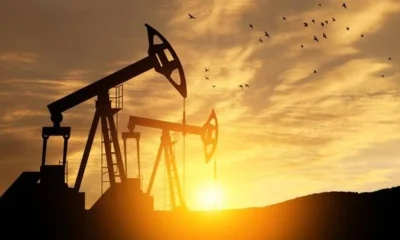
US ends oil sanctions waiver for Iran and Russia, impact likely on India’s energy imports

The US decision to end the Iran and Russia oil waiver may impact India’s oil imports, fuel prices and global energy markets.

Published

on

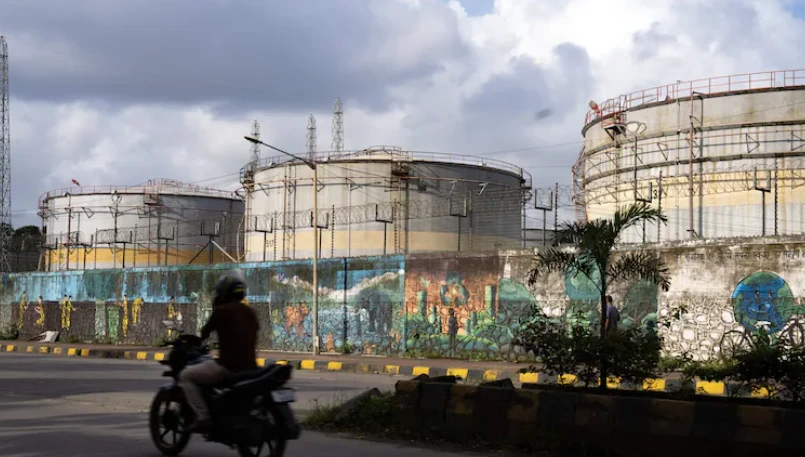
US oil tanker

The United States has decided not to extend a temporary sanctions waiver that allowed limited trade in Iranian and Russian oil, marking a shift towards stricter enforcement of economic restrictions.

The waiver, introduced in March 2026, had permitted the sale of oil already loaded on ships to stabilise global supply during heightened geopolitical tensions. However, it is now set to expire around mid-April without renewal.

US officials have indicated that the move is part of a broader strategy to increase pressure on both Iran and Russia amid ongoing conflicts and geopolitical tensions.

What the waiver did and why it mattered

The short-term waiver allowed millions of barrels of oil—estimated at around 140 million barrels—to enter global markets, helping ease supply shortages and prevent sharp price spikes.

It also enabled countries like India to purchase discounted crude oil from Russia and resume limited imports from Iran after years of restrictions.

Impact on India

India, one of the world’s largest oil importers, is expected to feel the impact of the decision in several ways:

  • Reduced access to discounted oil
    India had been buying cheaper Russian crude and recently resumed Iranian imports under the waiver. Its end may limit these options.
  • Potential rise in fuel costs
    With fewer discounted supplies available, India may need to rely more on costlier sources, which could increase domestic fuel prices.
  • Supply diversification pressure
    India may need to explore alternative suppliers in the Middle East, Africa, or the US to maintain energy security.
  • Geopolitical balancing challenge
    The move adds pressure on India to align with US sanctions while managing its own economic interests.

Global energy market concerns

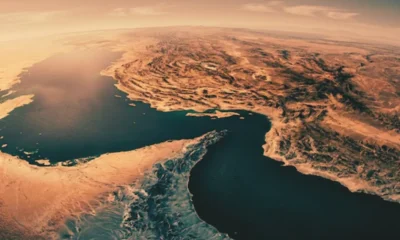
The end of the waiver comes at a time when global oil markets are already under stress due to conflict in West Asia and disruptions in key routes like the Strait of Hormuz.

Analysts warn that tightening sanctions could:

  • Reduce global oil supply
  • Increase price volatility
  • Intensify competition among major buyers like India and China

Bigger picture

The US decision reflects a broader shift from temporary relief measures to stricter enforcement of sanctions, even if it risks tightening global energy markets.

For India, the development highlights a recurring challenge—balancing affordable energy access with geopolitical realities.

Latest world news

India rejects Dutch PM’s remarks on press freedom, minority rights during Modi visit

India strongly rejected remarks linked to press freedom and minority rights made during PM Narendra Modi’s Netherlands visit, calling them based on a lack of understanding of India’s democracy.

Published

on

Prime Minister Narendra Modi’s visit to the Netherlands witnessed a diplomatic exchange after reported remarks by Dutch Prime Minister Rob Jetten on press freedom and minority rights in India drew a sharp response from New Delhi.

India rejected the comments, with Ministry of External Affairs Secretary (West) Sibi George saying the concerns reflected a “lack of understanding” about India’s democratic system and social structure.

Addressing the issue during a media briefing in the Netherlands, the Indian diplomat described India as a “vibrant democracy” and pointed to the country’s electoral participation and diversity as evidence of democratic strength. He noted that recent elections in India saw voter participation crossing 90 per cent in some regions.

According to reports, the Dutch Prime Minister had raised concerns linked to press freedom and the condition of minority rights in India before his meeting with PM Modi in The Hague. However, sources indicated that the matter was not formally discussed during the bilateral talks between the two leaders.

India also underlined that people from different faiths coexist peacefully in the country and highlighted the nation’s democratic institutions and constitutional protections.

The exchange came during PM Modi’s visit aimed at strengthening ties between India and the Netherlands across sectors including trade, technology, energy and strategic cooperation. The two countries also discussed expanding bilateral partnerships during high-level meetings in The Hague.

Continue Reading

Latest world news

US, Nigerian forces kill ISIS global deputy chief Abu Bilal al-Minuki, says Trump

Donald Trump announced that US and Nigerian forces had eliminated Abu Bilal al-Minuki, described as ISIS’s global second-in-command, in a joint Africa operation.

Published

on

trump

US President Donald Trump on Friday announced that American and Nigerian forces had killed Abu Bilal al-Minuki, whom he described as the global second-in-command of the Islamic State group (ISIS), during a joint military operation in Africa.

According to Trump, the operation was conducted under his direction and involved US forces working alongside the Armed Forces of Nigeria in what he called a “meticulously planned” and “very complex” mission.

In a statement posted on Truth Social, Trump said Abu Bilal al-Minuki believed he could remain hidden in Africa, but intelligence sources had tracked his movements. He also claimed the ISIS leader had been among the “most active terrorists in the world.”

Trump thanked the Nigerian government for cooperating in the operation and said the killing would weaken ISIS’s global activities. However, officials did not immediately release details about the exact location or timing of the mission.

There has been no independent confirmation yet from Nigerian authorities regarding the operation or al-Minuki’s role within the terror organisation.

Continue Reading

Latest world news

PM Modi arrives in Netherlands to strengthen bilateral cooperation

PM Modi has reached the Netherlands for high-level talks aimed at expanding India’s cooperation with the European nation in trade, technology, defence and renewable energy sectors.

Published

on

PM Narendra Modi

Prime Minister Narendra Modi arrived in the Netherlands on Friday as part of his ongoing five-nation diplomatic visit aimed at strengthening India’s partnerships across Europe and West Asia.

The Prime Minister is expected to hold bilateral discussions with Dutch Leadership in The Hague, with talks likely to focus on trade, investment, technology, defence cooperation and renewable energy.

During the visit, PM Modi will also meet King Willem-Alexander and Queen Máxima of the Netherlands. He is additionally scheduled to interact with members of the Indian community and Dutch business leaders.

The Netherlands visit follows PM Modi’s brief stop in the United Arab Emirates, where discussions were held on energy and strategic cooperation.

According to officials, India and the Netherlands have expanded cooperation in recent years beyond traditional sectors such as agriculture, water management and healthcare. Collaboration has increasingly grown in areas including semiconductors, innovation, maritime security, renewable energy and advanced technologies.

The Netherlands remains one of India’s major trade partners in Europe. Bilateral trade between the two countries was valued at around USD 27.8 billion in 2024-25, while the Netherlands is also among the top foreign investors in India.

PM Modi’s Europe tour also includes visits to Sweden, Norway and Italy as India seeks to strengthen economic and strategic engagement with European nations.

Continue Reading

Trending

© Copyright 2022 APNLIVE.com