
India News
Cheer and jubilation as SC declares instant triple talaq ‘unconstitutional’

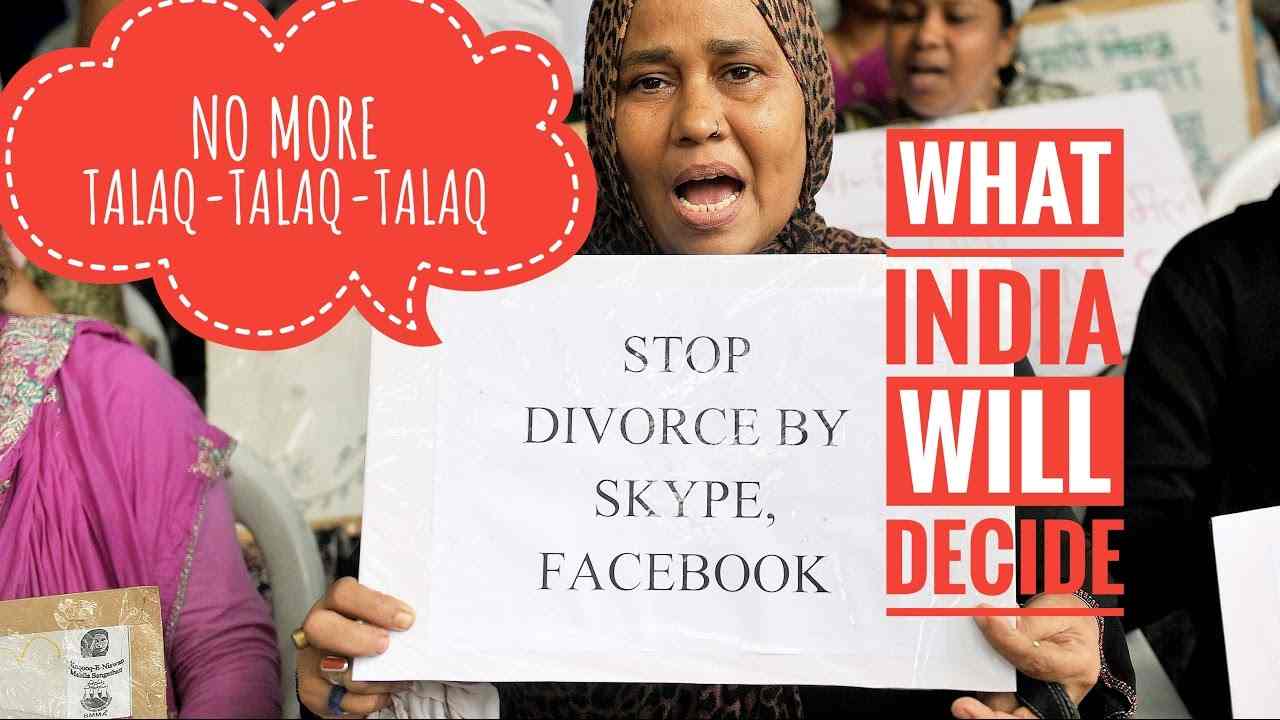
[vc_row][vc_column][vc_column_text]Barring a section of cleric and organisations like the All India Muslim Personal Law Board, political parties, social activists and most importantly the Muslim women who suffered due to the practice, all welcome the Supreme Court’s historic verdict
A sense of euphoria that went beyond communal and political identities engulfed large sections of India’s population, on Tuesday, as the Supreme Court struck down the “manifestly arbitrary and unconstitutional” practice of Talaq-e-Biddat or triple talaq.
The landmark judgment passed by a Bench that comprised five judges, each of different faiths – Chief Justice of India JS Khehar (a Sikh), Justices Kurian Joseph (a Christian), Rohinton Nariman (a Parsi), S Abdul Nazeer (a Muslim), UU Lalit (a Hindu) – was immediately welcomed by all political parties, social activists and although predictably but most importantly, scores of Muslim women across India who have suffered due to the ‘unislamic’ practice.
Left sulking were the handful of Muslim clerics and organisations like the All India Muslim Personal Law Board (AIMPLB) who opposed the ban on instant triple talaq and lost – not just the legal battle but also their stranglehold on the rights of married Muslim women in India.
Prime Minister Narendra Modi, who had personally advocated for an end to the practice (although his motive for the statement has often been attributed to his political concerns), took to Twitter to hail the verdict.[/vc_column_text][vc_raw_html]JTNDYmxvY2txdW90ZSUyMGNsYXNzJTNEJTIydHdpdHRlci10d2VldCUyMiUyMGRhdGEtbGFuZyUzRCUyMmVuJTIyJTNFJTNDcCUyMGxhbmclM0QlMjJlbiUyMiUyMGRpciUzRCUyMmx0ciUyMiUzRUp1ZGdtZW50JTIwb2YlMjB0aGUlMjBIb24lMjYlMjMzOSUzQmJsZSUyMFNDJTIwb24lMjBUcmlwbGUlMjBUYWxhcSUyMGlzJTIwaGlzdG9yaWMuJTIwSXQlMjBncmFudHMlMjBlcXVhbGl0eSUyMHRvJTIwTXVzbGltJTIwd29tZW4lMjBhbmQlMjBpcyUyMGElMjBwb3dlcmZ1bCUyMG1lYXN1cmUlMjBmb3IlMjB3b21lbiUyMGVtcG93ZXJtZW50LiUzQyUyRnAlM0UlMjZtZGFzaCUzQiUyME5hcmVuZHJhJTIwTW9kaSUyMCUyOCU0MG5hcmVuZHJhbW9kaSUyOSUyMCUzQ2ElMjBocmVmJTNEJTIyaHR0cHMlM0ElMkYlMkZ0d2l0dGVyLmNvbSUyRm5hcmVuZHJhbW9kaSUyRnN0YXR1cyUyRjg5OTkwNzgwNzMyMjg0MTA4OCUyMiUzRUF1Z3VzdCUyMDIyJTJDJTIwMjAxNyUzQyUyRmElM0UlM0MlMkZibG9ja3F1b3RlJTNFJTBBJTBBJTNDc2NyaXB0JTIwYXN5bmMlMEFzcmMlM0QlMjIlMkYlMkZwbGF0Zm9ybS50d2l0dGVyLmNvbSUyRndpZGdldHMuanMlMjIlMEFjaGFyc2V0JTNEJTIydXRmLTglMjIlM0UlM0MlMkZzY3JpcHQlM0U=[/vc_raw_html][vc_column_text]Expectedly, the entire spectrum of the BJP leadership – from national president Amit Shah to Union ministers Arun Jaitley, Ravi Shankar Prasad and UP chief minister Yogi Adityanath – reiterated Modi’s stand, the Congress party which had found itself in a piquant position over the case – with senior leader Kapil Sibal representing the AIMPLB in the court while Salman Khurshid was assisting the Bench as amicus curie – too welcomed the verdict.[/vc_column_text][vc_raw_html]JTNDYmxvY2txdW90ZSUyMGNsYXNzJTNEJTIydHdpdHRlci10d2VldCUyMiUyMGRhdGEtbGFuZyUzRCUyMmVuJTIyJTNFJTNDcCUyMGxhbmclM0QlMjJoaSUyMiUyMGRpciUzRCUyMmx0ciUyMiUzRSVFMCVBNCVBNCVFMCVBNSU4MCVFMCVBNCVBOCUyMCVFMCVBNCVBNCVFMCVBNCVCMiVFMCVBNCVCRSVFMCVBNCU5NSUyMCVFMCVBNCVBQSVFMCVBNCVCMCUwQSVFMCVBNCVCOCVFMCVBNSU4MSVFMCVBNCVBQSVFMCVBNSU4RCVFMCVBNCVCMCVFMCVBNSU4MCVFMCVBNCVBRSVFMCVBNCU5NSVFMCVBNSU4QiVFMCVBNCVCMCVFMCVBNSU4RCVFMCVBNCU5RiUyMCVFMCVBNCU5NSVFMCVBNCVCRSUyMCVFMCVBNCVBOCVFMCVBNCVCRiVFMCVBNCVCMCVFMCVBNSU4RCVFMCVBNCVBMyVFMCVBNCVBRi0lMjAlRTAlQTQlQUUlRTAlQTUlODElRTAlQTQlQjglRTAlQTUlOEQlRTAlQTQlQjIlRTAlQTQlQkYlRTAlQTQlQUUlMjAlRTAlQTQlQUUlRTAlQTQlQjklRTAlQTQlQkYlRTAlQTQlQjIlRTAlQTQlQkUlRTAlQTQlOTMlRTAlQTQlODIlMjAlRTAlQTQlOTUlRTAlQTUlODclMjAlRTAlQTQlQjIlRTAlQTQlQkYlRTAlQTQlOEYlMjAlRTAlQTQlQjglRTAlQTUlOEQlRTAlQTQlQjUlRTAlQTQlQkUlRTAlQTQlQUQlRTAlQTQlQkYlRTAlQTQlQUUlRTAlQTQlQkUlRTAlQTQlQTglMjAlRTAlQTQlQUElRTAlQTUlODIlRTAlQTQlQjAlRTAlQTUlOEQlRTAlQTQlQTMlMjAlRTAlQTQlOEYlRTAlQTQlQjUlRTAlQTQlODIlMjAlRTAlQTQlQjglRTAlQTQlQUUlRTAlQTQlQkUlRTAlQTQlQTglRTAlQTQlQTQlRTAlQTQlQkUlMjAlRTAlQTQlOTUlRTAlQTUlODclMjAlRTAlQTQlOEYlRTAlQTQlOTUlMEElRTAlQTQlQTglRTAlQTQlOEYlMjAlRTAlQTQlQUYlRTAlQTUlODElRTAlQTQlOTclMjAlRTAlQTQlOTUlRTAlQTUlODAlMjAlRTAlQTQlQjYlRTAlQTUlODElRTAlQTQlQjAlRTAlQTUlODElRTAlQTQlODYlRTAlQTQlQTQlRTAlQTUlQTQlMjAlM0NhJTBBaHJlZiUzRCUyMmh0dHBzJTNBJTJGJTJGdC5jbyUyRk5ETWNac0tKVXclMjIlM0VwaWMudHdpdHRlci5jb20lMkZORE1jWnNLSlV3JTNDJTJGYSUzRSUzQyUyRnAlM0UlMjZtZGFzaCUzQiUwQUFtaXQlMjBTaGFoJTIwJTI4JTQwQW1pdFNoYWglMjklMjAlM0NhJTIwaHJlZiUzRCUyMmh0dHBzJTNBJTJGJTJGdHdpdHRlci5jb20lMkZBbWl0U2hhaCUyRnN0YXR1cyUyRjg5OTg5MDI2MTgwMjYyNzA3MiUyMiUzRUF1Z3VzdCUwQTIyJTJDJTIwMjAxNyUzQyUyRmElM0UlM0MlMkZibG9ja3F1b3RlJTNFJTBBJTBBJTNDc2NyaXB0JTIwYXN5bmMlMEFzcmMlM0QlMjIlMkYlMkZwbGF0Zm9ybS50d2l0dGVyLmNvbSUyRndpZGdldHMuanMlMjIlMEFjaGFyc2V0JTNEJTIydXRmLTglMjIlM0UlM0MlMkZzY3JpcHQlM0UlMEElMEElMjAlMEElM0NibG9ja3F1b3RlJTIwY2xhc3MlM0QlMjJ0d2l0dGVyLXR3ZWV0JTIyJTIwZGF0YS1sYW5nJTNEJTIyZW4lMjIlM0UlM0NwJTIwbGFuZyUzRCUyMmhpJTIyJTIwZGlyJTNEJTIybHRyJTIyJTNFJUUwJUE0JTlGJUUwJUE1JThEJUUwJUE0JUIwJUUwJUE0JUJGJUUwJUE0JUFBJUUwJUE0JUIyJTIwJUUwJUE0JUE0JUUwJUE0JUIyJUUwJUE0JUJFJUUwJUE0JTk1JTIwJUUwJUE0JUFBJUUwJUE0JUIwJTBBJUUwJUE0JUI4JUUwJUE1JTgxJUUwJUE0JUFBJUUwJUE1JThEJUUwJUE0JUIwJUUwJUE1JTgwJUUwJUE0JUFFJTIwJUUwJUE0JTk1JUUwJUE1JThCJUUwJUE0JUIwJUUwJUE1JThEJUUwJUE0JTlGJTIwJUUwJUE0JTk1JUUwJUE1JTg3JTIwJUUwJUE0JUFCJUUwJUE1JTg4JUUwJUE0JUI4JUUwJUE0JUIyJUUwJUE0JUJFJTIwJUUwJUE0JTk1JUUwJUE0JUJFJTIwJUUwJUE0JUI5JUUwJUE0JUFFJTIwJUUwJUE0JUI4JUUwJUE1JThEJUUwJUE0JUI1JUUwJUE0JUJFJUUwJUE0JTk3JUUwJUE0JUE0JTIwJUUwJUE0JTk1JUUwJUE0JUIwJUUwJUE0JUE0JUUwJUE1JTg3JTIwJUUwJUE0JUI5JUUwJUE1JTg4JUUwJUE0JTgyJTJDJTIwJUUwJUE0JTg3JUUwJUE0JUI4JUUwJUE0JTk1JUUwJUE1JTg3JTIwJUUwJUE0JUFFJUUwJUE0JUJFJUUwJUE0JUE3JUUwJUE1JThEJUUwJUE0JUFGJUUwJUE0JUFFJTIwJUUwJUE0JUI4JUUwJUE1JTg3JTIwJUUwJUE0JUFFJUUwJUE1JTgxJUUwJUE0JUI4JUUwJUE1JThEJUUwJUE0JUIyJUUwJUE0JUJGJUUwJUE0JUFFJTIwJUUwJUE0JUFFJUUwJUE0JUI5JUUwJUE0JUJGJUUwJUE0JUIyJUUwJUE0JUJFJUUwJUE0JTkzJUUwJUE0JTgyJTIwJUUwJUE0JTk1JUUwJUE1JThCJTIwJUUwJUE0JUE4JUUwJUE1JThEJUUwJUE0JUFGJUUwJUE0JUJFJUUwJUE0JUFGJTIwJUUwJUE0JUFFJUUwJUE0JUJGJUUwJUE0JUIyJUUwJUE0JUJFJUUwJUE1JUE0JTIwJTNDYSUwQWhyZWYlM0QlMjJodHRwcyUzQSUyRiUyRnR3aXR0ZXIuY29tJTJGaGFzaHRhZyUyRlRyaXBsZVRhbGFxJTNGc3JjJTNEaGFzaCUyMiUzRSUyM1RyaXBsZVRhbGFxJTNDJTJGYSUzRSUwQSUzQ2ElMEFocmVmJTNEJTIyaHR0cHMlM0ElMkYlMkZ0LmNvJTJGakdwRFhaeEVGOSUyMiUzRXBpYy50d2l0dGVyLmNvbSUyRmpHcERYWnhFRjklM0MlMkZhJTNFJTNDJTJGcCUzRSUyNm1kYXNoJTNCJTBBWW9naSUyMEFkaXR5YW5hdGglMjAlMjglNDBteW9naWFkaXR5YW5hdGglMjklMjAlM0NhJTBBaHJlZiUzRCUyMmh0dHBzJTNBJTJGJTJGdHdpdHRlci5jb20lMkZteW9naWFkaXR5YW5hdGglMkZzdGF0dXMlMkY4OTk5MDExOTAxNDE1NTQ2OTMlMjIlM0VBdWd1c3QlMEEyMiUyQyUyMDIwMTclM0MlMkZhJTNFJTNDJTJGYmxvY2txdW90ZSUzRSUwQSUwQSUzQ3NjcmlwdCUyMGFzeW5jJTBBc3JjJTNEJTIyJTJGJTJGcGxhdGZvcm0udHdpdHRlci5jb20lMkZ3aWRnZXRzLmpzJTIyJTBBY2hhcnNldCUzRCUyMnV0Zi04JTIyJTNFJTNDJTJGc2NyaXB0JTNF[/vc_raw_html][vc_column_text]While Khurshid said: “What we hoped to happen has now happened, it is a good decision… Yeh faisla sachchai, vastvikta aur sahi Islam ko ujaagar karta hai”, his party colleague Sibal, who opposed several of Khurshid’s submissions in the court since he represented the AIMPLB which was against the ban, too seemed to reconcile with the verdict. “We hail the judgement, it protects personal laws and at the same time deprecates the practice of Triple Talaq,” Sibal said.
Randeep Singh Surjewala, the Congress party’s chief spokesperson, said: “The Supreme Court has set aside and quashed the practice of ‘instant triple talaq’ or ‘talaq-e-bidat’, which by itself was an aberration and adulteration of ‘talaq’, thereby recognizing the pristine form of religious practice in Islam that abhors any exploitation. This verdict is an affirmation of the rights of women and gives relief to them against being subjected to discrimination by a practice that had been perverted over the years. We welcome the acceptance of this reality by Court”.
Similar praise for the verdict came in from other political parties like Mayawati’s Bahujan Samaj Party, Trinamool Congress, the CPI and CPM.
The AIMPLB, which will hold a meeting of its executive committee in Bhopal on September 10 to discuss the Board’s future course of action, was evidently unhappy. Its senior member, Kamal Farooqui said: “Court order has affected the rights of religious minorities to practice their religion. It will have wide-ranging ramifications… Our feeling is that the judgment contravenes Constitutional guarantees”.
All India Majlis-e-Ittehadul Muslimeen chief and Hyderabad MP, Asaduddin Owaisi, who has also been an opponent of any ban on triple talaq through judicial intervention, cautioned that though the “I respect the verdict but its implementation on the ground will be a Herculean task”.
Bangladeshi author Taslima Nasreen, who has often been the target of Islamic fundamentalists and has repeatedly challenged the oppression of women by a section of the Islamic clergy, however said that while the SC verdict may come as an embarrassment to the AIMPLB, it doesn’t ensure women’s freedom – which she insisted would only come through education.[/vc_column_text][vc_raw_html]JTNDYmxvY2txdW90ZSUyMGNsYXNzJTNEJTIydHdpdHRlci10d2VldCUyMiUyMGRhdGEtbGFuZyUzRCUyMmVuJTIyJTNFJTNDcCUyMGxhbmclM0QlMjJlbiUyMiUyMGRpciUzRCUyMmx0ciUyMiUzRUFib2xpc2hpbmclMjAlM0NhJTIwaHJlZiUzRCUyMmh0dHBzJTNBJTJGJTJGdHdpdHRlci5jb20lMkZoYXNodGFnJTJGVHJpcGxlVGFsYXElM0ZzcmMlM0RoYXNoJTIyJTNFJTIzVHJpcGxlVGFsYXElM0MlMkZhJTNFJTIwbWF5JTIwYmUlMjBhJTIwc2xhcCUyMHRvJTIwTXVzbGltJTIwTGF3JTIwQm9hcmQlMjBidXQlMjBpdCUyMGlzJTIwZGVmaW5pdGVseSUyMG5vdCUyMHdvbWVuJTI2JTIzMzklM0JzJTIwZnJlZWRvbS4lMjBXb21lbiUyMG5lZWQlMjB0byUyMGJlJTIwZWR1Y2F0ZWQlMjAlMjZhbXAlM0IlMjBpbmRlcGVuZGVudC4lM0MlMkZwJTNFJTI2bWRhc2glM0IlMjB0YXNsaW1hJTIwbmFzcmVlbiUyMCUyOCU0MHRhc2xpbWFuYXNyZWVuJTI5JTIwJTNDYSUyMGhyZWYlM0QlMjJodHRwcyUzQSUyRiUyRnR3aXR0ZXIuY29tJTJGdGFzbGltYW5hc3JlZW4lMkZzdGF0dXMlMkY4OTk4ODQ1MjM5MzE4NDQ2MDglMjIlM0VBdWd1c3QlMjAyMiUyQyUyMDIwMTclM0MlMkZhJTNFJTNDJTJGYmxvY2txdW90ZSUzRSUwQSUzQ3NjcmlwdCUyMGFzeW5jJTIwc3JjJTNEJTIyJTJGJTJGcGxhdGZvcm0udHdpdHRlci5jb20lMkZ3aWRnZXRzLmpzJTIyJTIwY2hhcnNldCUzRCUyMnV0Zi04JTIyJTNFJTNDJTJGc2NyaXB0JTNF[/vc_raw_html][vc_column_text]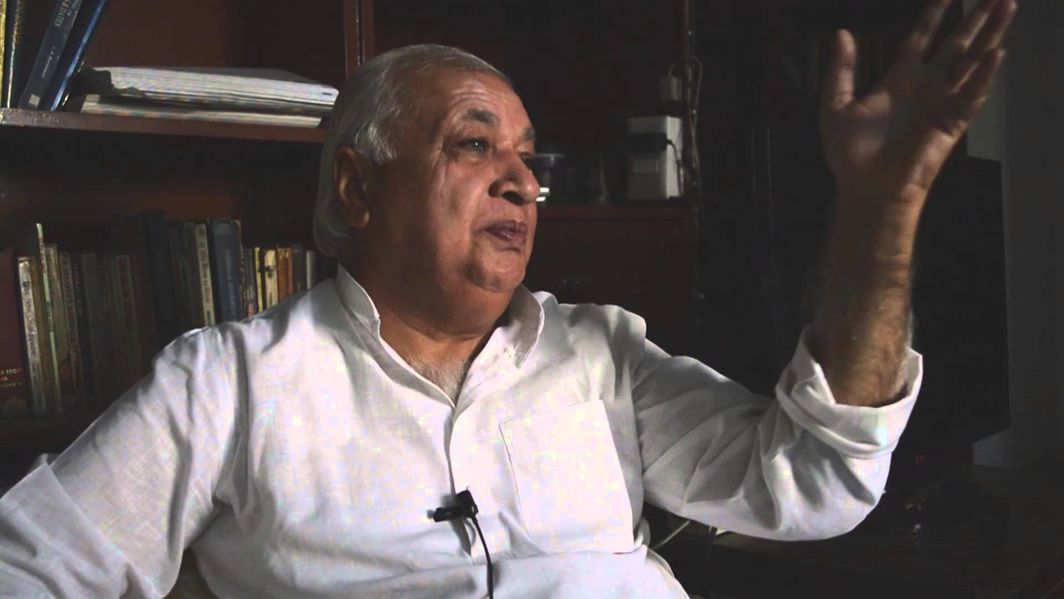 For former Union minister Arif Mohammad Khan, who had appeared in the SC for a bunch of petitioners seeking a ban on the controversial practice, the verdict came as sweet vindication of a stand he had consistently taken for the past 30 years. Khan, who had quit the Rajiv Gandhi government in the aftermath of the Shah Bano verdict when the then government cowered under pressure of the AIMPLB and radical Islamic clerics, said: “It is a historic verdict and I honestly feel that none of us can make a realistic assessment of the positive impact that this judgment is going to have on the Muslim community”.
“It will not only liberate Muslim women but also provide them with a sense of equality. It will provide them with a sense of empowerment. This verdict will bring about a paradigm shift and I foresee a changed scenario in the days when women will no longer accept instant talaq as a fait accompli. Empowered by the Supreme Court verdict, they will answer and retort back. They will tell their spouse that ‘This triple talaq is unconstitutional. I am not going to leave the house, you can leave the house’… This is going to be a game-changer for Muslim women”, Khan said.[/vc_column_text][/vc_column][/vc_row]








India News
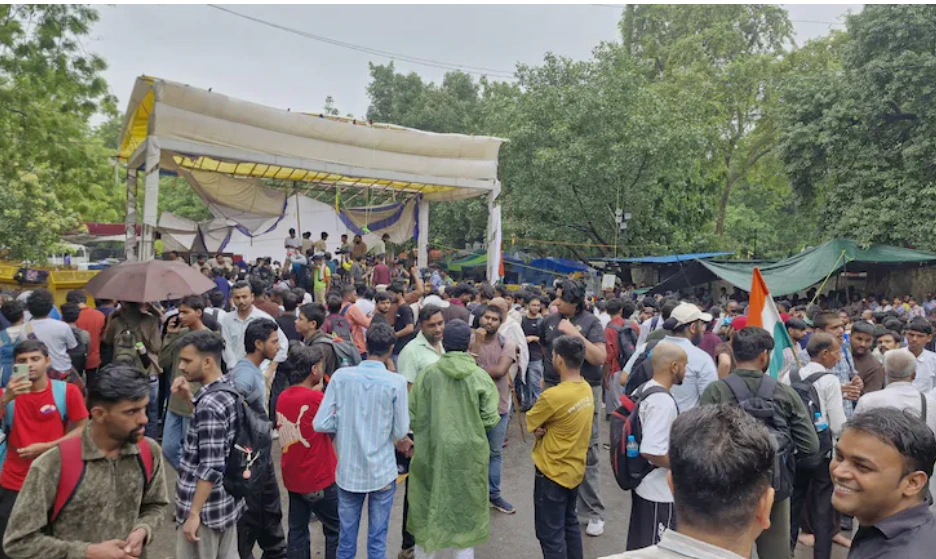
Delhi Police offers 11-person limit for CJP’s Connaught Place protest
Delhi Police has offered to facilitate a group of 11 people at Central Park in Connaught Place for the Cockroach Janata Party’s October 16 protest, while warning that violations of prohibitory orders could invite legal action.

India News
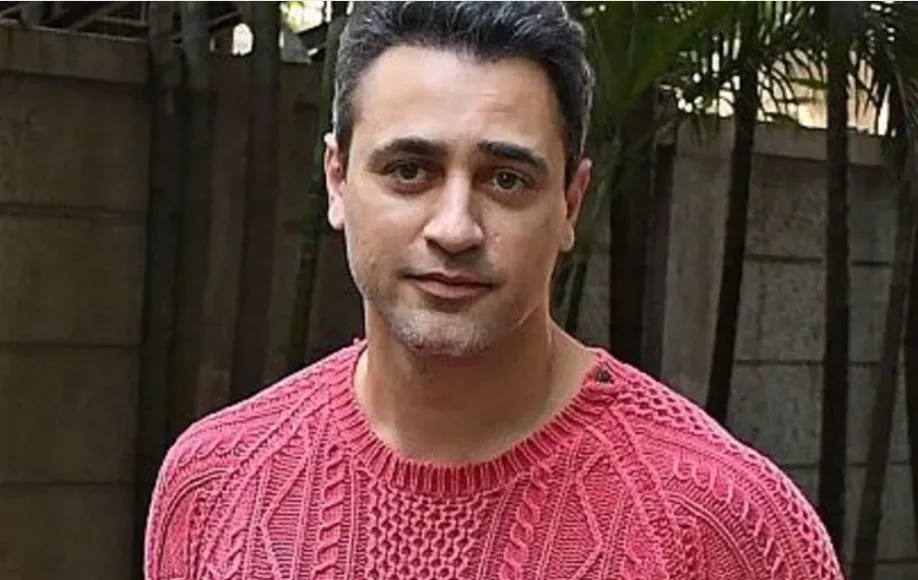
Actor Imran Khan asked to leave India after CJP protest
Actor Imran Khan has been asked to leave India by October 28, days after participating in a protest called by the Cockroach Janta Party (CJP) in Mumbai.
India News
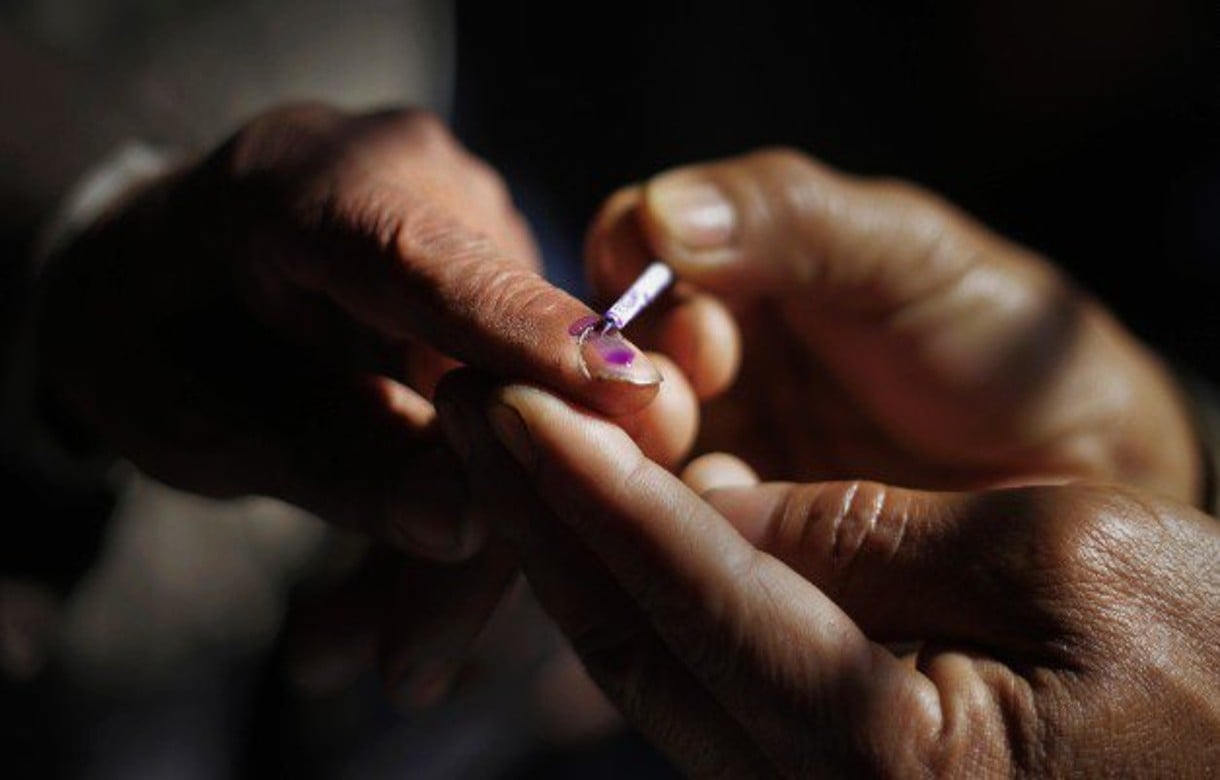
Election Commission orders voter roll revision in 17 states, UTs
The Election Commission has ordered a Special Summary Revision of electoral rolls in 17 states and Union Territories. Draft rolls are scheduled for November 12, with final rolls due on January 4, 2027.

Dhruv Rathee gets fresh summons in 2018 BJP IT cell video case

Nobody can browbeat judiciary, Chief Justice warns over Rahul Gandhi’s march

India-US trade deal first phase finalised, drafting underway

Election Commission orders voter roll revision in 17 states, UTs

Actor Imran Khan asked to leave India after CJP protest

Delhi Police offers 11-person limit for CJP’s Connaught Place protest
Actor Imran Khan asked to leave India after CJP protest
Election Commission orders voter roll revision in 17 states, UTs
India-US trade deal first phase finalised, drafting underway
Nobody can browbeat judiciary, Chief Justice warns over Rahul Gandhi’s march

Afghan Men Try To Hang With The Jet Engine Of The Aircraft in Kabul- Afghanistan News – Kabul News
Trending Top 10 News: 10000 Crore Fine on Flipkart, Apple to Launch Unique Feature, Hdfc Bank Job Ad

Trending Top 10 News: Nokia 6310, Apple sales, Bachpan ka Pyar Video Kid, Dainik Bhaskar IT Raid

Trending Top 10 News: Canada bans Indian flights, Rain in Delhi NCR, AIMIM Twitter hacked, Raj Kundra case

Trending Top 10 News: Shein India, Apple New Service, Pocket Oxygen, Oppo Launched New Phone
-
 India News18 hours ago
Dhruv Rathee gets fresh summons in 2018 BJP IT cell video case
-
 India News15 hours ago
Nobody can browbeat judiciary, Chief Justice warns over Rahul Gandhi’s march
-
 India News10 hours ago
India-US trade deal first phase finalised, drafting underway
-
 India News8 hours ago
Election Commission orders voter roll revision in 17 states, UTs
-
 India News7 hours ago
Actor Imran Khan asked to leave India after CJP protest
-
 India News6 hours ago
Delhi Police offers 11-person limit for CJP’s Connaught Place protest
